
Know the GST Impact on 2-Wheelers and Bikes in India
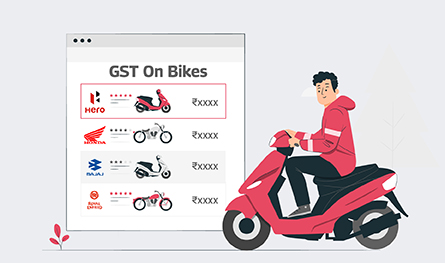
Explore the 2026 GST impact on two-wheelers in India along with latest IRDAI rules on bike insurance, mandatory 5-year TP cover, enhanced personal accident insurance, and practical ownership tips for everyday riders.
Key Takeaways
-
Most everyday bikes and scooters up to 350cc are now 8-10% cheaper with 18% GST.
-
Premium bikes above 350cc cost more at 40% GST – compare before upgrading.
-
Electric models stay cheapest at 5% GST with low running costs.
-
New bikes come with mandatory 5-year third-party cover and minimum ₹15 lakh personal accident insurance as per IRDAI rules.
-
NCB grace period is now 120 days, and you can mix insurers for TP and OD covers.
-
Two wheeler insurance still carries 18% GST, but buying insurance online for bike is convenient and often cheaper.
-
Always ensure personal accident insurance is included for rider safety.
If you are in the 25-55 age group and planning to buy a scooter or motorcycle for daily office runs, family errands, or weekend getaways, the GST changes that took effect from September 2025 have brought clear shifts in pricing. Everyday two-wheelers have become more affordable, while high-end premium bikes carry a higher tax burden. Alongside these tax updates, IRDAI (Insurance Regulatory and Development Authority of India) rules on two wheeler insurance have also evolved, making coverage more practical and protective for riders like you.
Here is a quick updated snapshot of the current GST rates in 2026, followed by key IRDAI points that directly affect new bike buyers:
| Two-Wheeler Type | Engine Capacity | GST Rate (2026) | Old Rate (before Sep 2025) | Typical Impact on Price |
|---|---|---|---|---|
| Petrol/Diesel Bikes & Scooters | Up to 350cc | 18% | 28% | Cheaper by ~8-10% |
| Petrol/Diesel Bikes | Above 350cc | 40% | ~31% (28% + 3% cess) | Costlier by ~7-9% |
| Electric Scooters & Bikes | All capacities | 5% | 5% | No change – still attractive |
Key IRDAI Rules for New Two-Wheelers (2026):
-
Mandatory 5-year third-party insurance at purchase (1-year own-damage cover).
-
Compulsory personal accident cover for owner-driver increased to a minimum of ₹15 lakh.
-
No-Claim Bonus (NCB) grace period extended to 120 days (from 90 days earlier).
-
You can now buy or renew third-party and own-damage covers from different insurers.
These changes mean lower upfront costs on most bikes plus stronger, more flexible insurance protection right from day one.
How GST Works on Two-Wheelers
GST applies on the ex-factory price of the vehicle. The big relief for most buyers came when the government reduced the rate on bikes and scooters up to 350cc from 28% to 18%. This directly cuts the showroom price for popular models used by working professionals and families.
For a typical 125-150cc scooter or bike priced around ₹80,000–₹1,20,000 (before tax), you can now save ₹8,000 to ₹12,000 compared to the old structure. That saving can easily cover several months of fuel or your first service schedule.
Premium bikes with engines above 350cc now attract 40% GST, pushing their prices higher. If you were dreaming of a bigger adventure or cruiser bike, calculate the on-road cost carefully – the luxury tag has become costlier.
Electric two-wheelers continue at just 5% GST, keeping options like Ather, Ola, Bajaj Chetak, and TVS iQube very competitive for city commuters who want low running costs.
Real-Life Impact on Your Pocket
Imagine you live in Mumbai or another busy city and need a reliable daily rider. A popular commuter model that earlier cost ₹1,05,000 on-road might now be available for ₹95,000–₹98,000. The extra money in your pocket feels meaningful for a 30-45 year old balancing EMIs, fuel, and family needs.
For those considering a 400cc+ bike for highway trips, the higher GST adds a noticeable amount. Many riders in this age group are now happily staying with capable 300-350cc models that deliver good performance without the extra tax burden.
Sales data in early 2026 already reflects healthy growth in the mass-market segment, showing that the GST adjustment is helping more families own two-wheelers comfortably.
Don’t Forget the Full Ownership Picture – Including IRDAI Rules
Buying the bike is step one. From day one, you need valid insurance. Thanks to IRDAI guidelines, when you buy a new two-wheeler in 2026, the dealer arranges a mandatory 5-year third-party (TP) policy along with a 1-year own-damage (OD) cover. This long-term TP cover ensures you stay legally protected without worrying about renewal every year in the initial period.
IRDAI has also strengthened rider safety by making personal accident insurance compulsory with a minimum cover of ₹15 lakh for the owner-driver. This means better financial support in case of serious injury or worse – a meaningful upgrade for daily riders in city traffic.
Another practical update: the grace period for renewing your policy and retaining No Claim Bonus (NCB) is now 120 days. If your policy lapses, you still have extra time to renew without losing your discount benefits.
You also have flexibility – you can keep your TP policy with one insurer and shop for better own-damage terms with another. Many people now choose to buy insurance online for bike because it is fast, transparent, and often gives better rates and add-ons without dealer pressure.
If you use your scooter or bike for delivery or small business work, look into commercial vehicle insurance options that provide suitable protection for professional use.
Lower bike prices due to GST can also lead to a slightly lower Insured Declared Value (IDV). This may gently reduce your own-damage premium over time. So the GST benefit on purchase can combine nicely with smart insurance choices.
Other Costs to Keep in Mind
-
Road tax and registration charges: Usually 8-12% depending on your state.
-
RTO fees and number plate: A few thousand rupees.
-
Service packages or extended warranty: Useful if you plan to keep the bike for many years.
When you add everything, the new GST rates plus updated IRDAI protections have made two-wheeler ownership more balanced for middle-class families and working riders.
FAQs on GST Impact on 2-Wheelers Insurance 2026
Yes. Bikes up to 350cc now attract 18% GST (down from 28%), bigger bikes face 40%, and electric models remain at 5%.
Every new two-wheeler must come with a 5-year third-party policy and at least ₹15 lakh compulsory personal accident cover for the owner-driver.
Not directly on premiums (still 18% GST on two wheeler insurance), but a lower bike price can reduce IDV and slightly impact own-damage costs.
Yes for most riders. You get quick comparisons, flexibility to choose covers, and often good deals while following all IRDAI guidelines.
Not immediately. IRDAI has extended the grace period to 120 days, so you can renew within this window and keep your NCB benefits.

Author Bio
Paybima Team
Paybima is an Indian insurance aggregator on a mission to make insurance simple for people. Paybima is the Digital arm of the already established and trusted Mahindra Insurance Brokers Ltd., a reputed name in the insurance broking industry with 21 years of experience. Paybima promises you the easy-to-access online platform to buy insurance policies, and also extend their unrelented assistance with all your policy related queries and services.


Other Motor Insurance Products


Latest Post
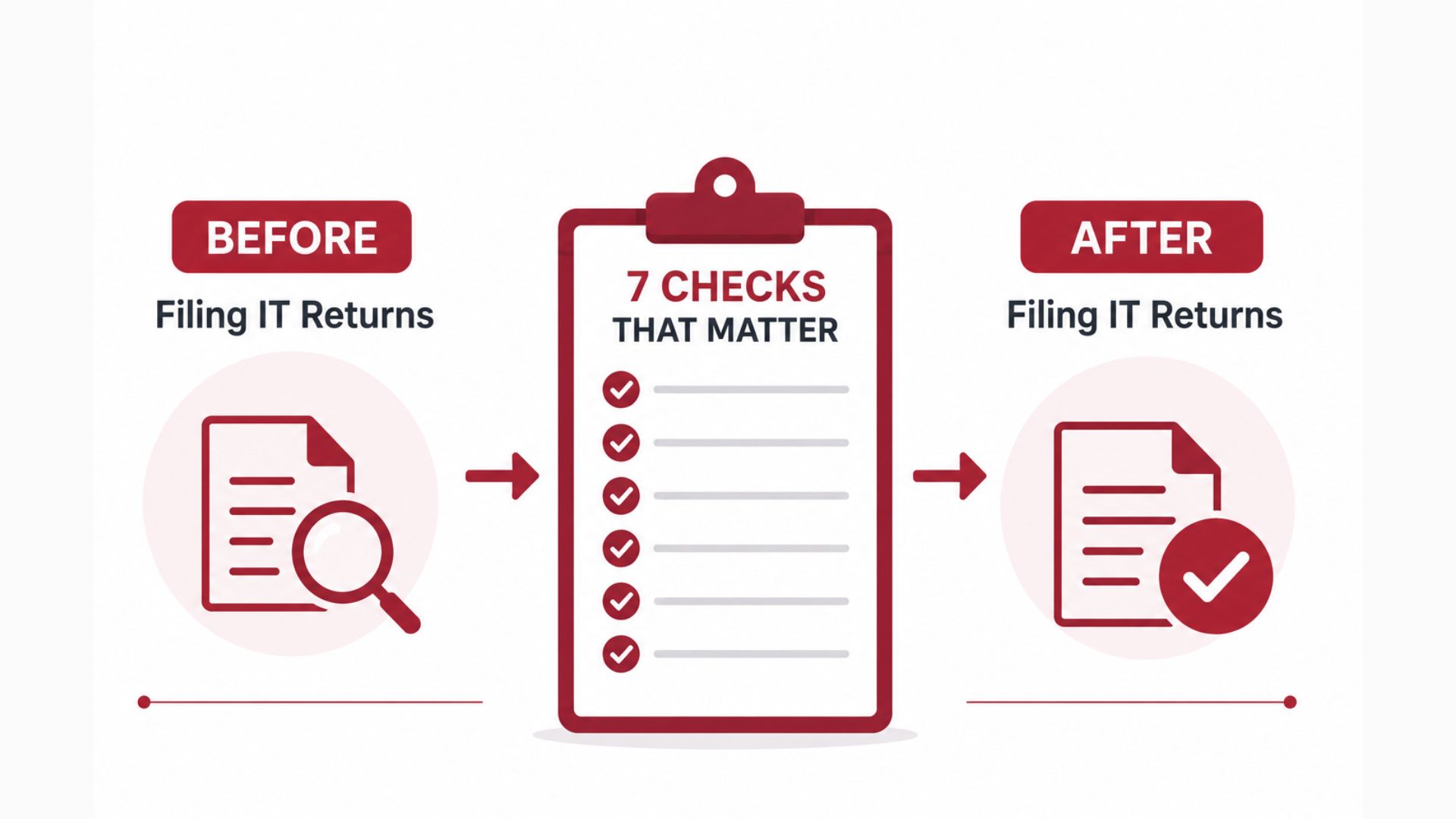
You're sitting with your CA on July 28, ready to file your IT return. Your CA asks, "Do you have all investment receipts?" You scramble through documents, realizing some proof is missing. This panic is avoidable.

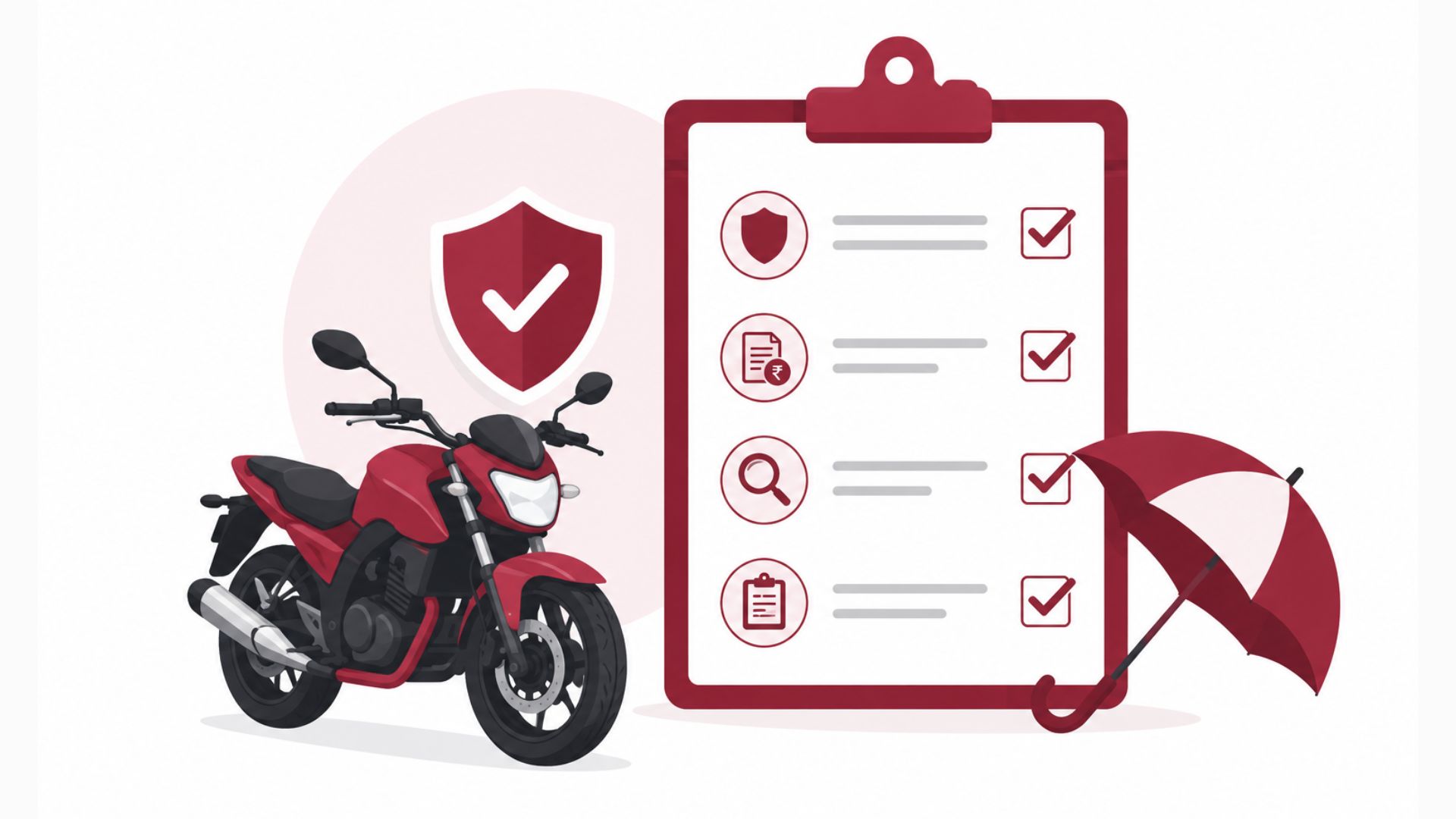
Buying bike insurance online used to seem complicated. But today, purchasing coverage for your two-wheeler is simpler than ever. The challenge now isn't availability—it's choosing the right bike insurance from dozens of options.
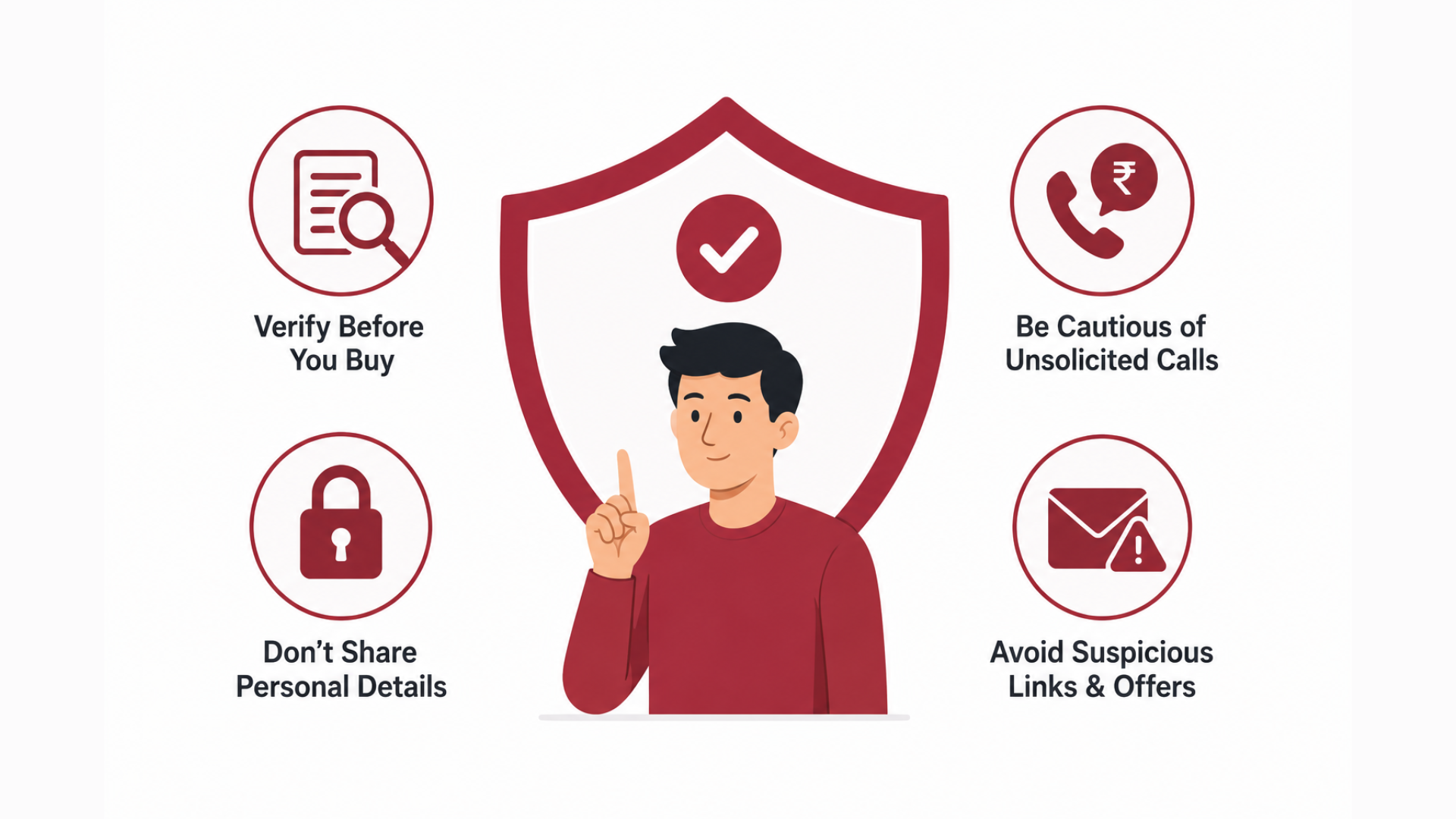
Insurance is an important financial safety net that protects individuals and families against unexpected medical expenses, accidents, loss of income, and other financial risks.
.png)
It's June. The monsoons are here. Suddenly, you develop high fever, body aches, and headache. Your doctor suspects dengue. Your first concern after "Will I be okay?" is "How much will this cost?" This is a question millions of Indians face annually, especially during monsoon and post-monsoon seasons when dengue cases spike.
You've just purchased your dream car. You maintain it religiously—regular washing, polishing, timely servicing.


Speak to our Advisor
+91

By clicking the button, I authorize Paybima advisor to contact me via SMS, Email, Phone, WhatsApp or any other modes overriding my 'DND'.T&C Apply.