
Tips to Keep in Mind in Case of a Two-wheeler Accident in India
.png)
Despite government regulations and safe drive measures, accidents on the Indian roads have become inevitable. Keeping in mind certain tips might help an insured in case of a two-wheeler accident.
To be eligible to drive a vehicle one has to go through a systematic driving test before receiving a learner’s license. Once you get a learner’s license, it takes another 6 months to convert this license into a permanent driving license. And after you get a permanent driving license, you become eligible to drive freely on the Indian roads. Despite all this, there are still many cases of road accidents taking place on everyday basis. And when an accident takes place, your two-wheeler insurance comes to your rescue by covering you against the damages.
In this blog, we are offering some tips that you must keep in mind in case of a two-wheeler accident.
7 Tips to Consider in the Event of a Bike Accident in India
Accidents on the roads in India has increased manifold causing thousands of deaths every year as well as making so many people crippled for life. Though the government orders numerous precautionary measures for driving on the road, still the increasing number of deaths due to accidents can’t be controlled. Two main reasons for the same are poor road conditions in India and the reckless driving norms of people. Hence, it is important for everyone driving a vehicle on the road to be extra careful and to know how to avoid bike accidents. However, if you still get caught up in any road accident, we are offering some tips in this blog to take note of after an accident.
1. Avoid accidents by adopting preventive measures
Rather than tackling with the hassles of the aftereffects of an accident, it is better to avoid such a situation by following preventive measures such as using helmet and other safety equipment while riding your bike. Further, it is also important to ensure that you buy a bike that is comfortable for you to ride rather than buying it by its appearance.
2. Ensure the safety of All
Despite all your bike accident prevention measures, if you get involved in an accident the first thing to check is the safety of all individuals involved in the crash. If there is a third-party involved, you must also ensure the safety of the third-party person. If required take the injured to the nearby hospital for immediate medical help. Once you ensure the safety of everyone associated with the accident, then you can carry on with the rest things like vehicle damage and all that.
3. Keep First Aid in the vehicle
Having a tiny first aid kit in the vehicle is important. Whether you are traveling to work within the city or going on a long trip on the road, you must always keep a handy bag of first aid with you to deal with any untoward situation on the road. Though bikes generally doesn’t offer a storage space so it is recommended to install a small storage box or a bag in the bike to keep your first aid essentials such as antiseptic, cotton roll, bandages, spray for pain relief, etc.
4. File a Police FIR
Informing the local police about the two wheeler accident and filing for an FIR is the next important thing to do. Explain them everything about the accident and how it took place. Share details like time and location of accident as well as the damages and injuries caused. This will help at the time of claiming a third party two-wheeler insurance for the third-party damages. Stay at the accident scene unless the local police arrives, else you might get into trouble for not informing law enforcement authority.
5. Capture images with your phone of the accident scene
Capturing images of the two wheeler accident scene and of the damages that took place in your bike or to the third party vehicle/property is also important. They serve as proof at the time of filing a bike insurance claim.
6. Inform the Insurance Company
Now the next task is to inform the insurance company about the two wheeler accident as soon as possible. Inform them about third-party damages caused if there is any. Provide the images of the accident scene for them to review.
The third-party insurance cover will help in managing the damages caused to the third-party. But if you have a comprehensive plan, you can benefit further. But be it any plan, you will still have a personal accident cover which is mandatory as per law. In case of any injury or damage of the insured person, the personal accident plan covers for the same.
You will require to submit certain documents to make your claim. These include driving license, bike RC, valid tax receipts, insurance policy proof, FIR copy etc. along with the claim form.
7. Stay Calm
Do not panic and stay calm. Do not discuss anything about the two wheeler accident with anyone except the police. Sharing details with everyone might make things difficult in terms of claim settlement. Also, be humble with the third-party and do not make any hasty decisions. You stay calm as police and the insurance agency does their work.

Author Bio
Paybima Team
Paybima is an Indian insurance aggregator on a mission to make insurance simple for people. Paybima is the Digital arm of the already established and trusted Mahindra Insurance Brokers Ltd., a reputed name in the insurance broking industry with 21 years of experience. Paybima promises you the easy-to-access online platform to buy insurance policies, and also extend their unrelented assistance with all your policy related queries and services.


Other Motor Insurance Products


Latest Post
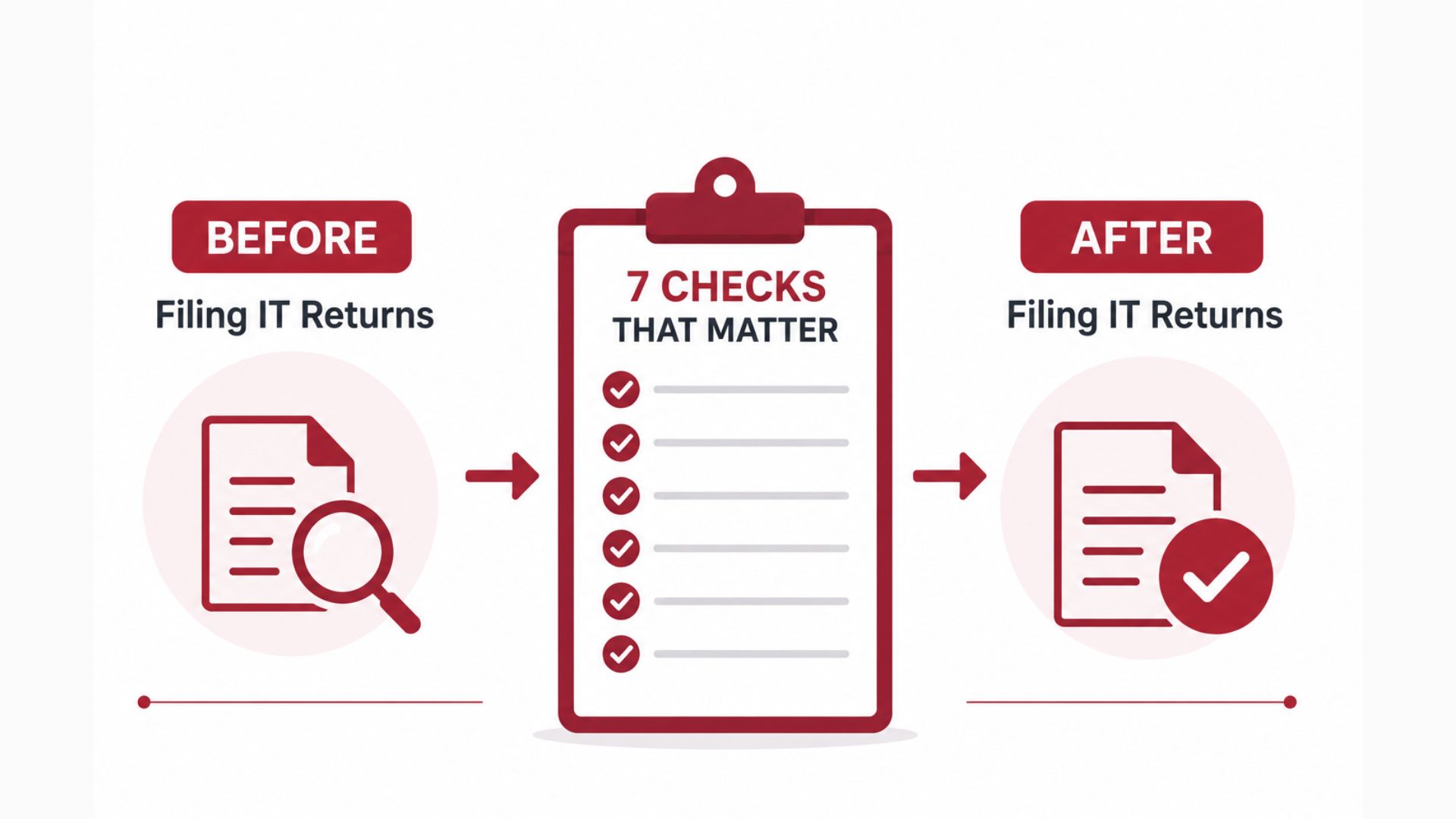
You're sitting with your CA on July 28, ready to file your IT return. Your CA asks, "Do you have all investment receipts?" You scramble through documents, realizing some proof is missing. This panic is avoidable.

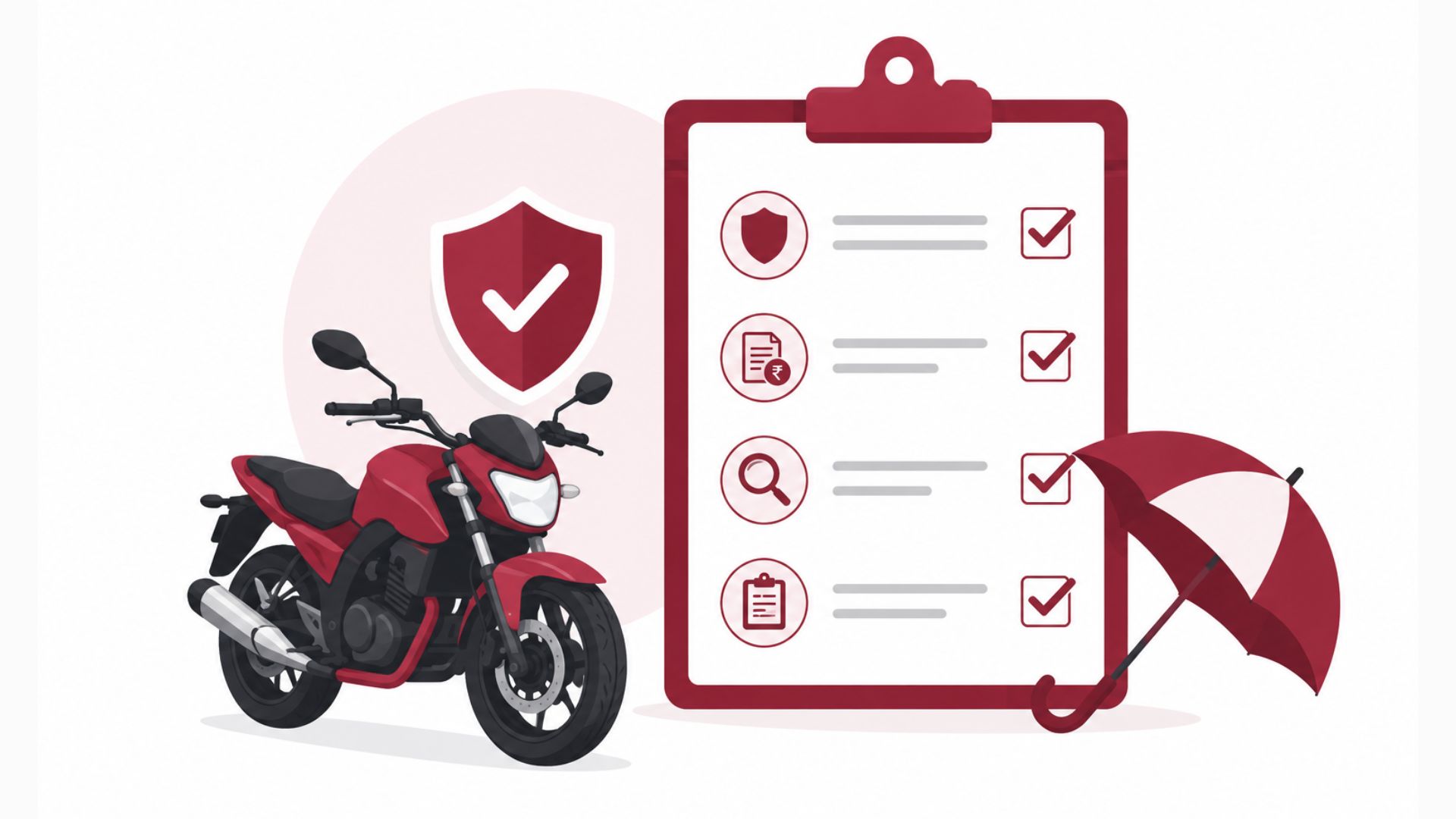
Buying bike insurance online used to seem complicated. But today, purchasing coverage for your two-wheeler is simpler than ever. The challenge now isn't availability—it's choosing the right bike insurance from dozens of options.
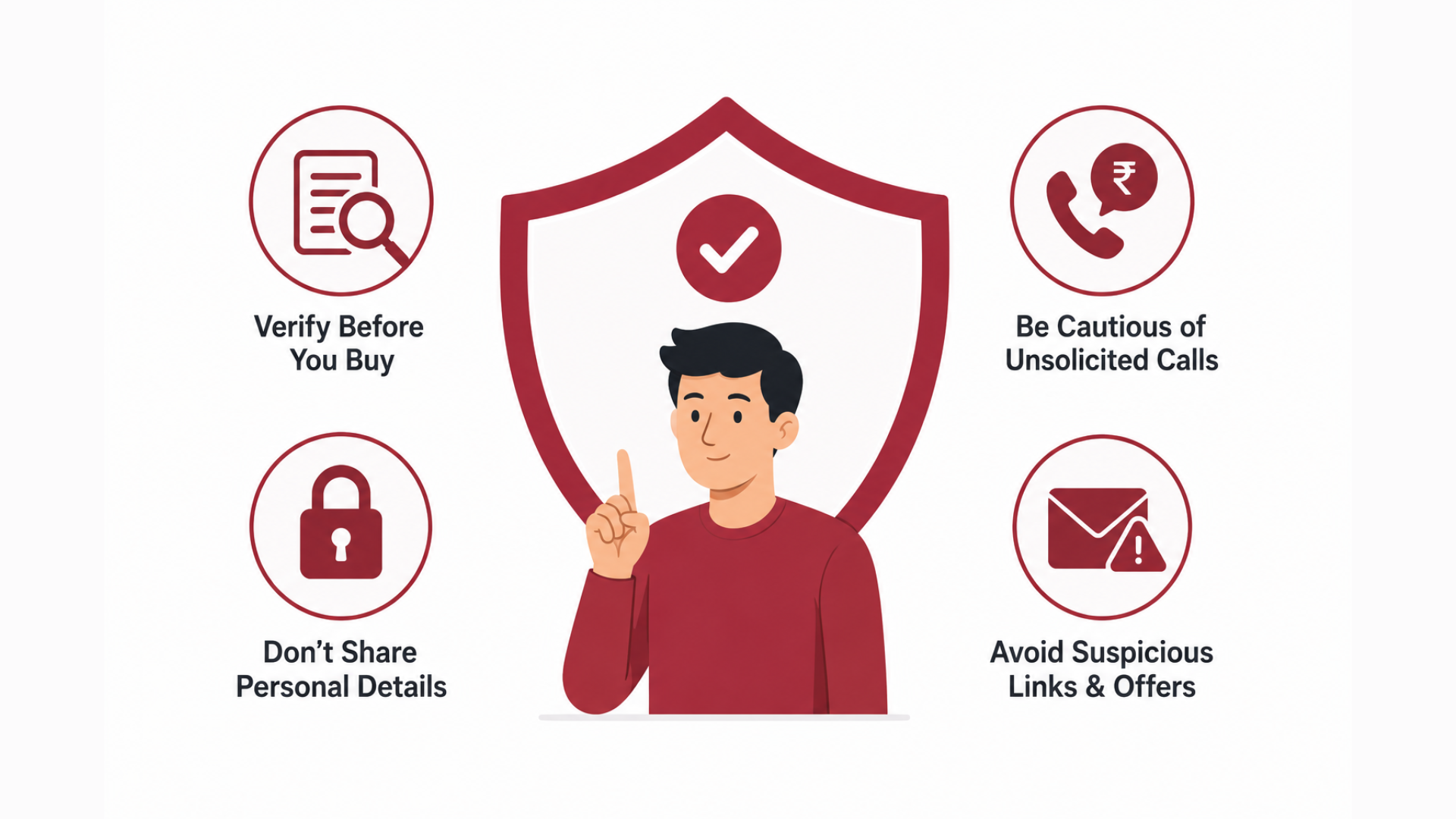
Insurance is an important financial safety net that protects individuals and families against unexpected medical expenses, accidents, loss of income, and other financial risks.
.png)
It's June. The monsoons are here. Suddenly, you develop high fever, body aches, and headache. Your doctor suspects dengue. Your first concern after "Will I be okay?" is "How much will this cost?" This is a question millions of Indians face annually, especially during monsoon and post-monsoon seasons when dengue cases spike.
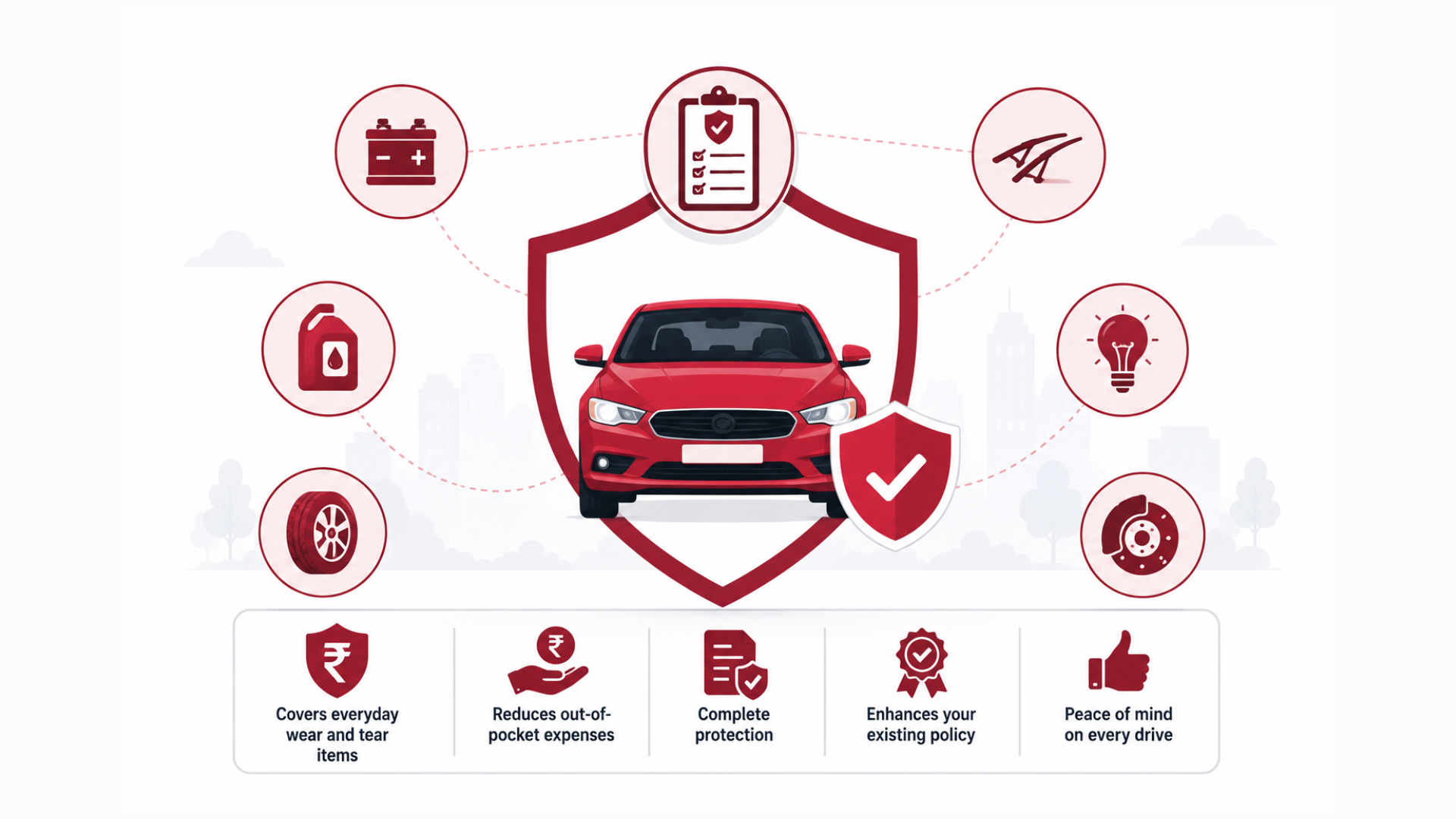
You've just purchased your dream car. You maintain it religiously—regular washing, polishing, timely servicing.


Speak to our Advisor
+91

By clicking the button, I authorize Paybima advisor to contact me via SMS, Email, Phone, WhatsApp or any other modes overriding my 'DND'.T&C Apply.