
Top 10 Cheapest Cars in India in 2026: Complete Guide to Affordable Vehicles
Buying a car doesn't always mean breaking the bank. If you're looking for an affordable vehicle that doesn't compromise on quality or reliability, 2026 is a great year to make your purchase.
Whether you're a first-time buyer, a young professional, or someone looking for a second vehicle, the cheapest cars in India today come with decent features, good fuel economy, and strong resale value.
But here's the thing—buying a budget car is just the beginning. Once you've made your purchase, protecting it with the right motor insurance becomes crucial. Let's dive into the top 10 cheapest cars available in India right now and explore how to keep them protected and running smoothly.
Key Takeaways
-
The cheapest cars in India start from ₹2.5 lakhs to ₹4.5 lakhs, offering excellent value for first-time buyers
-
Fuel efficiency and low maintenance costs make budget cars ideal for cost-conscious drivers
-
Comprehensive car insurance is essential even for budget vehicles to protect against unforeseen expenses
-
Personal accident insurance adds extra protection when driving affordable cars
-
Motor insurance renewal costs vary based on vehicle type, driving history, and coverage options
-
Understanding motor insurance options helps you save while maintaining adequate protection
-
Top budget car brands in 2026 include Maruti, Hyundai, Tata, and Mahindra
What Makes a Car "Cheap" in India?
Before we jump into the list, let's clarify what we mean by "cheapest cars." In the Indian market, affordable vehicles typically fall into these categories:
1. Entry-Level Hatchbacks
These are compact, fuel-efficient cars perfect for city driving and daily commutes. They're the most popular choice for budget-conscious buyers because they combine affordability with practicality.
2. Micro SUVs and Compact Sedans
The rise of affordable compact SUVs has given buyers more options. These vehicles offer a higher driving position and modern styling while keeping prices competitive.
3. Engine Capacity and Features
Most budget cars come with 1.0L to 1.2L engines, which directly impact fuel costs and overall running expenses. Features like power steering, air conditioning, and infotainment systems are now standard even in the cheapest models.
The Top 10 Cheapest Cars in India (2026)
1. Maruti Alto K10 – Starting from ₹2.99 Lakh
The Alto K10 remains India's most affordable car and a bestseller for over two decades. With a 1.0L petrol engine, it delivers an impressive 22.3 km/l mileage, making it incredibly economical to run.
Why buyers choose it: Reliability, low maintenance cost, excellent resale value, and a huge spare parts network.
Motor Insurance Advantage: Due to its popularity, finding affordable motor insurance and comprehensive car insurance policies is easy. You'll also find competitive premiums for annual motor insurance renewal.
2. Tata Nano – Starting from ₹2.42 Lakh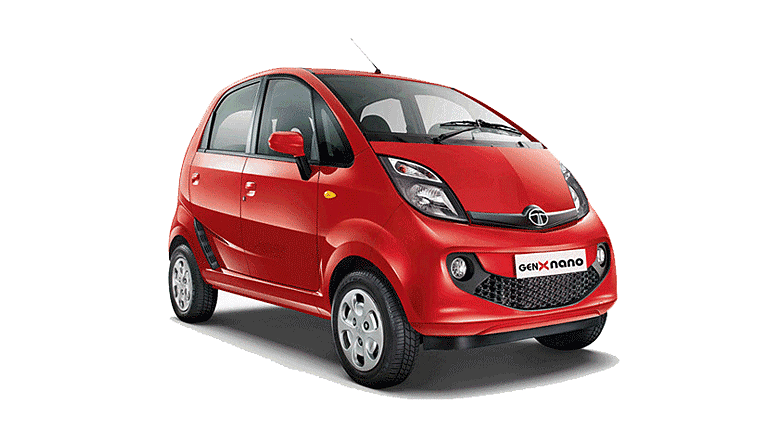
Designed as the "people's car," the Nano is the cheapest new car you can buy in India. Despite its compact size, it's spacious inside and delivers a comfortable driving experience.
Why buyers choose it: Ultra-affordable price point, simple design, low fuel consumption (around 20 km/l), and minimal maintenance requirements.
Insurance Consideration: Smaller car size means lower personal accident insurance premiums, making it a budget-friendly option overall.
3. Hyundai Santro – Starting from ₹3.89 Lakh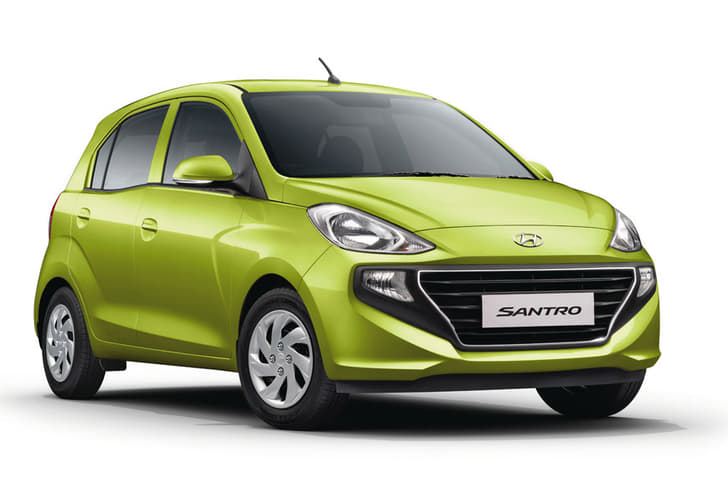
The Hyundai Santro offers more features and style compared to its competitors at a similar price. It's known for good build quality and comes with a 1.1L petrol engine.
Why buyers choose it: Better interiors, warranty coverage, fuel efficiency (around 19.5 km/l), and modern styling.
Insurance Benefit: Hyundai's strong after-sales service network means easier claim processing with your comprehensive car insurance provider.
4. Maruti Wagon R – Starting from ₹4.03 Lakh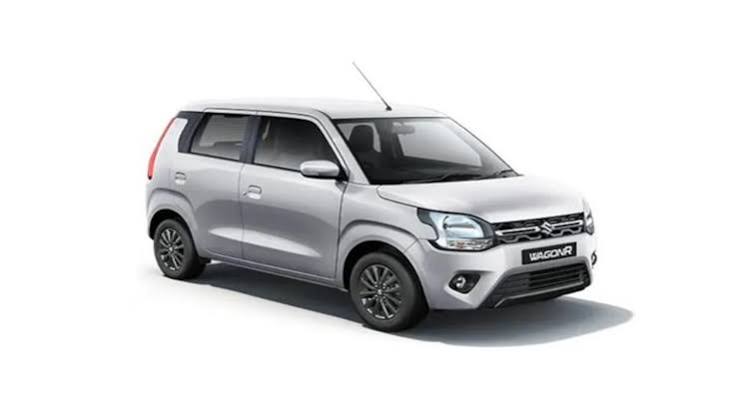
The Wagon R is a practical choice for families needing more space without spending too much. Its boxy design maximizes interior space, and the 1.0L engine is reliable and efficient.
Why buyers choose it: Extra cargo space, family-friendly design, and low running costs (approximately 22 km/l).
Motor Insurance Note: Family vehicles may require enhanced personal accident insurance coverage for multiple passengers.
5. Tata Tiago – Starting from ₹3.99 Lakh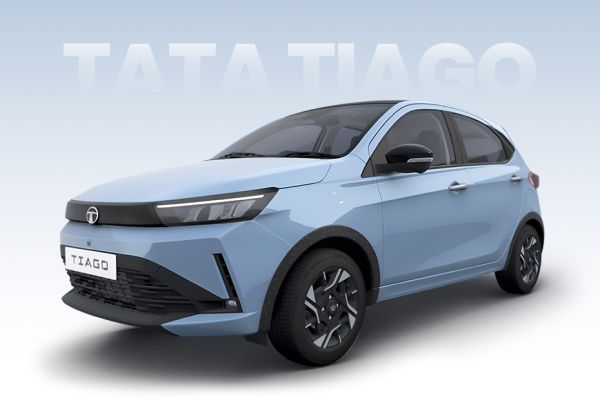
Tata's Tiago is a game-changer in the budget segment, offering a stylish hatchback design with practical features. It comes with a 1.2L petrol engine and impressive safety features.
Why buyers choose it: Modern design, good ground clearance, touchscreen infotainment, and twin airbags even in base variants.
Insurance Advantage: Built-in safety features can help reduce motor insurance renewal costs as insurers often offer discounts for vehicles with advanced safety systems.
6. Maruti S-Presso – Starting from ₹3.73 Lakh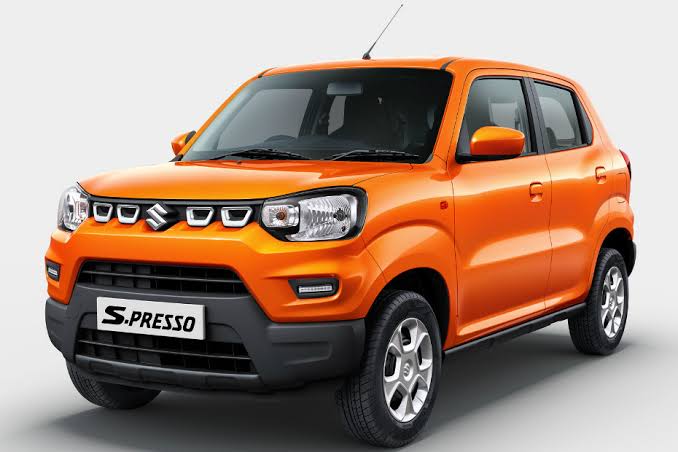
If you want a mini SUV at a bargain price, the S-Presso delivers. It's taller, offers a commanding driving position, and has a stylish SUV-like appearance without the hefty price tag.
Why buyers choose it: SUV styling, good visibility, fuel efficiency (around 21 km/l), and compact dimensions for city parking.
Insurance Perspective: The SUV classification might affect your motor insurance premium, so always compare quotes before purchasing.
7. Mahindra KUV100 NXT – Starting from ₹4.37 Lakh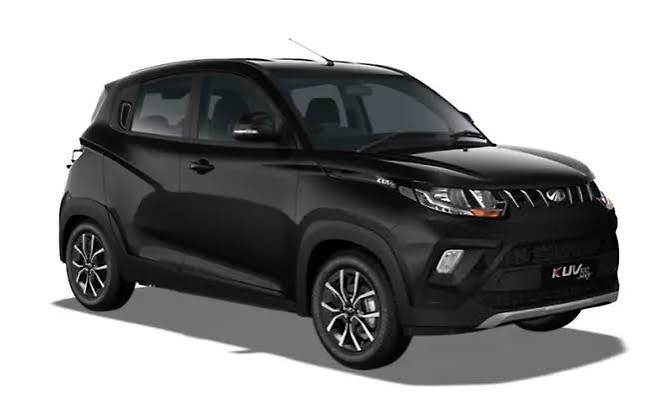
Mahindra's KUV100 NXT offers micro SUV practicality with a stylish, five-door design. It's one of the few affordable SUVs with a proper warranty and service network.
Why buyers choose it: Five-door convenience, SUV stance, good build quality, and Mahindra's extensive dealer network.
Motor Insurance Consideration: SUVs generally attract slightly higher comprehensive car insurance premiums due to repair costs; factor this into your budget.
8. Hyundai Grand i10 Nios – Starting from ₹4.50 Lakh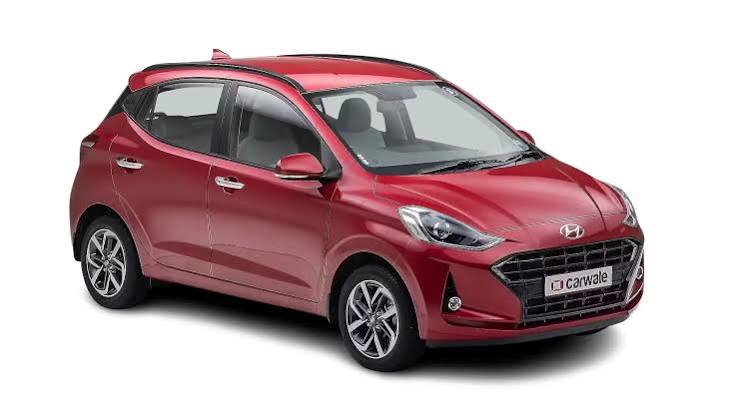
The Grand i10 Nios sits at the upper end of our budget segment but offers excellent value. It's a spacious hatchback with premium interiors and modern features.
Why buyers choose it: Spacious cabin, premium feel, good ground clearance, touchscreen, and excellent fuel efficiency (around 20 km/l).
Insurance Insight: Modern infotainment systems and safety features can influence your motor insurance renewal rates positively.
9. Tata Altroz – Starting from ₹4.40 Lakh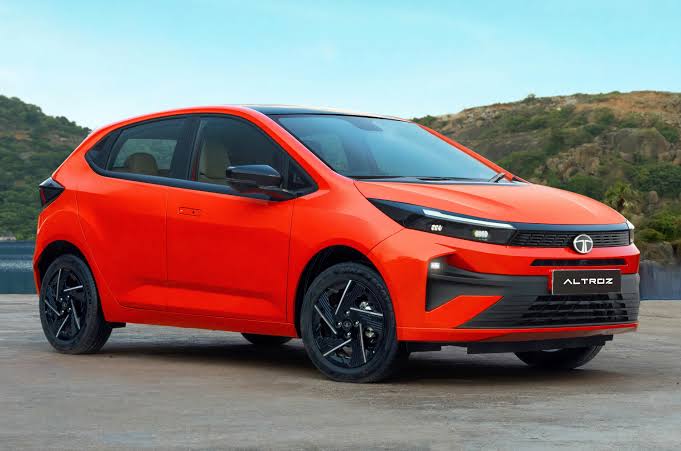
The Altroz is Tata's premium hatchback offering in the budget space. It combines stylish design with practical features and a robust engine.
Why buyers choose it: Striking design, spacious interior, 1.2L petrol engine, touchscreen, and safety-focused features.
Comprehensive Car Insurance: With modern safety systems, you're better protected, which insurers recognize during motor insurance renewal assessments.
10. Renault Kiger – Starting from ₹4.45 Lakh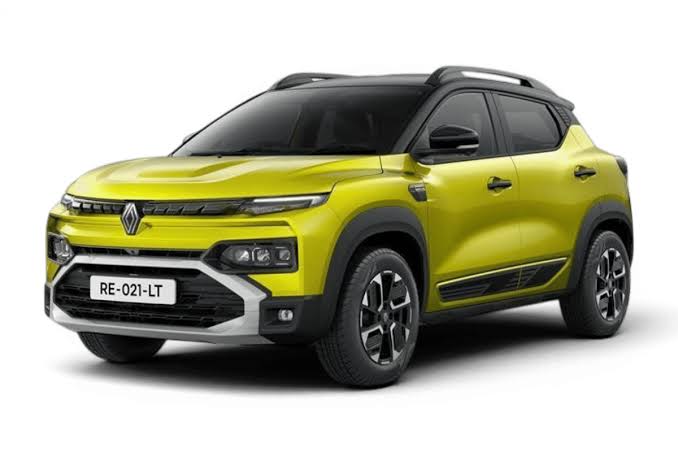
Renault's Kiger is a compact SUV that offers surprising features and style at an affordable price. It's gaining popularity among budget-conscious SUV buyers.
Why buyers choose it: SUV styling, touchscreen infotainment, good ground clearance, and unique design in the budget segment.
Motor Insurance Note: As a newer brand in the budget segment, ensure your personal accident insurance covers all passengers adequately.
Running Costs: More Than Just the Purchase Price
Buying the cheapest car is only half the battle. The real savings come from low running costs. Here's what affects your overall expense:
1. Fuel Efficiency
All cars listed above deliver 18–23 km/l, meaning your fuel bills stay low. Regular maintenance helps maintain fuel efficiency over time.
2. Insurance Costs
Here's where many first-time buyers get surprised. Your motor insurance bill is a recurring annual expense. Depending on whether you choose a basic third-party policy or comprehensive car insurance, costs can vary significantly.
Comprehensive Car Insurance covers:
- Third-party liability
- Damage to your own vehicle
- Theft protection
- Natural calamities
- Personal accident coverage
3. Maintenance and Spare Parts
Budget cars from established manufacturers like Maruti, Hyundai, and Tata have abundant spare parts availability, keeping repair costs low. Expect annual maintenance costs between ₹5,000–₹10,000 depending on usage.
4. Resale Value
Cheapest cars maintain decent resale value, especially models with strong market presence. A well-maintained Alto or Wagon R can fetch 40–50% of its original price even after 5 years.
Why Motor Insurance Matters for Budget Cars
When you're buying a cheap car, every rupee counts. However, motor insurance isn't optional—it's mandatory by law. More importantly, it's your financial safety net.
-
Legal Requirement
India's Motor Vehicles Act mandates that all vehicles must have at least a basic third-party motor insurance policy. Not having valid insurance can result in hefty fines and legal complications.
-
Comprehensive Car Insurance Benefits
While basic third-party insurance covers damage you cause to others, comprehensive car insurance protects your own vehicle too. For budget cars, this is crucial because:
-
Repair costs add up quickly – Even small accidents can be expensive to repair
-
Theft protection – Affordable cars are sometimes targeted by thieves
-
Natural calamity coverage – Protection against floods, earthquakes, and weather-related damage
-
Personal accident insurance – Covers medical expenses if you or your passengers are injured in an accident
-
Personal Accident Insurance
This often-overlooked component is vital, especially if you're the sole earner in your family. Personal accident insurance provides a lump sum benefit to your family if you meet with a fatal accident or permanent disability while driving.
-
Motor Insurance Renewal Wisdom
Each year, when your motor insurance renewal date approaches, don't just auto-renew. Compare quotes from multiple insurers. Factors affecting your renewal premium include:
-
No-claim bonus (NCB) – A discount you accumulate for claim-free years
-
Driving history – Accident-free driving reduces premiums
-
Vehicle age – As your car ages, comprehensive coverage becomes cheaper
-
Modifications – Any after-market changes might increase your premium
-
Location – Urban areas typically have higher premiums than rural areas
Buying Tips for Cheapest Cars in 2026
1. Compare Models, Not Just Prices
Two cars at ₹3.5 lakhs might have different features, fuel efficiency, and warranty. Test drive multiple options before deciding.
2. Factor in Total Cost of Ownership
Add the car price, motor insurance, fuel costs, and maintenance to get the real picture. A slightly more expensive car with better fuel efficiency might cost less over five years.
3. Check Warranty and Service Network
Budget car companies like Maruti and Hyundai offer excellent warranty terms and widespread service centers. This matters when you need to claim your comprehensive car insurance.
4. Get Your Insurance Quotes Ready
Before finalizing your car purchase, get motor insurance quotes for your chosen model. This helps you budget accurately and avoid surprises.
5. Don't Compromise on Safety
Even budget cars today come with airbags, ABS, and stability control. Choose models with better safety ratings; they often qualify for lower comprehensive car insurance premiums.
List of 10 Cheapest and Lowest Price Car in India 2026
Modern budget cars meet Indian safety standards and come with essential safety features like airbags and ABS. However, they may not have advanced features like automatic emergency braking found in premium cars. Choose a model with a good safety rating from credible sources.
Yes, budget cars often attract lower motor insurance premiums due to their lower repair costs. Shop around and compare quotes before renewal. You might also qualify for no-claim bonus discounts if you've driven without incidents.
While legally only third-party motor insurance is mandatory, comprehensive car insurance is highly recommended. For affordable vehicles, the protection against theft and damage is crucial since repair costs can quickly exceed the car's value.
Personal accident insurance is often included in comprehensive car insurance packages or available as an add-on for ₹500–₹2,000 annually, depending on your sum insured.
Maintain a clean driving record, accumulate no-claim bonuses, increase your deductible, and compare quotes across insurers at every renewal. Some insurers offer discounts for vehicles with advanced safety features or low annual mileage.
Yes, you can transfer your existing policy to a new car, though the premium may change based on the new vehicle's specifications. Some insurers also offer discounts for policy transfers.
For small families, the Tata Tiago, Hyundai Santro, and Hyundai Exter are great choices.
For larger families, the Renault Triber is the best option since it is the most affordable 7-seater in India.
The Renault Kwid and Hyundai Exter (base variant) offer the best features under ₹6 lakh, including touchscreen systems, digital clusters, rear parking sensors, and premium interiors.
Yes, most budget cars from brands like Maruti Suzuki, Hyundai, Tata, and Renault are known for reliability. They offer low maintenance costs and widespread service support, making them dependable long-term options.
If your daily usage is above 40–50 km, a CNG car will save you more money.
If your driving is less or mixed (city + highway), a petrol car offers better performance and convenience.

Author Bio
Paybima Team
Paybima is an Indian insurance aggregator on a mission to make insurance simple for people. Paybima is the Digital arm of the already established and trusted Mahindra Insurance Brokers Ltd., a reputed name in the insurance broking industry with 21 years of experience. Paybima promises you the easy-to-access online platform to buy insurance policies, and also extend their unrelented assistance with all your policy related queries and services.


Other Motor Insurance Products


Latest Post


Speak to our Advisor
+91

By clicking the button, I authorize Paybima advisor to contact me via SMS, Email, Phone, WhatsApp or any other modes overriding my 'DND'.T&C Apply.