


Related Articles


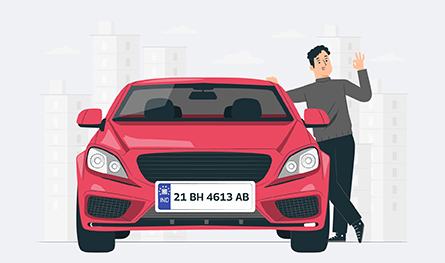
Learn what is a High Security Number Plate (HSRP) in India in 2026 – features, rules, installation process, fines, and its link with motor insurance. Simple guide with tables and practical tips.
HSRP is a tamper-proof aluminium plate with hologram, laser code, and snap locks for better vehicle security.
It is mandatory for all vehicles in 2026; old vehicles must be fitted or face fines from ₹1,000 to ₹10,000.
Installation is simple through authorised centres and links your vehicle to the central VAHAN database.
HSRP helps faster police verification and smoother insurance processes.
Choose the right cover – four wheeler insurance for cars, two wheeler insurance or buy insurance online for bike for scooters, and commercial vehicle insurance for business vehicles.
Add personal accident insurance for extra safety and use online car insurance for quick renewals.
IRDAI keeps third-party insurance compulsory with long-term options for new vehicles.
High Security Registration Plate, or HSRP, is a special number plate designed to make vehicles safer and easier to track on Indian roads. Introduced by the Ministry of Road Transport and Highways (MoRTH), these plates replace ordinary ones to fight vehicle theft, fake registrations, and cloning. In 2026, HSRP is mandatory for every vehicle across India – whether it is a new car bought yesterday or an older bike from years ago. The plates are made of strong aluminium with built-in security features that are tough to copy or tamper with. They help traffic police, insurance companies, and RTO officials quickly verify if a vehicle is genuine. For people in the 25-55 age group who drive daily in cities like Mumbai or travel for work, understanding HSRP means staying legal, avoiding fines, and keeping your family or business vehicle protected.
HSRP improves road safety and brings uniformity. All plates now have reflective material so numbers are clearly visible at night. They also carry a small “IND” mark and a fuel-type sticker. The main goal is simple: stop criminals from swapping plates on stolen vehicles and make enforcement faster through cameras and digital checks.
Here is a clear comparison between regular old plates and HSRP:
| Feature | Regular Old Plate | High Security Registration Plate (HSRP) |
|---|---|---|
| Material | Usually plastic or thin metal | Strong aluminium with retro-reflective film |
| Security Features | None | Chromium hologram, laser-etched 10-digit PIN, snap locks |
| Tamper Resistance | Easy to remove or change | Snap locks break if forced; hologram self-destructs |
| Visibility at Night | Average | Highly reflective for better readability |
| Link to Database | Manual checks | Unique code linked to chassis and engine number |
| Mandatory Status in 2026 | Not allowed | Compulsory for all vehicles |
| Cost (approx.) | Low | ₹450 for two-wheelers, ₹745 for four-wheelers |
This table shows why HSRP is a big upgrade. The laser-etched code is unique to your vehicle and recorded in the VAHAN central database. The hologram of the Ashoka Chakra cannot be duplicated easily. Once fixed with snap locks, removing the plate without breaking it is almost impossible.
Every HSRP has these built-in protections:
A chromium-based hologram (about 20mm x 20mm) hot-stamped on the top left corner.
A 10-digit permanent identification number laser-etched on the bottom left.
Non-removable snap locks that break if anyone tries to take the plate off.
Retro-reflective sheeting that glows under headlights.
Hot-stamped “IND” in blue at a 45-degree angle.
These features make HSRP plates durable and secure. For two-wheelers, the plates are smaller but carry the same protections. New vehicles registered after April 2019 already come with HSRP fitted at the showroom. For older vehicles (registered before April 1, 2019), owners must get them replaced.
The government has been strict about implementation. In states like Maharashtra, multiple deadlines were given, with the final one ending on December 31, 2025. From February 18, 2026 onwards, enforcement is active. Traffic police now check for HSRP during stops, and cameras can scan the laser code instantly.
If your vehicle does not have HSRP:
First offence fine starts at ₹1,000.
Repeated violations can go up to ₹10,000.
RTO services like renewal of registration, fitness certificate, or ownership transfer may be blocked until you install it.
Installation is straightforward. Authorised agencies (in Maharashtra, companies like Rosmerta Safety Systems, Real Mazon India, and FTA HSRP Solutions handle different zones) fit the plates. You can book online through the VAHAN portal or the state transport website. Carry your RC, PUC, and Aadhaar for verification. The process usually takes 30-60 minutes at the fitting centre. Cost is reasonable and includes both front and rear plates plus a third registration sticker.
Visit the official state transport or Parivahan portal.
Enter your vehicle registration number and check eligibility.
Book an appointment at a nearby authorised centre.
Go with original documents and pay the fee.
The agency fits the plates and issues a receipt.
Keep the receipt safe – it proves compliance. In 2026, many RTOs have made the process digital, so you can track status online.
If you commute in heavy Mumbai traffic or use your car for family trips, HSRP gives peace of mind. It reduces the chance of your plate being misused on a stolen vehicle. Police can verify ownership faster during checks. For business users with trucks or delivery vans, it adds credibility and helps in logistics tracking.
Your HSRP is now linked to insurance records. When you buy or renew a motor insurance policy, insurers check the registration details, including HSRP, through the VAHAN system. This makes the process smoother and reduces fraud in claims.
Private car owners usually go for four wheeler insurance that covers own damage and third-party liability. Bike riders often prefer quick options to buy insurance online for bike or standard two wheeler insurance. For taxis, trucks, or commercial vehicles, you need commercial vehicle insurance with higher limits because of business use. Many people now choose online car insurance because it is fast, paperless, and lets you compare plans side by side. You can easily add personal accident insurance for the driver and passengers – this covers medical costs or disability in case of an accident.
IRDAI continues to keep third-party insurance compulsory for all vehicles on public roads. As of 2026, there are no major changes to the core third-party rates, but the long-term policy rule remains strong: new cars get a mandatory 3-year third-party cover, while new two-wheelers get 5 years. Own-damage cover can still be bought or renewed annually.
IRDAI encourages digital processes, so buying or renewing online links directly with your vehicle’s HSRP and RC details. This reduces paperwork and speeds up claims. No Claim Bonus (NCB) rules are stable, with possible grace periods helping you retain discounts if you renew slightly late. Insurers must clearly show how premiums are calculated, and add-ons like personal accident cover are widely available. For electric vehicles, some insurers offer small discounts on comprehensive plans. Always ensure your motor insurance policy is active – even one day’s gap can affect your No Claim Bonus and leave you unprotected.
In practice, when traffic police stop you, they now verify both HSRP and valid insurance through apps. A missing HSRP or lapsed policy can lead to on-spot fines plus insurance complications.
HSRP plates must be kept clean and clearly visible. Covering them with any sticker or frame is illegal. If you sell your vehicle, the buyer usually needs to get plates updated in their name, but HSRP features stay with the new registration. Vintage cars and certain defence vehicles may have slight variations, but the security standards remain high.
Regular checks on the VAHAN portal help you confirm your vehicle details are updated. In 2026, with stricter enforcement, getting HSRP done early avoids last-minute rush and penalties.
HSRP is a special, hard-to-tamper vehicle number plate made from strong aluminium with security features. It helps prevent vehicle theft, fake plates, and misuse. The government introduced it to make roads safer and easier for police to track vehicles using cameras.
Yes, it's mandatory. New vehicles (registered after April 1, 2019) already have it. For older vehicles (before April 1, 2019), the final deadline was December 31, 2025. After multiple extensions, strict checks and fines started from February 18, 2026. If you applied or booked before December 31, 2025, you get some grace, but new bookings now face penalties.
From February 18, 2026, the Maharashtra transport department began cracking down. You'll likely get a challan (fine) of ₹1,000 for the first time. Repeated issues can lead to higher fines up to ₹10,000, or even vehicle impoundment in serious cases. Police also check other documents like insurance and PUC during stops.
Fees are reasonable and include installation:
Not directly, but a compliant vehicle avoids extra hassles. When you compare car insurance online or buy a motor insurance policy, or even buy insurance online for bike, it keeps things smooth. Add personal accident insurance for extra road safety cover. For cars, look at good 4 wheeler insurance or commercial vehicle insurance options.
Yes. Vehicles registered before April 2019 must have it fitted. Enforcement is active in most states, including fines and possible stop on RTO services.
HSRP means High Security Registration Plate. It is needed to stop fake plates, reduce vehicle theft, and make enforcement easier for police and RTO.
It costs around ₹450 for two-wheelers and ₹745 for four-wheelers. The price includes both front and rear plates.
Not recommended. You risk fines starting at ₹1,000, and police or cameras can catch non-compliant vehicles easily. Get it fitted soon to stay safe.

Paybima Team
Paybima is an Indian insurance aggregator on a mission to make insurance simple for people. Paybima is the Digital arm of the already established and trusted Mahindra Insurance Brokers Ltd., a reputed name in the insurance broking industry with 21 years of experience. Paybima promises you the easy-to-access online platform to buy insurance policies, and also extend their unrelented assistance with all your policy related queries and services.
Secure your daughter’s education and marriage in 2026 with LIC’s top child plans. This updated guide has detailed tables, real examples, more features like loans and riders, plus smart tips. Read and plan confidently!

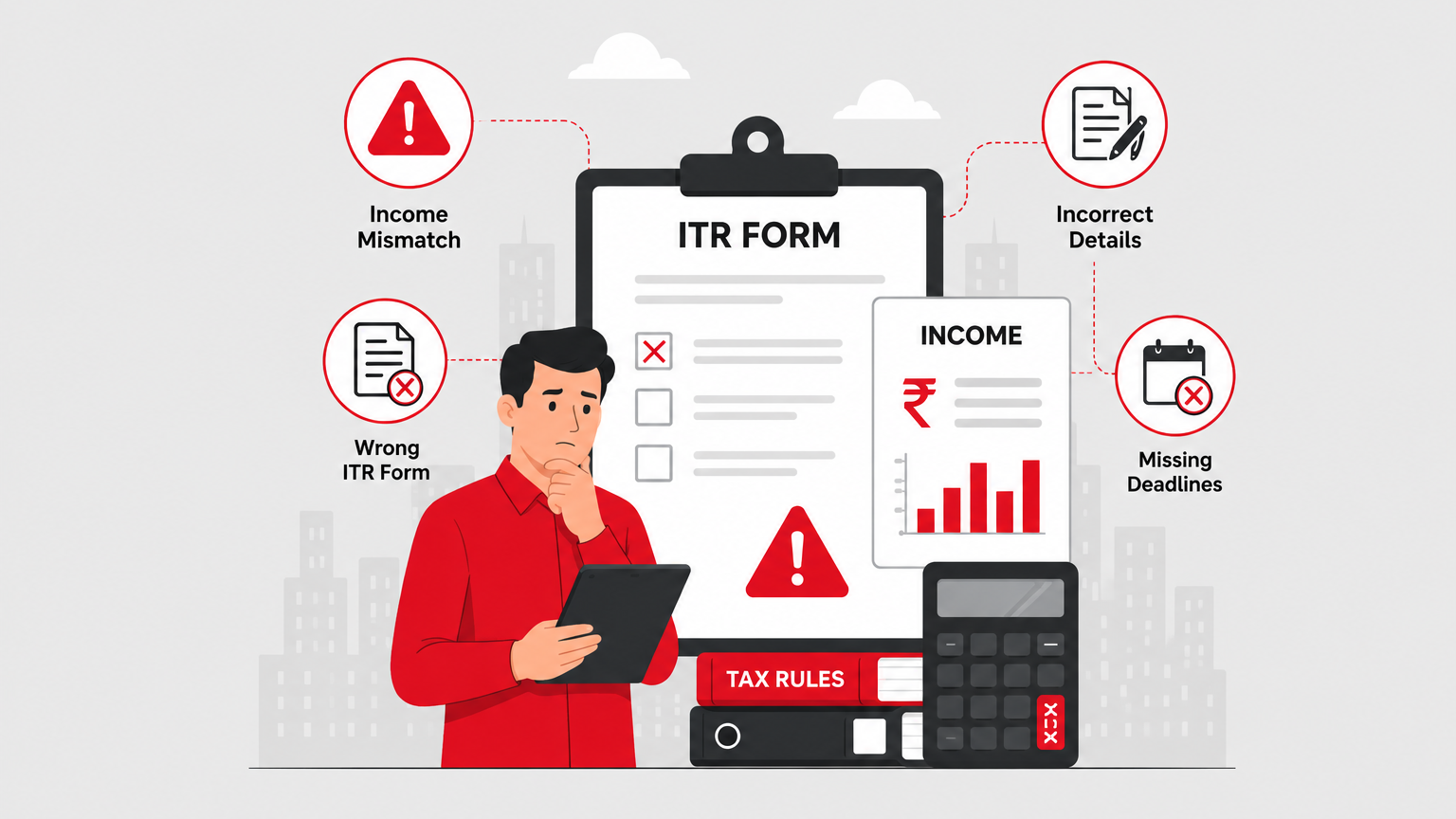
ITR filing for 2026 can feel confusing with income mismatches and form issues. This detailed, simple guide helps working professionals and families avoid costly errors, claim full refunds, and build long-term financial security.
Tax season can be stressful, but avoiding these common ITR mistakes helps you claim rightful refunds faster and stay compliant. Learn practical advice tailored for working professionals and families in India.
Empowering women with financial security! Explore top LIC policies in 2026 tailored for savings, life cover, and family protection. Ideal for working professionals, homemakers, and mothers aged 25-55.
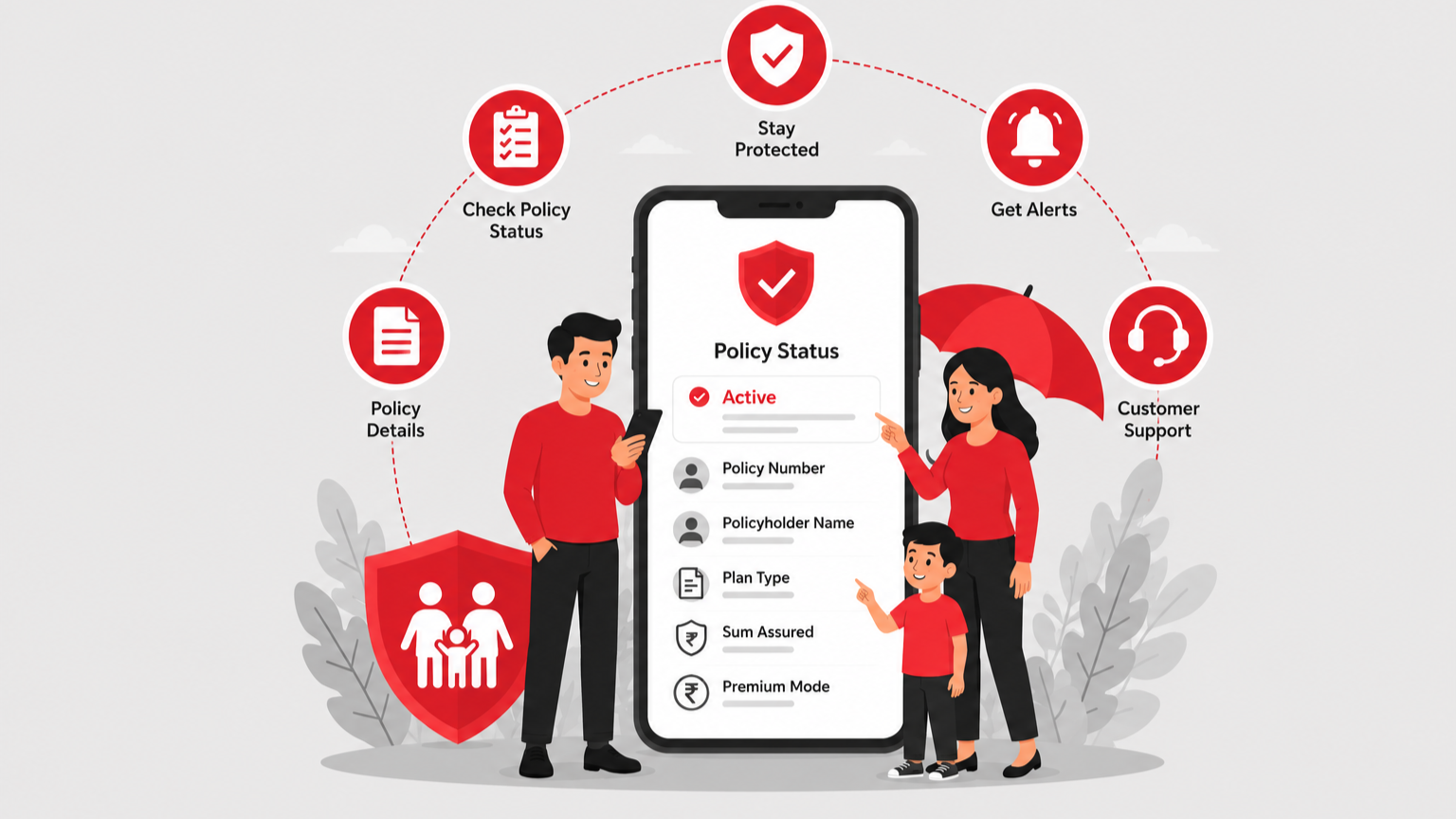
In today’s busy world, keeping track of your life insurance is important for financial security. This easy guide shows how to check your ICICI Prudential policy status quickly so you can manage investment plans, term plans, or guaranteed return plans without stress.

By clicking the button, I authorize Paybima advisor to contact me via SMS, Email, Phone, WhatsApp or any other modes overriding my 'DND'.T&C Apply.
By clicking the button, I authorize Paybima advisor to contact me via SMS, Email, Phone, WhatsApp or any other modes overriding my 'DND'.T&C Apply.

 Car Insurance
