


Related Articles
.png)
 Jan 08, 2025
Is Varicose Vein surgery covered under the health insurance policy in India
 Health Insurance
.png)

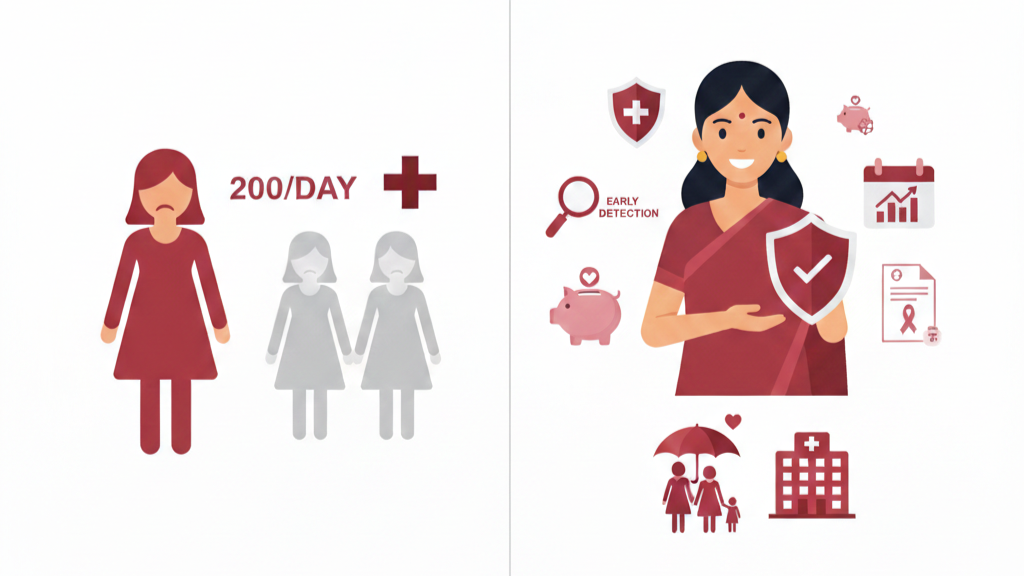
Every day, nearly 200 women in India lose their lives to cervical cancer.
This is not just a statistic—it represents mothers, daughters, sisters, friends, and colleagues whose lives were cut short by a disease that is largely preventable. Despite medical advances and growing awareness, cervical cancer continues to be one of the leading causes of cancer-related deaths among Indian women.
The good news is that with early prevention, timely screening, and financial preparedness, many of these lives can be saved. Understanding the role of vaccination, regular health check-ups, and the right health insurance coverage is a crucial step toward protecting women’s health and futures.
Cervical cancer develops slowly and often shows no noticeable symptoms in its early stages. It is most commonly caused by persistent infection with the human papillomavirus (HPV), a virus that spreads easily and often goes undetected.
Because early symptoms are subtle or absent, many women seek medical care only when the disease has progressed. At that stage, treatment becomes more complex, expensive, and emotionally draining. This delayed diagnosis is one of the key reasons cervical cancer continues to claim so many lives in India.
One of the most effective ways to fight cervical cancer is prevention. Simple, timely steps can dramatically reduce the risk.
The HPV vaccine protects against the virus responsible for most cervical cancer cases. It is most effective when given before exposure to the virus, which is why doctors recommend vaccination during adolescence. However, adult women can also benefit, depending on medical advice.
Wider acceptance and awareness of HPV vaccination can significantly reduce cervical cancer cases in the coming years. It is an investment not just in individual health, but in the health of future generations.
Screening tests such as Pap smears and HPV tests help detect abnormal changes in the cervix before they turn cancerous. Regular screening allows doctors to intervene early, when treatment is simpler and recovery chances are much higher.
Yet, many women in India skip routine screenings due to lack of awareness, hesitation, or cost concerns—barriers that can and should be addressed.
A cervical cancer diagnosis affects more than just physical health. It brings emotional distress, family disruption, and financial pressure. Treatment often involves surgery, chemotherapy, radiation, or a combination of these, requiring repeated hospital visits and extended care.
For families without financial preparation, the cost of treatment can be overwhelming. This is where health insurance becomes not just helpful, but essential.
Having the right health coverage ensures that financial constraints do not delay or limit treatment.
An individual health plan allows women to access quality healthcare independently, without relying solely on employer or family coverage. Such plans typically cover hospitalization, diagnostic tests, and treatments related to cancer, enabling timely medical intervention.
An individual plan also empowers women to prioritize preventive care, including regular screenings and consultations.
Cervical cancer is often included under critical illness policies, which provide a lump-sum payout upon diagnosis. This financial support can be used not only for treatment but also to manage related expenses such as travel, caregiving, or income loss during recovery.
Critical illness cover offers peace of mind during an already stressful time, allowing patients and families to focus on healing rather than finances.
Reducing cervical cancer deaths in India requires collective action—from individuals, families, healthcare providers, and policymakers. But change often begins at a personal level.
Here are a few proactive steps every woman can take:
Early action can prevent late regret.
The fact that 200 women die every day from cervical cancer is deeply concerning—but it is not inevitable. With awareness, prevention, and financial protection, many of these deaths can be avoided.
Vaccination protects, screening detects early, and health insurance supports timely treatment. Together, these measures form a strong safety net for women’s health.
By choosing prevention today and planning for tomorrow, we can move toward a future where cervical cancer no longer silently claims lives—and where every woman has the opportunity to live a healthier, fuller life
Cervical cancer remains common in India due to low awareness, limited screening, and delayed diagnosis. Many women do not undergo regular health check-ups, allowing the disease to progress unnoticed.
Yes, cervical cancer is largely preventable. HPV vaccination, regular cervical screening, and early medical intervention significantly reduce the risk of developing the disease.
The HPV vaccine is recommended primarily for adolescent girls, but adult women can also benefit. A doctor can advise on eligibility based on age and medical history.
Most comprehensive health insurance policies cover hospitalization, diagnostics, and treatment costs related to cervical cancer. Coverage details may vary depending on the policy.
An individual health plan provides independent coverage tailored to a woman’s healthcare needs, ensuring timely access to treatment and preventive services without financial dependence.
Yes, cervical cancer is usually included under critical illness policies. These plans provide a lump-sum payout upon diagnosis, which can help manage treatment and recovery-related expenses.
Young and healthy? Find out which of these plans rewards you with lower premiums. Click here to check now!

Paybima Team
Paybima is an Indian insurance aggregator on a mission to make insurance simple for people. Paybima is the Digital arm of the already established and trusted Mahindra Insurance Brokers Ltd., a reputed name in the insurance broking industry with 21 years of experience. Paybima promises you the easy-to-access online platform to buy insurance policies, and also extend their unrelented assistance with all your policy related queries and services.

 Jan 08, 2025
Health Insurance
Jan 08, 2025
Health Insurance
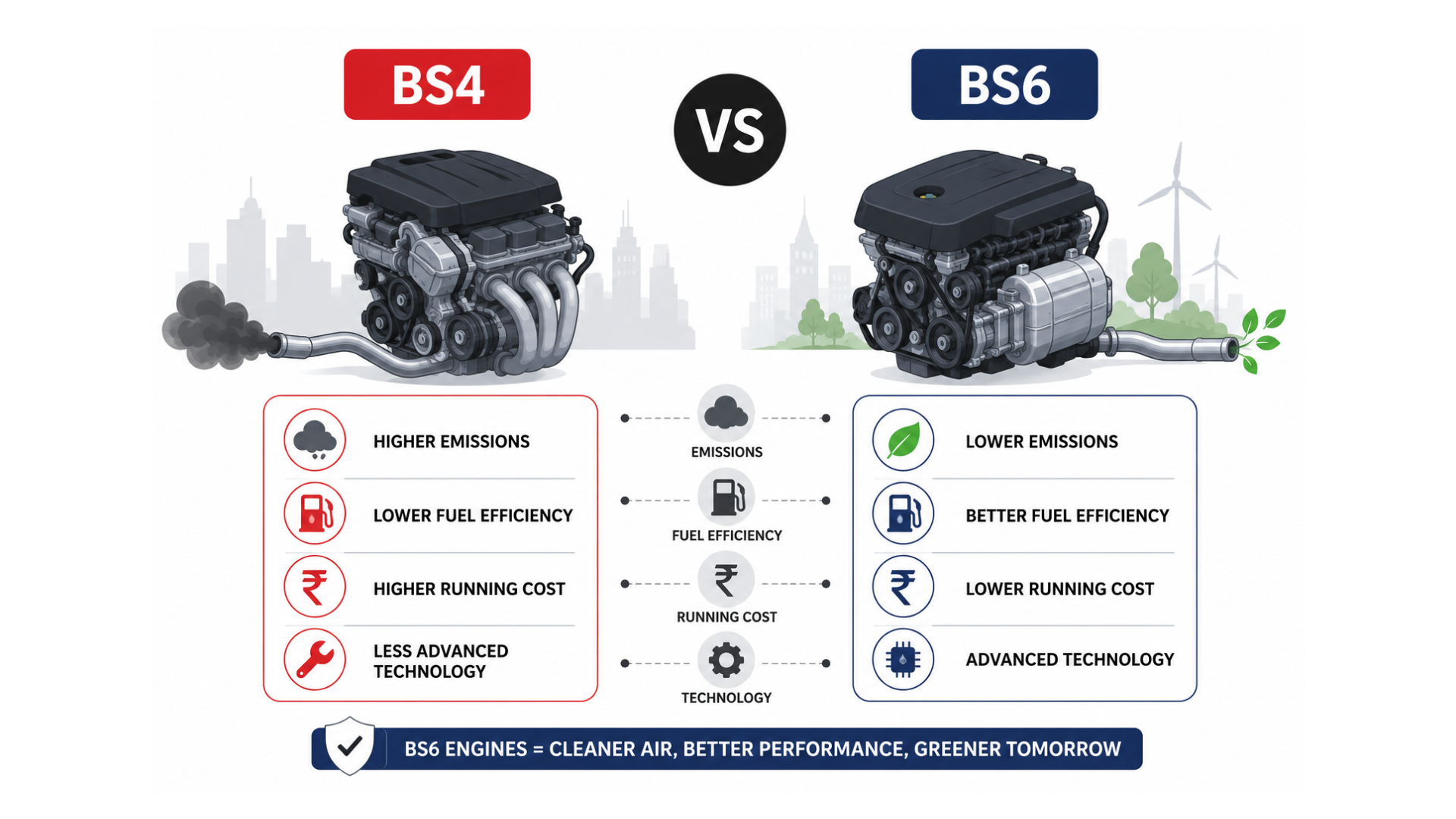
The Indian automobile industry has undergone one of its biggest technological upgrades with the shift from BS4 (Bharat Stage IV) to BS6 (Bharat Stage VI) emission norms.

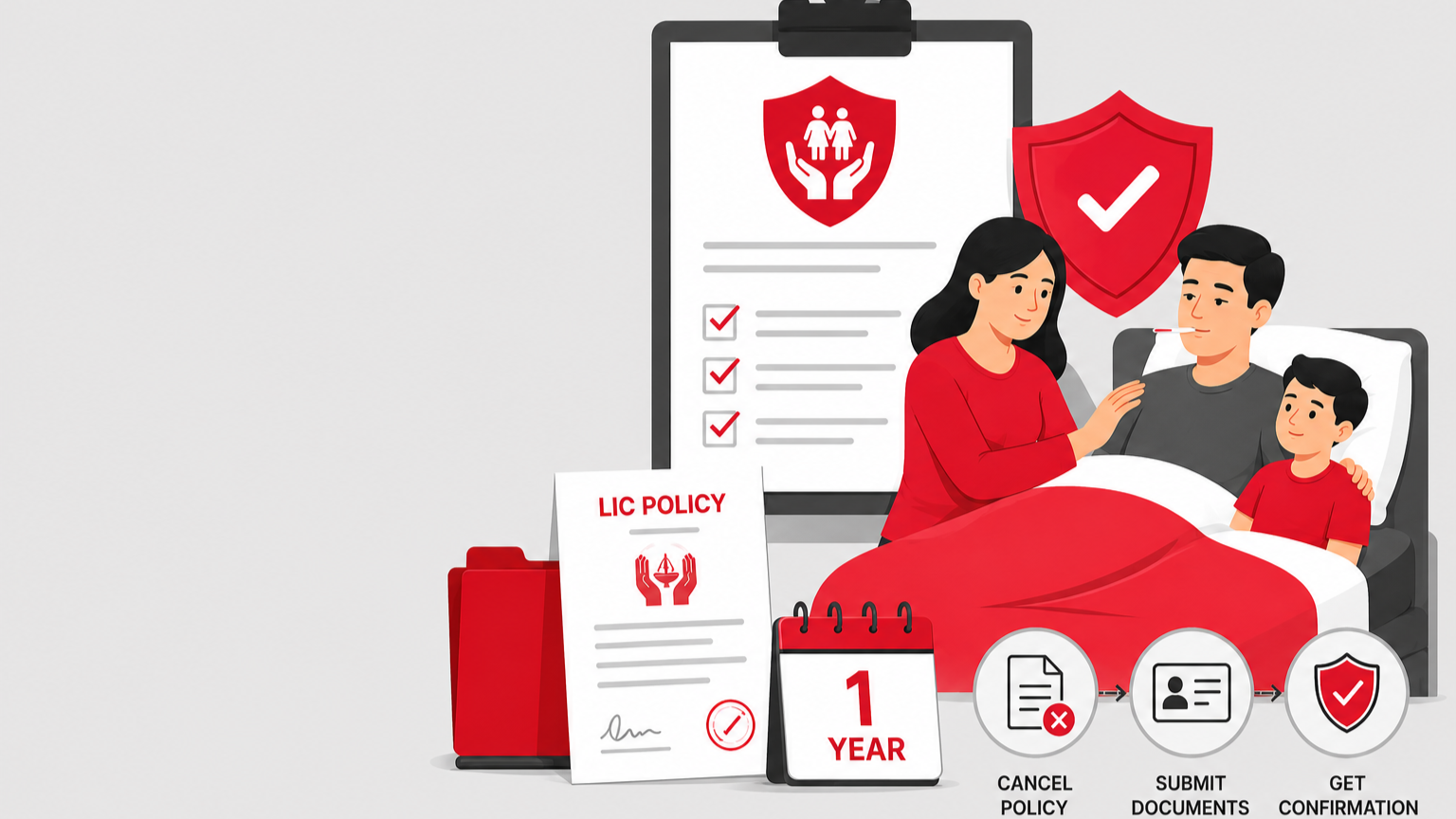
Many policyholders find themselves reconsidering their life insurance purchases within the very first year. It is a common situation: a plan is bought quickly during tax-saving season or under pressure from a relative or agent, without fully understanding its long-term terms and locked-in parameters.
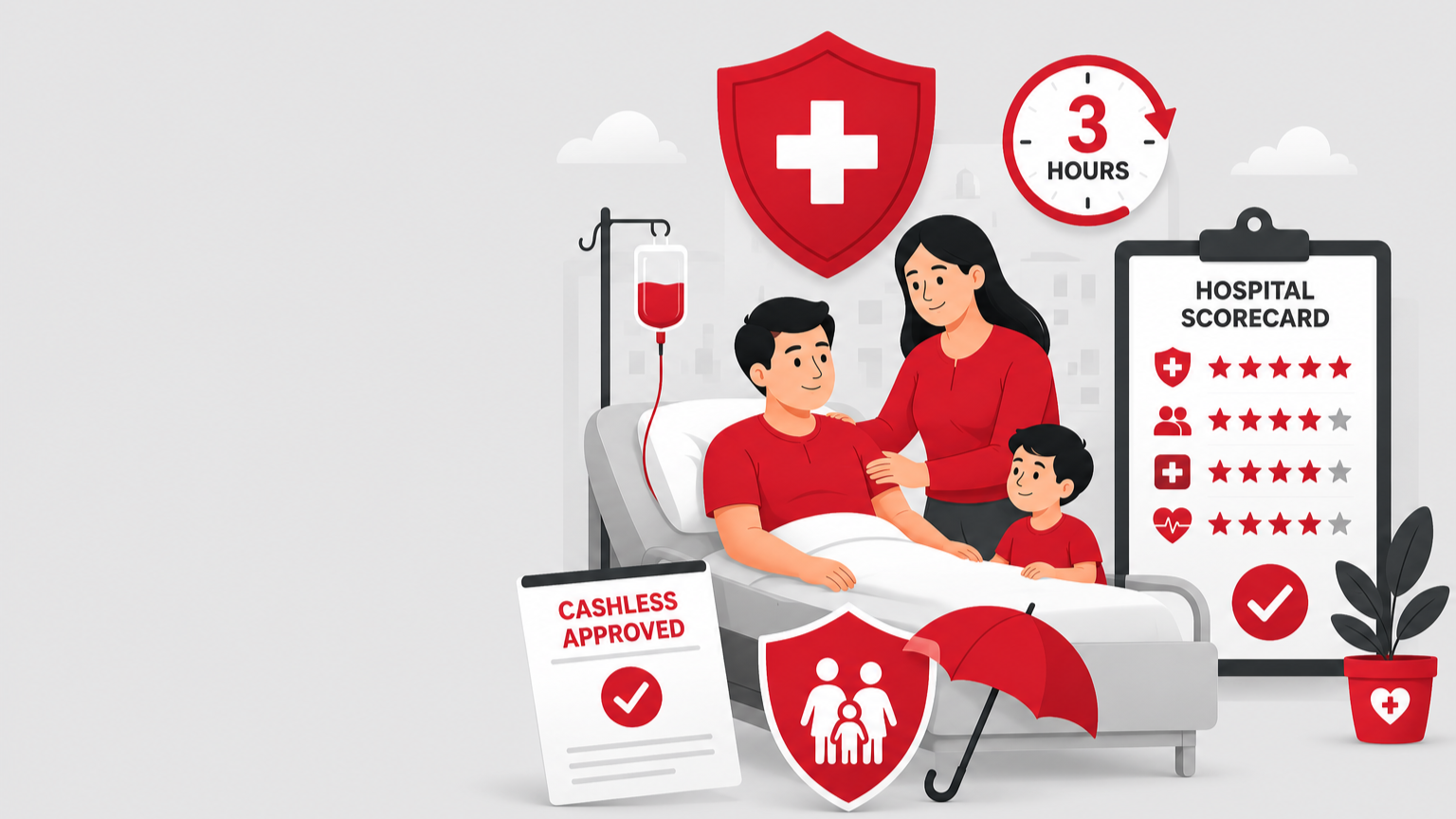
There is a specific kind of frustration that only a hospital billing desk can produce. Your doctor visits your room at 9:00 AM, checks your vitals, and smiles: "You are fit for discharge! You can go home today." You pack your bags, call your family, and get ready to leave.
With each passing year, as people tend to grow older, the constant anxiety of having age-related and other diseases scares them. Further, the increasing cost of medical treatment is another scary situation that most people dread. In such a situation, having a life insurance policy is a must to ensure safety from the frequent costs of medical treatment and hospitalization that an individual or a family might suffer. India has several health insurance providers offering good and comprehensive policies. In this post, let us discuss them to help you buy the best policy.

Getting a traffic challan is no longer a complicated process to manage. With the digitization of transport services, vehicle owners can now easily check pending challans, verify traffic violations, and make payments online within minutes.

By clicking the button, I authorize Paybima advisor to contact me via SMS, Email, Phone, WhatsApp or any other modes overriding my 'DND'.T&C Apply.
By clicking the button, I authorize Paybima advisor to contact me via SMS, Email, Phone, WhatsApp or any other modes overriding my 'DND'.T&C Apply.

