


Related Articles
.png)
 Jan 08, 2025
Is Varicose Vein surgery covered under the health insurance policy in India
 Health Insurance
.png)

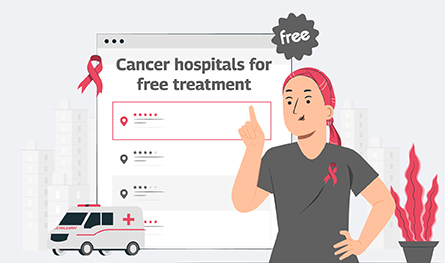
A comprehensive 2026 guide for Indians on finding affordable cancer care, understanding early symptoms, prevention tips, and the importance of super top health plans.
Here are the key takeaways in simple, short pointers:
Free or low-cost cancer treatment is available in India through Ayushman Bharat (up to ₹5 lakh coverage per family per year).
Top hospitals like Tata Memorial Hospital (Mumbai, near Bhayandar), AIIMS Delhi, and Regional Cancer Centres offer excellent care at little or no cost for eligible patients.
Many cancers (30-50%) can be prevented by quitting tobacco, limiting alcohol, eating healthy, staying active, getting vaccinated (HPV & Hepatitis B), and protecting from sun/pollution.
Watch for early signs like unexplained weight loss, constant tiredness, lumps, ongoing pain, skin changes, blood in urine/stool, or long cough—see a doctor if they last 2-3 weeks.
Early screening and check-ups (free/low-cost via government programs) catch cancer sooner and improve chances of recovery.
Government schemes help a lot, but private health insurance adds extra protection: higher coverage, cashless treatment, lump-sum payout (critical illness plans), and support for advanced or extra costs.
Many top hospitals treat cancer patients for free or at low cost if they qualify under these schemes. Government-run centers often provide the best options for affordable care. Private hospitals also join these programs to help more people.
Here is an updated list of 21 leading cancer hospitals in India known for offering free or highly subsidized treatment (mostly government-supported or empanelled under schemes like Ayushman Bharat in 2025-2026).
| No. | Hospital Name | City / Location | State | Key Notes / Why It's Top for Free/Subsidized Care |
|---|---|---|---|---|
| 1 | Tata Memorial Hospital | Mumbai | Maharashtra | Leading hub under Tata Memorial Centre; heavily subsidized; high-volume care, research; free for many under schemes. |
| 2 | All India Institute of Medical Sciences (AIIMS) – Dr. B.R.A. Institute Rotary Cancer Hospital | New Delhi | Delhi | Premier government institute; comprehensive care; free/highly subsidized via Ayushman Bharat and central funds. |
| 3 | Regional Cancer Centre (RCC) | Thiruvananthapuram | Kerala | Regional Cancer Centre; free/low-cost for many; advanced facilities, research; strong state support. |
| 4 | Kidwai Memorial Institute of Oncology | Bengaluru | Karnataka | Government regional centre; subsidized treatments including chemo/radiation; aid for low-income patients. |
| 5 | Cancer Institute (WIA) – Adyar Cancer Institute | Chennai | Tamil Nadu | Well-known for affordable care; subsidized/free options; one of the oldest dedicated cancer centres. |
| 6 | Chittaranjan National Cancer Institute | Kolkata | West Bengal | Government-supported; low-cost comprehensive care; part of national network. |
| 7 | Homi Bhabha Cancer Hospital | Varanasi | Uttar Pradesh | Tata Memorial Centre unit; subsidized; focuses on eastern UP patients. |
| 8 | Dr. B. Borooah Cancer Institute | Guwahati | Assam | Regional centre; free/subsidized for Northeast; government-backed. |
| 9 | Homi Bhabha Cancer Hospital & Research Centre | Visakhapatnam | Andhra Pradesh | Tata Memorial network; affordable advanced care; empanelled under schemes. |
| 10 | Mahamana Pandit Madanmohan Malviya Cancer Centre | Varanasi | Uttar Pradesh | Linked to Tata Memorial; subsidized treatment in North India. |
| 11 | Post Graduate Institute of Medical Education and Research (PGIMER) | Chandigarh | Chandigarh | Top government institute; free/subsidized oncology; high-quality care. |
| 12 | Jawaharlal Institute of Postgraduate Medical Education and Research (JIPMER) | Puducherry | Puducherry | Central government; low-cost/free for eligible; strong cancer department. |
| 13 | Sanjay Gandhi Postgraduate Institute of Medical Sciences (SGPGIMS) | Lucknow | Uttar Pradesh | Government super-specialty; subsidized cancer care; empanelled. |
| 14 | Gujarat Cancer & Research Institute (GCRI) | Ahmedabad | Gujarat | Regional centre; low-cost/free for many; government and society support. |
| 15 | Acharya Harihar Regional Cancer Centre | Cuttack | Odisha | State regional centre; subsidized/free treatment; focuses on eastern India. |
| 16 | Mahavir Cancer Institute & Research Centre | Patna | Bihar | Affordable options; empanelled under schemes; helps low-income patients. |
| 17 | Bhagwan Mahaveer Cancer Hospital & Research Centre | Jaipur | Rajasthan | Subsidized care; charity and government support; empanelled. |
| 18 | Kamala Nehru Memorial Hospital (Cancer focus) | Allahabad (Prayagraj) | Uttar Pradesh | Known for cancer services; low-cost/free under aid; government-linked. |
| 19 | Tata Memorial Centre – ACTREC | Navi Mumbai | Maharashtra | Tata network; research-focused; subsidized for eligible. |
| 20 | Assam Cancer Care Foundation / State Cancer Institute | Guwahati / Various | Assam | Expanding network; free/subsidized via state and central schemes. |
| 21 | Rajiv Gandhi Cancer Institute & Research Centre (select cases) | Delhi | Delhi | Private but empanelled under Ayushman Bharat; free for cardholders in covered packages. |
Note: Always check eligibility on the official Ayushman Bharat portal (nha.gov.in) or at the hospital. For people in Bhayandar, Maharashtra, Tata Memorial Hospital in Mumbai is a top and nearby choice for subsidized care.
Cancer happens when body cells grow out of control. Many things can raise the risk, but not everyone with these risks gets cancer. Common causes include:
Latest info shows up to 40% of cancers worldwide (and similar in India) could be prevented by avoiding these risks.
Cancer symptoms can vary a lot depending on the type of cancer and where it is in the body. Many signs are common and can be caused by other health issues that are not cancer. However, if any of these last for more than a few weeks, keep coming back, or feel unusual for you, it is important to see a doctor right away. Early checks can make a big difference.
Here are some of the most common general symptoms of cancer, explained in simple words:
Unexplained weight loss — Losing 4-5 kg or more without trying, through diet or exercise.
Extreme fatigue or tiredness — Feeling very weak and exhausted all the time, even after rest or sleep. It does not go away easily.
Persistent fever or night sweats — Fever that keeps coming back, especially at night, or heavy sweating while sleeping without a clear reason like infection.
Pain that does not go away — Ongoing pain in any part of the body, like back, bones, head, or belly, that lasts for weeks and has no obvious cause.
Lumps or swelling — A new lump, thickening, or swelling anywhere, such as in the breast, neck, underarm, testicles, or other areas. It may feel hard or painless.
Skin changes — New spots, moles that change in size/color/shape, sores that do not heal, yellowing of skin (jaundice), redness, darkening, or unusual rashes.
Changes in bowel or bladder habits — Long-term diarrhea, constipation, narrower stools, blood in stool or urine, or more/less frequent urination without reason.
Persistent cough or trouble breathing — A cough that lasts for weeks, coughing up blood, hoarseness in voice, or shortness of breath that does not improve.
Difficulty swallowing or eating problems — Trouble swallowing food, feeling like food gets stuck, ongoing indigestion, belly pain, nausea, vomiting, or loss of appetite.
Unexplained bleeding or bruising — Bleeding from unusual places, like in urine, stool, cough, vaginal bleeding after menopause, or easy bruising/bleeding without injury.
Other changes — For women: breast lumps, nipple changes, or discharge (not milk). For men: changes in testicles. Also, ongoing bloating, headaches that are new and severe, or mouth sores that do not heal.
Remember: These signs do not always mean cancer. Many are caused by simple problems like infections, stress, or other conditions. But do not ignore them — talk to a doctor for tests or screening. In India, you can start with a government hospital or use Ayushman Bharat for free/low-cost checks if eligible.
If you notice any of these for more than 2-3 weeks, get checked early. Awareness and quick action save lives.
You can't prevent every case of cancer, but research shows that 30-50% of cancers worldwide — and a similar share in India — can be avoided through lifestyle changes and smart choices. Organizations like the World Health Organization (WHO), American Cancer Society (ACS) (with guidelines updated through 2025-2026), and India's ICMR (Indian Council of Medical Research) emphasize that small, daily habits make a big difference. Up to 40% of cancers link to things we can control, like tobacco use, diet, and activity levels.
Here are the main ways to lower your cancer risk, explained simply and based on the latest reliable advice:
Tobacco (smoking cigarettes, bidis, or chewing gutka/paan masala) is the top cause of many cancers, including lung, mouth, throat, and more. In India, tobacco causes a large number of oral and lung cancers.
Stop all forms — even secondhand smoke harms.
Quitting at any age helps; the sooner, the better. Use help like counseling, nicotine patches, or government quitlines (like 1800-11-2356 in India).
This single step can cut your risk dramatically.
Drinking too much alcohol raises the risk of cancers in the mouth, throat, liver, breast, and colon.
Best choice: No alcohol at all for lowest risk.
If you drink, keep it very low (no more than 1 drink per day for women, 2 for men — but less is better).
Being overweight or obese increases risk for 13+ types of cancer, like breast, colon, endometrial, and kidney.
Aim for a healthy BMI (18.5-24.9). Avoid extra weight gain as an adult.
Balance calories from food with daily activity.
Regular exercise helps control weight and lowers risk for many cancers (colon, breast, etc.).
Adults: Get at least 150-300 minutes of moderate activity per week (like brisk walking, cycling) or 75-150 minutes of vigorous activity (running, fast swimming), or a mix.
More is better — aim for the higher end if possible.
Reduce sitting time; even light movement helps.
Focus on plant-based foods and cut down on processed items.
Eat plenty of fruits, vegetables, whole grains, and legumes (dal, beans).
Limit red meat, processed meats (like sausages, bacon), sugary drinks, and salty/processed foods.
In India, include protective foods like turmeric, garlic, green tea, and fresh produce. Follow guidelines like those from ICMR-NIN for more veggies/fruits and less oily/spicy processed food.
Avoid very hot drinks/foods that can harm the mouth/throat.
Too much UV radiation causes skin cancer.
Use sunscreen (SPF 30+), wear protective clothes, hats, and sunglasses.
Avoid tanning beds completely.
Seek shade during peak sun hours (10 AM - 4 PM).
Some viruses cause cancer:
HPV vaccine prevents most cervical cancers (and some throat/oral cancers). Get it for girls/boys (ideally ages 9-14, but up to 26+ in some cases). In India, it's available and recommended.
Hepatitis B vaccine prevents liver cancer from chronic infection. Get vaccinated if not already.
Limit contact with cancer-causing chemicals at work (like asbestos, certain dyes).
Reduce air pollution exposure where possible (use masks in high-pollution areas).
Avoid unnecessary X-rays or radiation.
Screening finds problems early or prevents cancer (like removing polyps in colon).
Follow age-based checks: Mammograms for breast (from 45-50+), Pap/HPV tests for cervical (from 21-30+), colon tests (from 45+), etc.
In India, use government programs or Ayushman Bharat for free/low-cost screenings at hospitals like Tata Memorial or AIIMS.
Talk to a doctor about what fits your age, family history, and risks.
Tobacco and oral cancers are very common here — avoid gutka, paan, supari.
Infections like HPV and Hepatitis are key risks; vaccinate and practice safe habits.
ICMR studies show 1 in 9 Indians may face cancer in their lifetime, but lifestyle changes can prevent many cases.
Cancer treatment in India can be very expensive. Early-stage treatment often costs ₹5–7 lakh, while advanced or complex cases can go up to ₹20–30 lakh or more. This includes hospital stays, surgery, chemotherapy, radiation, targeted therapies, medicines, and follow-up care. Many families face big financial stress, sometimes even debt or selling assets.
This is where private health insurance becomes very useful. It works alongside government help or fills the gaps when government schemes fall short. Here's how health insurance benefits people facing cancer:
Private plans pay for hospitalization, surgery, chemo, radiation, targeted/immunotherapy, and even some advanced treatments. Many offer higher sum insured (₹10–50 lakh or more), which is often needed for full care. Recent data from 2025-2026 shows a minimum of ₹15–25 lakh coverage is recommended for comprehensive protection, especially in advanced stages.
You get treatment without paying upfront at network hospitals (cashless facility). This includes top private cancer centers, giving more choices for faster or specialized care compared to only government options.
A critical illness plan pays a big one-time amount (like 50–100% of sum insured) when cancer is diagnosed. You can use this money freely — for treatment, travel to hospitals, lost income, home care, or family needs. This is extra helpful because cancer often means time off work.
No sub-limits on room rent or specific treatments in many plans.
No-claim bonus increases coverage over time.
Covers pre- and post-hospitalization expenses (tests, medicines before/after stay).
Some plans offer second opinions, wellness check-ups, or palliative care.
Tax benefits under Section 80D.
Individual health plan or family floater: Covers cancer as part of general hospitalization (after waiting period, usually 2–4 years for pre-existing, but new diagnoses covered sooner).
Critical illness plan: Lump-sum on diagnosis of cancer or other serious illnesses; great for quick financial help.
Super top health plan (super top-up): Adds extra coverage on top of basic insurance or government schemes for high costs.
Best health insurance for cancer: Look for ones with no sub-limits, wide network, high sum insured, and cancer-specific add-ons (like from Star Health, Niva Bupa, HDFC ERGO, Bajaj Allianz, or Aditya Birla). Specialized cancer plans exist too, covering multiple stages.
Ayushman Bharat is excellent for eligible families and reduces out-of-pocket costs a lot. But private insurance adds:
Higher limits for long or expensive treatments.
Faster access to private hospitals.
Coverage for things not in government packages (like advanced drugs or home care).
Protection if you're not eligible for Ayushman or want extra security.
Buy early — most plans have waiting periods for pre-existing conditions.
Compare plans for cancer coverage, claim settlement ratio, and network hospitals.
For people in Bhayandar, Maharashtra, check nearby options like Tata Memorial (empanelled under Ayushman) and add private cover for extras.
Recent changes (like Union Budget 2026 exemptions on some cancer medicines) help lower costs, but insurance still protects against big bills.
Health insurance doesn't prevent cancer, but it lets you focus on getting better instead of worrying about money. It brings peace of mind during a tough time. Talk to an advisor or check online portals to find the right plan for your family. Stay healthy and plan ahead!
Cancer treatment in India is not always completely free. Government cancer hospitals, regional cancer centres, and trust-run institutions may offer free treatment to eligible patients, usually based on income criteria or government health schemes. Private hospitals generally provide subsidised treatment or accept health insurance and government scheme coverage rather than offering fully free care.
Hospitals such as Tata Memorial Hospital (Mumbai), Regional Cancer Centres (RCCs), Kidwai Memorial Institute of Oncology, Gujarat Cancer Research Institute, and Cancer Institute (WIA), Chennai are known to offer free or highly subsidised cancer treatment for eligible patients.
Most private hospitals do not provide completely free cancer treatment. However, many reputed private hospitals offer financial assistance programs, charity funds, subsidised treatment, or cashless services under health insurance or Ayushman Bharat (PM-JAY).
Yes, Ayushman Bharat Pradhan Mantri Jan Arogya Yojana (PM-JAY) covers several cancer treatments, including chemotherapy, surgery, and radiation therapy, subject to scheme guidelines and hospital empanelment.
Free or subsidised treatment may not cover advanced therapies, diagnostics, medicines, prolonged hospital stays, or post-treatment care. A comprehensive health insurance plan ensures uninterrupted treatment, wider hospital access, and financial security during long-term care.
Critical illness insurance provides a lump-sum payout upon cancer diagnosis, which can be used for treatment, household expenses, travel, or income loss. This benefit is paid regardless of hospital bills and is especially useful during long cancer treatment cycles.
Typically, patients may need:
Requirements may vary by hospital and state.
Young and healthy? Find out which of these plans rewards you with lower premiums. Click here to check now!

Paybima Team
Paybima is an Indian insurance aggregator on a mission to make insurance simple for people. Paybima is the Digital arm of the already established and trusted Mahindra Insurance Brokers Ltd., a reputed name in the insurance broking industry with 21 years of experience. Paybima promises you the easy-to-access online platform to buy insurance policies, and also extend their unrelented assistance with all your policy related queries and services.

 Jan 08, 2025
Health Insurance
Jan 08, 2025
Health Insurance
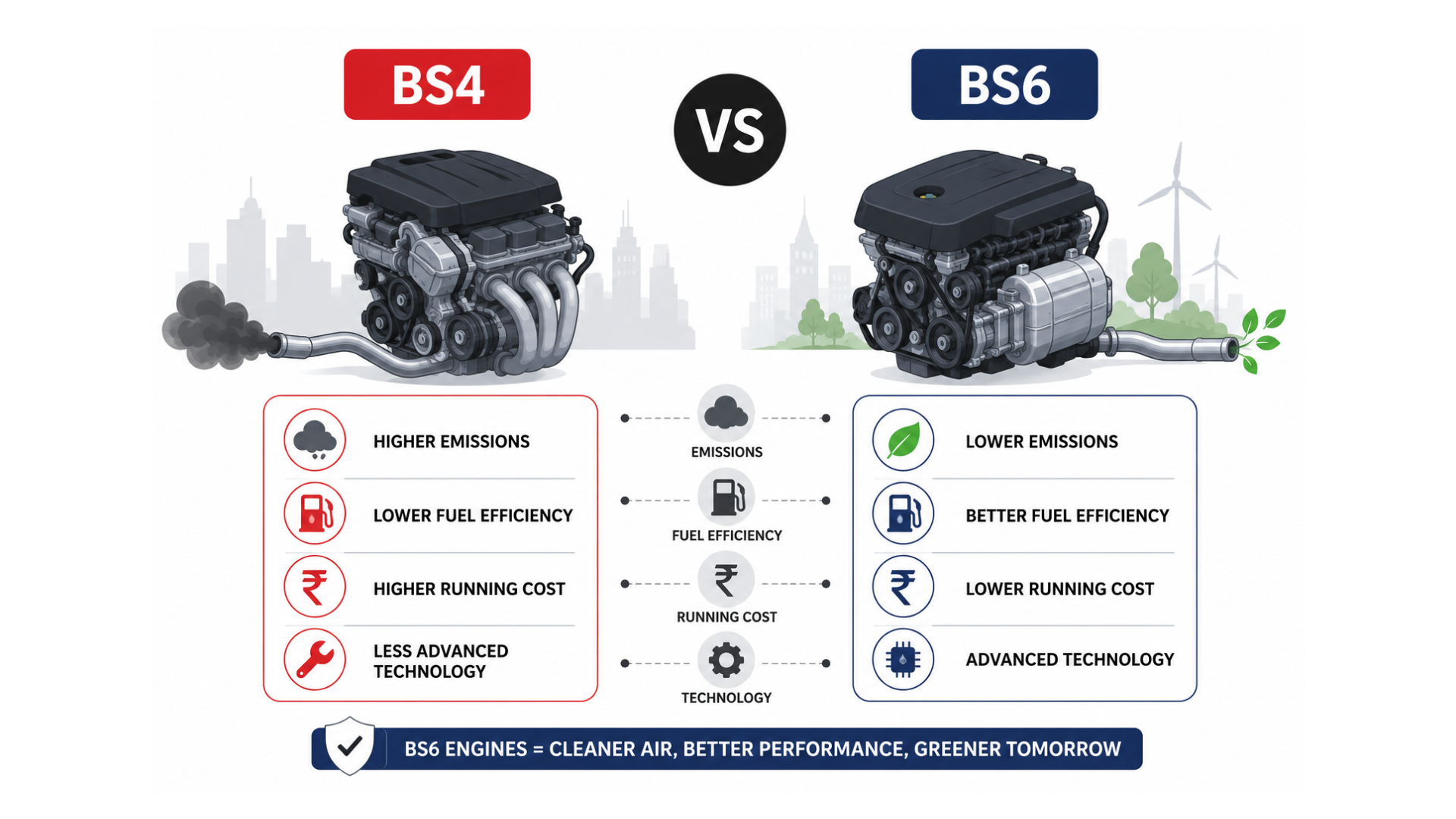
The Indian automobile industry has undergone one of its biggest technological upgrades with the shift from BS4 (Bharat Stage IV) to BS6 (Bharat Stage VI) emission norms.

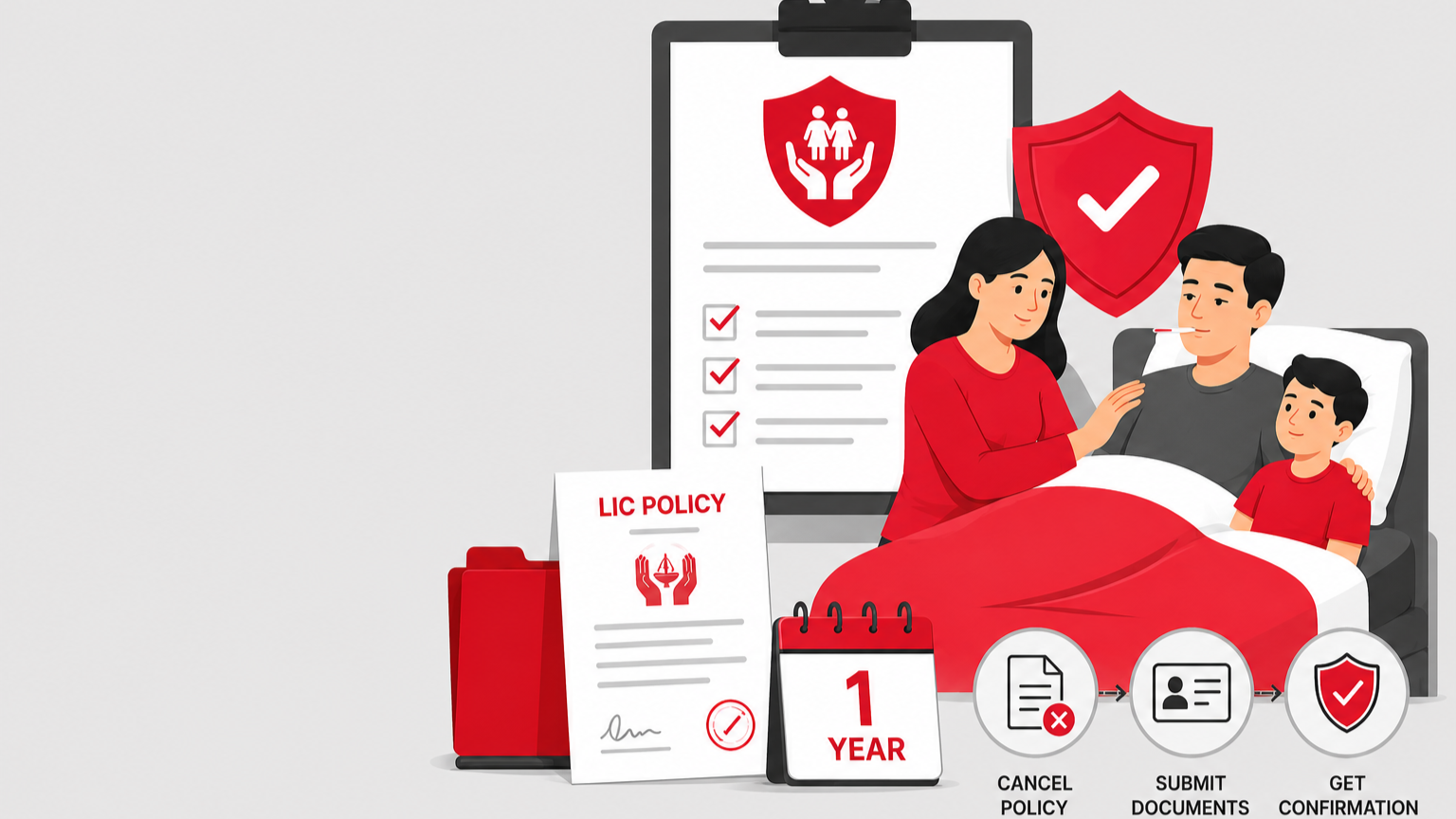
Many policyholders find themselves reconsidering their life insurance purchases within the very first year. It is a common situation: a plan is bought quickly during tax-saving season or under pressure from a relative or agent, without fully understanding its long-term terms and locked-in parameters.
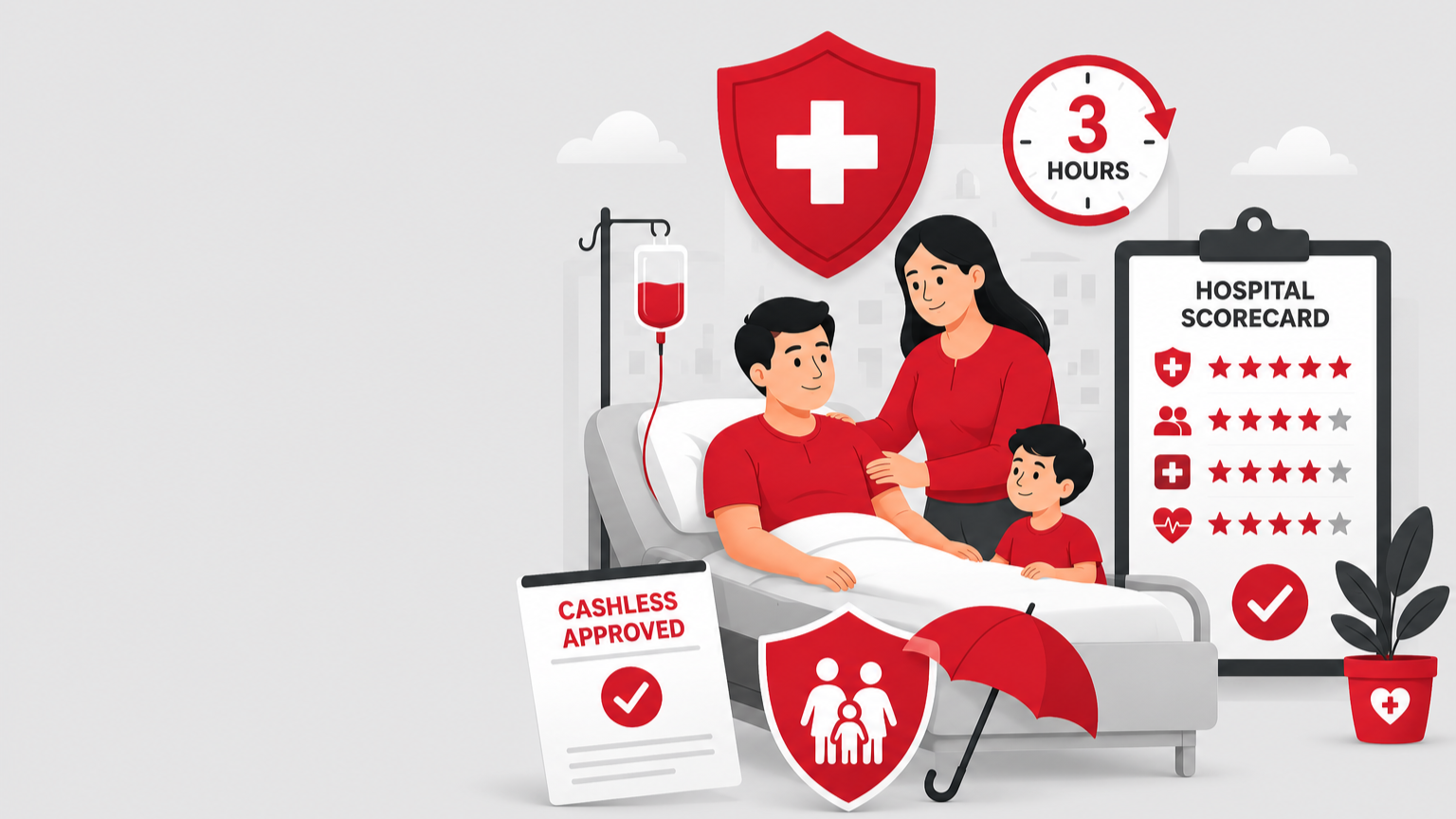
There is a specific kind of frustration that only a hospital billing desk can produce. Your doctor visits your room at 9:00 AM, checks your vitals, and smiles: "You are fit for discharge! You can go home today." You pack your bags, call your family, and get ready to leave.
With each passing year, as people tend to grow older, the constant anxiety of having age-related and other diseases scares them. Further, the increasing cost of medical treatment is another scary situation that most people dread. In such a situation, having a life insurance policy is a must to ensure safety from the frequent costs of medical treatment and hospitalization that an individual or a family might suffer. India has several health insurance providers offering good and comprehensive policies. In this post, let us discuss them to help you buy the best policy.
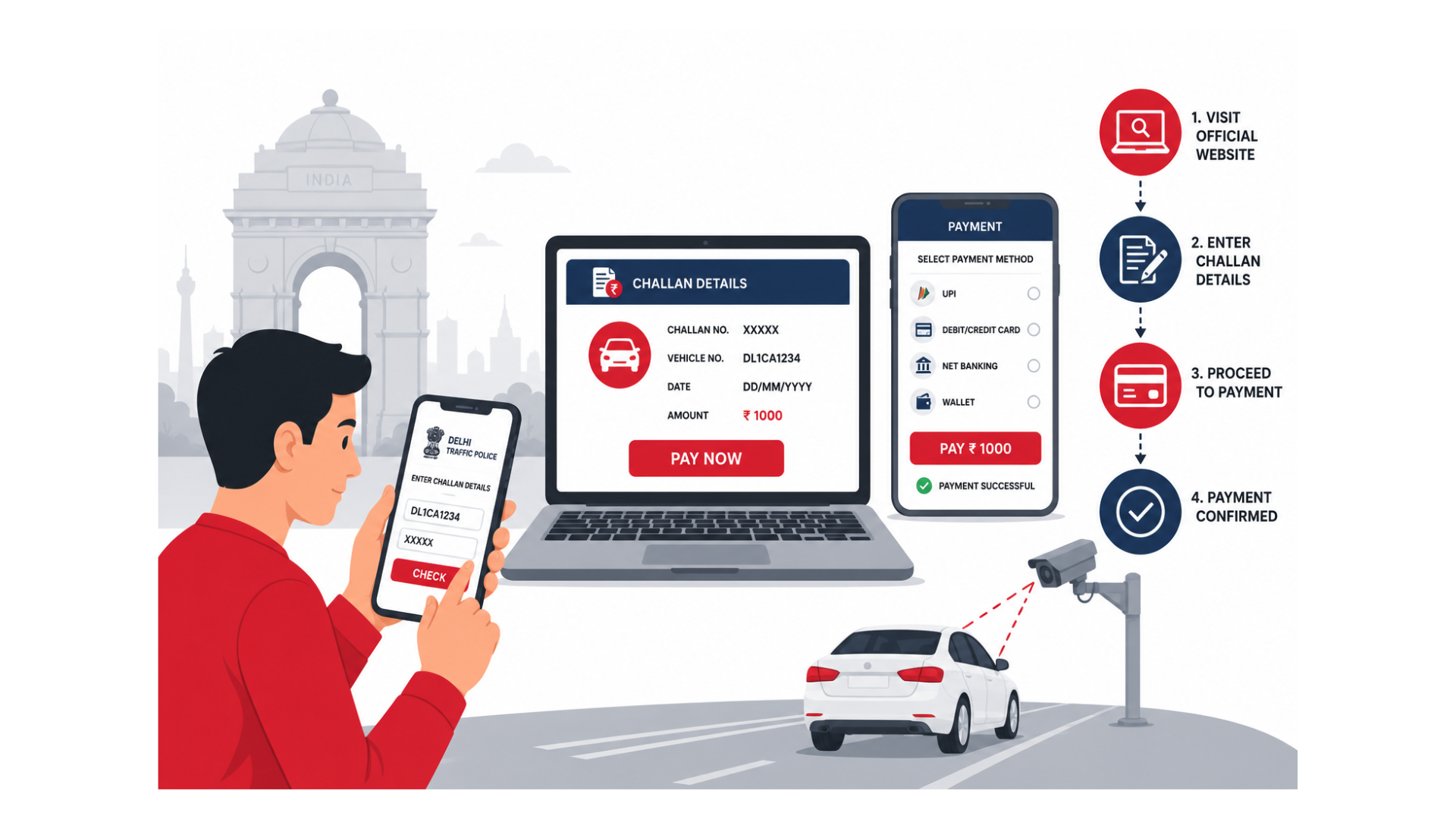
Getting a traffic challan is no longer a complicated process to manage. With the digitization of transport services, vehicle owners can now easily check pending challans, verify traffic violations, and make payments online within minutes.

By clicking the button, I authorize Paybima advisor to contact me via SMS, Email, Phone, WhatsApp or any other modes overriding my 'DND'.T&C Apply.
By clicking the button, I authorize Paybima advisor to contact me via SMS, Email, Phone, WhatsApp or any other modes overriding my 'DND'.T&C Apply.

