


Related Articles
.png)
 Jan 08, 2025
Is Varicose Vein surgery covered under the health insurance policy in India
 Health Insurance
.png)

.png)
When you buy Health Insurance, you are not just buying a policy; you are buying a promise. Promise that when life throws a lemon, you can make lemonade out of it. Your insurer will stand by you and honour that commitment. But how can you know if those promises are trustworthy? For that, one of the most important indicators to check is the Claim Settlement Ratio (CSR).
In this article, we will explain what CSR is, why it matters and how it reflects insurance credibility, not just for health insurance but across all insurance types, including life insurance and even term insurance. We will also reference reliable sources to help you make an informed decision.
At its core, the Claim Settlement Ratio (CSR) represents the proportion of claims the insurer has successfully paid out compared to the total number of claims received in a given financial year. It is expressed as a percentage, and the higher the number, the more claims the insurer has honoured. The formula used is:
Claim Settlement Ratio = ( Total Claim Settled/ Total Claims Received) × 100
For example, if an insurer receives a thousand Health Insurance claims in a year and settles 980 of them, its CSR would be 98%.
This simple percentage packs a powerful message. The ratio indicates that the insurance company delivers on its promise.
Health Insurance is supposed to be your safety net when you are most vulnerable, during illness or hospitalisation. A consistently high claim settlement ratio shows that an insured has a solid track record of honouring claims rather than rejecting them arbitrarily. This is an important indicator of trustworthiness. For many policyholders, the CSR is a pointer to how likely it is that their own claim will be honoured when needed.
Imagine spending years paying premiums only to face claim complications when you need funds the most. High CSR offers peace of mind; it means you can breathe easy knowing your insurer has successfully settled most claims in the past. This emotion is a major reason why CSR is often a first filter when selecting a Health Insurance provider.
When choosing among Health Insurance, comparing CSR values helps you separate statistically stronger performers from weaker ones. A company that settles 98% of claims today is more appealing than one with a much lower percentage, all else being equal.
However, CSR should not be the only indicator; it should be an instrumental one among others, such as network size, service speed, and customer reviews.
A one-year CSR can mislead you. An insurer may show a high ratio in a light claim year and drop the following year. You get a clearer picture when you check CSR across 3–5 years. Look for steady performance, not spikes. Consistent ratios signal that the insurer pays claims reliably in good and tough years. You should treat long-term patterns as your trust marker, not one isolated number.
Although it is vital, it has its limits. A high ratio does not necessarily imply:
Therefore, combine CSR with other metrics, such as complaint ratio, service turnaround times, and incurred claim ratios, to get a full picture of an insurer's performance.
It shows how much of the premium the insurer spends on claims.
What does it mean?
A very low ICR can mean strict approvals. A very high ICR can mean premium pressure later.
Tip: Look for balance + consistency.
Check how fast the insurer pays after document submission.
Tip: Aim for settlement within 3 months for most health claims.
Prefer insurers that show claim decisions in under 3 months, consistently year on year.
Tip: Long delays are often linked to poor document filing or complex approvals.
You keep discharge summaries, investigation reports, bills, and doctor notes complete.
Tip: You submit everything together to reduce back-and-forth.
A.Track both CSR and ICR trends over 3–5 years.
B.Ask the expert from Paybima to validate hospital network strength and claim process flow before you buy.
So, at the end, choosing the right Health Insurance family plan, senior citizen plan, or individual policy means balancing several factors like coverage and benefits, premium amount, network hospitals, incurred claim ratio, claim settlement ratio and customer service quality and reviews.
Young and healthy? Find out which of these plans rewards you with lower premiums. Click here to check now!

Paybima Team
Paybima is an Indian insurance aggregator on a mission to make insurance simple for people. Paybima is the Digital arm of the already established and trusted Mahindra Insurance Brokers Ltd., a reputed name in the insurance broking industry with 21 years of experience. Paybima promises you the easy-to-access online platform to buy insurance policies, and also extend their unrelented assistance with all your policy related queries and services.

 Jan 08, 2025
Health Insurance
Jan 08, 2025
Health Insurance
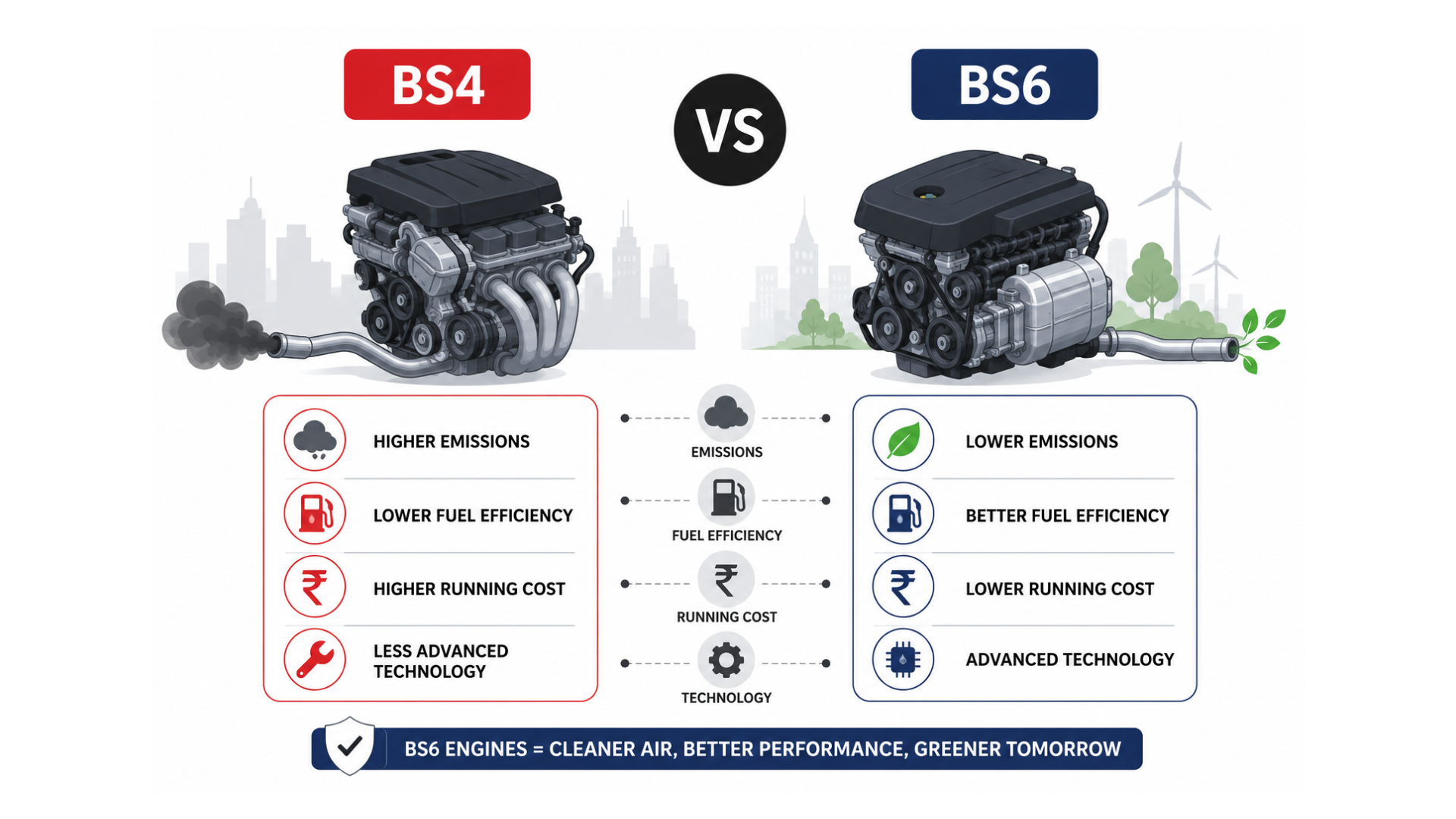
The Indian automobile industry has undergone one of its biggest technological upgrades with the shift from BS4 (Bharat Stage IV) to BS6 (Bharat Stage VI) emission norms.

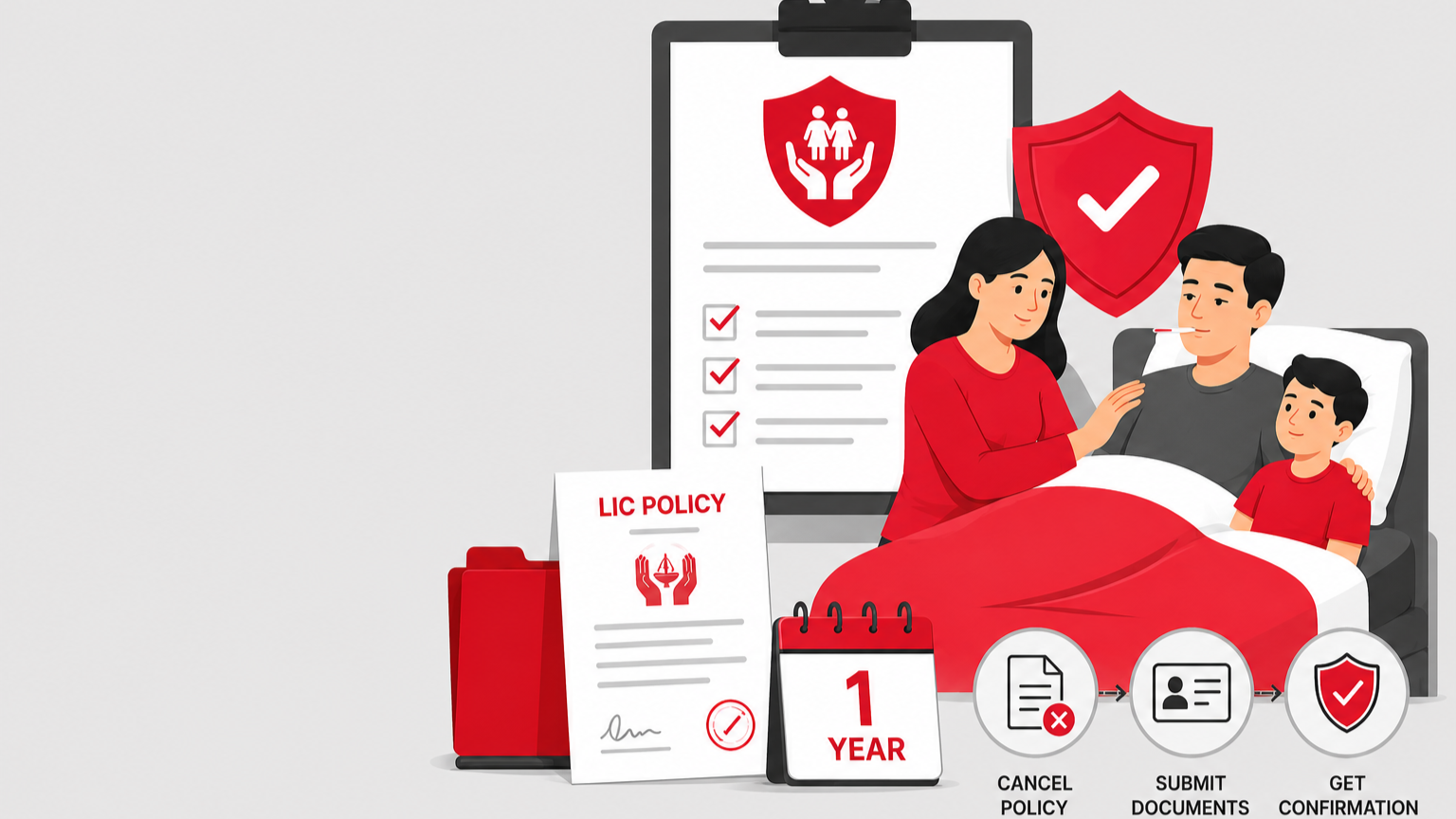
Many policyholders find themselves reconsidering their life insurance purchases within the very first year. It is a common situation: a plan is bought quickly during tax-saving season or under pressure from a relative or agent, without fully understanding its long-term terms and locked-in parameters.
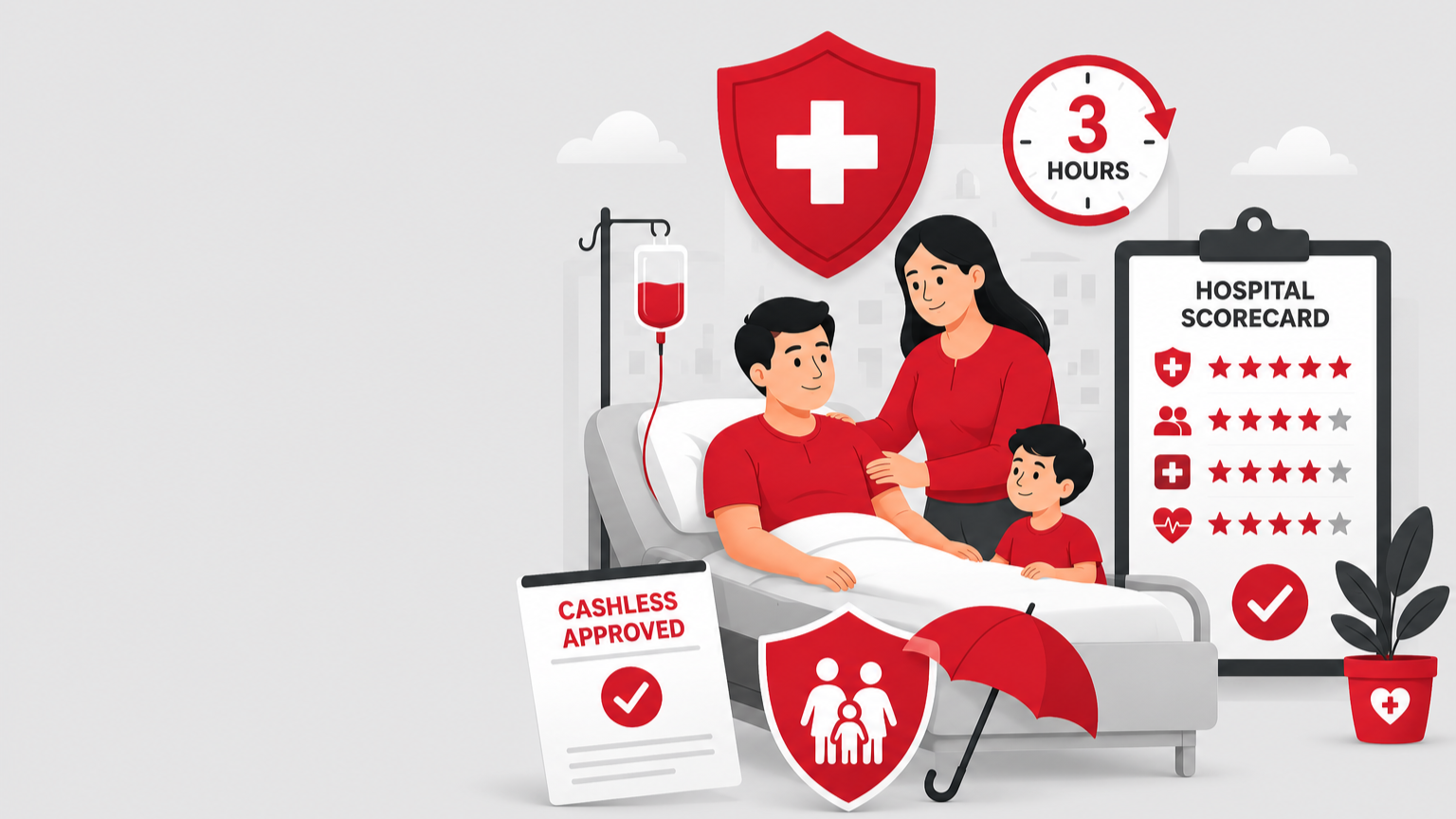
There is a specific kind of frustration that only a hospital billing desk can produce. Your doctor visits your room at 9:00 AM, checks your vitals, and smiles: "You are fit for discharge! You can go home today." You pack your bags, call your family, and get ready to leave.
With each passing year, as people tend to grow older, the constant anxiety of having age-related and other diseases scares them. Further, the increasing cost of medical treatment is another scary situation that most people dread. In such a situation, having a life insurance policy is a must to ensure safety from the frequent costs of medical treatment and hospitalization that an individual or a family might suffer. India has several health insurance providers offering good and comprehensive policies. In this post, let us discuss them to help you buy the best policy.
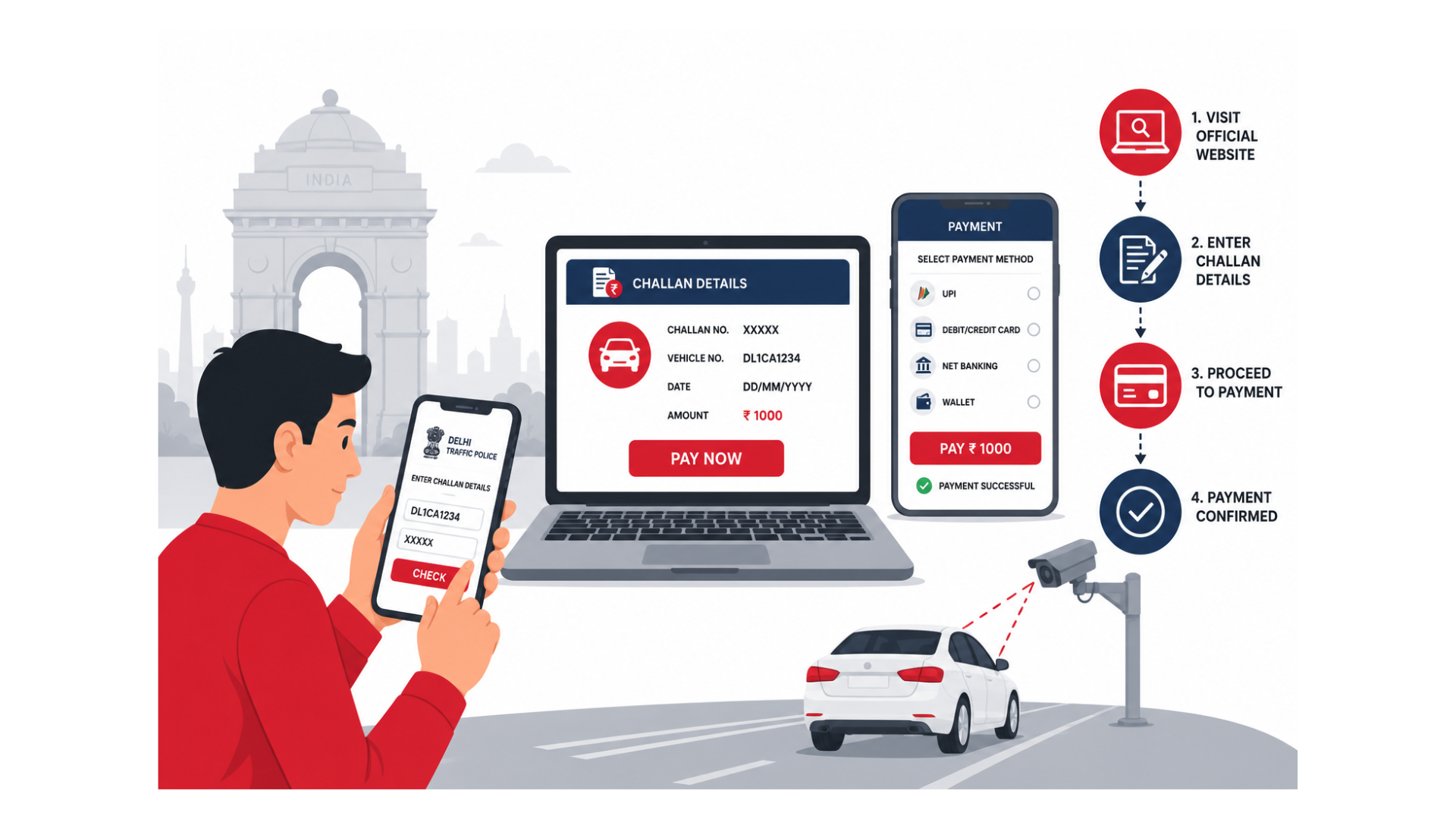
Getting a traffic challan is no longer a complicated process to manage. With the digitization of transport services, vehicle owners can now easily check pending challans, verify traffic violations, and make payments online within minutes.

By clicking the button, I authorize Paybima advisor to contact me via SMS, Email, Phone, WhatsApp or any other modes overriding my 'DND'.T&C Apply.
By clicking the button, I authorize Paybima advisor to contact me via SMS, Email, Phone, WhatsApp or any other modes overriding my 'DND'.T&C Apply.

