


Related Articles
.png)
 Jan 08, 2025
Is Varicose Vein surgery covered under the health insurance policy in India
 Health Insurance
.png)

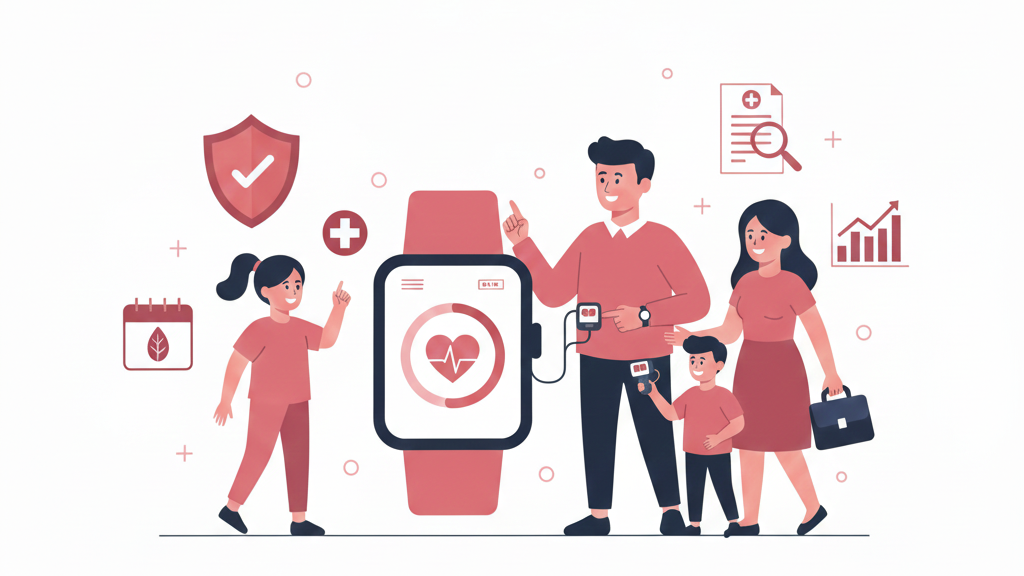
These devices are no longer just trendy—they’re tools that help track vital health metrics like blood-oxygen levels, heart rate and sleep patterns.
In India, when you buy such a device during a sale, you can pair it with your broader protection plan—especially with health insurance india—to gain wellness benefits, better surveillance of health, and improved value. At the same time, your motor insurance remains important if you own a vehicle, and a Guaranteed Return investment or savings plan can complement your health-focused strategy.
Sale periods mean major discounts on smartwatches, fitness bands and oximeters—making them affordable for more consumers.
These devices help you track health metrics (e.g., steps walked, oxygen saturation) which can lead to better health habits and fewer claims.
Insurance companies in India are increasingly linking wellness data to insurers’ benefits, which means your purchase of a health device has relevance beyond just monitoring your fitness.
Using such devices helps you stay proactive—rather than reactive—about your health, aligning well with modern health policy features.
The device purchase can enhance what your health insurance india policy offers:
Wellness-linked benefits: Many health insurance providers now reward policyholders who maintain fitness goals via wearable or monitoring devices. For instance, a smartwatch tracking activity can lead to premium discounts or wellness points.
Better risk profiling: Wearables and monitoring gadgets provide data (step counts, oxygen levels, sleep behaviour) which insurers use to assess risk and possibly offer better terms.
Preventive health: By detecting anomalies early (via an oximeter or smartwatch), you can catch potential health issues before they escalate—reducing hospital visits and claims, which benefits both you and your insurer.
Integrated wellness platforms: Some insurers include health-device discounts, wellness coaching, check-ups, and reward programmes tied to device usage.
When you’re buying a health device during a sale and want to maximise insurance plus wellness benefits:
Ensure the device supports tracking meaningful metrics: e.g., blood-oxygen (SpO₂), heart rate, sleep quality, step count.
Link the device/app with your insurance vendor or wellness programme (if available) so data can be accepted for benefits.
For health insurance india, check if your policy mentions wellness rewards, device-linked benefits or premium discounts.
Maintain your motor insurance (if you have a car/bike) as usual—device purchase doesn’t replace coverage of your vehicle risks.
Consider also how a Guaranteed Return savings or insurance-savings plan can fit with your purchase: you buy the device now (discounted) → you invest in your health and tracking → you invest in a stable savings/insurance product for future security.
Device purchase during sale → smart investment in monitoring and wellness.
Health device usage → better health tracking, fewer hospital visits, improved wellness, which supports health insurance india benefits.
Maintain motor insurance if you travel or have a vehicle—your health device doesn’t cover vehicle risk.
Invest in Guaranteed Return plan alongside your health strategy → a savings/insurance product that gives you fixed returns or security for future—so you’re covered in health, assets and savings.
At PayBima we help you navigate the intersection of device purchases, insurance coverage and savings:
Compare health insurance india policies that integrate wellness or device-linked benefits.
Understand how your motor insurance and other asset/protection plans fit with your health strategy.
Explore Guaranteed Return plans and see how the savings piece works alongside wellness and insurance.
Get expert guidance on selecting the right policy, device and plan to maximise value from your purchase and protection.
Common devices include: basic pulse-oximeters (for blood oxygen / SpO₂, heart-rate measurements), smartwatches or fitness-bands (tracking heart rate, steps, activity, sleep, sometimes SpO₂ or even ECG), and other wearables/trackers that monitor vitals or fitness data.
These have become widely available and affordable in India and globally (smartwatches/fitters under lower price-ranges, basic oximeters, etc.).
Not necessarily. While some insurers offer discounts or rewards for healthy behavior via wearable data, this depends on the plan, whether you consistently meet wellness criteria, and you must comply with insurer’s data-sharing/integration policies.
Also — wearables are not magic health guarantees; their data and “good habits” must be sustained over time for benefits to accumulate. Many insurers warn that wellness discounts can be lost if activity decline or data isn’t shared/synced correctly.
Yes, they have standalone value:
Continuous tracking of vital metrics — heart rate, activity, sleep patterns, sometimes blood-oxygen (SpO₂) — which can help identify early signals of health issues, encourage regular exercise, better sleep, healthy lifestyle.
For individuals with chronic conditions (e.g. heart disease, respiratory conditions, diabetes) — wearable-based monitoring can support better self-awareness and timely action/doctor visits.
Encourages preventive health behaviour — which can reduce risk over long-term.
Yes — important to be realistic:
Data accuracy issues: For example, some wrist-based devices may not reliably measure blood oxygen (SpO₂) or other medical-grade readings compared to medical instruments.
Privacy and data-sharing concerns: When you sync a wearable with insurance apps, you’re giving access to personal health data — necessary to check data-privacy, consent, and how insurer uses/ protects your data.
Over-reliance & false reassurance: Wearables can encourage vigilance, but they’re not substitutes for regular medical check-ups or professional diagnosis — especially for serious conditions.
Inconsistent benefits: Not all insurers offer wearable-linked wellness benefits; those that do might have strict conditions (e.g. minimum activity levels, continuous data syncing).
Young and healthy? Find out which of these plans rewards you with lower premiums. Click here to check now!

Paybima Team
Paybima is an Indian insurance aggregator on a mission to make insurance simple for people. Paybima is the Digital arm of the already established and trusted Mahindra Insurance Brokers Ltd., a reputed name in the insurance broking industry with 21 years of experience. Paybima promises you the easy-to-access online platform to buy insurance policies, and also extend their unrelented assistance with all your policy related queries and services.

 Jan 08, 2025
Health Insurance
Jan 08, 2025
Health Insurance
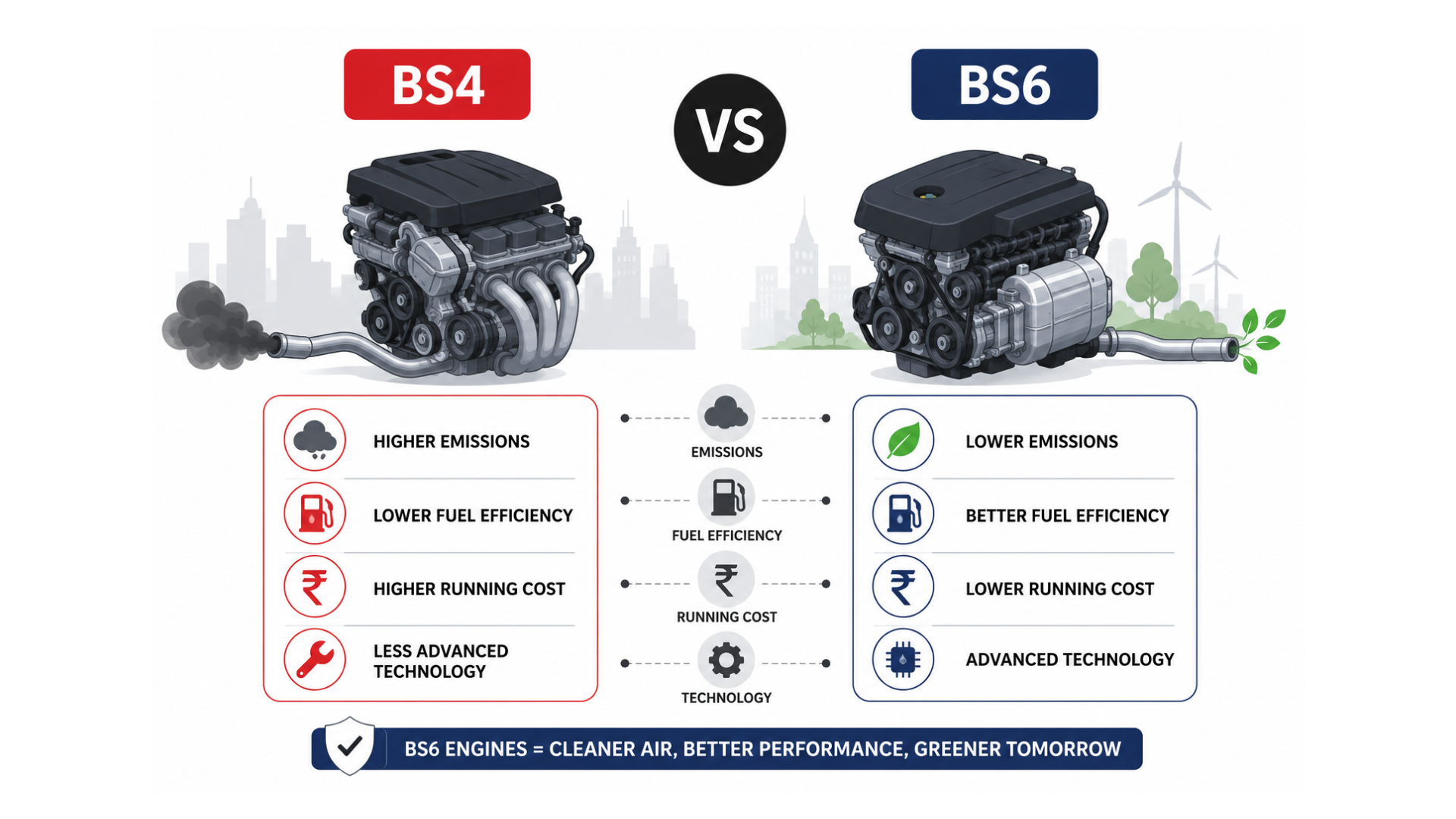
The Indian automobile industry has undergone one of its biggest technological upgrades with the shift from BS4 (Bharat Stage IV) to BS6 (Bharat Stage VI) emission norms.

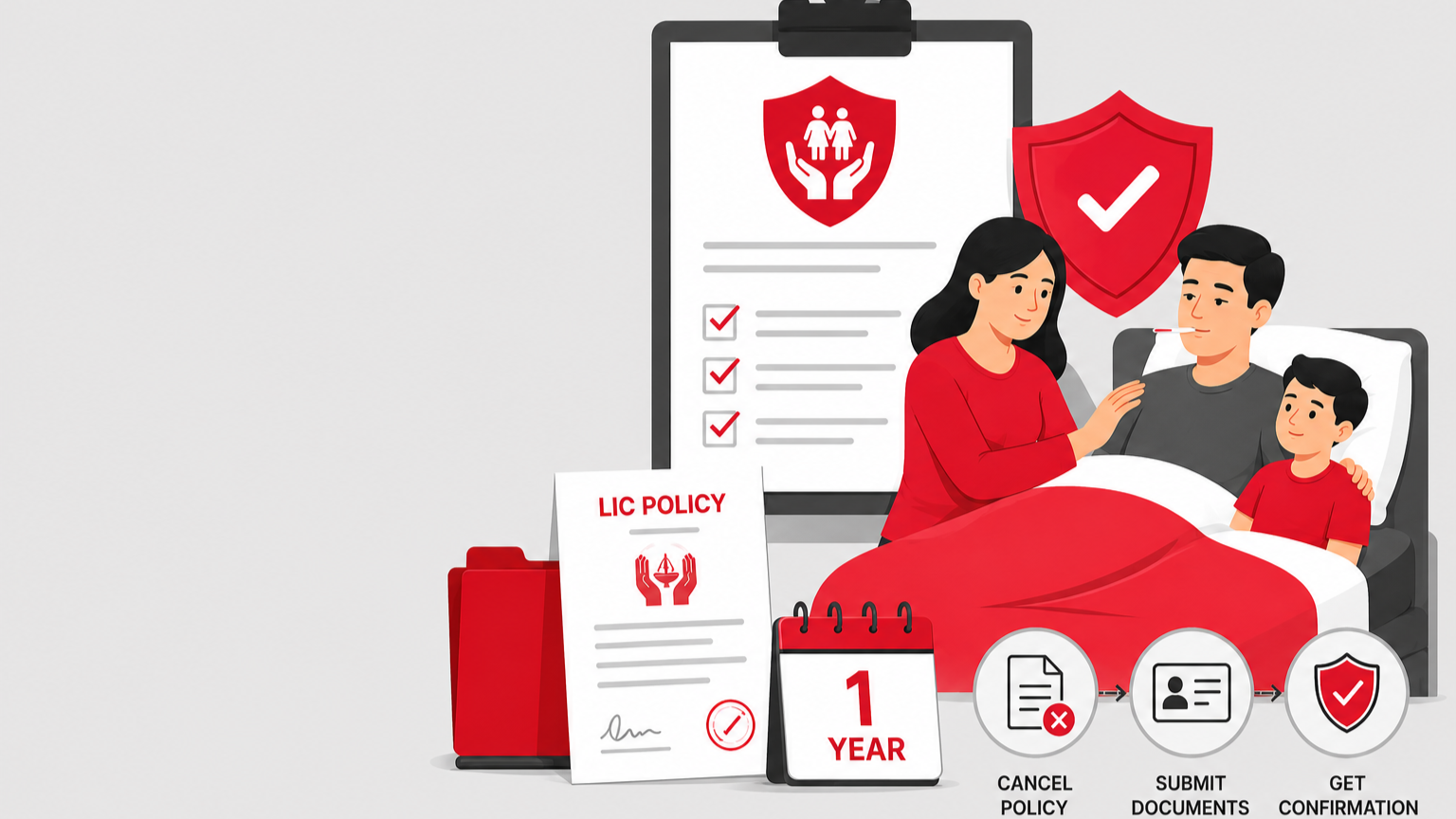
Many policyholders find themselves reconsidering their life insurance purchases within the very first year. It is a common situation: a plan is bought quickly during tax-saving season or under pressure from a relative or agent, without fully understanding its long-term terms and locked-in parameters.
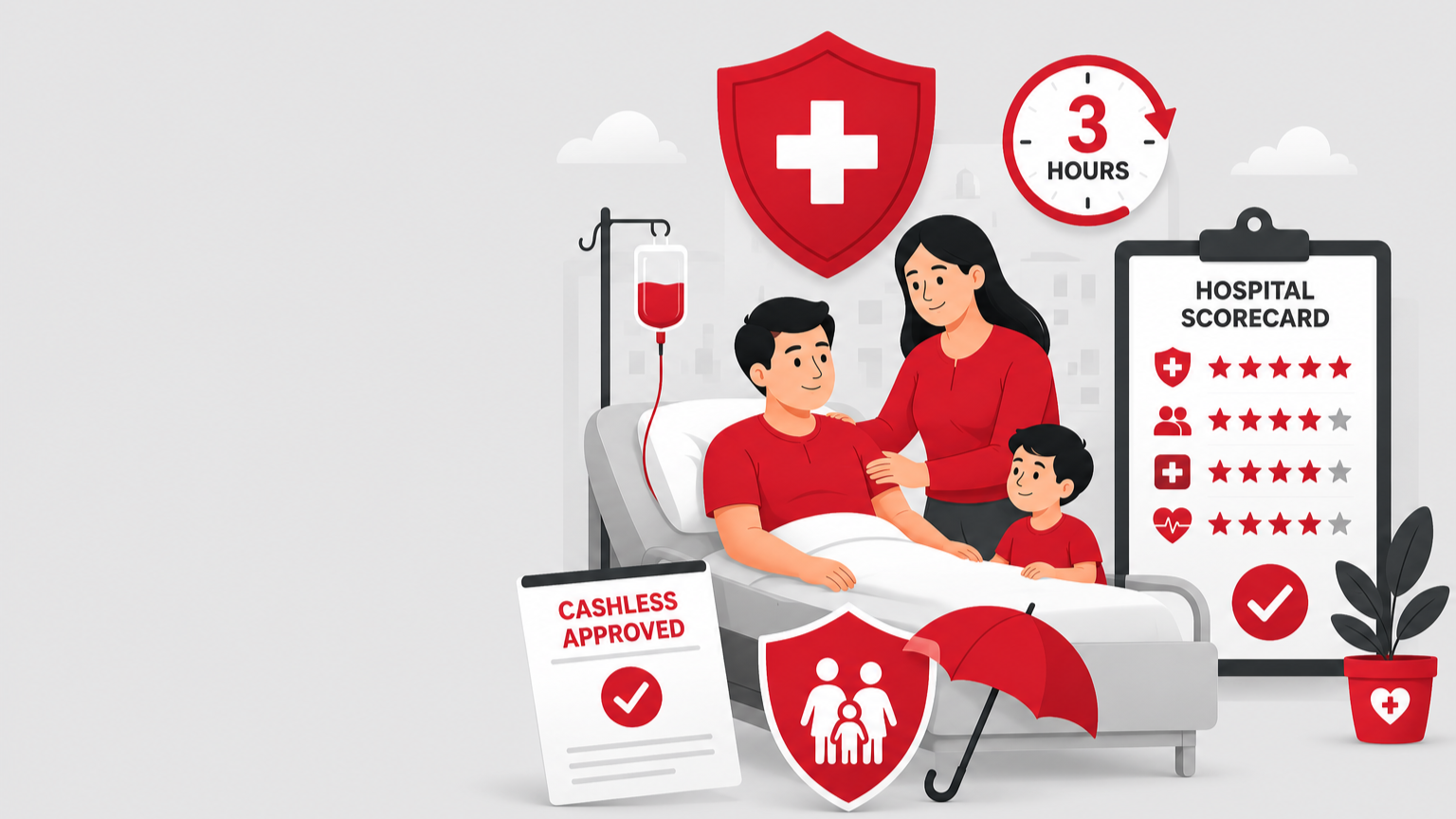
There is a specific kind of frustration that only a hospital billing desk can produce. Your doctor visits your room at 9:00 AM, checks your vitals, and smiles: "You are fit for discharge! You can go home today." You pack your bags, call your family, and get ready to leave.
With each passing year, as people tend to grow older, the constant anxiety of having age-related and other diseases scares them. Further, the increasing cost of medical treatment is another scary situation that most people dread. In such a situation, having a life insurance policy is a must to ensure safety from the frequent costs of medical treatment and hospitalization that an individual or a family might suffer. India has several health insurance providers offering good and comprehensive policies. In this post, let us discuss them to help you buy the best policy.
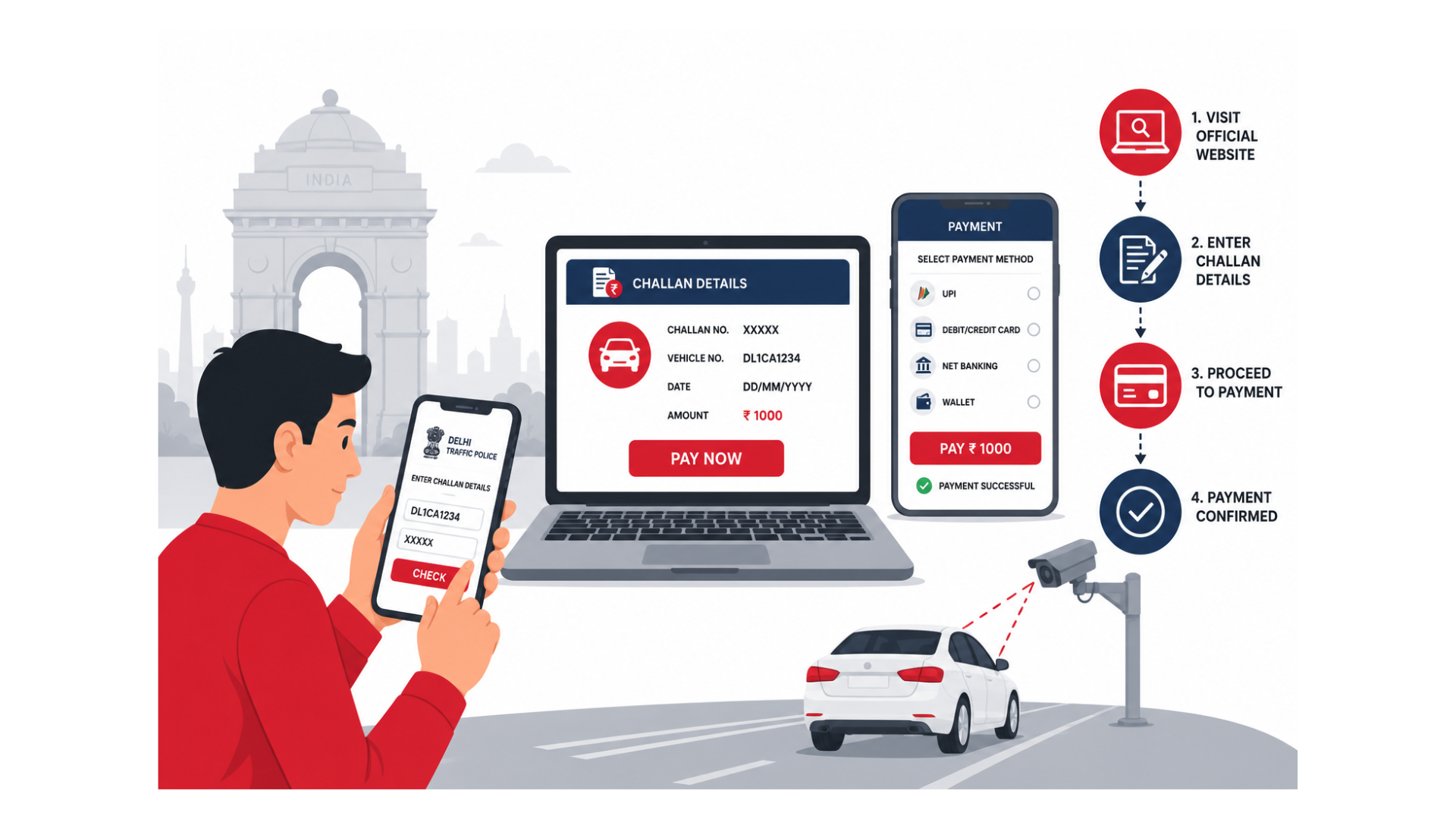
Getting a traffic challan is no longer a complicated process to manage. With the digitization of transport services, vehicle owners can now easily check pending challans, verify traffic violations, and make payments online within minutes.

By clicking the button, I authorize Paybima advisor to contact me via SMS, Email, Phone, WhatsApp or any other modes overriding my 'DND'.T&C Apply.
By clicking the button, I authorize Paybima advisor to contact me via SMS, Email, Phone, WhatsApp or any other modes overriding my 'DND'.T&C Apply.

