


Related Articles
.png)
 Jan 08, 2025
Is Varicose Vein surgery covered under the health insurance policy in India
 Health Insurance
.png)


Renewing your health insurance every year might feel like a box you tick without much thought. But pause for a moment. What if your plan no longer matches your needs? Maybe the hospital network feels too small, or the claims process has become a headache.
That’s where portability comes in. Health insurance portability gives you the chance to switch insurers while holding on to the benefits you’ve already earned. Think of it like moving homes but carrying your furniture, so you don’t start empty-handed. You keep your no-claim bonus, your waiting period credits, and the comfort of continuity. In a market with endless options, portability lets you adapt and choose smarter, making sure your health cover stays as flexible as your life.
Medical insurance portability is simply the option to carry your existing health insurance benefits when switching to another insurer. It’s designed to protect policyholders from starting over every time they move. For instance, say you’ve already served a three-year waiting period for pre-existing conditions, portability ensures that credit moves with you. Introduced by IRDAI, this feature was meant to give customers flexibility and freedom of choice. It also adds a sense of security, since people aren’t forced to stick with policies that no longer suit them. So instead of being “stuck” with an old plan, you get the freedom to shop around without losing what you’ve built. In a nutshell, portability ensures continuity while letting you seek better coverage or service.
There’s no single reason policyholders choose to port their health insurance. Usually, it’s a mix of multiple reasons. For some, the current plan feels outdated: limited coverage, narrow hospital networks, or hidden restrictions. For others, it’s about poor customer service or a slow claims process. Let’s be honest, health insurance should reduce stress, not add to it.
Portability gives you a way out. You can shift to a plan that feels fresher, offers more benefits, and comes with better support. Imagine moving from a cramped apartment into a bigger, brighter space. Except here, your waiting period credits and no-claim bonuses come along with you. Even premium costs might be more competitive, depending on your choice.
At its core, porting is about upgrading. You don’t lose the continuity you’ve built; instead, you gain flexibility. Done thoughtfully, it ensures your policy grows with your needs, not against them.
Porting is fairly straightforward, but deadlines matter. You need to apply at least 45 days before your current policy’s renewal. Start by filling out the portability request form and a fresh proposal form for the new insurer. After this, your new insurer contacts the old one for details for things like claim history, bonuses, and waiting period status.
Once verified, your application moves ahead, and if approved, you’re good to go. The continuity benefits include waiting periods already served, no-claim bonuses, and a shift with you. The key is to ensure no gap exists between the old and new policies. Miss that, and you could lose the advantages. Done on time, though, the process feels smooth, like changing lanes in traffic without slowing down.
Portability is powerful, but a few reminders can save you trouble.
With these checks in place, you’ll ensure the shift feels less like a gamble and more like a smart, well-informed upgrade.
Young and healthy? Find out which of these plans rewards you with lower premiums. Click here to check now!

Paybima Team
Paybima is an Indian insurance aggregator on a mission to make insurance simple for people. Paybima is the Digital arm of the already established and trusted Mahindra Insurance Brokers Ltd., a reputed name in the insurance broking industry with 21 years of experience. Paybima promises you the easy-to-access online platform to buy insurance policies, and also extend their unrelented assistance with all your policy related queries and services.

 Jan 08, 2025
Health Insurance
Jan 08, 2025
Health Insurance
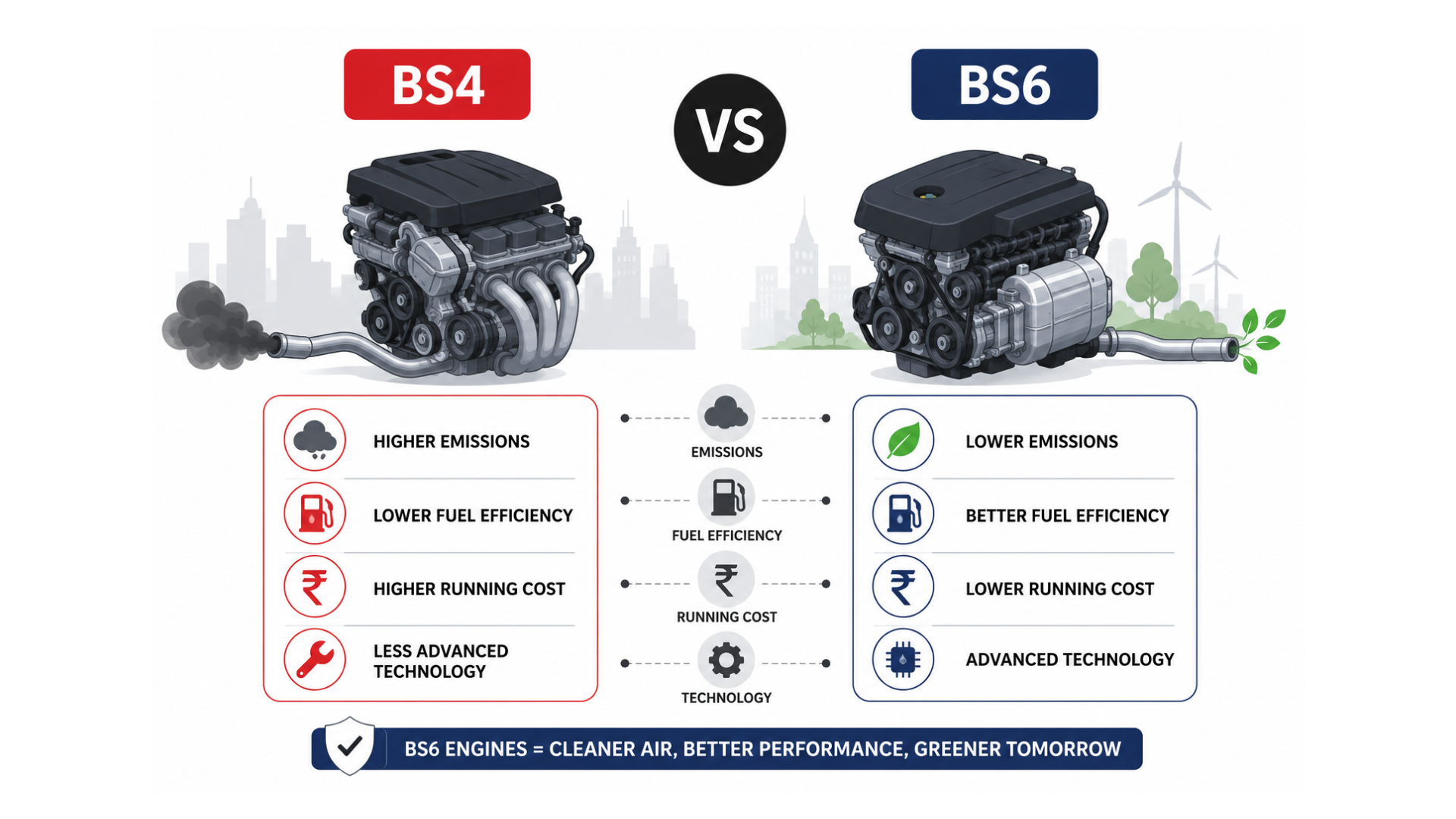
The Indian automobile industry has undergone one of its biggest technological upgrades with the shift from BS4 (Bharat Stage IV) to BS6 (Bharat Stage VI) emission norms.

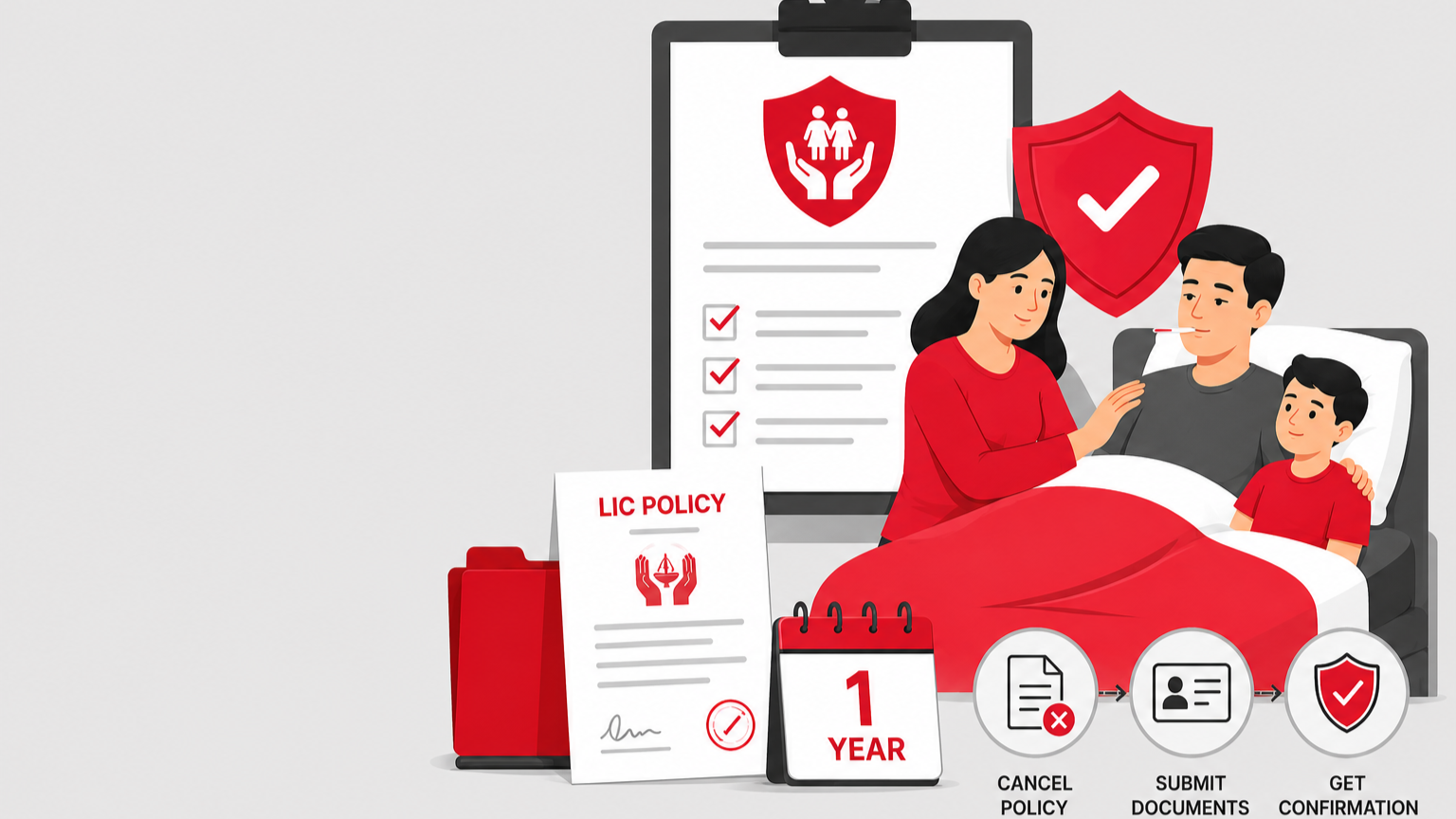
Many policyholders find themselves reconsidering their life insurance purchases within the very first year. It is a common situation: a plan is bought quickly during tax-saving season or under pressure from a relative or agent, without fully understanding its long-term terms and locked-in parameters.
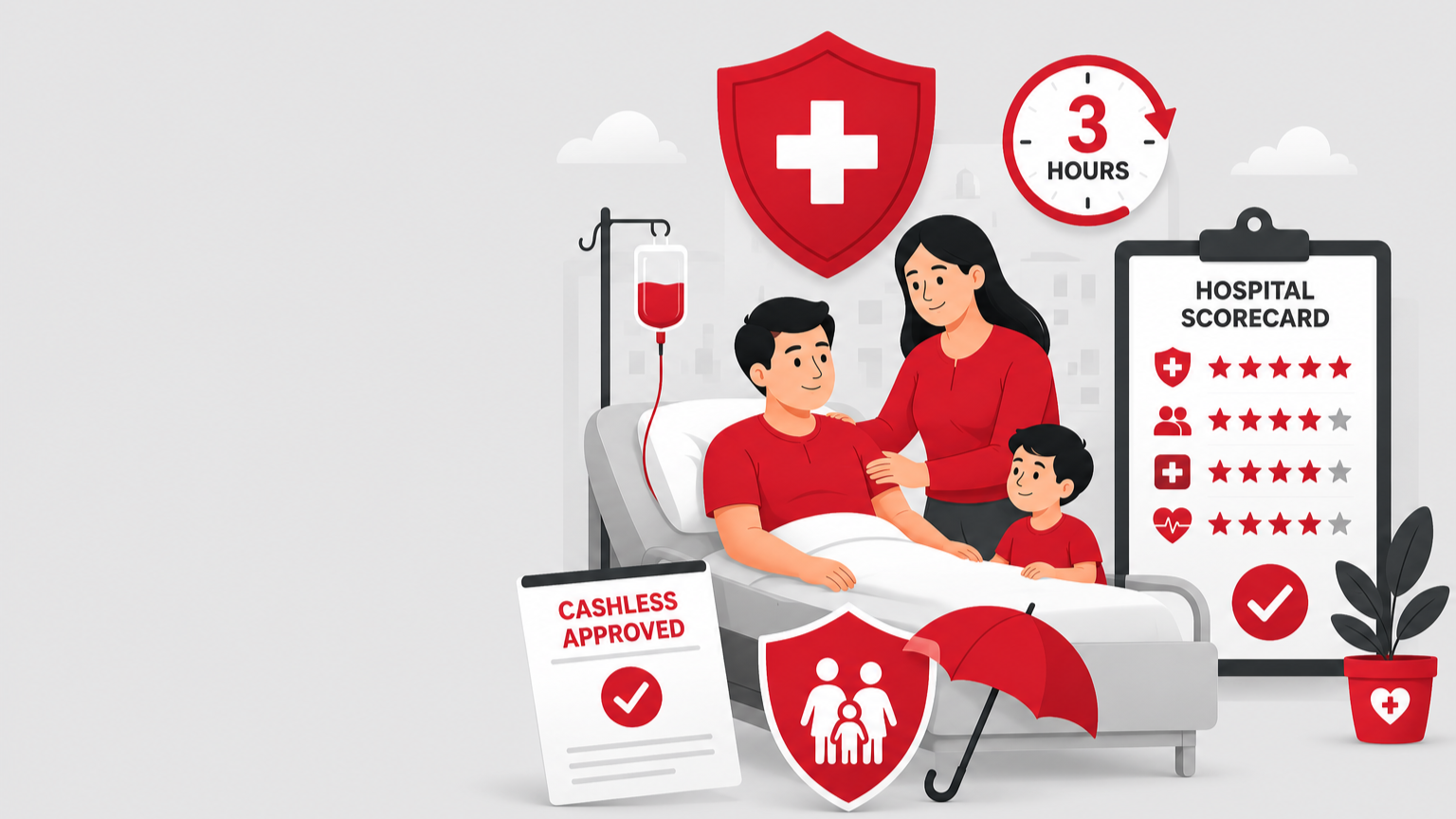
There is a specific kind of frustration that only a hospital billing desk can produce. Your doctor visits your room at 9:00 AM, checks your vitals, and smiles: "You are fit for discharge! You can go home today." You pack your bags, call your family, and get ready to leave.
With each passing year, as people tend to grow older, the constant anxiety of having age-related and other diseases scares them. Further, the increasing cost of medical treatment is another scary situation that most people dread. In such a situation, having a life insurance policy is a must to ensure safety from the frequent costs of medical treatment and hospitalization that an individual or a family might suffer. India has several health insurance providers offering good and comprehensive policies. In this post, let us discuss them to help you buy the best policy.
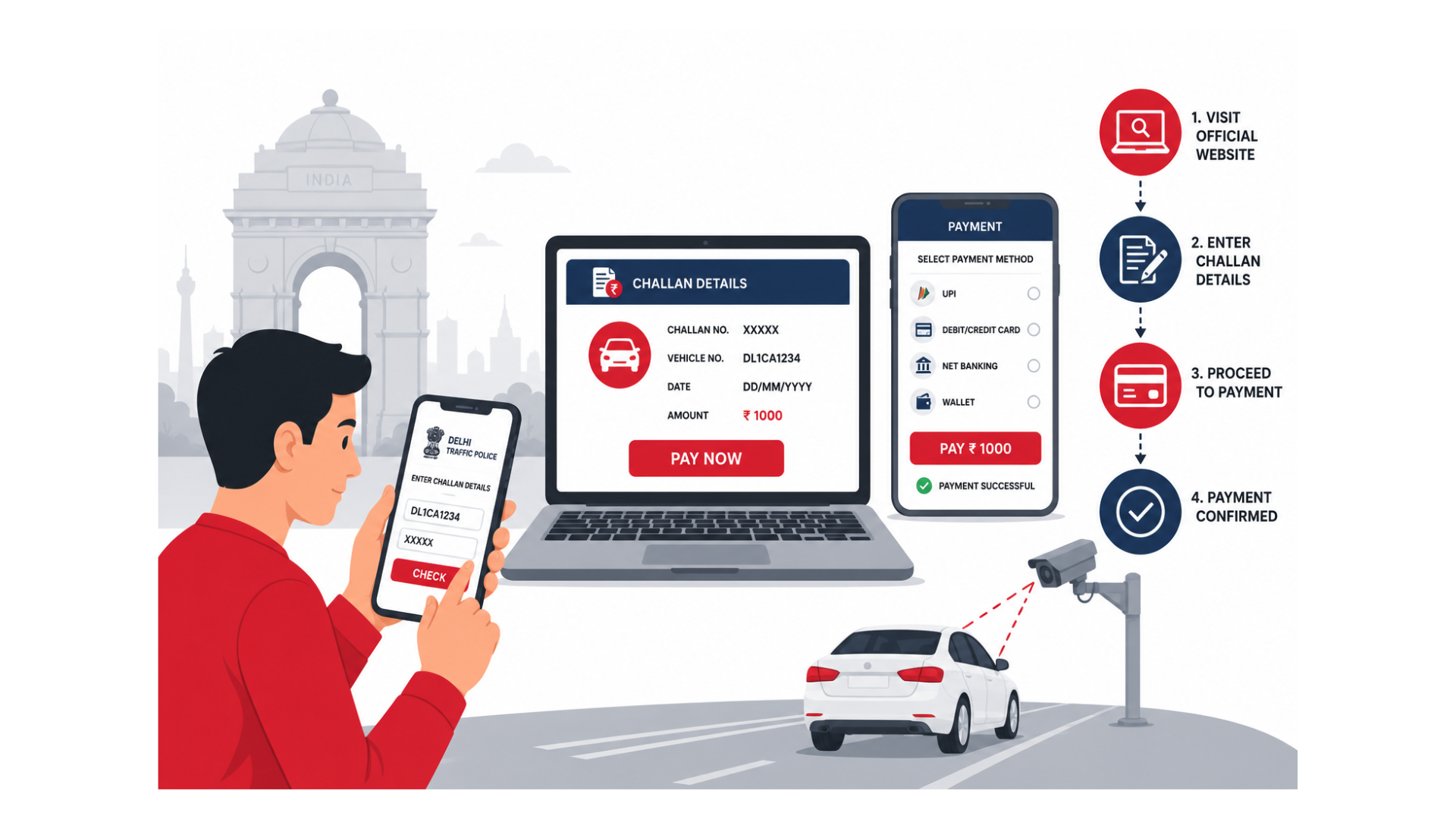
Getting a traffic challan is no longer a complicated process to manage. With the digitization of transport services, vehicle owners can now easily check pending challans, verify traffic violations, and make payments online within minutes.

By clicking the button, I authorize Paybima advisor to contact me via SMS, Email, Phone, WhatsApp or any other modes overriding my 'DND'.T&C Apply.
By clicking the button, I authorize Paybima advisor to contact me via SMS, Email, Phone, WhatsApp or any other modes overriding my 'DND'.T&C Apply.

