


Related Articles
.png)
 Jan 08, 2025
Is Varicose Vein surgery covered under the health insurance policy in India
 Health Insurance
.png)

 - Edited (1).jpg)
That’s where choosing a plan with access to a cashless hospital network becomes a major relief. When you’re covered by health insurance and use a network hospital for a cashless claim, you won’t have to pay major bills upfront.
This is especially useful during seasons when health risk is higher — like winter in large cities, where air-pollution may trigger conditions like asthma. At the same time, while your health insurance handles your body’s risk, your life insurance backs your family’s future — but knowing how to use a network cashless facility is a practical part of your protection strategy.
In Delhi, the air-pollution situation has reached an alarming level. More than just smog, it's now a health emergency. A protest at India Gate brought together residents, children and elderly persons, all demanding action.
Medical reports show a rise in asthma attacks, respiratory hospitalisations and poor air quality.
When such environmental conditions raise health risks, having access to network hospitals and cashless claim facilities becomes more than a convenience—it becomes a preparedness tool.
A cashless hospital is a healthcare facility that is empanelled with your insurer/TPA (Third Party Administrator) network. This means when you’re admitted or treated there, you don’t have to pay the hospital bill upfront (within the policy cover) — the insurer settles directly with the hospital as per your policy.
Key features of using a cashless hospital:
Pre-authorisation process for planned admissions (and rapid notification for emergencies).
Reduced out-of-pocket payment at the time of discharge (except for non-covered items).
Access to network hospital infrastructure, usually approved by your insurer/TPA.
Faster claim settlement, less worry about large bills at the moment of treatment.
Check your insurer/TPA’s network hospital list: On your policy, look up which hospitals are empanelled for cashless treatment (either regionally or nationally).
Confirm hospital’s empanelment for your policy/product: Call the hospital insurance desk or your insurer’s 24×7 helpline to verify that your chosen hospital is empanelled for your policy and region.
For planned admissions: Inform your insurer/TPA at least 48 hours ahead (or per policy) of the hospitalisation. Use the pre-authorisation form.
For emergencies: Get admitted and notify your insurer/TPA within mandated time (commonly 24 hours) so the hospital can initiate a cashless claim.
On admission: Present your health card/ID, fill hospital’s claim form, give required info. Hospital sends authorisation request to insurer/TPA.
Treatment and discharge: Once approved, you receive treatment; on discharge, check your bill, sign documents; pay non-covered items if applicable.
Follow-up: Keep copies of all hospital/claim documents; if any dispute arises you’re covered by policy terms.
Given the pollution-triggered asthma, respiratory issues (especially in Delhi), and increased hospital visits during winter, using a network cashless hospital offers major benefits:
Minimises time you spend worrying about finances when you should be focused on recovery.
Gives you faster access to treatment in high-risk situations (pollution + cold + chronic conditions).
Aligns with your broader health protection strategy — while your life insurance secures long-term risk, health insurance + cashless hospital network secures the now.
For those living in polluted/major-city zones (like Delhi), readiness is key: easily accessible network hospitals, familiarity with claim process, and understanding your policy become vital.
Ensure the hospital you choose is currently active in the network — empanelments change or may be suspended.
Verify whether your policy’s features (room category, special care, pre-existing conditions) align with the hospital’s offering.
For non-network hospitals you may have to pay upfront and then claim reimbursement — not ideal in emergencies.
Read policy terms: waiting periods, exclusions, co-payments, claim timeline — all matter.
While you manage your health risks, also consider how environmental factors (pollution, winter cold) may raise your risk of needing hospitalization—so having a solid network and fast claim process is timely.
A “network hospital” is a hospital or medical facility that has a tie-up / agreement with your insurance company (or their TPA) to provide cashless treatment to policyholders under certain health-insurance plans.
When you use a network hospital and follow cashless-claim procedures, the insurer/TPA directly settles your hospital bill — you avoid paying upfront (except for any amount not covered under the policy, like non-payable items or co-pay).
Most insurers / TPAs publish a hospital-locator / network-hospital list on their official website. You can search by city, pincode or hospital name.
You can also call or message your insurer’s customer-care helpline to check if a hospital is empaneled.
Many insurers provide digital tools or apps (hospital-locators) — making it easy to find nearby network hospitals.
It’s good practice to check the list before every hospitalisation, because network-hospital tie-ups can change (hospitals may be added or removed).
Not always. Approval depends on a few conditions:
You must follow the pre-auth/intimation procedure (timely inform insurer/TPA).
The treatment must be covered under your policy (room rent limits, procedure inclusions, sub-limits, etc.). If treatment is excluded or exceeds sub-limits, claim may be partially or fully rejected.
Hospital must have active empanelment with your insurer at the time of admission; sometimes hospitals get de-listed or network-tie-ups change.
For planned admissions — pre-authorization must go through before treatment; if not obtained, cashless facility may be denied.
As of 2024–2025, there is a regulatory push under the General Insurance Council (GIC) called Cashless Everywhere — under this, many insurers are offering “cashless treatment at any hospital” even if it’s not originally in network.
However — in practice:
You still need to inform insurer/TPA in advance (48 hrs for planned, 24–48 hrs for emergency).
Approval depends on admissibility of claim under policy terms. Not all non-network hospitals may be accepted under “Cashless Everywhere.”
For guaranteed smooth cashless claims, a traditional network hospital remains the safer / more reliable option.
Network-hospital tie-ups are not guaranteed to remain permanent. Hospitals may be added or removed from an insurer’s network over time — due to contractual reasons, compliance, or strategic decisions.
Therefore, it’s recommended to check network-hospital list before every hospitalisation, especially if you move city or are choosing a hospital far from home.
Young and healthy? Find out which of these plans rewards you with lower premiums. Click here to check now!

Paybima Team
Paybima is an Indian insurance aggregator on a mission to make insurance simple for people. Paybima is the Digital arm of the already established and trusted Mahindra Insurance Brokers Ltd., a reputed name in the insurance broking industry with 21 years of experience. Paybima promises you the easy-to-access online platform to buy insurance policies, and also extend their unrelented assistance with all your policy related queries and services.

 Jan 08, 2025
Health Insurance
Jan 08, 2025
Health Insurance
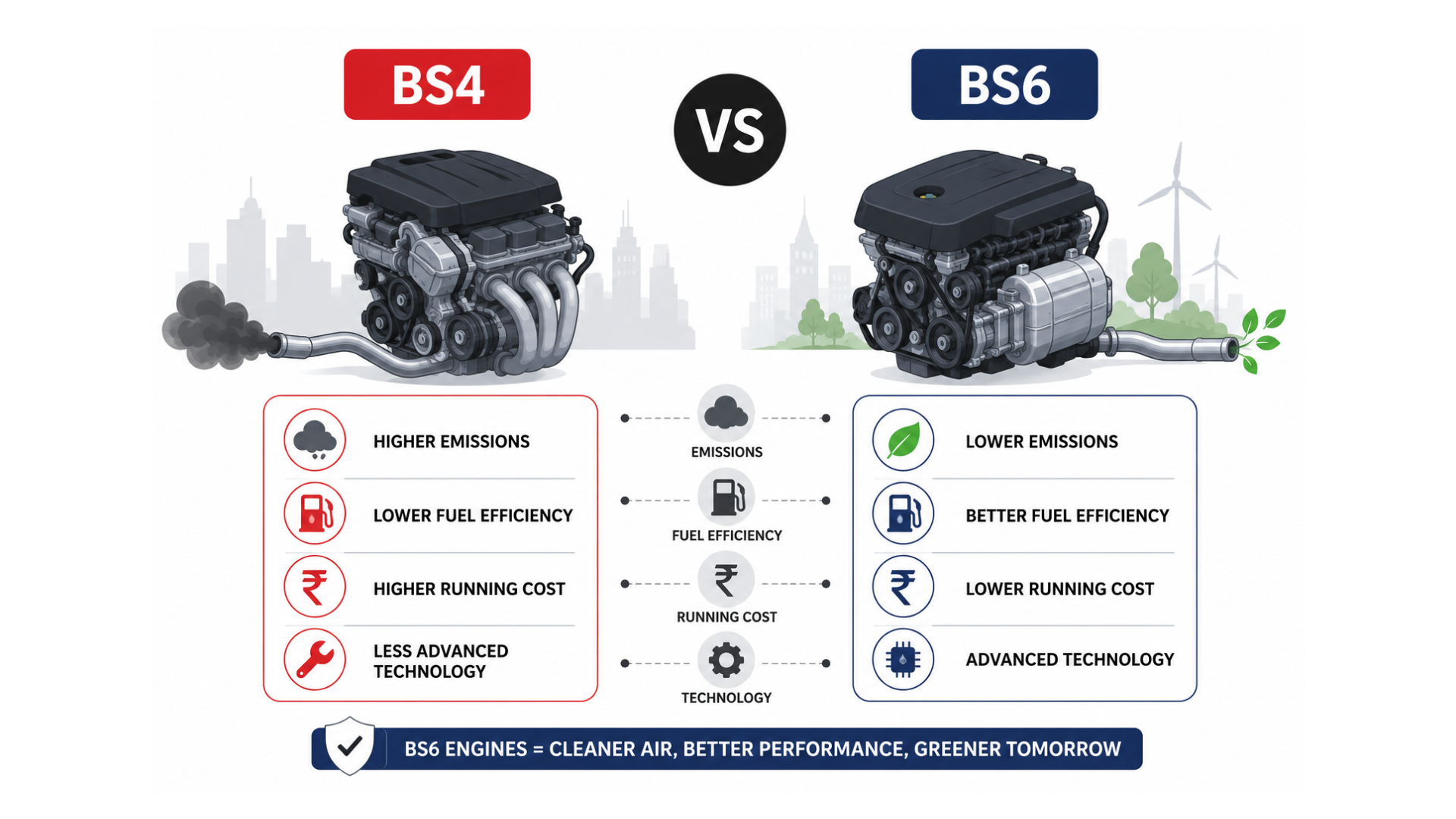
The Indian automobile industry has undergone one of its biggest technological upgrades with the shift from BS4 (Bharat Stage IV) to BS6 (Bharat Stage VI) emission norms.

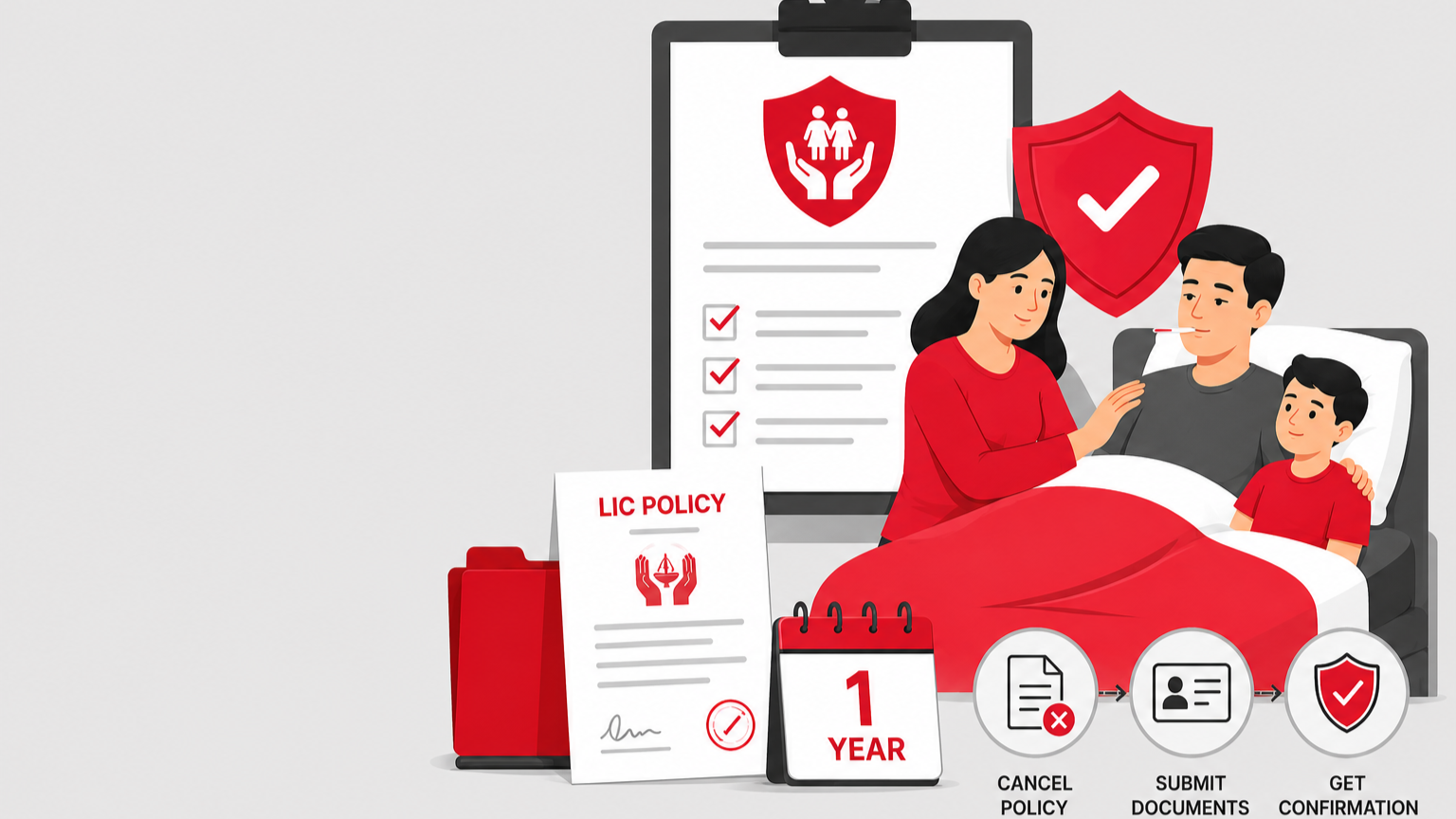
Many policyholders find themselves reconsidering their life insurance purchases within the very first year. It is a common situation: a plan is bought quickly during tax-saving season or under pressure from a relative or agent, without fully understanding its long-term terms and locked-in parameters.
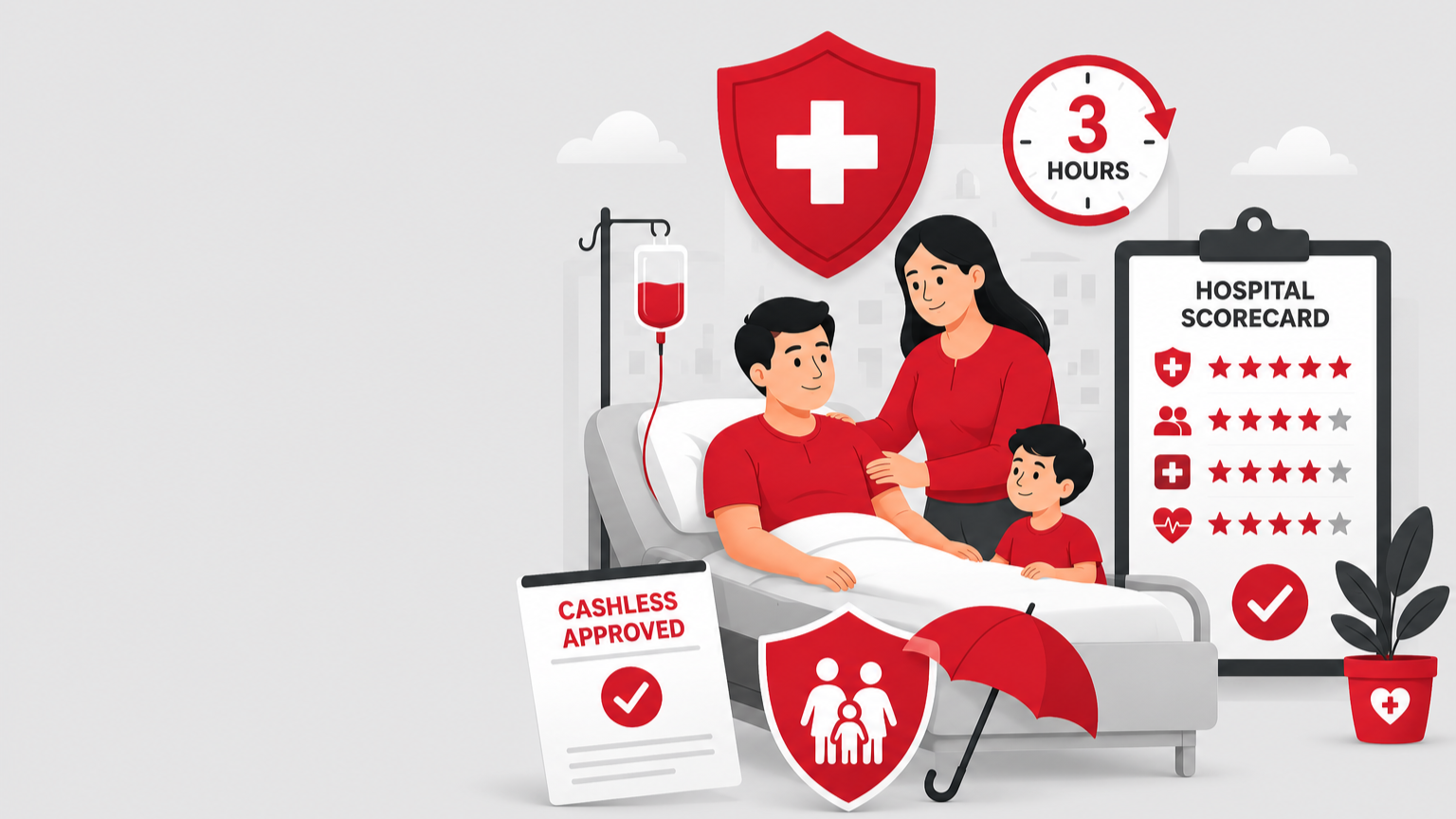
There is a specific kind of frustration that only a hospital billing desk can produce. Your doctor visits your room at 9:00 AM, checks your vitals, and smiles: "You are fit for discharge! You can go home today." You pack your bags, call your family, and get ready to leave.
With each passing year, as people tend to grow older, the constant anxiety of having age-related and other diseases scares them. Further, the increasing cost of medical treatment is another scary situation that most people dread. In such a situation, having a life insurance policy is a must to ensure safety from the frequent costs of medical treatment and hospitalization that an individual or a family might suffer. India has several health insurance providers offering good and comprehensive policies. In this post, let us discuss them to help you buy the best policy.
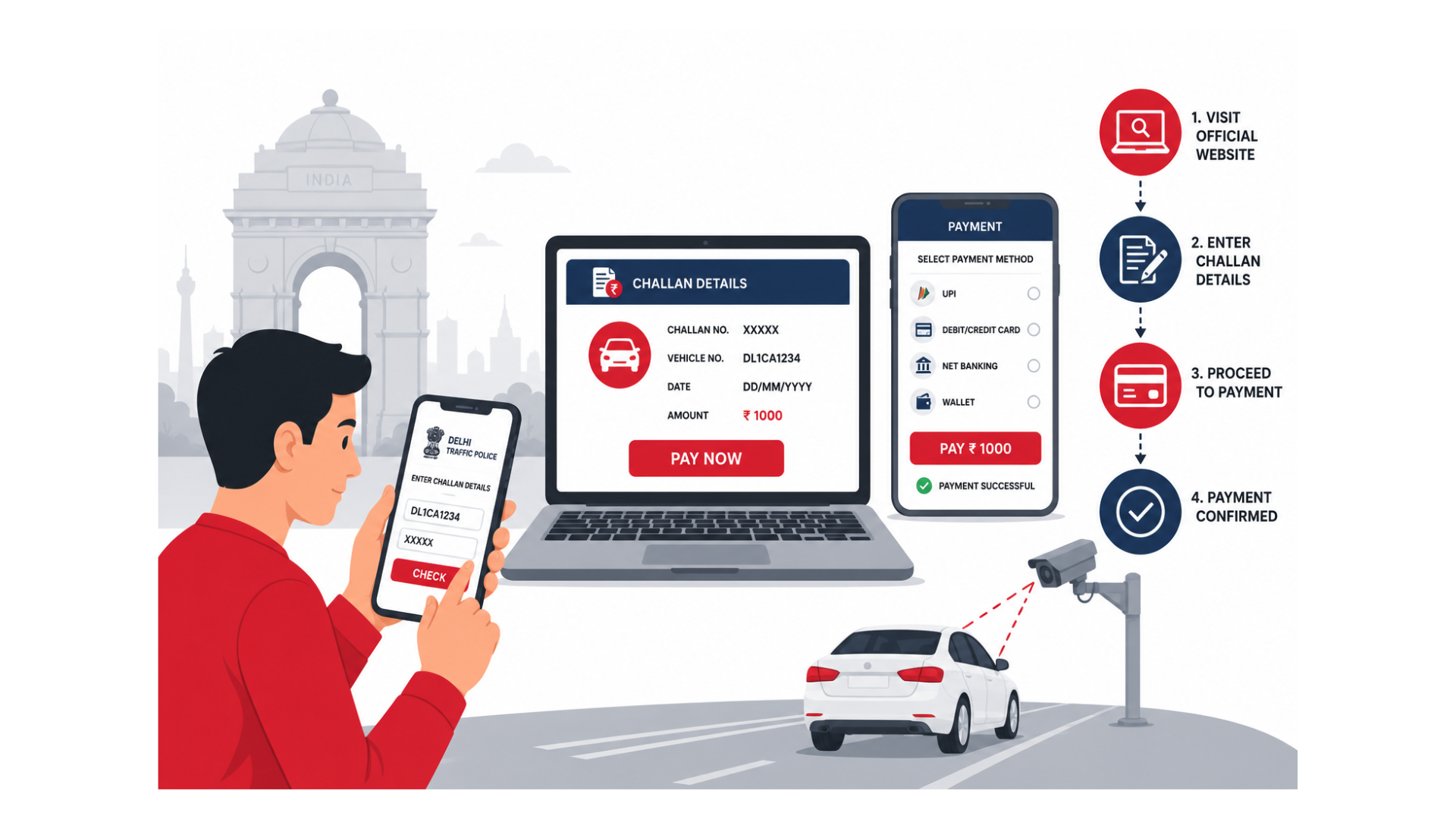
Getting a traffic challan is no longer a complicated process to manage. With the digitization of transport services, vehicle owners can now easily check pending challans, verify traffic violations, and make payments online within minutes.

By clicking the button, I authorize Paybima advisor to contact me via SMS, Email, Phone, WhatsApp or any other modes overriding my 'DND'.T&C Apply.
By clicking the button, I authorize Paybima advisor to contact me via SMS, Email, Phone, WhatsApp or any other modes overriding my 'DND'.T&C Apply.

