


Related Articles
.png)
 Jan 08, 2025
Is Varicose Vein surgery covered under the health insurance policy in India
 Health Insurance
.png)

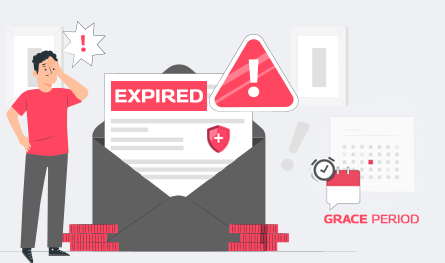
Despite your excellent health condition, it is never guaranteed. Things may change in a jiffy. You might face a bitter accident, get diagnosed with a critical ailment suddenly or need to undergo an operation. This can be overwhelming both physically and financially. Under such circumstances, health insurance helps you go a long way, acting as a protective shield.
What happens if you forget to renew your health plan? Even a few days in the hospital is enough to deplete a significant amount of your hard-earned money and savings.
Therefore, it is crucial to maintain your health plan and ensure punctual health insurance renewal without fail.
However, if you fail to pay the premium dues on time, then what happens? Here, we will discuss it.
Every health plan maintains a specific tenure, beyond which you need to renew the plan by clearing the premium dues. In case you forget to maintain the last due date, almost every insurer maintains a stipulated grace period, usually 15 – 30 days. If you pay the premium within this date, your policy will be saved.
However, if you fail this grace period, your plan will lapse, standing null and void. So, if you face any medical emergency during a policy lapse, you cannot avail of any health insurance coverage benefit from it. You have to pay all the medical dues out of your pocket.
When your health insurance plan lapses, you have to face the following situations:
The last policy renewal date should not necessarily be the upcoming premium due date. Often, plans come with a specific grace period. Therefore, the policyholder has time to renew the plan till the end of the grace period.
If you are unsure about your memory, it is best to instruct your bank to ensure auto-payment of the premiums by the due date. This way, you will not miss the due dates, and the premium amount will be automatically debited from your designated account.
If you purchase a multi-year policy, you do not face the troubles of yearly renewal. Once you pay the premium, you can live in peace for 2 or 3 years till the next renewal, as per the chosen plan terms.
In case you fail the due date and even the grace period, you need to follow these steps:
Once you have discovered that you have missed the grace period even, the first thing you must do is approach your respective insurance provider.
You can request them for plan revival. If they discover that the reason for non-renewal is a bit too serious than sheer negligence, they may consider your case and offer you the opportunity to revive the policy.
The insurer may as well reject your application, too, depending on the circumstances and after considering your present health condition, premium paying capability, your intentions regarding plan continuity, settling all the fines and dues, etc.
Usually, most insurers maintain a revival window of 6 months from the policy lapse date. They will ascertain through investigation that there is no inherent game involved in the scenario. However, the premium may increase during revival depending on the current health status, financial status, etc.
You can easily apply for a brand-new health policy after a plan lapse. Comparing the premium dues of the lapsed plan and penalties, reviving the old plan often becomes a comparatively pricier affair than purchasing a new one. You can ensure better customisation with the new plan with enhanced coverage benefits and more affordable premiums. You can even change your insurer. However, do not forget about the loss of accrued NCB benefits. This is a significant loss which needs to be avoided under any circumstances through punctual health insurance renewal.
Young and healthy? Find out which of these plans rewards you with lower premiums. Click here to check now!

Paybima Team
Paybima is an Indian insurance aggregator on a mission to make insurance simple for people. Paybima is the Digital arm of the already established and trusted Mahindra Insurance Brokers Ltd., a reputed name in the insurance broking industry with 21 years of experience. Paybima promises you the easy-to-access online platform to buy insurance policies, and also extend their unrelented assistance with all your policy related queries and services.

 Jan 08, 2025
Health Insurance
Jan 08, 2025
Health Insurance
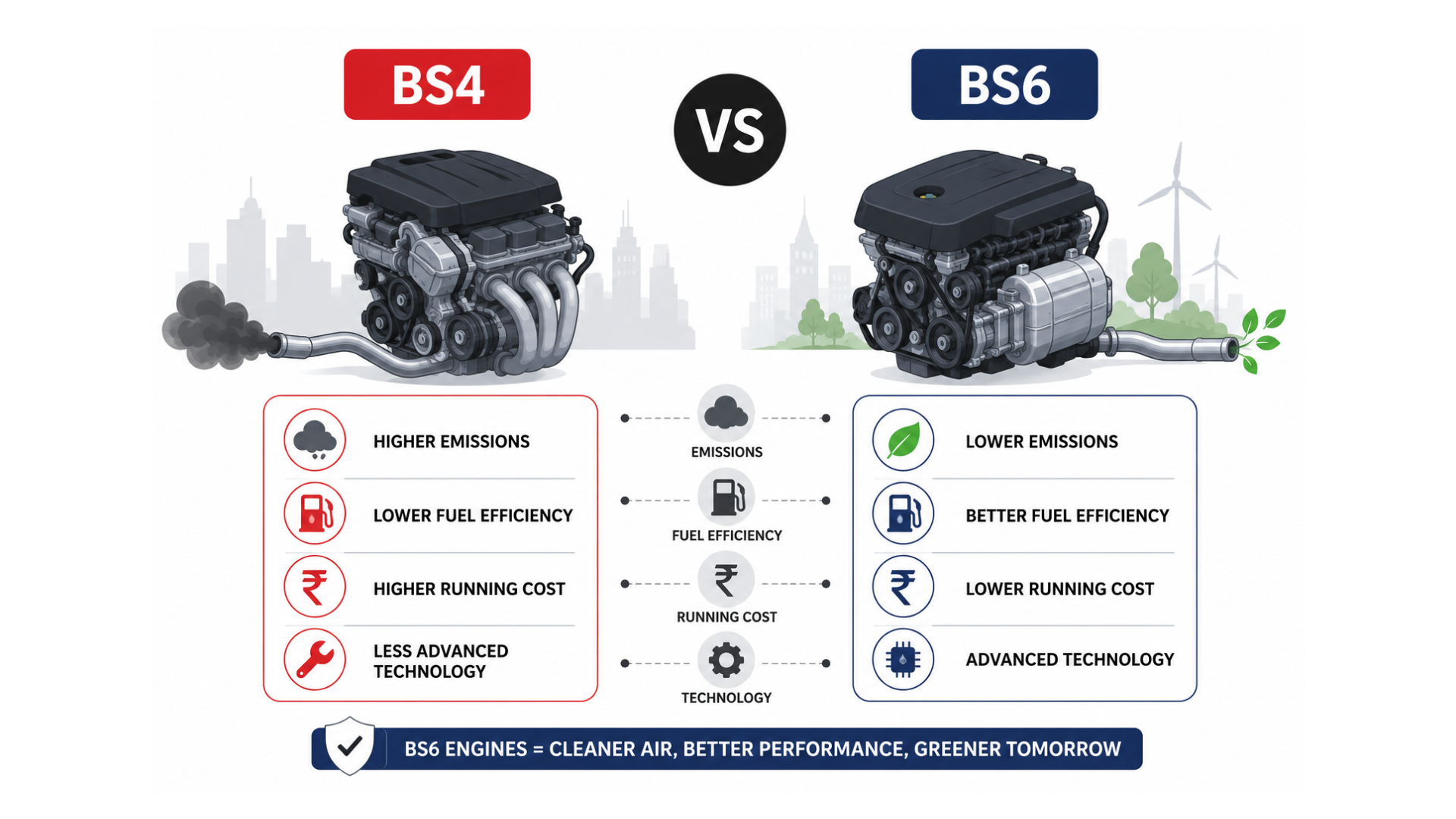
The Indian automobile industry has undergone one of its biggest technological upgrades with the shift from BS4 (Bharat Stage IV) to BS6 (Bharat Stage VI) emission norms.

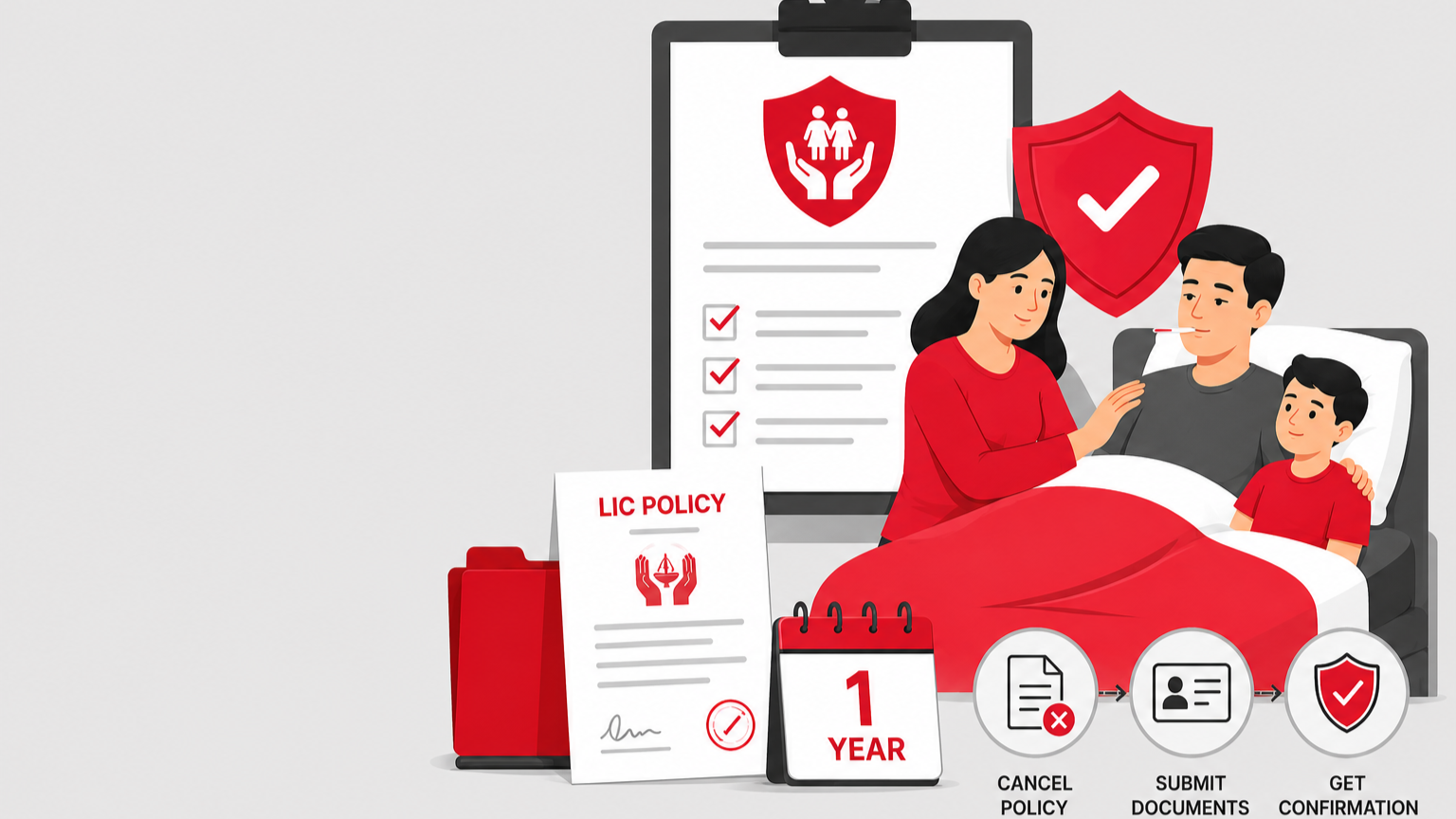
Many policyholders find themselves reconsidering their life insurance purchases within the very first year. It is a common situation: a plan is bought quickly during tax-saving season or under pressure from a relative or agent, without fully understanding its long-term terms and locked-in parameters.
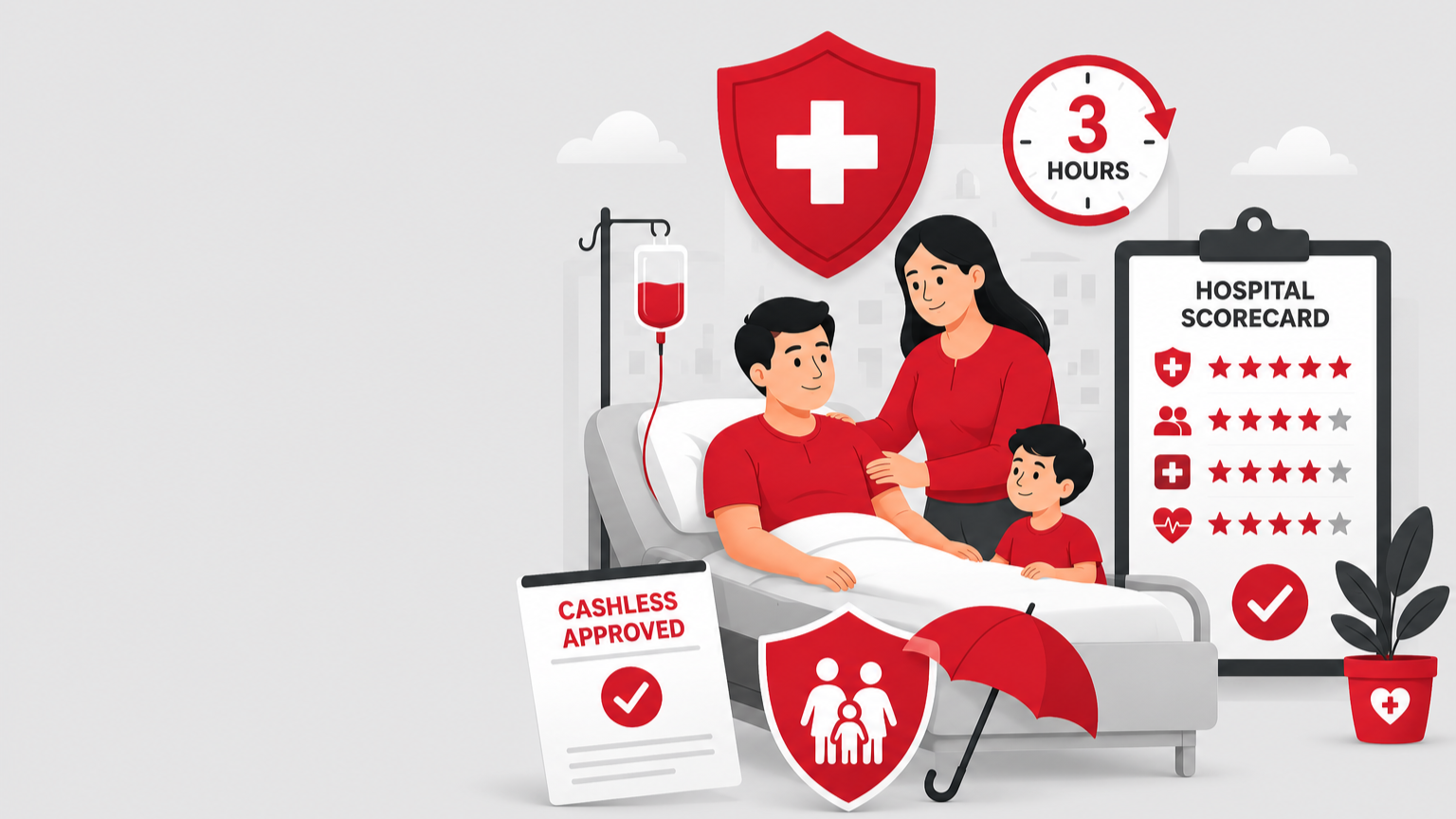
There is a specific kind of frustration that only a hospital billing desk can produce. Your doctor visits your room at 9:00 AM, checks your vitals, and smiles: "You are fit for discharge! You can go home today." You pack your bags, call your family, and get ready to leave.
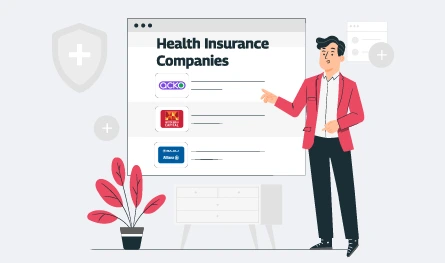
With each passing year, as people tend to grow older, the constant anxiety of having age-related and other diseases scares them. Further, the increasing cost of medical treatment is another scary situation that most people dread. In such a situation, having a life insurance policy is a must to ensure safety from the frequent costs of medical treatment and hospitalization that an individual or a family might suffer. India has several health insurance providers offering good and comprehensive policies. In this post, let us discuss them to help you buy the best policy.
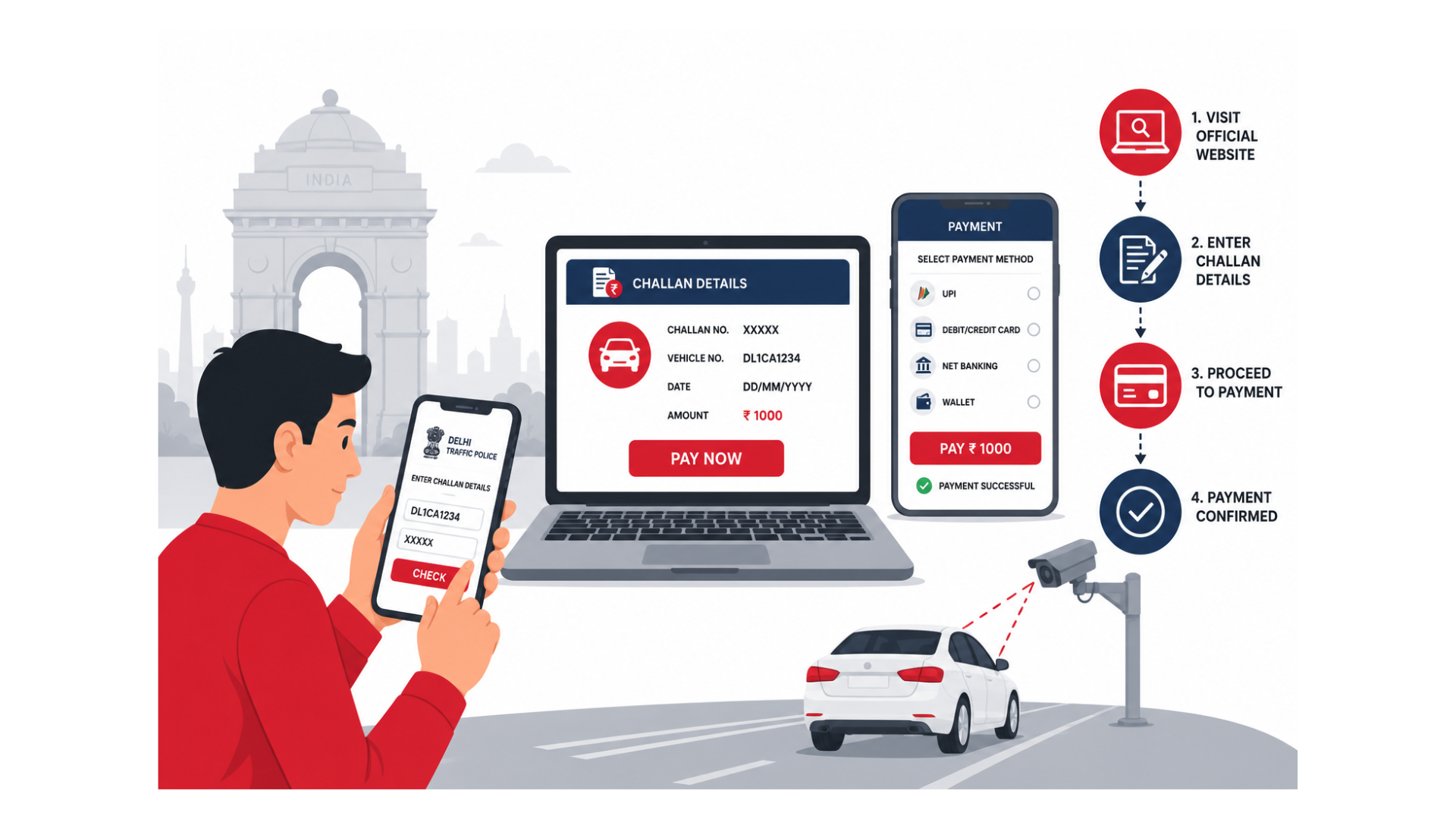
Getting a traffic challan is no longer a complicated process to manage. With the digitization of transport services, vehicle owners can now easily check pending challans, verify traffic violations, and make payments online within minutes.

By clicking the button, I authorize Paybima advisor to contact me via SMS, Email, Phone, WhatsApp or any other modes overriding my 'DND'.T&C Apply.
By clicking the button, I authorize Paybima advisor to contact me via SMS, Email, Phone, WhatsApp or any other modes overriding my 'DND'.T&C Apply.

