
₹1 Crore FD Interest Per Month in India
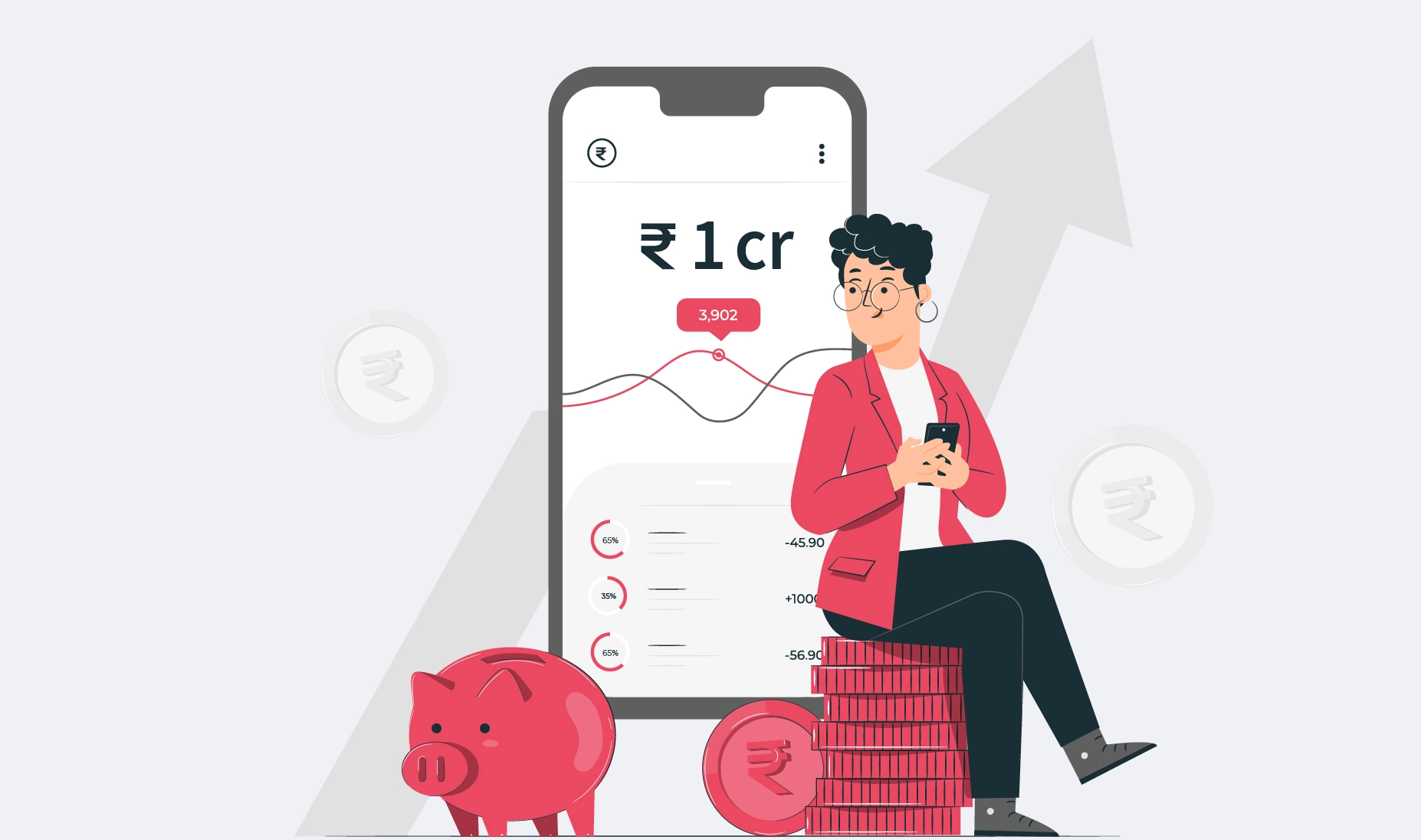
Investing in a ₹1 crore Fixed Deposit (FD) remains one of the safest ways to generate stable income in India. While market conditions and interest rates change over time, FDs still offer predictable returns with very low risk — making them ideal for retirees, conservative investors, or anyone seeking reliable monthly income.
1 Crore FD Monthly Interest: Rate-wise Table (2026)
This table shows the monthly payout for a Non-Cumulative FD (where interest is paid out every month rather than reinvested).

Key Takeaway for 2026
If you want a steady monthly income of at least ₹65,000, you should aim for a bank or NBFC offering at least 7.80% to 8.00%.
Many Indians dream of earning a big monthly income—like ₹1 lakh, or even ₹1 crore—just from bank interest. A fixed deposit (FD) is often seen as the safest way to make this happen. But is earning ₹1 crore per month in interest from an FD actually possible in 2026? Let's break down the real numbers in the simplest way possible.
How Does a Fixed Deposit Work?
-
You Deposit Money: You decide to put a certain amount of money (your Principal, e.g., ₹1 Crore) into an FD account for a specific time, called the Tenure (e.g., 1 year, 3 years, 5 years).
-
Bank Gives Fixed Interest: The bank promises to pay you a specific interest rate (e.g., 7% per year) for that entire tenure. This rate is fixed, so it won't change even if market rates go up or down later. This is what makes it a guaranteed return plan.
-
You Get Payouts:
-
Monthly/Quarterly Payout: If you want regular income (like a monthly "salary"), the bank sends the interest directly to your regular savings account. This is called a Non-Cumulative FD.
-
-
Maturity Payout: If you don't need monthly income, the bank adds the interest back into your FD, making your original money grow even bigger. You get the total amount (Principal + all Interest) at the end of the tenure. This is called a Cumulative FD.
When your FD reaches its end date (called Maturity), you get your original money back, plus all the interest earned.
Can ₹1 Crore FD Really Give Monthly Income?
The short answer is: Yes, but it depends on your lifestyle.
In India today, most top banks offer interest rates between 6.50% and 8.00%. At these rates, a ₹1 Crore FD can give you a steady monthly "salary" without you having to touch your original ₹1 Crore.
The Monthly Payout Calculation
If you put ₹1 Crore in a bank at an 8% interest rate, the math is simple:
-
Annual Interest: ₹8,00,000
-
Monthly Interest: ₹8,00,000 / 12 = ₹66,666
While ₹66,000 sounds great, remember that this is before tax. After a 10% TDS (Tax Deducted at Source) and further income tax based on your slab, your "in-hand" money might be around ₹50,000 to ₹55,000.

₹1 Crore FD Comparison: Top Banks & NBFCs
To help you maximize your monthly earnings, here is the most recent and detailed comparison of FD rates for a ₹1 Crore deposit as of January 2026.
In 2026, the market is split: Large banks offer safety and convenience, while Small Finance Banks and NBFCs offer significantly higher "salary-like" returns for those looking to maximize their monthly budget.
NBFC vs. Bank: Key Differences
Choosing between a bank and a Non-Banking Financial Company (NBFC) depends on your risk appetite.
Where can you get the best FD rates today?
To maximize the monthly income from your ₹1 Crore deposit in 2026, you need to look beyond standard 1-year or 5-year plans. Banks now offer "Sweet Spot" tenures—usually between 400 and 800 days—that provide significantly higher interest rates.
Below is the detailed data for the best FD rates available today for a ₹1 Crore investment.
Best FD Rates Comparison (January 2026)
Benefits of FD Laddering
Don't put all your ₹1 Crore into a single FD. Instead, use the Laddering Strategy.
-
Split the Amount: Break ₹1 Crore into 4 parts of ₹25 Lakh each.
-
Stagger the Tenures: Invest in 1-year, 2-year, 3-year, and 4-year FDs.
-
The Result: Every year, one FD matures. If interest rates have gone up, you can reinvest at a higher rate. If you need cash, you have ₹25 Lakh available without breaking all your investments.
Post-Tax Monthly Income (By Tax Slab)
When you earn interest on a ₹1 Crore FD, the bank deducts 10% TDS (Tax Deducted at Source) automatically if you have provided your PAN. However, this is just an interim tax. Your actual tax liability depends on your total annual income and the tax slab you fall into under the New Tax Regime (FY 2025-26 / AY 2026-27).
For a ₹1 Crore FD at an average interest rate of 7.5%, your annual interest is ₹7,50,000. Here is how much you actually take home every month after the government takes its share.
Total Annual Interest: ₹7,50,000 | Monthly Pre-Tax: ₹62,500
Strategy to Save More
If you find yourself in the 30% slab, you lose nearly ₹22,000 every month to taxes. To counter this:
-
Split the FD: Open FDs in the name of family members (like spouse or parents) who are in a lower tax bracket.
-
Debt Mutual Funds: While the tax laws have changed, some long-term debt instruments or Tax-Free Bonds might offer better post-tax yields than a 30%-taxed FD.
-
ULIPs/Guaranteed Plans: Consider moving a portion to a Life Insurance-linked Guaranteed Plan. In 2026, these are often popular because the "interest" (payout) can be tax-exempt under Section 10(10D) if the annual premium is within limits.
FD vs Insurance: Why Having Only an FD is Not Enough
Think of your ₹1 Crore FD as a big bucket of water. Every month, you take a small mug of water (the interest) to use for your home. This works great as long as the sun is shining.
But what happens if a "fire" (like a medical emergency) breaks out? You will have to throw the whole bucket of water to stop the fire. Once the bucket is empty, there is no more water (income) left for your home.
This is why Insurance is like having a fire extinguisher. It puts out the fire so your bucket of water stays full.
Why Health Insurance is Your FD's Best Friend
In 2026, a single hospital stay can cost ₹5 Lakh to ₹10 Lakh. If you don't have insurance, this money comes out of your FD.
-
Family Health Insurance Plan: This one policy covers you, your spouse, and your kids. Instead of losing your FD interest, the insurance company pays the hospital bill.
-
Best Health Insurance: Always look for a plan that has "Cashless Treatment." This means you don't pay anything at the hospital; the insurance company settles it directly.
-
Buy Mediclaim Online: It’s faster and cheaper. You can see all the details clearly on your phone and choose a plan in 5 minutes.
-
Senior Citizen Health Insurance: If you are over 60 or buying for your parents, these plans are special. They cover old-age illnesses that regular plans might skip.
FD vs. Health Insurance: A Simple Look
Other Ways to Protect Your Income
To make sure your ₹1 Crore keeps giving you money forever, you need a few more "shields":
-
Online Term Insurance: This is a very cheap plan. If something happens to you, your family gets a huge amount (like ₹2 Crore). They won't have to touch the FD to pay bills.
-
Guaranteed Return Plan: This is like a "Super FD." While bank rates change every year, this plan locks in your interest rate for 20 years or more.
-
Life Insurance Plans: These are not just for "death." Many plans today give you a big "Maturity Bonus" if you stay healthy, which you can add to your ₹1 Crore.
FAQs on ₹1Crore FD Interest Per Month (2026)
An FD is a safe investment where you deposit money with a bank/NBFC for a fixed tenure at a fixed interest rate to earn regular returns.
Based on interest rates, monthly interest may range roughly from ₹50,000 to ₹83,000+ before tax depending on the rate secured
Once your FD is booked, the interest rate is locked for the tenure — banks cannot reduce it retrospectively.
No. FDs provide income, whereas insurance protects against risks and uncertainties — both serve different purposes.

Author Bio
Paybima Team
Paybima is an Indian insurance aggregator on a mission to make insurance simple for people. Paybima is the Digital arm of the already established and trusted Mahindra Insurance Brokers Ltd., a reputed name in the insurance broking industry with 21 years of experience. Paybima promises you the easy-to-access online platform to buy insurance policies, and also extend their unrelented assistance with all your policy related queries and services.


Other Life Insurance Products


Latest Post
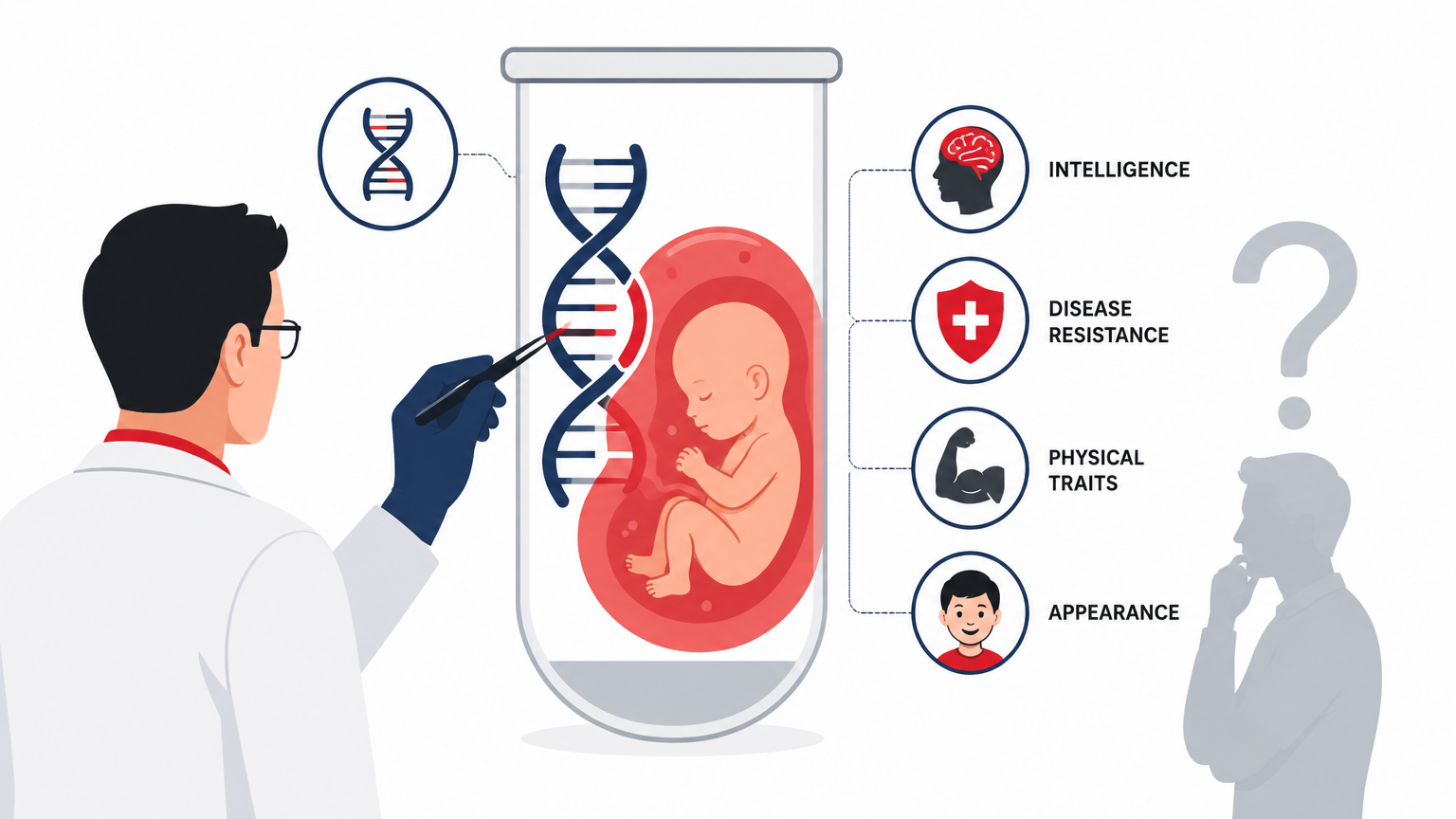
Recent scientific breakthroughs have reignited a fascinating and controversial question: Can parents one day choose specific traits for their babies, such as intelligence, height, athletic ability, or disease resistance?

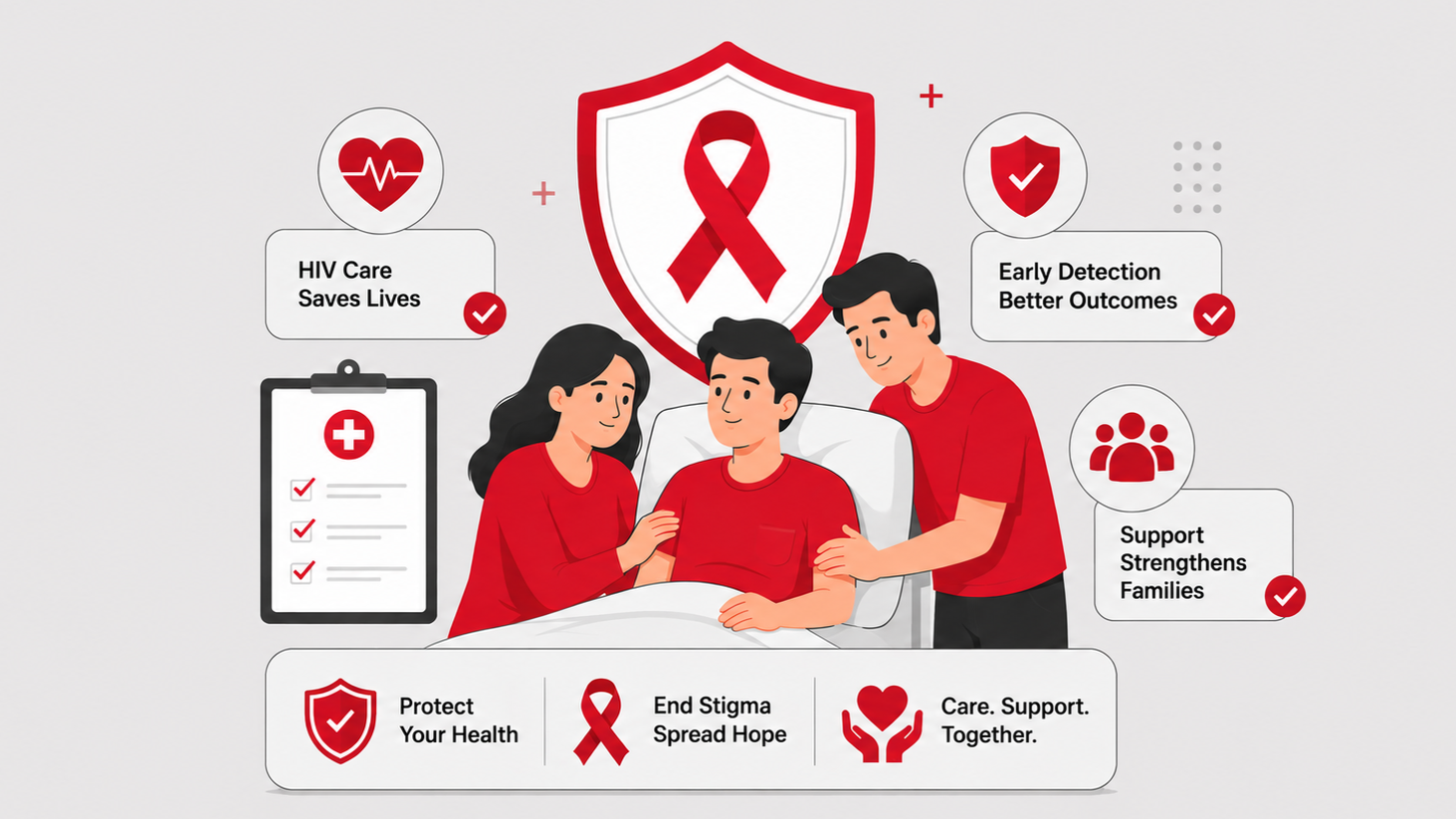
Discover why Mumbai is bucking the national trend with rising HIV deaths in 2026, even as Maharashtra and India report a significant decline. This easy-to-understand guide covers the latest NACO statistics, key reasons behind Mumbai’s challenge, and practical prevention steps for working professionals aged 25 to 55.
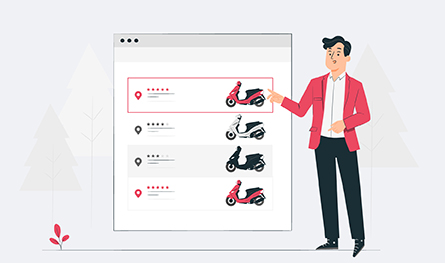
Looking for a reliable and affordable scooter in 2026? This guide covers the top 8 scooty under 1 lakh with real prices, mileage details, and why proper bike insurance matters.

Explore everything about the All-India National Permit in 2026. This detailed guide helps truck owners, fleet operators, and transporters understand fees, types, application steps, government rules, and tips to stay compliant while saving time and money on interstate logistics.
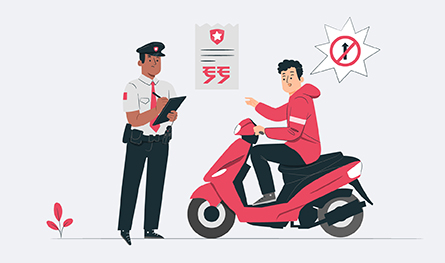
Driving on the wrong side of the road is dangerous as it causes the risk of accidents. India’s road traffic rules strictly prohibit people from driving their bikes on the wrong side of the road. However, many bikers continue doing the same. Hence, to avoid accidents on the road due to wrong-side driving, the government has imposed strict action against defaulters.


Speak to our Advisor
+91

By clicking the button, I authorize Paybima advisor to contact me via SMS, Email, Phone, WhatsApp or any other modes overriding my 'DND'.T&C Apply.