
7 Tips to Save Money with Low Income People in India
.png)
Easy-to-follow 2026 guide for low-income families in India: detailed 7 tips, real budget examples, latest March 2026 scheme rates (PPF 7.1%, SSY 8.2%), Atal Pension, PMJJBY, and affordable online term insurance for ₹1 crore cover. Save ₹3,000+ monthly without stress.
Key Takeaways
-
Save first – pay yourself before spending.
-
Use government schemes – they are cheap and safe.
-
Get online term insurance for big protection at low cost.
-
Start pension plans early for guaranteed old-age income.
-
Open child insurance plan or SSY for your kids.
-
Choose guaranteed return plan or investment plans for fixed growth.
-
Small ₹500-1,000 steps every month create lakhs in 10-15 years.
Life in India in 2026 is not easy when your monthly income is low – maybe ₹20,000 to ₹40,000. Prices of food, rent, and school fees keep rising, but many families still manage to save money, build safety nets, and plan for the future. The good news? You do not need a big salary. Simple habits, small monthly steps, and smart use of government schemes and easy insurance options can make a real difference.
With the right approach, even a family of four can save ₹3,000 to ₹5,000 every month without feeling pain. Here is a quick look at how a typical low-income household can split ₹25,000 salary in 2026:
| Category | Percentage | Amount (₹) | Examples |
|---|---|---|---|
| Needs (must-have) | 55% | 13,750 | Rent (₹7,000-8,000), groceries & milk (₹4,000), utilities & travel (₹1,750) |
| Wants (nice-to-have) | 25% | 6,250 | Eating out, mobile recharge, small shopping |
| Savings & Protection | 20% | 5,000 | Bank RD, insurance premium, emergency fund |
This 55-25-20 rule works better than the old 50-30-20 for low-income families because it leaves room for rising costs while forcing you to save first.
Now let’s dive into the 7 practical tips that actually work in 2026.
Tip 1: Track every rupee with a simple budget
Many families lose ₹1,000–₹2,000 every month without noticing. Start by writing down everything you spend for one full month. Use a cheap notebook or a free app like Money Manager or Walnut. Note daily items: morning chai ₹10 × 25 days = ₹250, evening snacks ₹20 × 20 = ₹400, extra mobile recharge ₹100, unused subscriptions like Netflix or Prime ₹149–199. After 30 days, you will see the pattern. Cut one or two leaks – like making tea at home or limiting outside food to twice a week – and you can easily save ₹1,500–₹2,500 more each month. This habit alone changes how you feel about money because you control it instead of it controlling you.
Track income and expenses weekly on paper or a free app.
-
Use the 50-30-20 rule: 50% needs (food, rent, utilities), 30% wants (small joys), 20% savings/debt.
-
Example: On ₹20,000 income → ₹10,000 needs, ₹6,000 wants, ₹4,000 savings.
-
Review every Sunday: Cut leaks like extra chai stalls or unused data packs.
-
This habit often helps families save ₹1,500–₹3,000 extra monthly and avoids surprise shortfalls.
Tip 2: Switch to zero-balance accounts with direct government benefits
Open a free Pradhan Mantri Jan Dhan Yojana account at a bank or post office.
-
No minimum balance required.
-
Link Aadhaar for free ₹2 lakh accident insurance cover.
-
Get LPG subsidies, pensions, scholarships, or other benefits directly transferred.
-
Park ₹500 monthly here – it earns 4% interest safely.
-
This keeps money secure and adds small automatic growth.
Tip 3: Invest in guaranteed return plans for steady, risk-free growth
Opt for safe investment plans like PPF (7.1% tax-free) or post office RD (6.7%).
-
PPF: Lock for 15 years, partial withdrawals after 7 years allowed.
-
Start ₹500 monthly – compounds to lakhs over time.
-
Perfect for goals like home repairs, weddings, or old-age needs.
-
These guaranteed return plans offer better safety than regular bank FDs in 2026.
Tip 4: Safeguard your family with affordable life insurance plans
Purchase online term insurance for high cover at low cost.
-
A 1 crore term plan typically costs ₹450–₹900 monthly for a healthy 30-year-old non-smoker (often lower for women; premiums vary by health/lifestyle).
-
Compare quotes online in minutes – no agents needed.
-
Keep free PMJJBY cover (₹436/year for ₹2 lakh) via your bank.
-
This protects loved ones from financial hardship if the unexpected happens.
Tip 5: Secure retirement income through pension plans
Enroll in Atal Pension Yojana (APY) or National Pension System (NPS) with small contributions.
-
APY guarantees ₹1,000–₹5,000 monthly pension after 60 (based on entry age and contribution).
-
Example: Age 30 entry for ₹5,000 pension → ~₹577 monthly contribution.
-
Government co-contribution for eligible low-income subscribers (first 5 years).
-
NPS offers potential 8–10% average returns with some equity mix.
-
These pension plans ensure independence in old age without burdening children.
Tip 6: Build an emergency fund and explore small extra earnings
Aim for 3–6 months' expenses (₹30,000–₹60,000) in a savings account first.
-
Add ₹500–₹1,000 monthly until achieved.
-
Then add side income: Home-based snacks, evening tuition, app-based delivery, or local sales.
-
Many low-income families earn extra ₹2,000–₹5,000 monthly this way.
-
Avoid high-interest loans for festivals – rely on saved funds for calm.
Tip 7: Save for your child’s future and other goals
Kids grow fast – education and marriage costs lakhs. For a girl child, open Sukanya Samriddhi Yojana (SSY) – 8.2% interest in 2026 (highest safe rate), tax-free, minimum ₹250/year. Money locked till girl is 21 or marries. For any child, look at simple child insurance plan that mixes savings + life cover. Or choose guaranteed return plan from insurers like Tata AIA or Bajaj – they promise fixed returns (around 5–7% guaranteed) plus life cover. Many start with ₹500–₹1,500 monthly. Investment plans like these grow steadily without stock market ups and downs. Example: ₹1,000 monthly in SSY or guaranteed plan for 15 years can become ₹3–5 lakh+ for college fees.
Here is updated comparison (March 2026 rates):
| Scheme / Plan | Interest / Return | Minimum Monthly/Year | Lock-in / Tenure | Best For |
|---|---|---|---|---|
| Post Office RD | 6.7% | ₹100/month | 5 years | Short-term goals |
| Public Provident Fund (PPF) | 7.1% | ₹500/year | 15 years | Tax-free retirement |
| Sukanya Samriddhi Yojana (SSY) | 8.2% | ₹250/year | Till age 21 | Girl child's future |
| Atal Pension Yojana | Guaranteed pension | ₹42+ | Till 60 | Old-age monthly income |
| Online 1 Crore Term Plan | Life cover only | ₹500–900 | 20–40 years | Family big protection |
FAQs: 7 Tips to Save Money with Low Income People in India
Start small and automatic. Track your spends for 30 days to find leaks (like ₹500–₹1,000 on snacks or extra data). Then, set up auto-debit for ₹500–₹1,000 into a Post Office Recurring Deposit (RD) on salary day. In March 2026, 5-year RD gives 6.7% interest. Even ₹500 monthly grows to about ₹35,000–₹36,000 in 5 years with interest. Use the 55-25-20 budget rule: 55% needs, 25% wants, 20% savings/protection.
Yes, they are safe, government-backed, and often tax-free. Key ones include:
-
Pradhan Mantri Jeevan Jyoti Bima Yojana (PMJJBY): ₹436–₹500 per year for ₹2 lakh life cover.
-
Pradhan Mantri Suraksha Bima Yojana (PMSBY): ₹20–₹25 per year for ₹2 lakh accident cover.
-
Atal Pension Yojana (APY): Start from ₹42 monthly (age 25) for guaranteed ₹1,000 pension from age 60.
These cost almost nothing but give quick help if something happens.
Rates stayed the same for January–March 2026 (Q4 FY 2025-26):
-
Public Provident Fund (PPF): 7.1% p.a. (tax-free, 15-year lock-in).
-
Sukanya Samriddhi Yojana (SSY): 8.2% p.a. (highest safe rate, for girl child, tax-free).
-
Post Office RD (5-year): 6.7%.
-
National Savings Certificate (NSC): 7.7%.
These are unchanged for many quarters, making them reliable for long-term goals like retirement or child's education.
Yes, especially for low-income families. Online term insurance is pure protection (no savings part), so premiums are 30–50% lower. Buy in 10–15 minutes, compare quotes, and get the same cover. Many families pay ₹400–₹600/month for ₹1 crore and feel secure. Check claim settlement ratios (most are 98–99%+).
Use pension plans like Atal Pension Yojana – government guarantees monthly pension from age 60. Or PPF for tax-free growth. Start small: ₹100–₹300 monthly in APY or PPF. Combine with life insurance plans that have savings. Even ₹200 monthly in APY gives ₹1,000+ pension later. The key is starting early – compound interest works magic over 30 years.

Author Bio
Paybima Team
Paybima is an Indian insurance aggregator on a mission to make insurance simple for people. Paybima is the Digital arm of the already established and trusted Mahindra Insurance Brokers Ltd., a reputed name in the insurance broking industry with 21 years of experience. Paybima promises you the easy-to-access online platform to buy insurance policies, and also extend their unrelented assistance with all your policy related queries and services.


Other Life Insurance Products


Latest Post
Tax season can be stressful, but avoiding these common ITR mistakes helps you claim rightful refunds faster and stay compliant. Learn practical advice tailored for working professionals and families in India.

Empowering women with financial security! Explore top LIC policies in 2026 tailored for savings, life cover, and family protection. Ideal for working professionals, homemakers, and mothers aged 25-55.
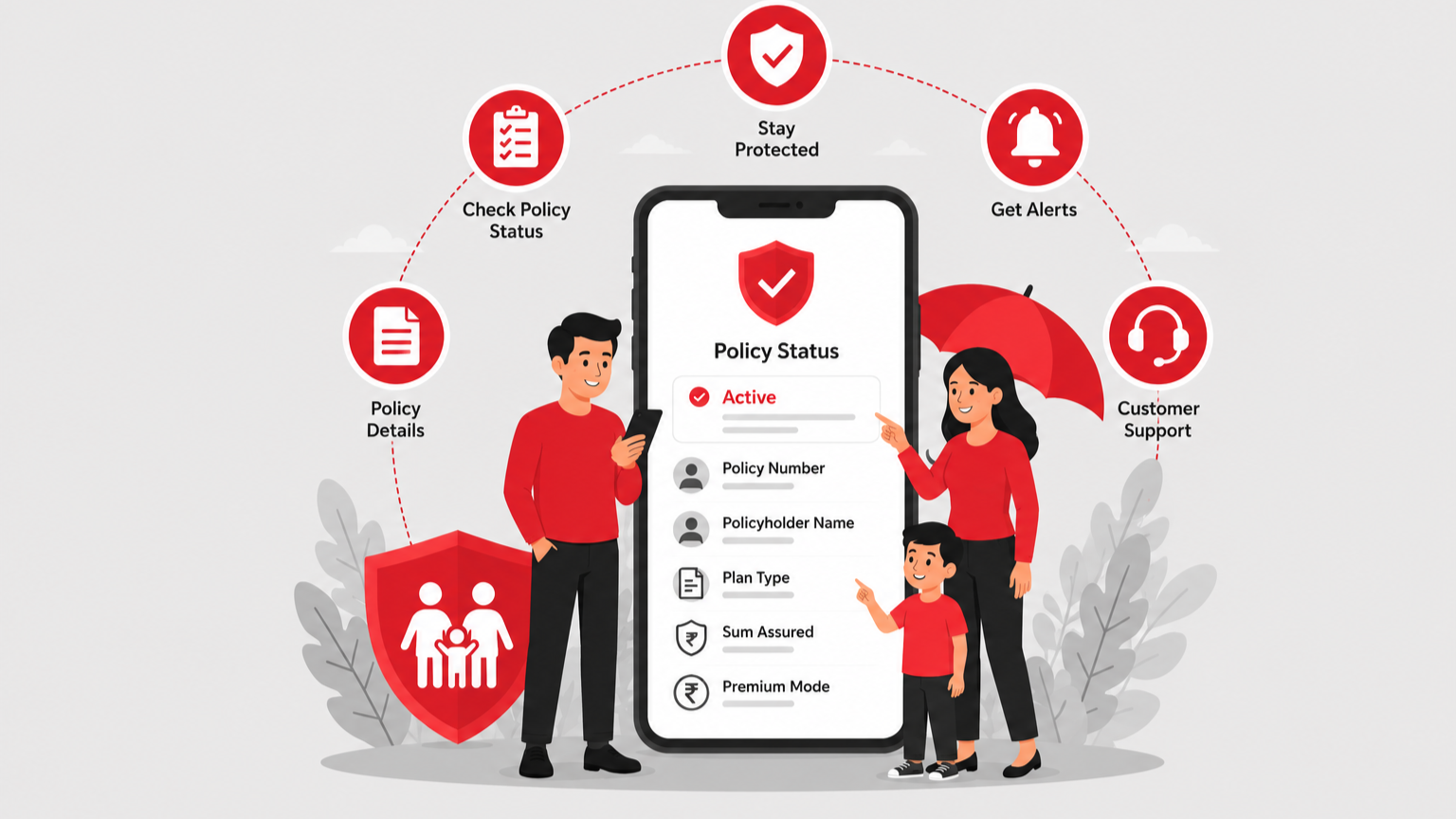
In today’s busy world, keeping track of your life insurance is important for financial security. This easy guide shows how to check your ICICI Prudential policy status quickly so you can manage investment plans, term plans, or guaranteed return plans without stress.
Not too long ago, many Indian families viewed insurance as an optional investment or something only needed in old age. However, a major shift is happening across the country. Today, having a comprehensive health policy is no longer just a choice—it has become a financial necessity for every single household.
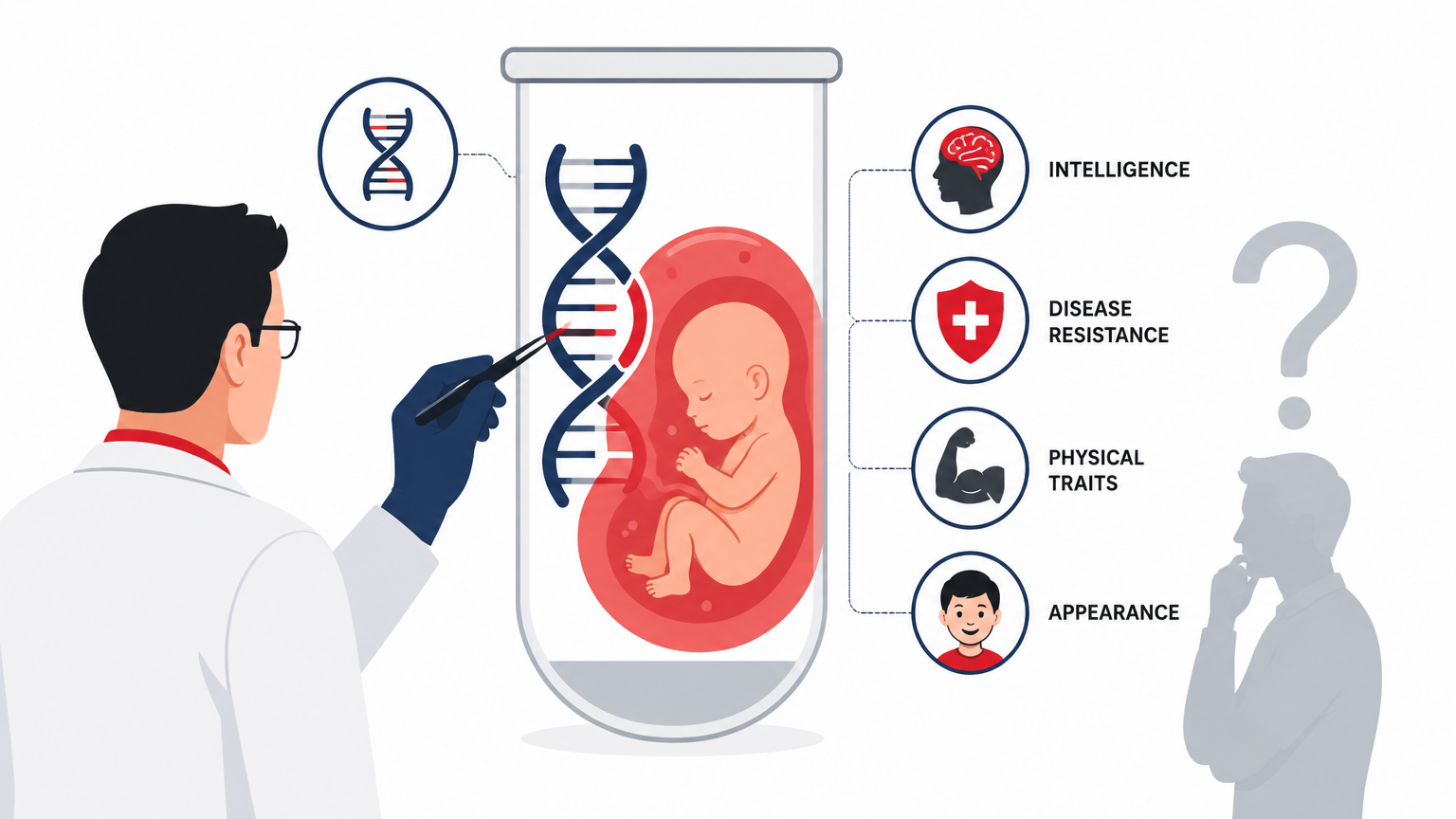
Recent scientific breakthroughs have reignited a fascinating and controversial question: Can parents one day choose specific traits for their babies, such as intelligence, height, athletic ability, or disease resistance?


Speak to our Advisor
+91

By clicking the button, I authorize Paybima advisor to contact me via SMS, Email, Phone, WhatsApp or any other modes overriding my 'DND'.T&C Apply.