
Updated List of Rules for Traffic Violations and Fines in India
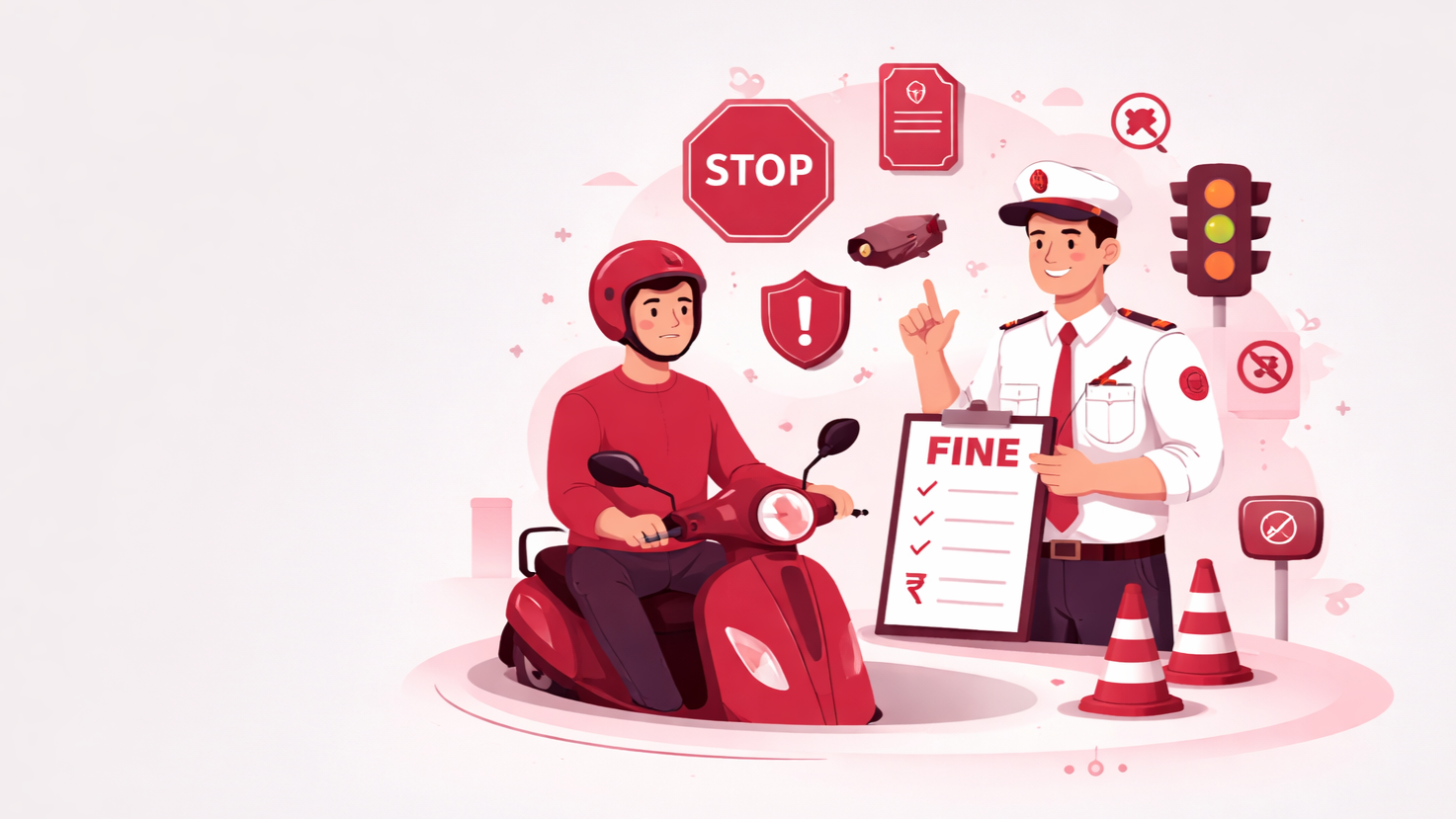
A simple, practical guide to the latest 2026 traffic rules and fines in India. Learn common penalties, new licence suspension rules, and why keeping your motor insurance updated is smart. Perfect for daily commuters and families who want safer roads without the hassle.
Key Takeaways
-
Traffic fines in 2026 are high but completely avoidable with basic care.
-
Always carry a valid motor insurance policy — whether two wheeler insurance, four wheeler insurance, or commercial vehicle insurance — to skip the ₹2,000 penalty and stay covered.
-
Five violations in a year can now lead to licence suspension.
-
Helmet, seatbelt, and no mobile use are non-negotiable.
-
Digital documents and online payments make life easier.
-
Renew insurance easily — many drivers now buy insurance online for bike or choose online car insurance for speed and convenience.
-
Safe driving plus personal accident insurance gives full protection for your family.
Driving on Indian roads can feel like a daily adventure, but small mistakes can lead to big trouble. In 2026, traffic rules under the Motor Vehicles Act are stricter than ever to keep everyone safer. Whether you drive a car to office, ride a bike for errands, or handle a truck for work, knowing the latest fines helps you stay out of trouble and save money. These rules focus on simple things like wearing a helmet, following signals, and carrying proper papers. The good news? Most violations are easy to avoid with basic care. Let’s break it down clearly so you can drive worry-free.
Common Traffic Violations and Fines in India (2026)
Fines are set by the central law but can change a bit from state to state. Here is a clear table of the most common ones you might face this year:
| Traffic Violation | First-Time Fine (₹) | Repeat Fine (₹) | Extra Penalty |
|---|---|---|---|
| Driving without valid licence | 5,000 | 5,000 | Licence may be suspended |
| Driving without insurance | 2,000 | 4,000 | Up to 3 months jail or vehicle impound |
| Not wearing helmet (rider or pillion) | 1,000 | 1,000 | 3-month licence disqualification |
| Not wearing seatbelt | 1,000 | 1,000 | None |
| Overspeeding (light vehicles) | 1,000–2,000 | 2,000–4,000 | Licence seizure possible |
| Using mobile phone while driving | 5,000 | 10,000 | None |
| Jumping red light | 500–1,000 | Up to 5,000 | Court case in serious cases |
| Drunk driving | 10,000 | 15,000 | Jail + licence suspension |
| Dangerous or rash driving | 5,000 | 10,000 | Vehicle impound + court |
| No Pollution Under Control (PUCC) | 500–10,000 | Same | None |
| Wrong-side driving | 500–5,000 | Higher | None |
| Not giving way to emergency vehicle | 10,000 | 10,000 | Court case |
| Triple riding on two-wheeler | 1,000 | 1,000 | 3-month licence disqualification |
These amounts come from the latest enforcement under the 2019 Act, which most states follow fully in 2026. Always check your state transport website for exact local rates.
Essential Paperwork: Don't Get Caught Without These
In 2026, the excuse I forgot my papers at home no longer works. Digital copies on DigiLocker or mParivahan are mandatory and legally valid. However, the penalties for expired documents have nearly doubled.
1. Vehicle Insurance
Whether you have a scooty or a luxury sedan, having active insurance is non-negotiable.
-
Two Wheeler Insurance: Essential for all bikes and scooters. Riding without it can lead to a ₹2,000 fine and the disqualification of your licence.
-
Online Car Insurance: Most drivers now prefer to buy insurance online for bike or car because it's faster and provides instant digital certificates that sync with the RTO database.
-
Commercial Vehicle Insurance: For those operating taxis or trucks, the fines for missing insurance are even steeper, often involving the suspension of the vehicle's permit.
2. Personal Accident Insurance
While many focus on the vehicle, the 2026 guidelines emphasize personal accident insurance. This is often bundled with your primary four wheeler insurance or bike policy and provides a safety net for the driver in case of permanent disability or death due to an accident.
Rules for Two-Wheeler Riders
Riders are under heavy scrutiny this year. The Twin Helmet rule is now strictly enforced nationwide, meaning both the rider and the pillion passenger must wear ISI-marked helmets.
-
Triple Riding: Attracts a ₹1,000 fine and 3 months of licence suspension.
-
Helmet Straps: If your helmet is not fastened properly, it is treated the same as not wearing one.
-
Bike Modifications: Aftermarket loud silencers or flashy LED lights can lead to immediate fines of up to ₹5,000.
Rules for Four-Wheeler Drivers
Safety for car occupants has moved beyond just the front seats.
-
Rear Seatbelts: All passengers must be buckled up. If a passenger in the back seat isn't wearing a belt, the driver is fined ₹1,000.
-
Distracted Driving: Using a handheld mobile phone, even for navigation while holding it, is a ₹5,000 offence. It is highly recommended to use a dashboard mount.
Impact of Modern Technology: E-Challans
Most traffic enforcement in 2026 is automated. AI-based CCTV cameras and Automatic Number Plate Recognition (ANPR) systems detect violations without a physical police presence.
-
Payment Deadline: You now have 45 days to pay or contest an e-challan.
-
Consequences of Non-payment: If a fine remains unpaid, you will be blocked from services like RC renewal, selling your vehicle, or even renewing your motor insurance policy.
Big Change in 2026: Five Violations Can Cost You Your Licence
Starting January 1, 2026, a new rule is in place. If you collect five or more traffic offences in one year — even small ones like no helmet or jumping a signal — the Regional Transport Office can suspend your driving licence. The authority will give you a hearing first, but it is a clear warning: repeated mistakes are no longer ignored. This change aims to stop habitual rule-breakers and make roads safer for everyone.
Other Rules You Should Know
-
Always stop for ambulances and fire engines.
-
Park only in allowed spots — towing fees are extra.
-
Keep your vehicle’s lights and horn working properly.
-
No loud music or smoking inside while driving in many cities.
These small habits cost nothing but can prevent big problems.
How to Check and Pay Challans Easily
Most challans now come via SMS or the e-Challan portal. Visit echallan.parivahan.gov.in, enter your vehicle number, and pay instantly with UPI, card, or net banking. Pay within 60 days to avoid extra fees. Many states also let you pay through apps like Paytm or your state transport app.
Tips to Stay Safe Every Day
-
Check your speed on highways and city roads.
-
Put your phone on silent or use Bluetooth.
-
Wear helmet and seatbelt without fail — they save lives.
-
Get your vehicle serviced and PUCC renewed on time.
-
Teach young riders in the family the same rules you follow.
Simple steps like these keep you and your loved ones protected.
FAQs on Traffic Rules on 2026
First time: ₹2,000. Repeat: ₹4,000 (plus possible jail). Keep your motor insurance policy active to avoid this.
Yes. If you get five or more offences in one year, the RTO can suspend your licence after giving you a chance to explain.
Absolutely. Use the official Parivahan e-Challan website or mParivahan app. Pay with UPI in minutes.
Yes, ₹1,000 for both rider and pillion, plus possible three-month licence disqualification.
Many people now buy insurance online for bike or choose online car insurance. It takes just a few clicks and gives instant coverage proof.
Starting in 2026, many insurance companies are linking premiums to your traffic violation history. More challans could mean higher premiums for your four wheeler insurance.
Yes, digital copies on government-approved apps like DigiLocker are 100% valid in 2026.

Author Bio
Paybima Team
Paybima is an Indian insurance aggregator on a mission to make insurance simple for people. Paybima is the Digital arm of the already established and trusted Mahindra Insurance Brokers Ltd., a reputed name in the insurance broking industry with 21 years of experience. Paybima promises you the easy-to-access online platform to buy insurance policies, and also extend their unrelented assistance with all your policy related queries and services.


Other Motor Insurance Products


Latest Post
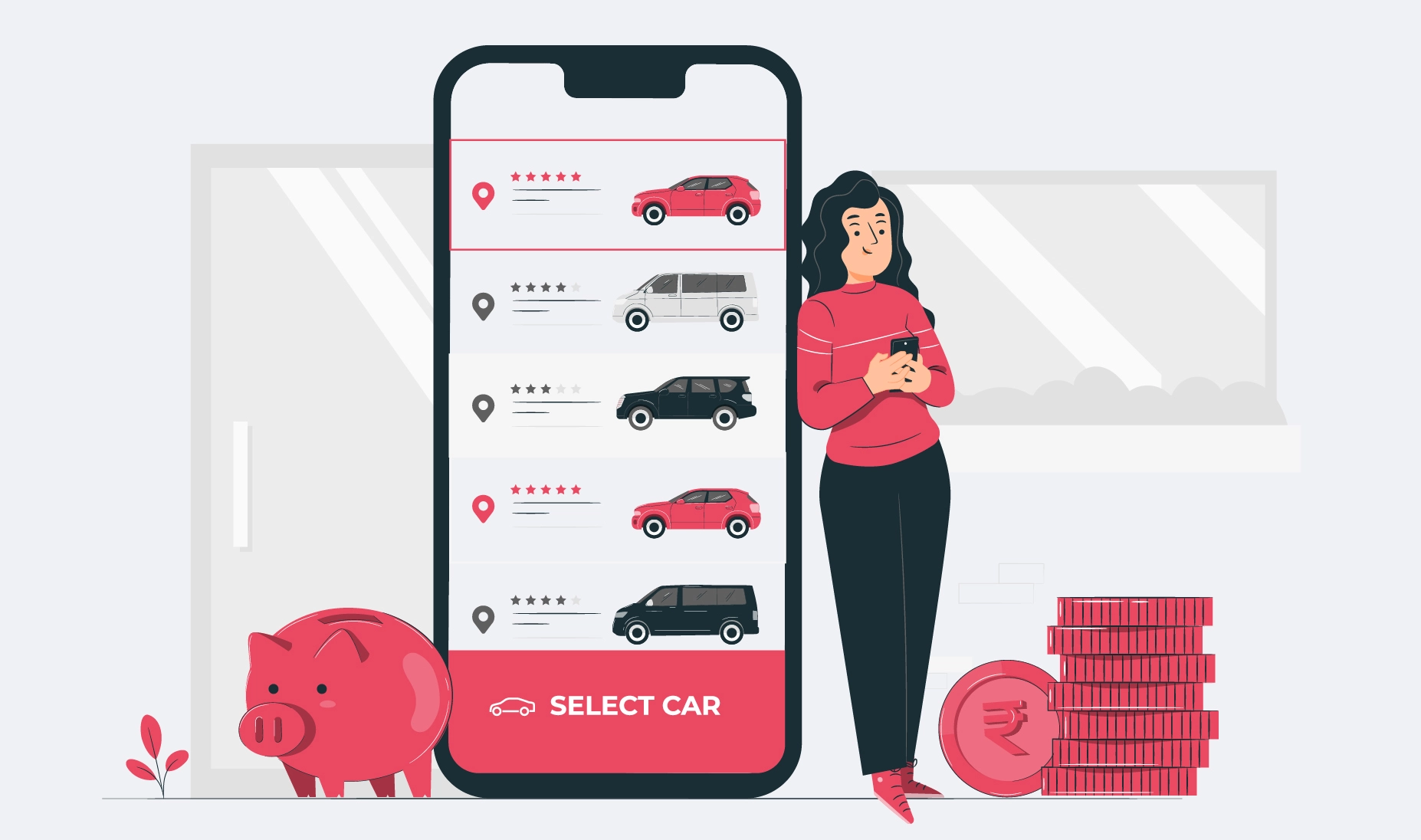
Buying a car doesn't always mean breaking the bank. If you're looking for an affordable vehicle that doesn't compromise on quality or reliability, 2026 is a great year to make your purchase.

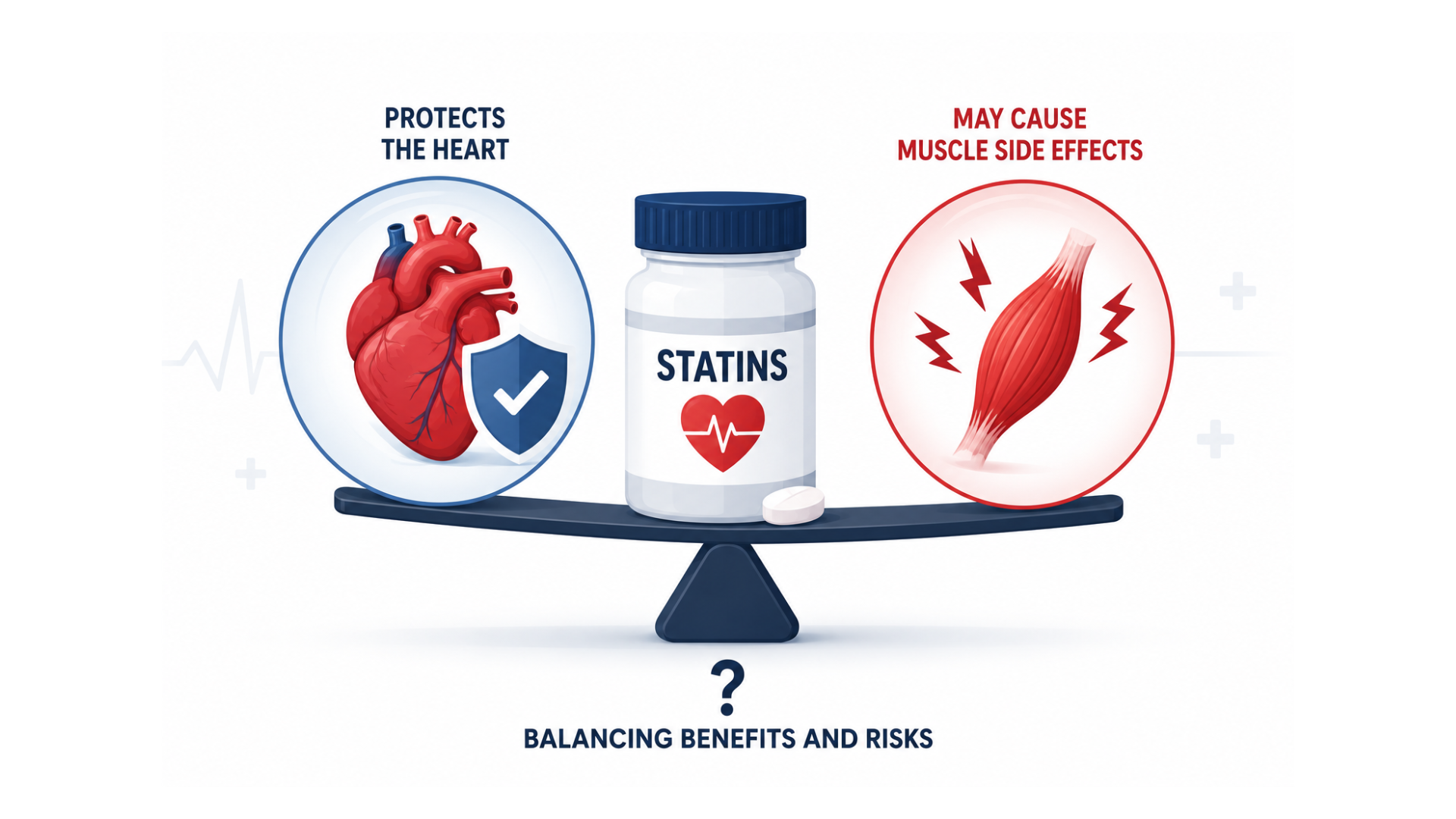
Statins are among the most commonly prescribed medications worldwide for reducing cholesterol and preventing serious cardiovascular diseases such as heart attacks and strokes.
Explore everything about the All-India National Permit in 2026. This detailed guide helps truck owners, fleet operators, and transporters understand fees, types, application steps, government rules, and tips to stay compliant while saving time and money on interstate logistics.
Commercial vehicles are the backbone of India's transportation and logistics industry. From trucks carrying goods across states to taxis, buses, school vans, ambulances, auto-rickshaws, and delivery vehicles serving daily commuters and businesses, these vehicles play a vital role in the country's economy.


Speak to our Advisor
+91

By clicking the button, I authorize Paybima advisor to contact me via SMS, Email, Phone, WhatsApp or any other modes overriding my 'DND'.T&C Apply.