
How to Check NCB for Bike Insurance in India
.png)
NCB or No Claim Bonus is a discount offered by insurance company in the rate of premium paid by an insurance policy holder. This discount is offered by insurance provider to the policy owner in case he/she has not made any claims throughout a policy year of his/her insurance. Thus, NCB plays a significant role in bike insurance. NCB presents many benefits, but it can only be used by the policy holder to claim for damages caused to his/her own bike. To draw maximum benefits of NCB, it is important to calculate the discounts well.
In this blog, we are discussing what NCB means in insurance, its benefits, how to calculate NCB and other important NCB details for better understanding of the term.
What is No Claim Bonus(NCB) in bike insurance? Why is it so important?
NCB is a discount/reward available to bike insurance policy owners for making no claims in a policy year. Thus, it encourages bike owners to travel safe, and keep their bikes in good condition. With NCB, insurance providers encourage bike insurance policy owners to ensure safe driving so that no claims are required.
The NCB in bike insurance can be utilized by the insured in terms of low premium that they can pay at the time of renewing their insurance policy. Another way to use the NCB is through increasing the amount of sum insured money in the policy.
Advantages of No Claim Bonus (NCB)
Insurance companies offer NCB as a reward to the owner of a bike insurance policy if the insured has not made any claims during a policy year. NCB offers numerous benefits including:
- Reward/Discount – No Claim Bonus serve as a symbol of gratitude coming from the insurer to the insured of a bike insurance policy. Bike insurance owners willing to earn the benefits of NCB drive safely and maintains their bikes well. Thus, NCB, in a way help bikers to be responsible in their driving skills.
- Easy to Transfer – The reward of NCB is offered to the policy owner and thus it stays with the policyholder even if he/she switches policy provider. Thus the reward of NCB can be transferred to the new insurance provider at the time of renewal (in case the insured wants to move to a new insurance provider).
- Limits the rate of premium – One very important aspect of NCB is that it reduces the rate of premium in a policy at the time of renewal. And this reduction in the premium help the policy owner to a great extend. Moreover, NCB gets collected with every claim free year, which makes the policy cost-effective for the policy owner with every claim free year.
Also, since the benefits of NCB stays with the policy owner so if he/she sells his/her bike to purchase a new one, even in that case the policy owner can utilize the benefit of NCB to get a discounted insurance premium on the new bike insurance.
How to calculate NCB in bike Insurance?
If a bike insurance policy owner makes no claims in a policy year, he/she is qualified for discounts in the form of NCB. The NCB discount can be used by the policy owner in reducing the amount of premium to be paid in the following year during the time of policy renewal.
Now, in NCB, the discounts collected by the end of a policy year gets moved to the next year. Similarly, the discounts of the previous year and the current year will again gets collected together and moved to the third year, and this continues. And thus the calculation for the same is done annually during the period of policy renewal.
Before you know how to calculate, check the amount of discounts offered on yearly basis on NCB in bike insurance:
| Year (Claim-Free) | Applicable No Claim Bonus (percentage of the total premium amount) |
| First-year | 20% |
| Second-year | 25% |
| Third-year | 35% |
| Fourth-year | 45% |
| Fifth-year | 50% |
Thus, it makes clear that the greater the number of claim free years, the maximum is the discount you receive.
How to calculate NCB in Bike Insurance- Let’s Understand with Example
To understand how to check NCB in bike insurance or the process to calculate NCB, let’s take an example:
Rahul bought an insurance on his bike and as per the plan he had to pay 10,000 rupees as premium. Now, Rahul didn’t claim for any damage during the initial year of the policy, and thus got a 20% discount on his next year’s premium. So, Rahul can now pay a premium of 8000 rupees on his bike insurance in the second year of the policy term. But if Rahul would have made a claim during the first year of the policy, he would not have received this discount.
Conditions when NCB reward gets rejected
Here are the situations when your request of NCB in bike insurance can get rejected:
- First is, of course, in case the insured makes any claim during the policy period then the NCB is rejected.
- Secondly, in case the insured person doesn’t renew the policy within 3 months of the actual expiry date of the policy, the NCB request becomes null and void.
Things to remember
- The discount amount of a policy can’t be shared between different policies but in one policy only.
- If the insured ends the policy before the actual date of termination of the policy. In this case, the NCB discount is not offered to the insured during that year.
- In case an insured person decides to shift from the earlier insurance provider to a new one, NCB that he earned from the first policy provider can be moved to the new company.

Author Bio
Paybima Team
Paybima is an Indian insurance aggregator on a mission to make insurance simple for people. Paybima is the Digital arm of the already established and trusted Mahindra Insurance Brokers Ltd., a reputed name in the insurance broking industry with 21 years of experience. Paybima promises you the easy-to-access online platform to buy insurance policies, and also extend their unrelented assistance with all your policy related queries and services.


Other Motor Insurance Products


Latest Post
You're sitting with your CA on July 28, ready to file your IT return. Your CA asks, "Do you have all investment receipts?" You scramble through documents, realizing some proof is missing. This panic is avoidable.

Buying bike insurance online used to seem complicated. But today, purchasing coverage for your two-wheeler is simpler than ever. The challenge now isn't availability—it's choosing the right bike insurance from dozens of options.
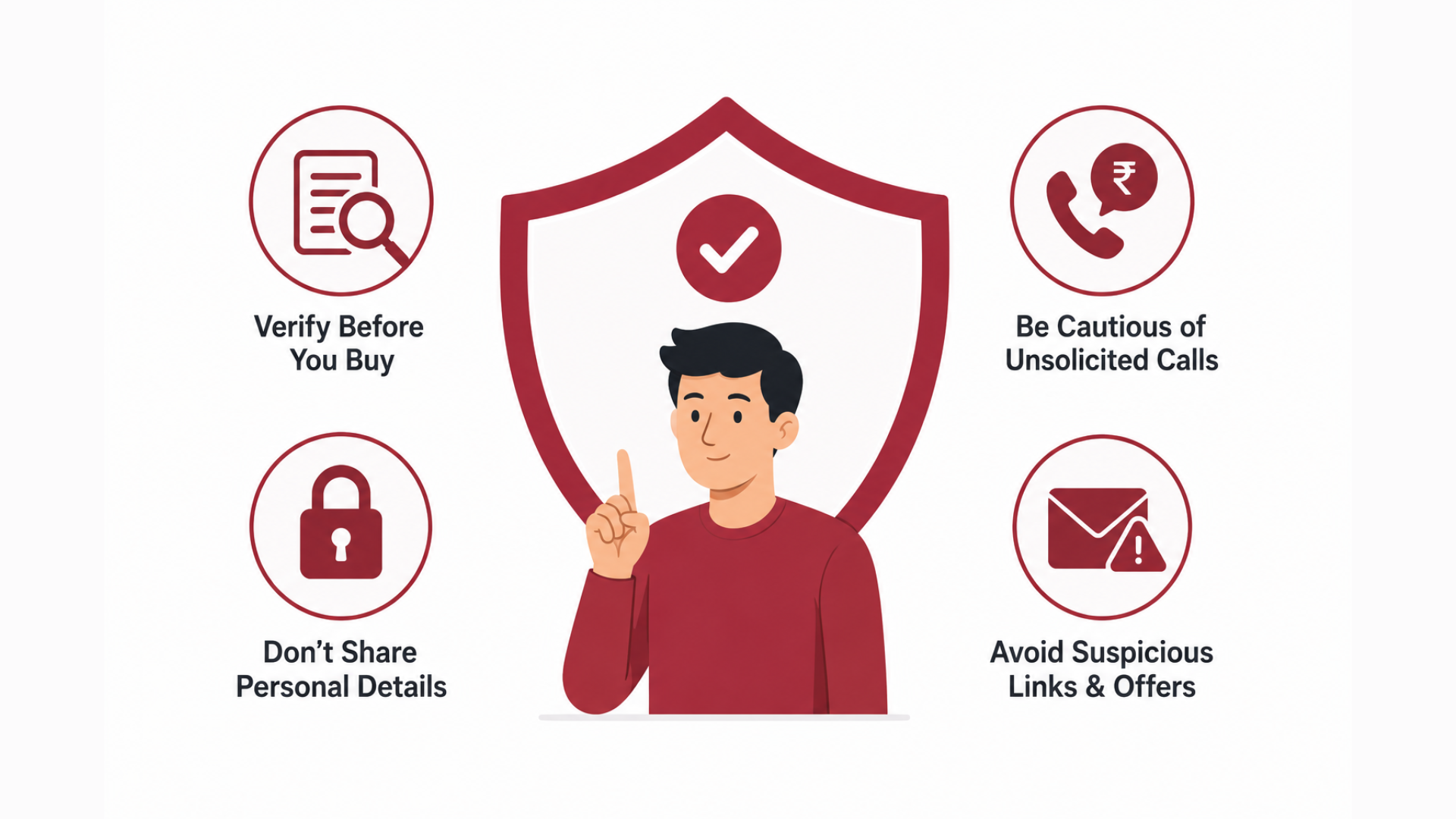
Insurance is an important financial safety net that protects individuals and families against unexpected medical expenses, accidents, loss of income, and other financial risks.
.png)
It's June. The monsoons are here. Suddenly, you develop high fever, body aches, and headache. Your doctor suspects dengue. Your first concern after "Will I be okay?" is "How much will this cost?" This is a question millions of Indians face annually, especially during monsoon and post-monsoon seasons when dengue cases spike.
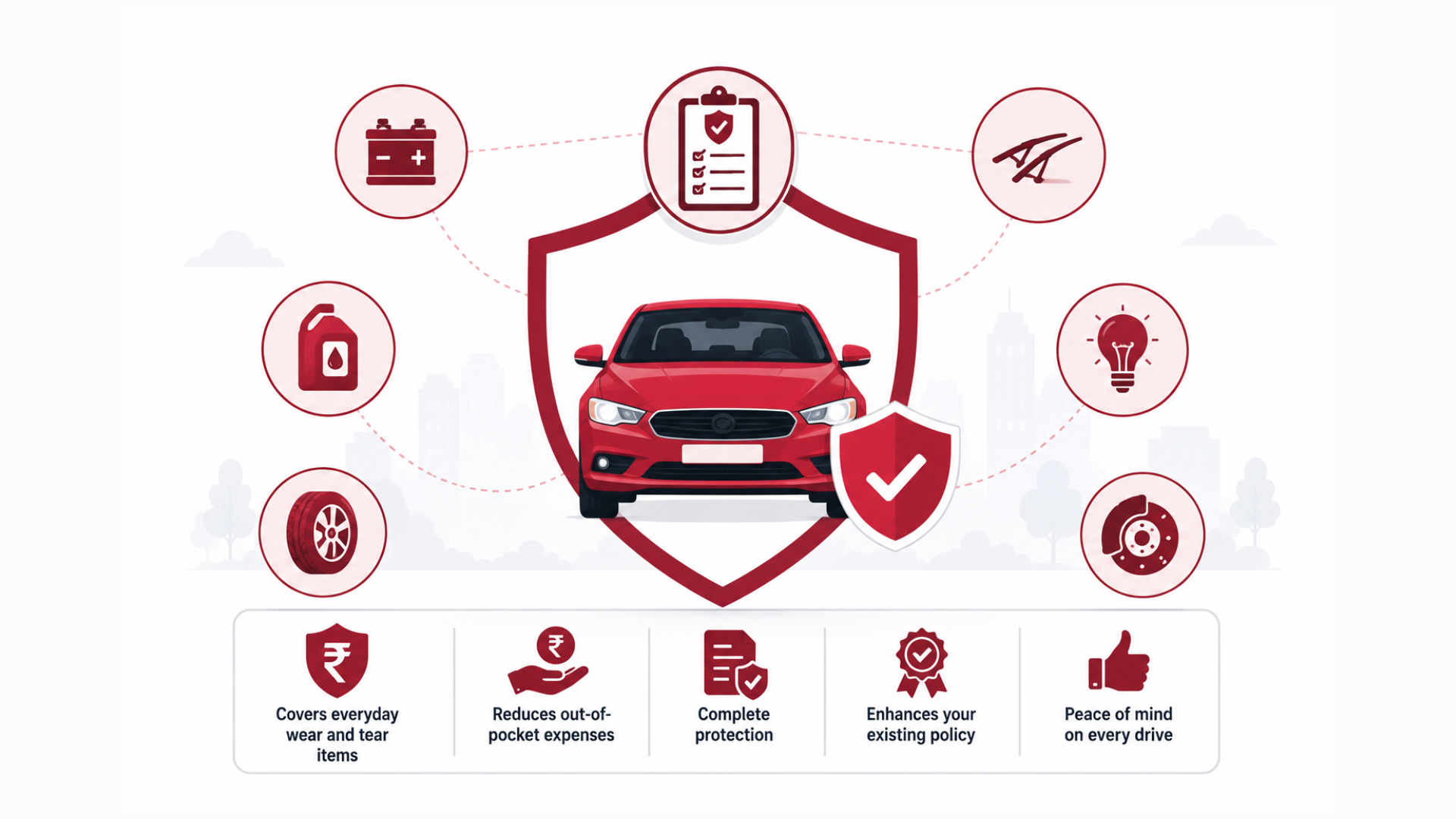
You've just purchased your dream car. You maintain it religiously—regular washing, polishing, timely servicing.


Speak to our Advisor
+91

By clicking the button, I authorize Paybima advisor to contact me via SMS, Email, Phone, WhatsApp or any other modes overriding my 'DND'.T&C Apply.