
How to transfer your NCB from an old bike to new bike insurance
.png)
The No Claim Bonus (NCB) in bike insurance is one of the most valuable rewards that policyholders receive for safe and responsible riding. When a rider completes a policy year without making any claims, the insurance provider offers a discount on the premium during the next motor insurance renewal.
Over time, this discount increases and can significantly reduce the cost of motor insurance.
What many riders may not know is that the NCB is linked to the policyholder and not the vehicle. This means that if you sell your old bike and purchase a new one, you can transfer the accumulated NCB to your new bike insurance policy. The same applies if you decide to switch from one insurer to another. By transferring your NCB, you can continue enjoying premium discounts without losing the benefits you have earned.
Key Takeaways
-
No Claim Bonus (NCB) is a reward for maintaining a claim-free record in bike insurance.
-
NCB can be transferred from an old bike to a new bike insurance policy.
-
The bonus belongs to the policyholder and not the vehicle.
-
NCB can also be transferred when switching insurers.
-
The maximum NCB discount in motor insurance can reach up to 50% after several claim-free years.
What is No Claim Bonus in Bike Insurance?
No Claim Bonus (NCB) is a discount provided by insurers to policyholders who do not file any claims during the policy period. This incentive encourages riders to drive responsibly and avoid unnecessary claims.
Every year that you maintain a claim-free record, your NCB increases gradually. When it is applied to your motor insurance renewal, it reduces the premium amount you need to pay.
NCB Discount Structure in Two-Wheeler Insurance
Over time, this discount can significantly reduce the overall cost of bike insurance, especially for long-term policyholders.
Why is it Important to Transfer Your NCB?
Transferring your NCB is important because it represents the reward you have earned for safe riding and responsible vehicle usage. If you do not transfer the NCB while buying a new bike or switching insurers, you may lose the accumulated discount.
For example, if you have earned a 50% NCB over five years and fail to transfer it, you may have to pay the full premium again. By transferring your NCB to your new motor insurance policy, you continue to enjoy the financial benefits of your claim-free history.
Another key reason to transfer your NCB is that it allows you to maintain continuity in your insurance benefits. Whether you purchase a new bike or switch insurance providers, the accumulated discount remains valid as long as you follow the correct process.
Steps to Transfer NCB from an Old Bike to a New Bike
The process of transferring the No Claim Bonus is simple and straightforward. By following a few essential steps, you can easily apply the bonus to your new bike insurance policy.
1. Inform Your Insurance Provider
The first step is to inform your existing insurance provider that you are either selling your old bike or switching to another insurer. This notification allows the insurer to initiate the process of issuing the NCB certificate.
It is important to communicate with the insurer before cancelling the existing policy so that your NCB details are properly recorded.
2. Obtain the Required Documents
To transfer the NCB successfully, you need to submit certain documents. These documents confirm that you have maintained a claim-free record and are eligible for the bonus.
Common documents required include:
-
NCB Certificate issued by your previous insurer
-
Transfer certificate confirming your eligibility for the bonus
-
Form 29 and Form 30, which represent the agreement between the buyer and seller of the vehicle
-
Delivery note confirming that the vehicle has been handed over to the new owner
The NCB certificate is the most important document in this process because it verifies your claim-free history.
3. Buy Insurance for the New Bike
Once you have the necessary documents, you can purchase a new bike insurance policy for your new vehicle. During the purchase process, submit the NCB certificate so the insurer can apply the corresponding discount.
Many riders now prefer buying motor insurance online because it allows them to upload documents digitally and quickly apply NCB benefits.
4. Pay the Discounted Premium
After the insurer verifies your NCB certificate, the applicable discount will be applied to the premium amount. You can then pay the reduced premium and activate your new insurance policy.
This process ensures that the financial benefits of your claim-free history continue even after purchasing a new bike.
Points to Remember About NCB in Two-Wheeler Insurance
There are several important rules that every policyholder should know about NCB in motor insurance.
1. NCB is Available Only on Comprehensive Plans
The No Claim Bonus is applicable only on comprehensive bike insurance policies. It does not apply to third-party bike insurance plans because those policies cover only third-party liabilities and not damages to your own vehicle.
2. NCB Expires if the Policy Lapses
If your motor insurance renewal is delayed and the policy remains inactive for more than 90 days, the accumulated NCB may expire. To avoid losing the benefit, it is important to renew the policy within the specified timeframe.
3. NCB is Lost After a Claim
If you make a claim during the policy period, the accumulated NCB may reset to zero. However, some insurers offer an add-on called NCB Protection, which allows policyholders to retain the bonus even after making a claim.
4. NCB Belongs to the Policyholder
The NCB is linked to the policyholder rather than the bike. This means the new buyer of your old bike cannot use your NCB. Instead, you can transfer it to your next bike insurance policy.
Using an NCB Calculator for Accuracy
When transferring your NCB, it is helpful to use an NCB calculator available on many insurance websites. This tool helps you estimate the discount you should receive based on the number of claim-free years.
Using a calculator allows you to:
-
Verify the discount applied by the insurer
-
Estimate the premium cost for your new motor insurance policy
-
Plan your insurance expenses more effectively
This step ensures transparency and helps you avoid discrepancies in the premium calculation.
FAQs
Yes, the No Claim Bonus can be transferred from your old bike insurance policy to the new one because the benefit is linked to the policyholder.
You typically need an NCB certificate from your previous insurer, Form 29 and Form 30, and proof of vehicle transfer.
If a claim is made during the policy period, the accumulated NCB usually resets to zero unless you have an NCB protection add-on.
Yes, NCB can be transferred even when you change your insurance provider, as long as you submit the NCB certificate.
The NCB certificate is generally valid for 90 days, during which you must purchase a new bike insurance policy.

Author Bio
Paybima Team
Paybima is an Indian insurance aggregator on a mission to make insurance simple for people. Paybima is the Digital arm of the already established and trusted Mahindra Insurance Brokers Ltd., a reputed name in the insurance broking industry with 21 years of experience. Paybima promises you the easy-to-access online platform to buy insurance policies, and also extend their unrelented assistance with all your policy related queries and services.


Other Motor Insurance Products


Latest Post
Buying a car doesn't always mean breaking the bank. If you're looking for an affordable vehicle that doesn't compromise on quality or reliability, 2026 is a great year to make your purchase.

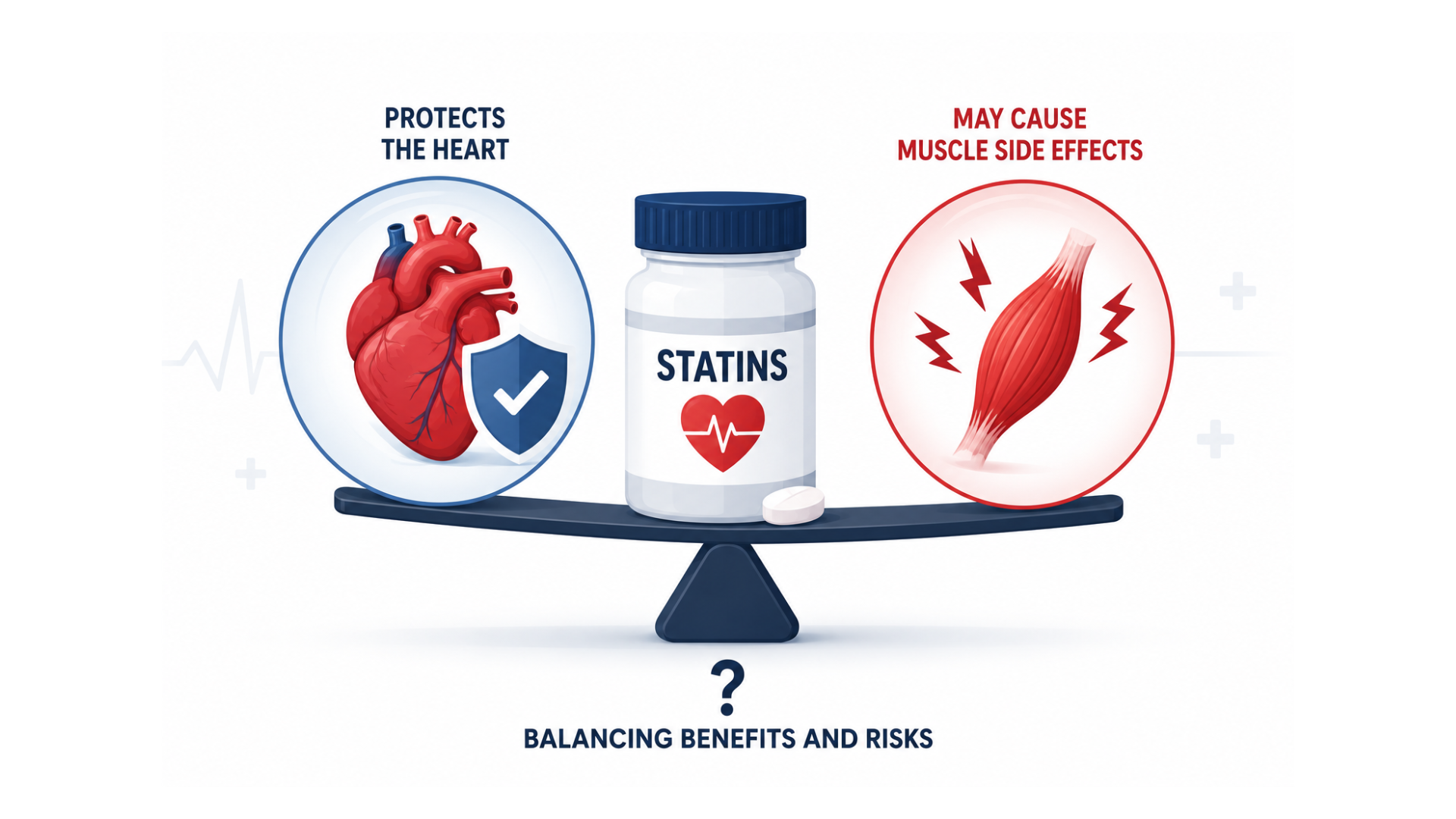
Statins are among the most commonly prescribed medications worldwide for reducing cholesterol and preventing serious cardiovascular diseases such as heart attacks and strokes.
Explore everything about the All-India National Permit in 2026. This detailed guide helps truck owners, fleet operators, and transporters understand fees, types, application steps, government rules, and tips to stay compliant while saving time and money on interstate logistics.
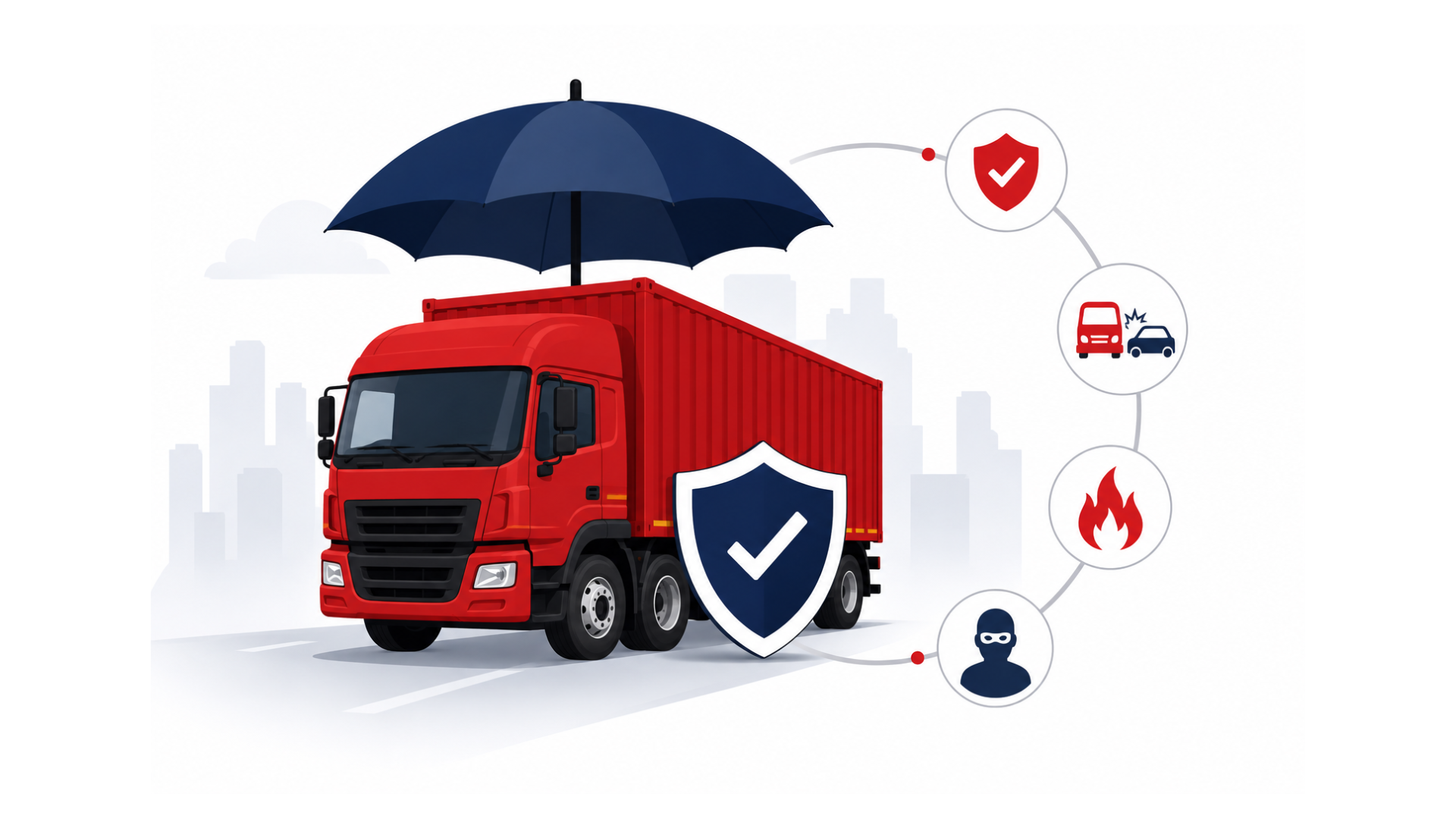
Commercial vehicles are the backbone of India's transportation and logistics industry. From trucks carrying goods across states to taxis, buses, school vans, ambulances, auto-rickshaws, and delivery vehicles serving daily commuters and businesses, these vehicles play a vital role in the country's economy.


Speak to our Advisor
+91

By clicking the button, I authorize Paybima advisor to contact me via SMS, Email, Phone, WhatsApp or any other modes overriding my 'DND'.T&C Apply.