


Related Articles


.png)
Accidents can happen anywhere, anytime, by your own fault or another person. What’s important is to be prepared for such mishaps. This is where Own Damage Car Insurance comes in handy.
The whole purpose of buying car insurance is to safeguard your car against all uncertainties. Accident is definitely one of the biggest uncertainties in this case, which has no time, no place. The damage caused is inevitable, sometimes to your own self or vehicle, while on other times to third-party persons or property. Basic motor insurance plans generally cover third-party liability, meaning any damage caused to the third-party vehicle, person, or property is covered by the insurance company. However, there is yet another feature in car insurance, namely own damage car insurance. Let us learn more about it in this blog.
As the name suggests, an own damage car insurance policy refers to a plan that provides cost coverage for any damage caused to the policyholder’s own vehicle. This may be attributed to man-made damage, such as the one caused during an accident between two cars, or natural calamity like earthquake, flood, and the like.
In any of the above events, sufficient damage may be caused to the vehicle of the insured. With the own damage insurance for a car, the repair cost for this damage is covered by the insurer for the policyholder.
In case of own damage to the policyholder’s car, the very first step is to report the incident and the subsequent damage to the insurance company at the earliest. In case the damage has been caused due to an accident, it is necessary to first file an FIR at the nearest police station and then inform the insurer immediately. Information to the car insurance company is important since you would need to file a claim with the insurer to cover the repair costs incurred on fixing the damaged vehicle. To make a claim with your insurer for own damage to your car, below are the steps to be followed:
In the above section, we learned all about how to claim car insurance for own damage. Now, while filing the claim, your insurer would require you to submit some relevant documents pertaining to the accident for which the claim is being made. Here is a list of all the documents that you would need to submit:
Own Damage Premium in car insurance refers to the premium amount that you pay towards the policy in return for insurance protection against damages to your own car. When you buy a car insurance plan from an insurance company, the latter would require you to pay a certain amount regularly towards the insurance policy. In return, the insurer would guarantee to cover costs related to repair of the vehicle in case of any damage caused to your own car. This amount is known as Own Damage premium.
This premium is generally decided by the insurer on the basis of the type of car, the city/state where it is used, and the age of the vehicle. Moreover, some other factors like the make of the car, the engine’s Cubic Capacity (CC), the car’s Declared Value, and the geographical boundary of the vehicle are all taken into consideration while determining the Own Damage premium for a two-wheeler or car.
The simple formula used for calculating the Own Damage premium is as follows:
Standalone Own Damage Premium – No Claim Bonus + Applicable Discounts + Cost of Premium of Add-On Cover Benefits = Cost of Premium for Own Damage Car Insurance.

Paybima Team
Paybima is an Indian insurance aggregator on a mission to make insurance simple for people. Paybima is the Digital arm of the already established and trusted Mahindra Insurance Brokers Ltd., a reputed name in the insurance broking industry with 21 years of experience. Paybima promises you the easy-to-access online platform to buy insurance policies, and also extend their unrelented assistance with all your policy related queries and services.
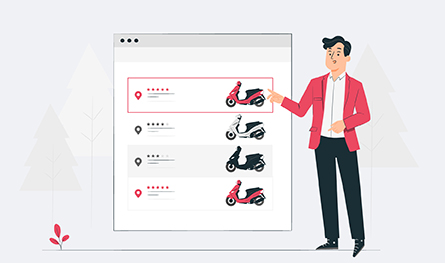
Looking for a reliable and affordable scooter in 2026? This guide covers the top 8 scooty under 1 lakh with real prices, mileage details, and why proper bike insurance matters.

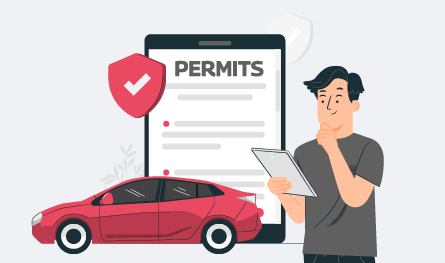
Explore everything about the All-India National Permit in 2026. This detailed guide helps truck owners, fleet operators, and transporters understand fees, types, application steps, government rules, and tips to stay compliant while saving time and money on interstate logistics.
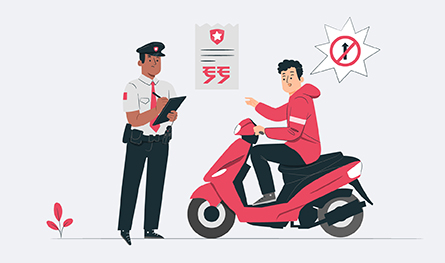
Driving on the wrong side of the road is dangerous as it causes the risk of accidents. India’s road traffic rules strictly prohibit people from driving their bikes on the wrong side of the road. However, many bikers continue doing the same. Hence, to avoid accidents on the road due to wrong-side driving, the government has imposed strict action against defaulters.
.png)
A detailed, easy-to-understand breakdown of the latest Maharashtra Highway Police road safety report. Learn about the rising accident statistics, key causes like overspeeding, new 2026 traffic updates, and how to stay financially secure using the right vehicle and personal accident insurance.
.jpg)
Ebola continues to remain one of the world’s most dangerous infectious diseases in 2026. Even though healthcare systems across the globe have improved over the years, Ebola outbreaks still create fear because the virus can spread quickly, cause severe illness, and lead to high death rates if not controlled early.

By clicking the button, I authorize Paybima advisor to contact me via SMS, Email, Phone, WhatsApp or any other modes overriding my 'DND'.T&C Apply.
By clicking the button, I authorize Paybima advisor to contact me via SMS, Email, Phone, WhatsApp or any other modes overriding my 'DND'.T&C Apply.

 Car Insurance
