
Best Diet Plan and Food for Jaundice Patient
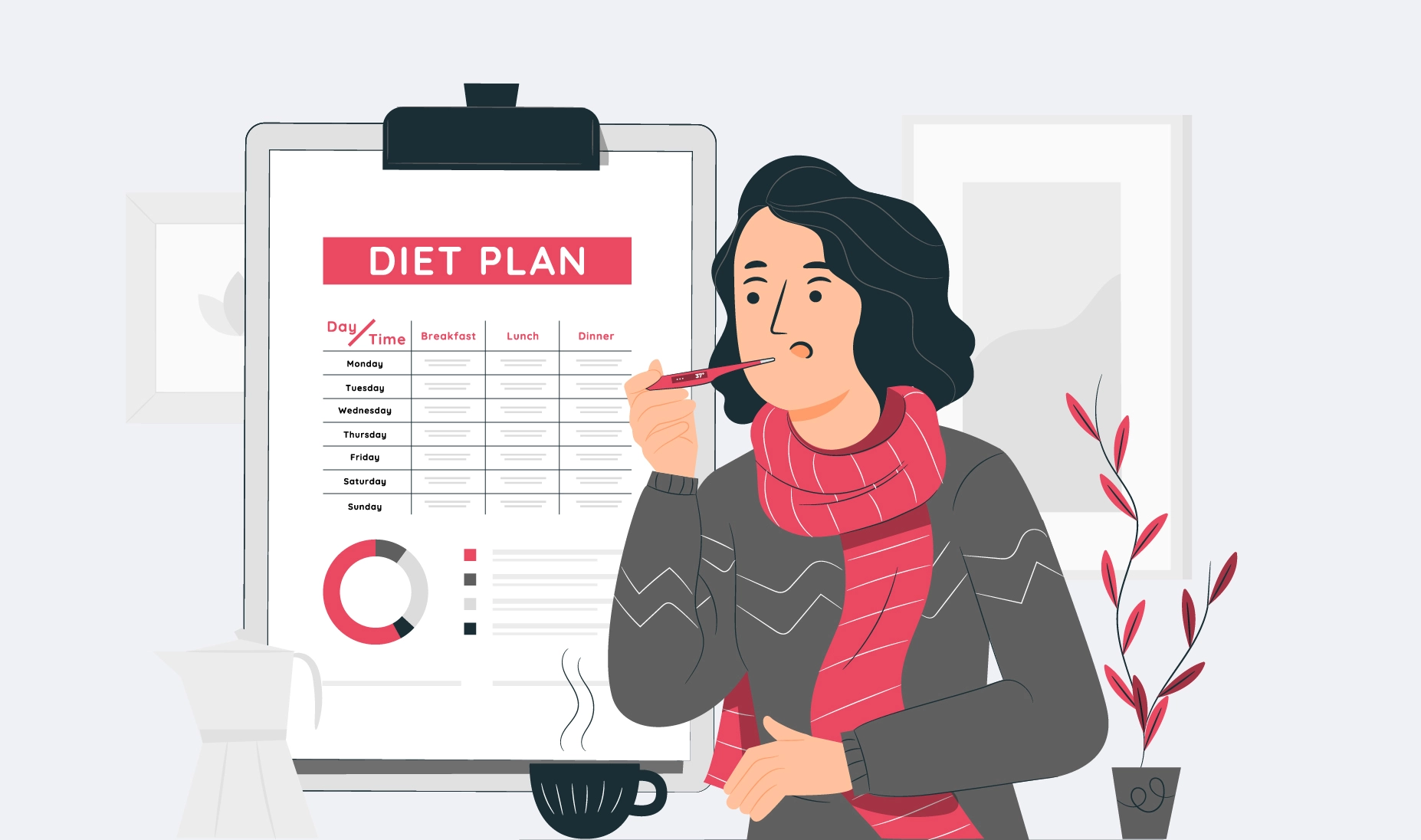
A detailed guide on what to avoid during jaundice recovery in 2026. Includes a 10-food "Avoid List" table and a comprehensive Do's & Don'ts guide for patients and their families. Learn about the role of bilirubin, the three types of jaundice (Pre-hepatic, Hepatocellular, and Post-hepatic), and how to recognize early indicators through urine and stool color.
What is Jaundice?
In 2026, medical experts define Jaundice (also known as Hyperbilirubinemia) not as a disease itself, but as a critical "clinical indicator." It is the yellow discoloration of the skin, the whites of the eyes (sclera), and mucous membranes caused by the accumulation of bilirubin in the blood.
Bilirubin is a yellow-orange pigment created when your body breaks down old or damaged red blood cells. Normally, the liver filters this pigment and sends it through the bile ducts to be excreted. When this process breaks down, bilirubin builds up and leaks into the body tissues, causing that characteristic yellow glow.
The Three Types of Jaundice
To treat jaundice effectively, doctors first identify where the "traffic jam" is occurring:
| Type of Jaundice | Where it Happens | Primary Causes |
| Pre-Hepatic | Before the liver | Hemolytic anemia, Malaria, or blood disorders that destroy red cells too fast. |
| Hepatocellular | Inside the liver | Viral Hepatitis (A, B, C, E), Cirrhosis, or alcohol-related liver damage. |
| Post-Hepatic | After the liver | Blockages like Gallstones, pancreatic tumors, or bile duct infections. |
Why You Should Never Ignore It
In the 25–55 age group, jaundice is often the first sign of an underlying health issue. While newborn jaundice is common and often clears on its own, adult jaundice is almost always a signal that the liver, gallbladder, or blood needs immediate medical attention.
- Financial Protection: Diagnostic tests like LFT (Liver Function Test) and imaging (Ultrasound/CT scans) can be costly. This is why having a medical insurance policy with OPD benefits is vital.
- Family Security: For breadwinners, a term plan provides a safety net if a liver condition becomes critical, while a guaranteed return plan helps manage the costs of long-term recovery and specialized diets.
At a Glance: Foods to Embrace vs. Foods to Avoid
In the first scroll of your recovery journey, understanding the "Green" and "Red" zones of nutrition is vital.
| Food Category | Include (Safe & Healing) | Avoid (Liver Stressors) |
| Hydration | Coconut water, Lemon water, Clear soups | Alcohol, Sugary sodas, Strong coffee |
| Fruits | Papaya, Watermelon, Pomegranate, Apple | Unwashed raw fruits, Sugary canned fruits |
| Vegetables | Bottle gourd (Lauki), Carrots, Boiled Beets | Fried veggies, Cabbage/Cauliflower (if gassy) |
| Grains | Porridge (Dalia), Brown rice, Oats | Refined flour (Maida), White bread, Pasta |
| Proteins | Moong Dal, Tofu, Boiled egg whites | Red meat, Fried chicken, Heavy pulses |
| Dairy | Buttermilk (Chaas), Low-fat yogurt | Full-fat milk, Cheese, Butter, Ghee |
1. The Power of Hydration
The liver needs fluids to flush out excess bilirubin and toxins. In 2026, clinical guidelines emphasize "Structured Hydration."
- Water: Aim for 3–4 liters of filtered water daily.
- Coconut Water: Rich in electrolytes, it prevents fatigue.
- Sugarcane Juice: If prepared hygienically, it provides a glucose boost that helps the liver regain energy.
2. Liver-Friendly Fruits and Vegetables
Your liver loves antioxidants. In 2026, we focus on "easy-to-digest" fibers.
- Papaya & Pineapple: Contain enzymes like papain and bromelain that aid digestion.
- Leafy Greens: Spinach and fenugreek (Methi) are rich in chlorophyll, which helps the liver detoxify.
- Root Veggies: Boiled carrots and sweet potatoes provide Vitamin A without the fat.
3. Proteins: The Building Blocks for Repair
While the liver needs protein to repair its cells, heavy proteins like red meat act as a burden.
- Plant-Based: Moong dal (yellow lentils) is the gold standard for jaundice patients.
- Lean Poultry: If you are non-vegetarian, only introduce steamed fish or skinless boiled chicken once your bilirubin levels start dropping significantly.
Sample Jaundice Recovery Diet Plan (Daily Routine)
| Time | Meal Option |
| Early Morning | 1 glass of warm lemon water or fresh coconut water. |
| Breakfast | Vegetable Dalia or Poha (with minimal oil) + 1 bowl of Papaya. |
| Mid-Morning | A glass of fresh buttermilk (Chaas) with a pinch of roasted cumin. |
| Lunch | Moong Dal Khichdi + Boiled Bottle Gourd (Lauki) + 1 thin Phulka. |
| Evening | Herbal tea (Chamomile/Ginger) + 2 Digestive biscuits or Makhana. |
| Dinner | Steamed Rice + Clear Vegetable Soup or Boiled Moong Dal. |
Why Financial Protection Matters During Recovery
Recovering from jaundice can take anywhere from two weeks to a month. For working professionals aged 25–55, this period can lead to a loss of income or high medical bills if complications arise.
- Best Health Insurance: Ensure your policy covers "Hepatitis" and "Liver-related ailments" under the inpatient and OPD benefits.
- Senior Citizen Health Insurance: If the patient is a parent, specialized plans often cover pre-existing liver conditions with shorter waiting periods.
- Term Plan & Guaranteed Return Plan: While a term plan protects your family's future, a guaranteed return plan ensures you have a secondary income source during medical leaves. Always choose a plan that includes a "Waiver of Premium" in case of critical illness.
Foods to Strictly Avoid in 2026
- Alcohol: This is a non-negotiable. Even a small amount can cause irreversible liver scarring (Cirrhosis) during jaundice.
- Saturated Fats: Butter, cream, and deep-fried snacks (Samosas, Pakoras) should be avoided for at least 3 months post-recovery.
- Refined Sugar: High sugar increases fat accumulation in the liver.
- Excessive Salt: Salt causes fluid retention, which puts more pressure on an inflamed liver
10 Best Food for Jaundice Patients
| Food Item | Why it Helps | How to Consume |
| Water | Flushes out excess bilirubin and toxins through urine. | Drink at least 2–3 liters daily; add lemon for flavor. |
| Papaya | Contains enzymes like papain that aid digestion and support liver health. | Eat ripe slices or blend into a mild smoothie. |
| Radish Leaves | Known to help reduce bilirubin levels and improve appetite. | Extract the juice from fresh leaves and drink daily. |
| Barley Water | Acts as a powerful diuretic to wash away toxins. | Boil barley in water, strain, and drink throughout the day. |
| Sugarcane Juice | Provides an immediate energy boost and helps strengthen the liver. | Drink fresh juice (ensure it's hygienic) with a squeeze of lime. |
| Oatmeal | High in fiber, which helps the liver process nutrients efficiently. | Cook with water or a small amount of skimmed milk. |
| Curd (Yogurt) | Contains probiotics that improve digestion and gut health. | Eat plain or as "Lassi" (buttermilk) with a pinch of cumin. |
| Leafy Greens | Rich in antioxidants and fiber to reduce liver inflammation. | Steam spinach or kale lightly; avoid heavy oil/spice. |
| Garlic | Contains allicin and selenium, which help cleanse the liver. | Add a small amount to cooked meals or soups. |
| Legumes/Pulses | Provide lean protein necessary for tissue repair without heavy fat. | Eat well-cooked dals or lentil soups (Moong dal is best). |
10 Foods to Avoid in Jaundice (2026 Guidelines)
While knowing what to eat is important, knowing what to strictly exclude is the secret to a faster recovery. In 2026, clinical nutritionists highlight that the liver is like a "filter" that has become clogged; putting the wrong substances into it can cause permanent scarring (fibrosis).
| Food to Avoid | Why It Is Dangerous | 2026 Health Tip |
| 1. Alcohol | It is directly toxic to liver cells and stops the healing process immediately. | Even a small "celebratory" drink can cause a relapse. |
| 2. Fried Snacks | Samosas, pakoras, and chips are high in trans fats that the liver cannot process during jaundice. | Replace with roasted Makhana or puffed rice (Murmura). |
| 3. Red Meat | Beef, pork, and mutton contain complex animal proteins that are very hard for a weak liver to digest. | Switch to Moong Dal or Tofu for lighter protein. |
| 4. Refined Sugar | Sweets, sodas, and desserts lead to fat buildup in the liver, complicating recovery. | Use small amounts of honey or jaggery if needed. |
| 5. Excess Salt | High sodium causes water retention and swelling (edema), putting pressure on liver tissues. | Avoid pickles and papads entirely. |
| 6. Canned Foods | Canned soups and veggies contain preservatives (nitrates) that act as toxins for the liver. | Always opt for fresh, farm-to-table produce. |
| 7. Full-Fat Dairy | Cheese, butter, and whole milk are rich in saturated fats that slow down bilirubin clearance. | Use skimmed milk or fresh buttermilk (Chaas). |
| 8. Spicy Gravies | Heavy spices and "masala-rich" curries irritate the digestive tract and cause acidity. | Keep meals "Satvik" (bland and boiled). |
| 9. Raw Seafood | Sushi or undercooked fish can carry Hepatitis A or other viruses that can be fatal during jaundice. | Ensure all food is cooked at high temperatures. |
| 10. Caffeine | Strong coffee and energy drinks can dehydrate the body, making it harder to flush out toxins. | Replace with herbal Tulsi or Ginger tea. |
Do’s and Don’ts During Jaundice (2026 Lifestyle Guide)
Recovering from jaundice is 50% diet and 50% lifestyle. For the 25–55 age group, managing stress and routine is vital for liver regeneration.
The Do’s (Essential for Recovery)
- Eat Small, Frequent Meals: Instead of 3 large meals, eat 5–6 small snacks. This prevents the liver from being overwhelmed by a sudden load of nutrients.
- Prioritize Sleep: The liver does most of its repair work while you are sleeping. Ensure 8 hours of deep rest.
- Check Your Insurance: Liver complications can be expensive. Ensure your medical insurance policy or family health insurance covers outpatient (OPD) costs for frequent blood tests.
- Maintain Hygiene: Only drink boiled or RO-filtered water. Contaminated water is the number one cause of jaundice relapses.
- Gentle Movement: While heavy gymming is a "Don't," 10–15 minutes of slow walking or basic Yoga (Pranayama) can improve blood circulation to the liver.
The Don’ts (Strictly Prohibited)
- Don't Self-Medicate: Many common painkillers (like Paracetamol) are processed by the liver. Taking them without a doctor's advice during jaundice can lead to liver failure.
- Don't Skip Meals: Long gaps in eating can cause a drop in glucose, making the liver even weaker.
- Don't Ignore Symptoms: If you notice extreme itching, dark-colored urine, or confusion, seek help immediately. This is where a senior citizen health insurance is crucial for older family members to get instant ICU access.
- Don't Smoke: Nicotine and tobacco smoke introduce toxins that the liver has to work extra hard to filter out.
- Don't Rush Your Recovery: Even if your eyes look white again, your liver may still be soft and inflamed. Continue the diet for at least 2 weeks after your reports are normal.
FAQs: Best Diet Plan & Food for Jaundice Patient
Yes, you can eat potatoes in jaundice but in a baked or roasted form. Avoid eating potatoes cooked in oil.
Jaundice patients can experience a lot of relief by adding soups, fresh fruit juices, and broth to their diet. However, these should be added in moderate amounts.
One can get relief from jaundice symptoms by:
Getting ample sunlight
Eating fruits like papaya, oranges
Taking ample rest
Avoiding outside cooked food
Staying hydrated
No, a jaundice patient must not include milk or any other dairy product in the diet plan. These will be hard to digest by the liver and might worsen the symptoms.
The three types of Jaundice are:
Pre-Hepatic Jaundice
Hepatocellular Jaundice
Post-Hepatic Jaundice
Jaundice is mainly a liver problem. It is caused due to a build-up of bilirubin in the body due to excessive red blood cells drying and accumulating in the liver.
If a policyholder needs hospitalization due to jaundice, then the cost of hospitalization and other similar expenses will be covered under a health insurance plan. But we suggest you check for the same from your insurer before claiming.

Author Bio
Paybima Team
Paybima is an Indian insurance aggregator on a mission to make insurance simple for people. Paybima is the Digital arm of the already established and trusted Mahindra Insurance Brokers Ltd., a reputed name in the insurance broking industry with 21 years of experience. Paybima promises you the easy-to-access online platform to buy insurance policies, and also extend their unrelented assistance with all your policy related queries and services.


Other Health Insurance Products


Latest Post
Secure your daughter’s education and marriage in 2026 with LIC’s top child plans. This updated guide has detailed tables, real examples, more features like loans and riders, plus smart tips. Read and plan confidently!

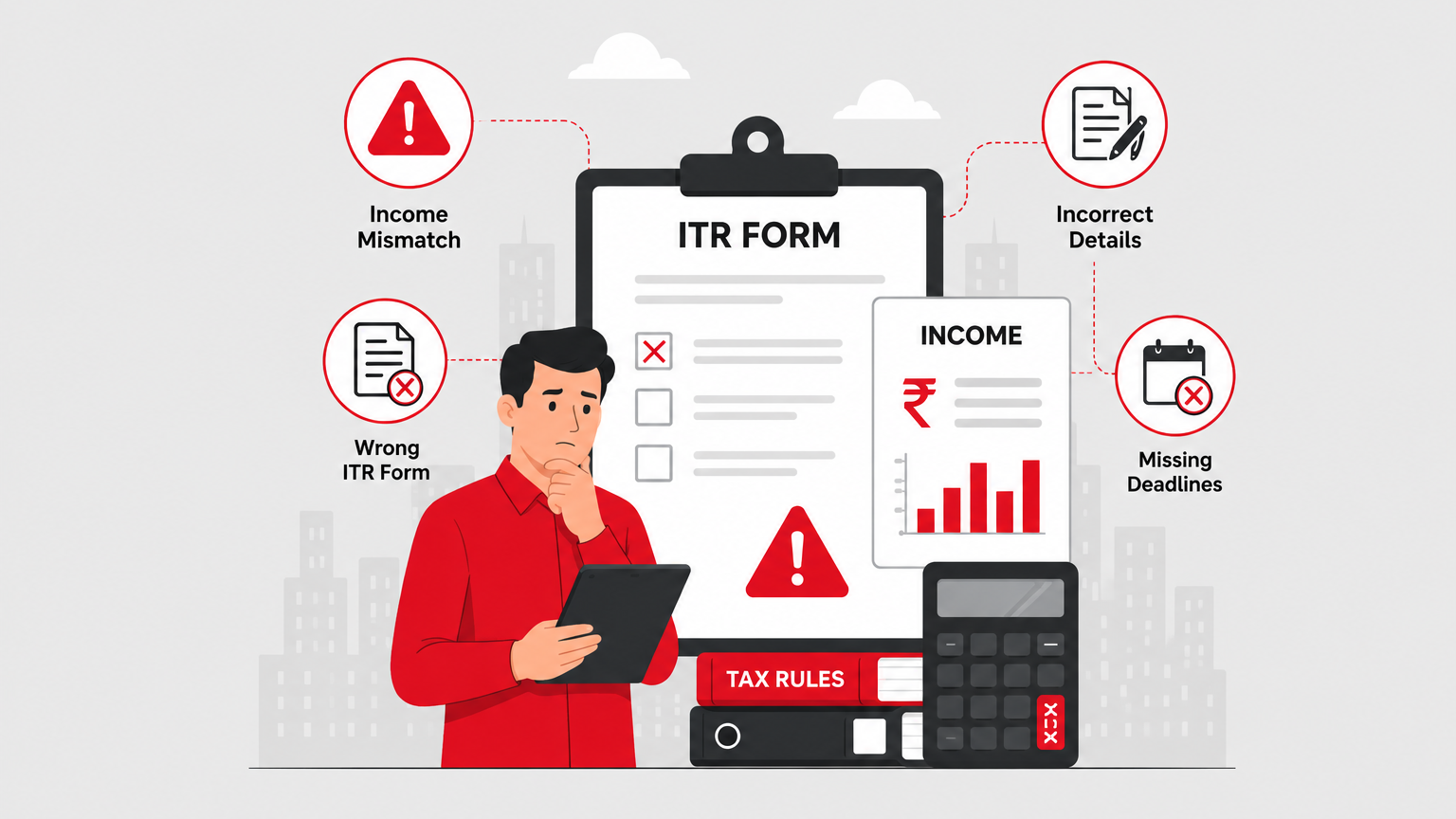
ITR filing for 2026 can feel confusing with income mismatches and form issues. This detailed, simple guide helps working professionals and families avoid costly errors, claim full refunds, and build long-term financial security.
Tax season can be stressful, but avoiding these common ITR mistakes helps you claim rightful refunds faster and stay compliant. Learn practical advice tailored for working professionals and families in India.
Empowering women with financial security! Explore top LIC policies in 2026 tailored for savings, life cover, and family protection. Ideal for working professionals, homemakers, and mothers aged 25-55.
In today’s busy world, keeping track of your life insurance is important for financial security. This easy guide shows how to check your ICICI Prudential policy status quickly so you can manage investment plans, term plans, or guaranteed return plans without stress.


Speak to our Advisor
+91

By clicking the button, I authorize Paybima advisor to contact me via SMS, Email, Phone, WhatsApp or any other modes overriding my 'DND'.T&C Apply.