
7 Big Mistakes to Avoid in Tax Filing Season 2026
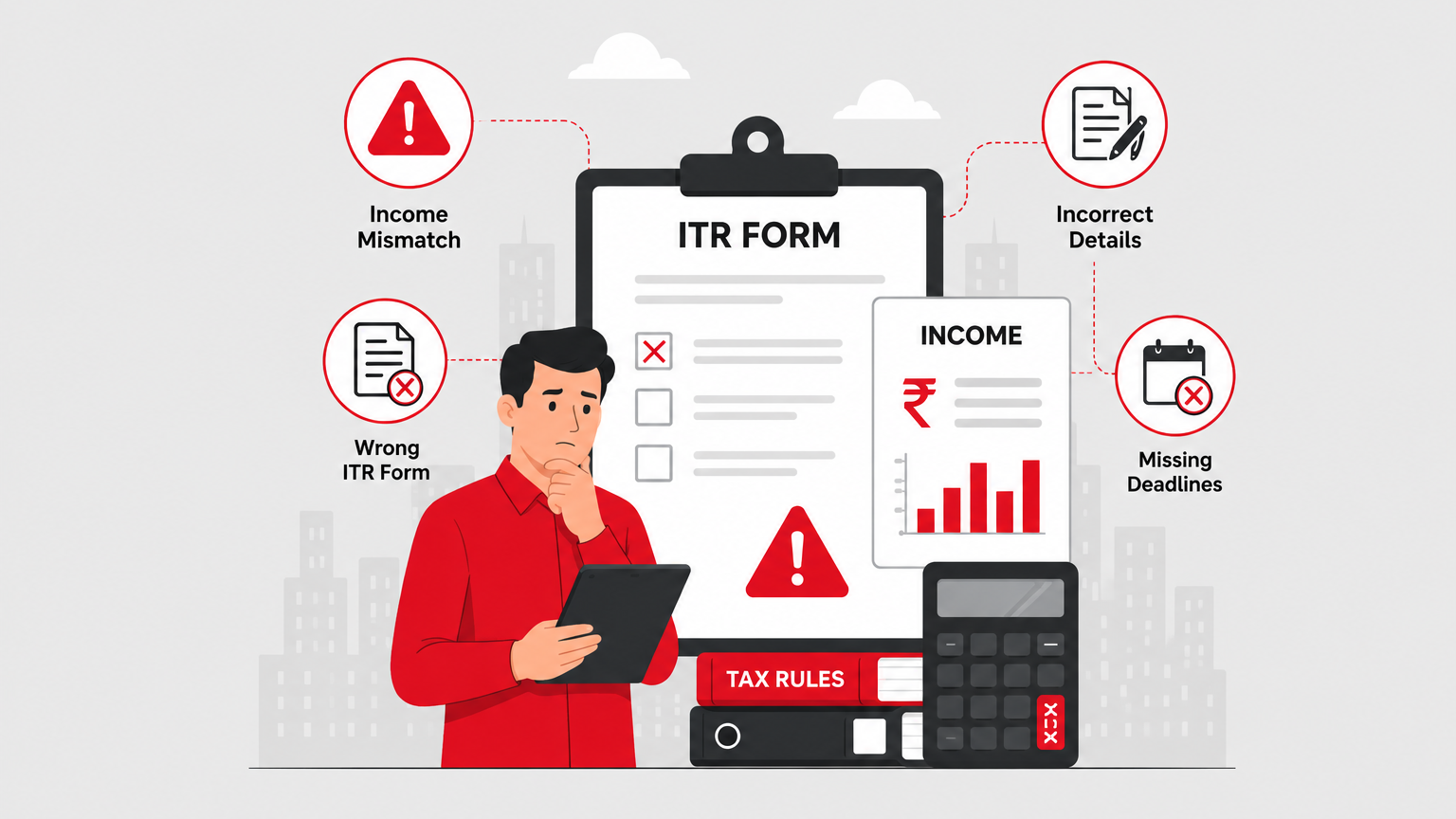
ITR filing for 2026 can feel confusing with income mismatches and form issues. This detailed, simple guide helps working professionals and families avoid costly errors, claim full refunds, and build long-term financial security.
Filing your Income Tax Return (ITR) every year is like submitting your yearly financial report card to the government. For people aged 25 to 55 — who are usually busy with jobs, raising kids, paying home loans, and saving for the future — it is an important but sometimes stressful job.
In 2026, the deadline for most salaried people to file ITR for Assessment Year (AY) 2026-27 (Financial Year 2025-26) is 31 July 2026. The government has made the process easier with online portals, but mistakes still happen. Common problems include income mismatch (where your numbers don’t match government records) and choosing the incorrect ITR form.
Many people in this age group have salary income plus some interest from banks, investments, or rental property. According to recent trends, India files over 9 crore ITRs every year, and digital tools like Form 26AS and Annual Information Statement (AIS) help track income automatically. But small errors can delay your tax refund, create extra work, or even bring penalty notices.
This guide explains 7 important mistakes to avoid in very simple words. You will find easy explanations, real-life examples for families and working people, helpful tables, and tips on how smart financial tools like online term insurance, 1 crore term insurance, term plan, ULIP plans, guaranteed return plan, and investment plans can support your overall money planning while staying tax-smart.
Helpful Table for Better Understanding
ITR Forms Made Simple (2026)
| ITR Form | Best For | When to Avoid | Example for 25-55 Age |
|---|---|---|---|
| ITR-1 (Sahaj) | Simple salary + basic interest | Capital gains or business income | Salaried office worker |
| ITR-2 | Capital gains, foreign assets, many properties | Business income | Professional with stocks |
| ITR-3 / ITR-4 | Self-employed or small business | Very complex company cases | Freelancer or consultant |
Important Dates for ITR 2026
| Event | Date |
|---|---|
| Salaried Individuals | 31 July 2026 |
| Business without Audit | 31 August 2026 |
| Tax Audit Cases | 31 October 2026 |
| Belated Return | 31 December 2026 |
| Last Date to Revise Return | 31 March 2027 |
7 Mistakes to Avoid This ITR Filing Season 2026
1. Income Mismatch with Government Records (Form 26AS and AIS)
This is one of the most common problems. Income mismatch happens when the income or tax deducted (TDS) you show in your ITR does not match the records the government already has from banks, companies, and other sources.
Simple Explanation: Imagine you bought something online and the shop shows one price, but your bill shows another. The tax department gets automatic reports from banks about your fixed deposit interest, dividends from shares, or freelance payments. If you forget to include even a small amount, the system flags it as a mismatch.
Why it affects 25-55 age group: At this age, many have multiple small income sources — salary from job, interest from savings for children’s education, or gains from mutual funds. A busy parent might simply forget to add ₹5,000 interest from a bank FD.
How to Avoid: Log into the Income Tax e-filing portal as soon as possible. Download Form 26AS and AIS. Compare every entry carefully. Make changes before filing. This simple step can save you from notices later.
2. Choosing the Incorrect ITR Form
There are different ITR forms for different people. Using the wrong one is like wearing shoes that don’t fit — your return may get rejected or marked defective.
Easy Breakdown (2026 Rules):
-
ITR-1 (Sahaj) is for simple cases — salaried people with total income up to ₹50 lakh, up to 2 houses, and basic interest income.
-
ITR-2 is needed if you have capital gains from selling shares or property, foreign income, or more than 2 properties.
-
ITR-3 and ITR-4 are for business or self-employed people.
Real-Life Example: A 38-year-old software engineer with some stock market gains tries to file using ITR-1. The portal may not accept it, causing delay and extra tension.
Tip: Carefully check your income sources first. Use the portal’s help section or consult a simple guide. Choosing right saves time and avoids problems.
3. Filing Too Early or Without All Documents
-
Many people get excited when the portal opens and file quickly. Later they realise they missed some papers.
-
Why it happens: Employers send Form 16 (salary summary) around May-June. Banks and insurers send statements later. Filing without them means you may need to file a revised return.
Simple Advice for Families: Make a checklist in June 2026 — salary Form 16, bank passbook, mutual fund statements, home loan interest certificate, and insurance premium receipts. This habit is especially useful for couples managing joint finances.
4. Forgetting to Report All Types of Income
Salary is easy to report because of Form 16. But many forget other incomes.
Examples of Forgotten Income:
-
Interest from savings account or fixed deposits
-
Dividend from shares or mutual funds
-
Rental income from a second house
-
Earnings from part-time freelancing
Impact: The tax department already knows about these through automatic reporting. Unreported income can lead to extra tax, interest, and notices.
Tip: Treat tax filing as a full money health check-up. List every rupee you earned during the year.
5. Missing Eligible Deductions and Tax Benefits
Many people pay more tax than necessary simply because they forget to claim available deductions.
Important Deductions (Old Tax Regime):
-
Section 80C: Up to ₹1.5 lakh for PPF, ELSS, children’s school fees, or qualifying life insurance premiums.
-
Section 80D: Health insurance premiums for self, spouse, and parents.
-
Section 24: Home loan interest up to ₹2 lakh.
Latest 2026 Insurance Rules (IRDAI + Tax):
| Rule / Aspect | Details (2026) | Importance for 25-55 Age Group |
|---|---|---|
| Section 80C Deduction | Up to ₹1.5 lakh on life insurance premiums (Term Plan, ULIP, etc.) in Old Tax Regime | Reduces your taxable income while buying family protection |
| Premium vs Sum Assured (IRDAI) | Minimum Sum Assured = 10 times annual premium (age <45) 7 times (age >45) | Ensures you get adequate life cover, not just investment |
| ULIP Maturity Tax (Section 10(10D)) | Tax-free if total annual premium across all ULIPs ≤ ₹2.5 lakh (for policies after Feb 1, 2021) | High-premium ULIPs lose tax-free status on maturity |
| Tax on High-Premium ULIPs | Maturity proceeds taxable as Capital Gains if premium > ₹2.5 lakh | Choose carefully to avoid surprise tax at maturity |
| GST on Premiums | 0% (Zero GST) on individual life & health insurance (effective Sept 22, 2025) | Makes online term insurance and 1 crore term insurance cheaper |
| Death Benefit | Always tax-free under Section 10(10D) | Provides complete tax-free security for family |
| Lock-in Period (ULIP) | Minimum 5 years | Suitable for long-term financial goals |
Note: Always verify the latest details on the Income Tax e-filing portal and IRDAI website before buying a policy. Rules may vary slightly based on policy issuance date.
6. Mistakes in Personal Details or Bank Information
Small errors like wrong PAN number, spelling mistake in name (not matching Aadhaar), or old bank account number can block your refund.
Simple Fix: Before filing, check the pre-filled information on the portal. Update your mobile number and email so you get all alerts. Link Aadhaar and PAN properly.
7. Filing at the Last Minute Without Checking or Getting Help
Waiting until the last few days creates panic. You may make calculation mistakes or miss important points.
Especially for 25-55 Age Group: This is the time when you have growing responsibilities. A small mistake now can affect your family’s financial plans.
Better Approach: Start preparation in May or June. For complicated cases (many investments or side income), talk to a Chartered Accountant. They can also guide you on guaranteed return plan or investment plans that match your risk level.
Key Takeaways
-
Always match your numbers with AIS and Form 26AS to prevent income mismatch.
-
Pick the correct ITR form after checking your income types.
-
Prepare documents early and file with care before deadlines.
-
Claim all possible deductions using proper proofs.
-
Combine tax saving with family protection using term plan, online term insurance, ULIP plans, guaranteed return plan, and investment plans.
-
Review your full financial picture every year for peace of mind.
FAQs on Mistakes to Avoid in Tax Filing Season 2026
It is when the details you file do not match the government’s records from banks and companies.
Check your income sources — use ITR-1 only for very simple salaried cases.
31 July 2026 for most salaried and pensioners.
Yes, you can file a revised return before the last date.
Yes, qualifying premiums for online term insurance and 1 crore term insurance can offer deduction benefits under Section 80C/80D while protecting your family.
Login to the Income Tax portal and download them directly.
ULIP plans provide both life cover and investment returns with possible tax advantages.
You can file a belated return till 31 December 2026, but you may have to pay late fees.
Yes, especially if you have investments, rental income, or feel confused.
Investment plans and guaranteed return plan help build long-term wealth while supporting smart tax planning.

Author Bio
Paybima Team
Paybima is an Indian insurance aggregator on a mission to make insurance simple for people. Paybima is the Digital arm of the already established and trusted Mahindra Insurance Brokers Ltd., a reputed name in the insurance broking industry with 21 years of experience. Paybima promises you the easy-to-access online platform to buy insurance policies, and also extend their unrelented assistance with all your policy related queries and services.


Other Life Insurance Products


Latest Post
ITR filing for 2026 can feel confusing with income mismatches and form issues. This detailed, simple guide helps working professionals and families avoid costly errors, claim full refunds, and build long-term financial security.

Tax season can be stressful, but avoiding these common ITR mistakes helps you claim rightful refunds faster and stay compliant. Learn practical advice tailored for working professionals and families in India.
Empowering women with financial security! Explore top LIC policies in 2026 tailored for savings, life cover, and family protection. Ideal for working professionals, homemakers, and mothers aged 25-55.
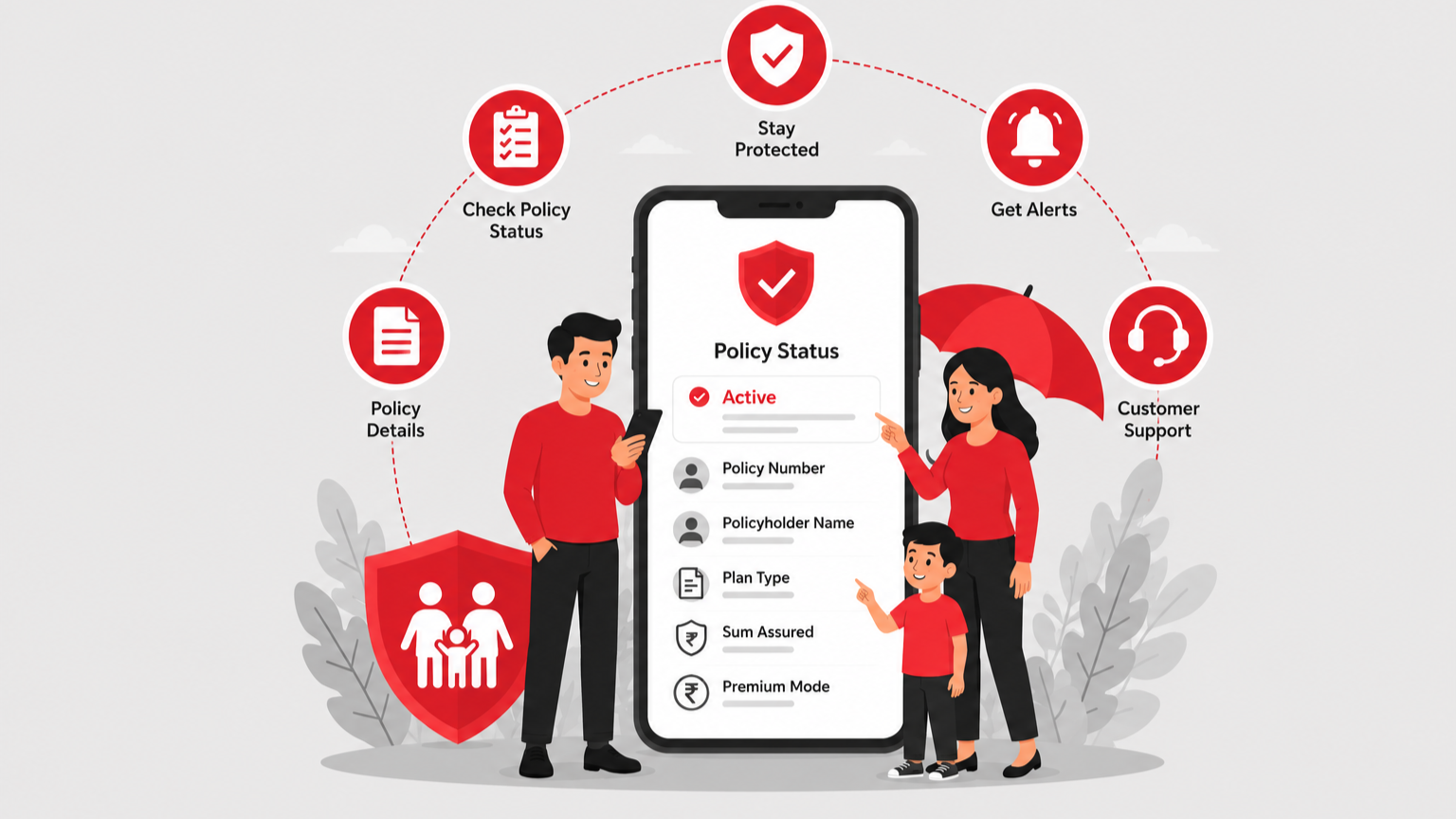
In today’s busy world, keeping track of your life insurance is important for financial security. This easy guide shows how to check your ICICI Prudential policy status quickly so you can manage investment plans, term plans, or guaranteed return plans without stress.
Not too long ago, many Indian families viewed insurance as an optional investment or something only needed in old age. However, a major shift is happening across the country. Today, having a comprehensive health policy is no longer just a choice—it has become a financial necessity for every single household.


Speak to our Advisor
+91

By clicking the button, I authorize Paybima advisor to contact me via SMS, Email, Phone, WhatsApp or any other modes overriding my 'DND'.T&C Apply.