


Related Articles
.png)
 Jan 08, 2025
Is Varicose Vein surgery covered under the health insurance policy in India
 Health Insurance
.png)

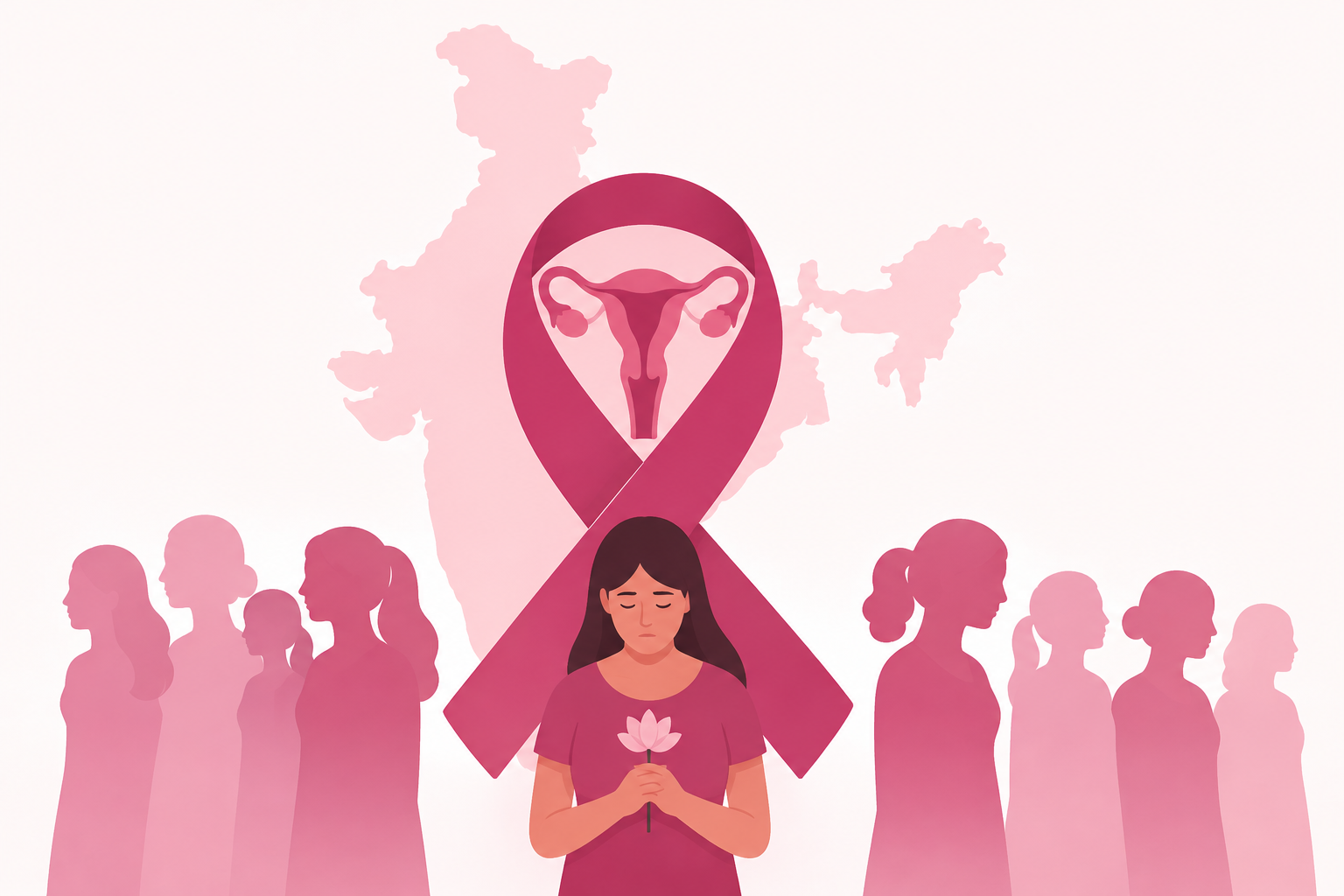
Cervical cancer continues to be one of the most serious health concerns for women in India. According to recent reports highlighted in national news coverage, nearly 200 women die every day in India due to cervical cancer, making it one of the leading causes of cancer-related deaths among women.
Despite medical advancements and awareness campaigns, many cases are still diagnosed at a late stage when treatment becomes more complicated and expensive.
Cervical cancer develops in the cells of the cervix, which is the lower part of the uterus connecting to the vagina. The disease is largely caused by persistent infection with certain types of Human Papillomavirus (HPV). The alarming number of daily deaths highlights the need for early screening, vaccination, awareness, and financial protection through health insurance and critical illness coverage.
For families, medical emergencies such as cancer can lead to high treatment costs. This is where financial products like health insurance, life insurance, Critical Illness Insurance, and a super top up plan become important tools for protecting both health and finances.
Cervical cancer occurs when abnormal cells grow uncontrollably in the cervix. Over time, these cells may form tumors and spread to other parts of the body if not detected early. The disease usually develops slowly and may take several years before symptoms appear.
One of the major reasons cervical cancer remains a public health challenge in India is the lack of routine screening. Many women are unaware of the symptoms or avoid medical tests due to social stigma or lack of access to healthcare services.
Early-stage cervical cancer often has no noticeable symptoms, which is why regular screening is essential. When detected early, the disease can be treated effectively and survival rates improve significantly.
Despite being largely preventable, cervical cancer continues to claim hundreds of lives daily in India. Several factors contribute to this problem.
Many women are unaware of cervical cancer symptoms or screening methods such as the Pap smear test. This results in delayed diagnosis.
In rural and semi-urban areas, healthcare facilities offering regular cancer screening may not be easily accessible.
Most cervical cancer cases in India are diagnosed at advanced stages, which makes treatment more complex and expensive.
Cancer treatment can involve surgery, chemotherapy, radiation therapy, and long-term medication. Without proper health insurance or Critical Illness Insurance, the financial burden can be overwhelming.
In the early stages, cervical cancer may not cause obvious symptoms. However, as the disease progresses, some warning signs may appear.
Common symptoms include:
Abnormal vaginal bleeding between periods
Bleeding after menopause
Pain during intercourse
Unusual vaginal discharge
Pelvic pain or discomfort
Unexplained weight loss or fatigue
These symptoms may also be linked to other health conditions, but it is important to consult a doctor immediately if they persist.
One of the most important aspects of cervical cancer is that it is largely preventable. With proper medical screening and vaccination, the risk can be significantly reduced.
The HPV vaccine protects against the virus responsible for most cervical cancer cases. It is usually recommended for girls and young women before they become sexually active, though it can still offer benefits later.
Screening tests help detect abnormal cells before they turn into cancer.
Common screening methods include:
Pap smear test
HPV testing
Visual inspection with acetic acid (VIA)
Regular screening allows doctors to detect early-stage abnormalities and treat them before they develop into cancer.
Maintaining a healthy immune system, avoiding tobacco, and practicing safe health habits can also reduce the risk of cervical cancer.
The treatment for cervical cancer depends on the stage of the disease and the overall health of the patient.
In early-stage cervical cancer, doctors may remove the tumor or the cervix through surgical procedures.
Radiation therapy uses high-energy rays to destroy cancer cells. It is commonly used in combination with other treatments.
Chemotherapy involves using drugs to kill cancer cells or stop their growth.
Modern cancer treatments may include targeted therapies and immunotherapy, which help the immune system fight cancer cells more effectively.
These treatments can be expensive, which is why health insurance and Critical Illness Insurance coverage are increasingly important for families.
Cancer treatment can cost several lakhs depending on the stage and type of treatment required. Financial planning through insurance can help families manage these expenses.
A comprehensive health insurance policy helps cover hospitalization expenses, surgeries, diagnostic tests, and treatment costs.
Critical Illness Insurance provides a lump-sum payout when a serious illness such as cancer is diagnosed. This money can be used for treatment, recovery, or household expenses.
A super top up plan offers additional coverage once the base health insurance limit is exhausted. This is particularly useful for diseases like cancer that require long-term treatment.
While life insurance does not cover treatment directly, it helps provide financial security to family members in case of unfortunate events.
Early detection plays a crucial role in reducing cervical cancer deaths. When the disease is diagnosed in its initial stages, treatment success rates are significantly higher.
Regular screening can detect precancerous changes in cervical cells, allowing doctors to treat them before they become cancerous. Unfortunately, many women in India skip routine check-ups due to lack of awareness, fear, or financial concerns.
Healthcare experts recommend that women above the age of 30 years undergo cervical cancer screening at regular intervals.
Government and healthcare organizations are also working to improve access to screening programs and promote vaccination campaigns to reduce the number of cervical cancer cases.
Public awareness campaigns play a major role in reducing cervical cancer deaths. Educating women about symptoms, screening tests, and vaccination can significantly improve early detection rates.
Community health programs, government initiatives, and digital awareness campaigns are helping spread information about cervical cancer prevention.
Along with medical awareness, financial preparedness through health insurance, Critical Illness Insurance, and super top up plans can ensure that women receive timely treatment without financial stress.
Cervical cancer is common in India mainly due to lack of awareness, limited screening programs, and late diagnosis. Many women do not undergo regular Pap smear tests, which leads to delayed detection.
The primary cause of cervical cancer is persistent infection with Human Papillomavirus (HPV), a common virus transmitted through skin-to-skin contact.
Doctors generally recommend that women start cervical cancer screening from the age of 30 and continue regular check-ups as advised by healthcare professionals.
Yes, cervical cancer can largely be prevented through HPV vaccination, regular Pap smear screening, and early treatment of abnormal cells.
Most health insurance plans cover hospitalization, surgeries, and cancer treatment expenses. Additionally, Critical Illness Insurance and super top up plans can provide extra financial support.
Young and healthy? Find out which of these plans rewards you with lower premiums. Click here to check now!

Paybima Team
Paybima is an Indian insurance aggregator on a mission to make insurance simple for people. Paybima is the Digital arm of the already established and trusted Mahindra Insurance Brokers Ltd., a reputed name in the insurance broking industry with 21 years of experience. Paybima promises you the easy-to-access online platform to buy insurance policies, and also extend their unrelented assistance with all your policy related queries and services.

 Jan 08, 2025
Health Insurance
Jan 08, 2025
Health Insurance
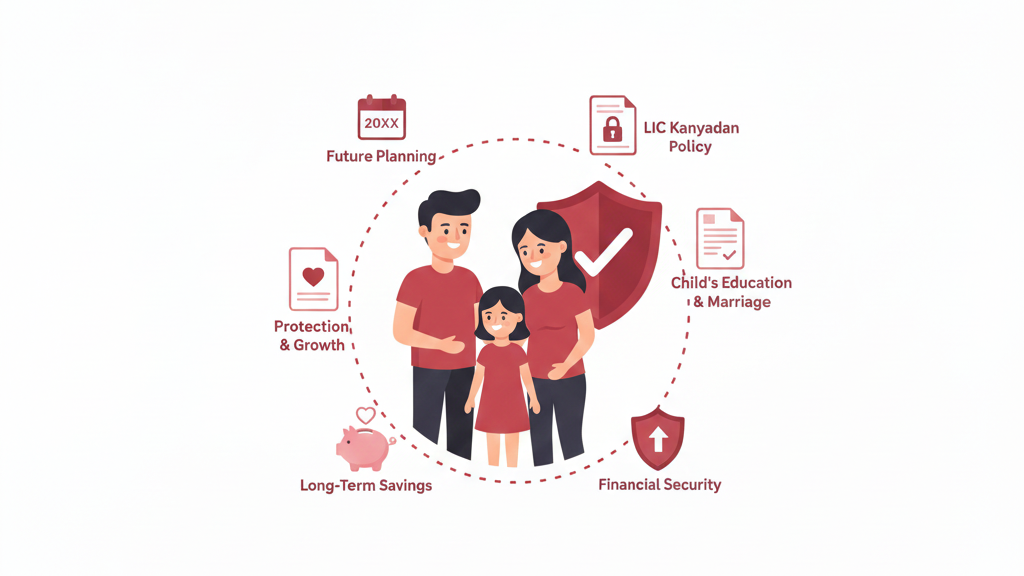
Secure your daughter’s education and marriage in 2026 with LIC’s top child plans. This updated guide has detailed tables, real examples, more features like loans and riders, plus smart tips. Read and plan confidently!

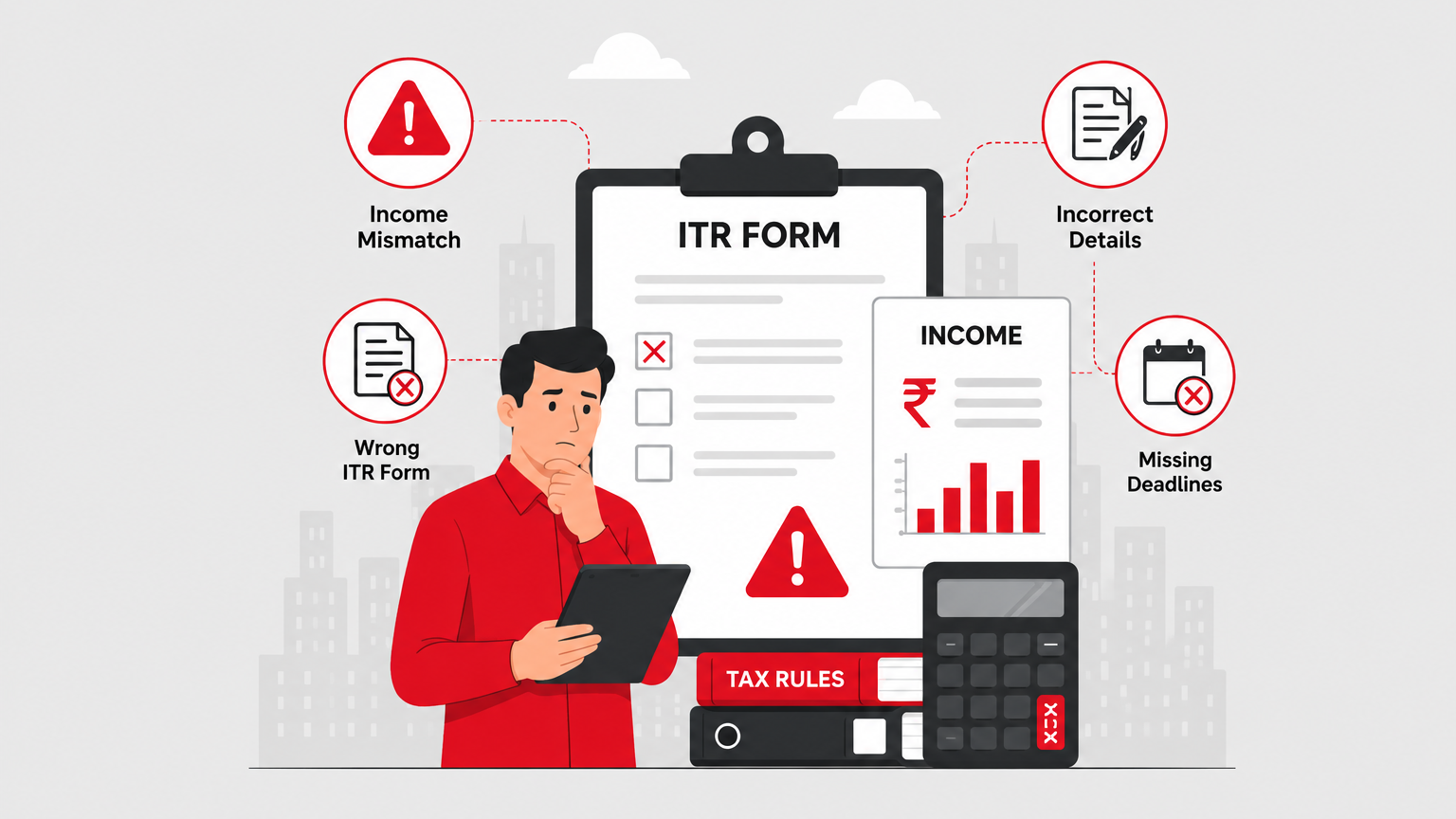
ITR filing for 2026 can feel confusing with income mismatches and form issues. This detailed, simple guide helps working professionals and families avoid costly errors, claim full refunds, and build long-term financial security.
Tax season can be stressful, but avoiding these common ITR mistakes helps you claim rightful refunds faster and stay compliant. Learn practical advice tailored for working professionals and families in India.
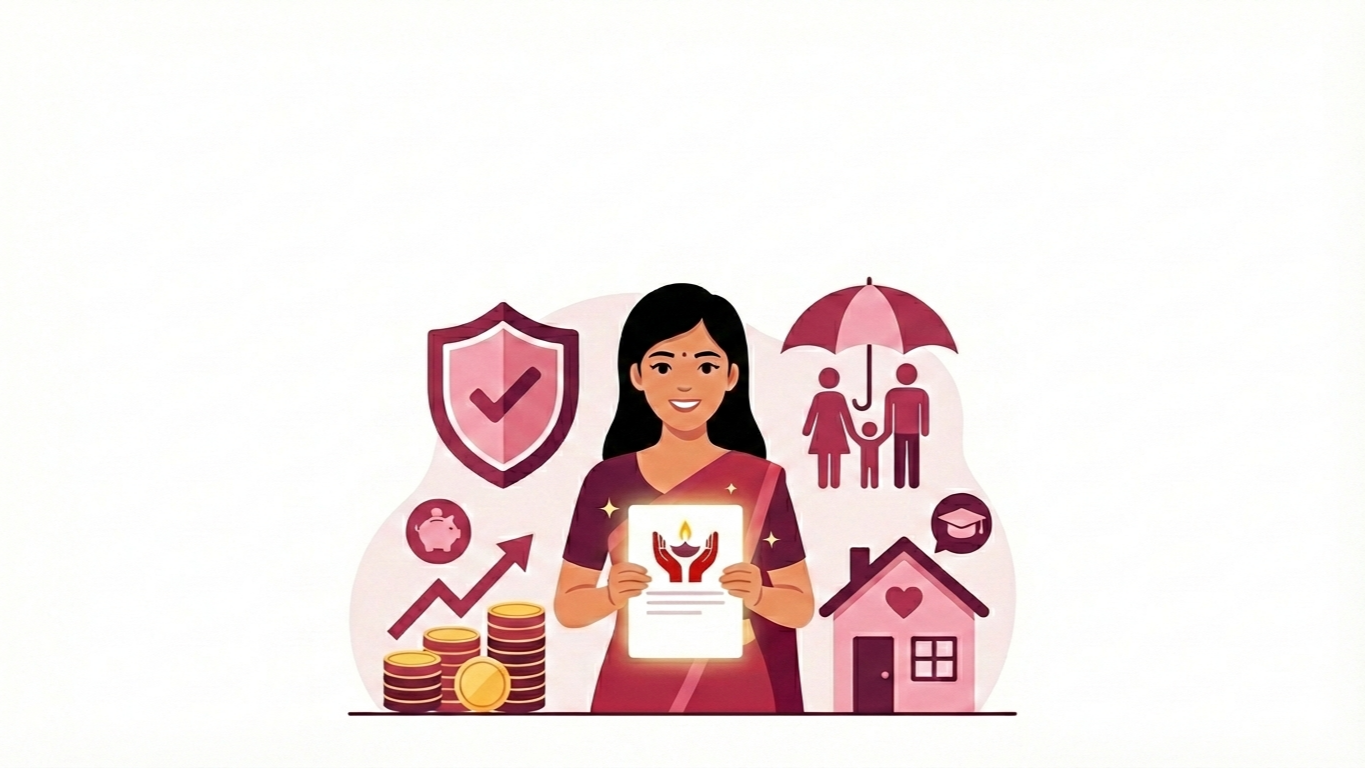
Empowering women with financial security! Explore top LIC policies in 2026 tailored for savings, life cover, and family protection. Ideal for working professionals, homemakers, and mothers aged 25-55.
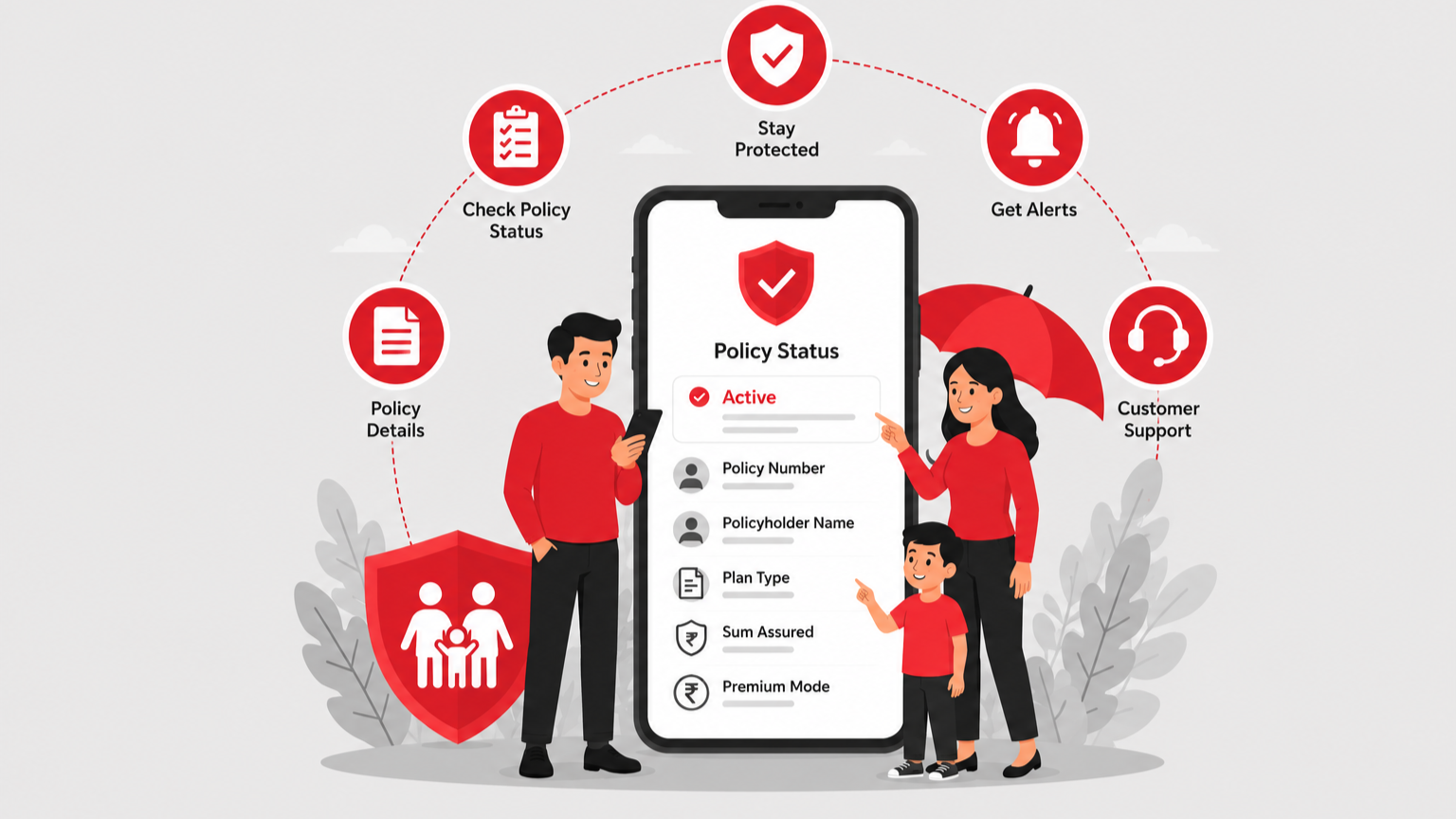
In today’s busy world, keeping track of your life insurance is important for financial security. This easy guide shows how to check your ICICI Prudential policy status quickly so you can manage investment plans, term plans, or guaranteed return plans without stress.

By clicking the button, I authorize Paybima advisor to contact me via SMS, Email, Phone, WhatsApp or any other modes overriding my 'DND'.T&C Apply.
By clicking the button, I authorize Paybima advisor to contact me via SMS, Email, Phone, WhatsApp or any other modes overriding my 'DND'.T&C Apply.

