


Related Articles
.png)
 Jan 08, 2025
Is Varicose Vein surgery covered under the health insurance policy in India
 Health Insurance
.png)

Corporate health insurance policy and family-floater health insurance plans are two different plans that are different from each other in several ways. Let’s take a look at the differences between these plans.
The new year has started and so does the financial planning of people as per their requirement. Looking at the huge inflation rate and the rising cost of healthcare treatments, it is prudent to buy a medical insurance policy for you and your closed ones.
However, when buying a health insurance plan people working in the corporate sector get confused. Since corporate employees could avail corporate health insurance plans for their family, they find it difficult to decide whether to avail the benefits of a corporate plan or to go with a family-floater health insurance plan.
Most people are of the opinion that corporate insurance policies are sufficient for the entire family, while the fact is there is a huge difference between the corporate health plans when compared to family floater health insurance policies.
Corporate health insurance plans are policies that allow coverage to a group of individuals who are employees of a company. It is also called Group Health Insurance.
So, how does corporate health insurance work? Under a corporate health plan, the same coverage benefits are offered for the entire corporate entity for different needs such as accidents, illness, surgeries, hospitalization, and so on.
Family floater health insurance meaning implies that the policy sum insured under this plan is not fixed for one member. Thus, the policy allows the insured and his/her family a wide option of coverage. The plan is cost-effective as one plan covers all the members of the family. A family-floater plan covers the insured, his/her spouse, 2 children as well as parents. Some plans also cover parents-in-law as part of the plan.
The premium of family floater plans depends on different factors such as;
Here are the key points of difference between corporate and family-floater health insurance plans:
|
|
|
|||
|
|
|
|||
|
|
|
|||
|
Employee is eligible till he/she is working with an organization | Anyone above the age of 18 can buy a family floater health insurance policy | |||
|
Premium of a corporate health insurance policy is paid by the employer. Employees may have to pay for some additional coverage | The policyholder pays the entire premium amount | |||
|
The employee can claim for tax benefits only if he/she pays the premium from his/her own pocket | The policyholder can claim for tax deductions under section 80D of income tax act. | |||
|
For corporate health insurance plans, the exit criteria are retirement from job, termination, or switching/leaving job etc. | For family-floater plans, the exit criteria include, if the policyholder reaches the exit age as per the term of the policy. If the policyholder fails to renew the plan on time or if the person dies. | |||
|
Done through TPA appointed by the insurer | Can be done via TPA or directly by getting in touch with the insurer | |||
|
– The premiums of corporate health insurance plans are paid by employers
– Claims get processed on priority basis |
– Being a single health insurance plan for all family members, it becomes easily manageable
– Premium cost is low – No need to buy separate health plan for parents |
|||
|
– You cannot customize the corporate medical insurance plan
– The plan will cease to exist if you leave the job |
– the sum insured is shared by all family members
– It might run out if more members require hospitalization within a policy year |
Family floater meaning in the context of family health insurance refers to the flexible benefits available under the plan that are shared among all the insured members of the family.
Hence, under family-floater plans, the sum insured as well as the plan coverage is not fixed for one member of a family like in the case of individual health insurance plans. Rather, the sum insured is shared by all the family members. Hence, it is referred to as a family floater insurance plan.
It is generally not possible to convert an individual health insurance policy to a corporate plan. This is because the health insurance companies involved in the plans may be different. Also, the premiums of corporate plans are paid by the employer, while in case of individual health insurance plans the policyholder pays the premium.
Yes, a claim against corporate policy can be rejected because of multiple reasons, such as:
If the policyholder did not disclose correct information at the time of buying the policy
If the policyholder makes a claim for an illness or condition that is not covered under his/her health plan
If the claim process followed was not correct etc.
Hence, it is important to follow the rules correctly and for that you must read and understand the terms and conditions of the policy well.
Individual health insurance can be customized to fulfil the health and medical needs of the policyholder. However, in case of corporate health insurance, the policyholder has to accept the coverage offered by the employer.
Yes. You can include your parents in your corporate health insurance plan. However, the benefits of the policy would vary as per the company insurance terms and conditions.
Young and healthy? Find out which of these plans rewards you with lower premiums. Click here to check now!

Paybima Team
Paybima is an Indian insurance aggregator on a mission to make insurance simple for people. Paybima is the Digital arm of the already established and trusted Mahindra Insurance Brokers Ltd., a reputed name in the insurance broking industry with 21 years of experience. Paybima promises you the easy-to-access online platform to buy insurance policies, and also extend their unrelented assistance with all your policy related queries and services.

 Jan 08, 2025
Health Insurance
Jan 08, 2025
Health Insurance
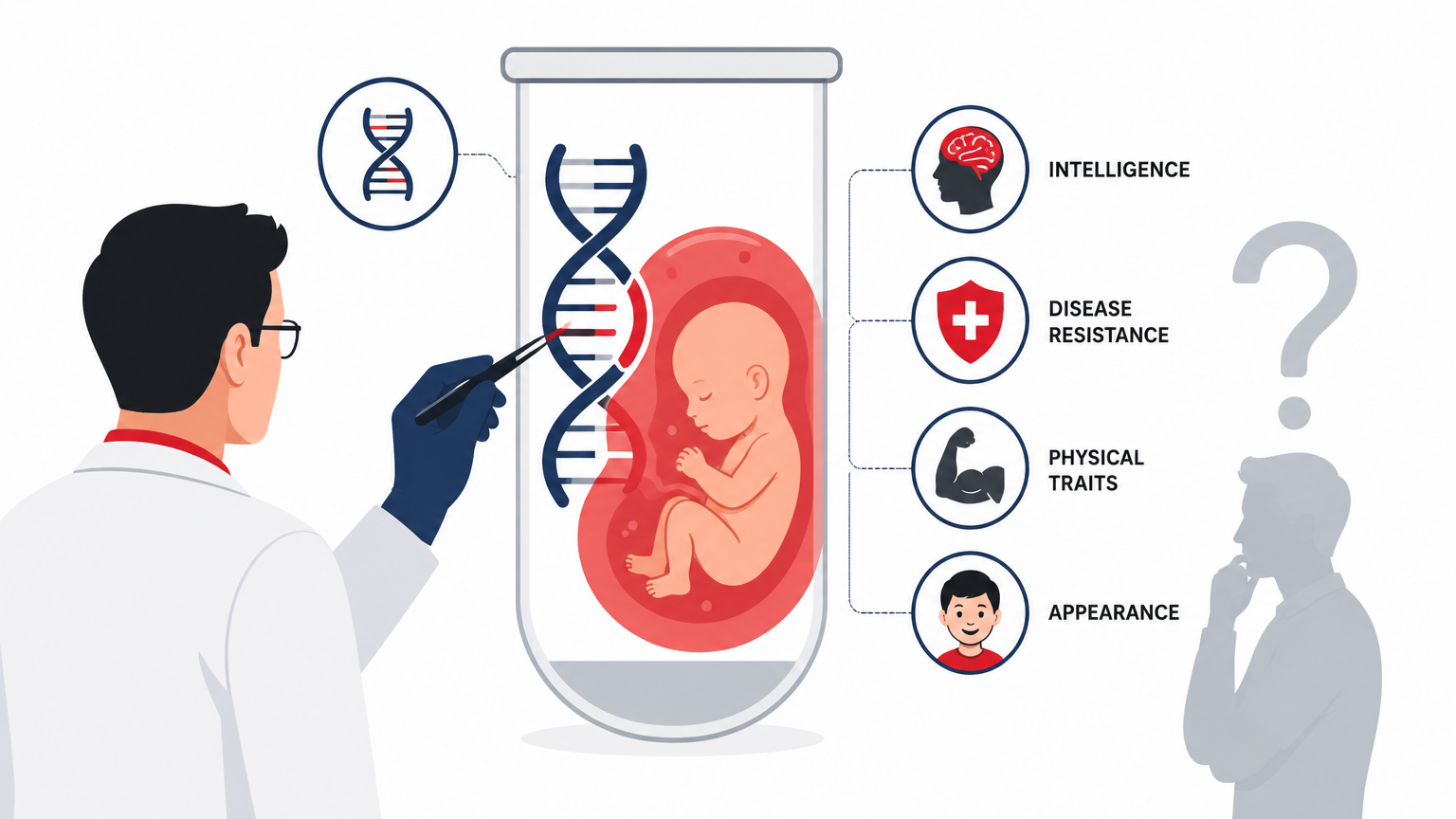
Recent scientific breakthroughs have reignited a fascinating and controversial question: Can parents one day choose specific traits for their babies, such as intelligence, height, athletic ability, or disease resistance?

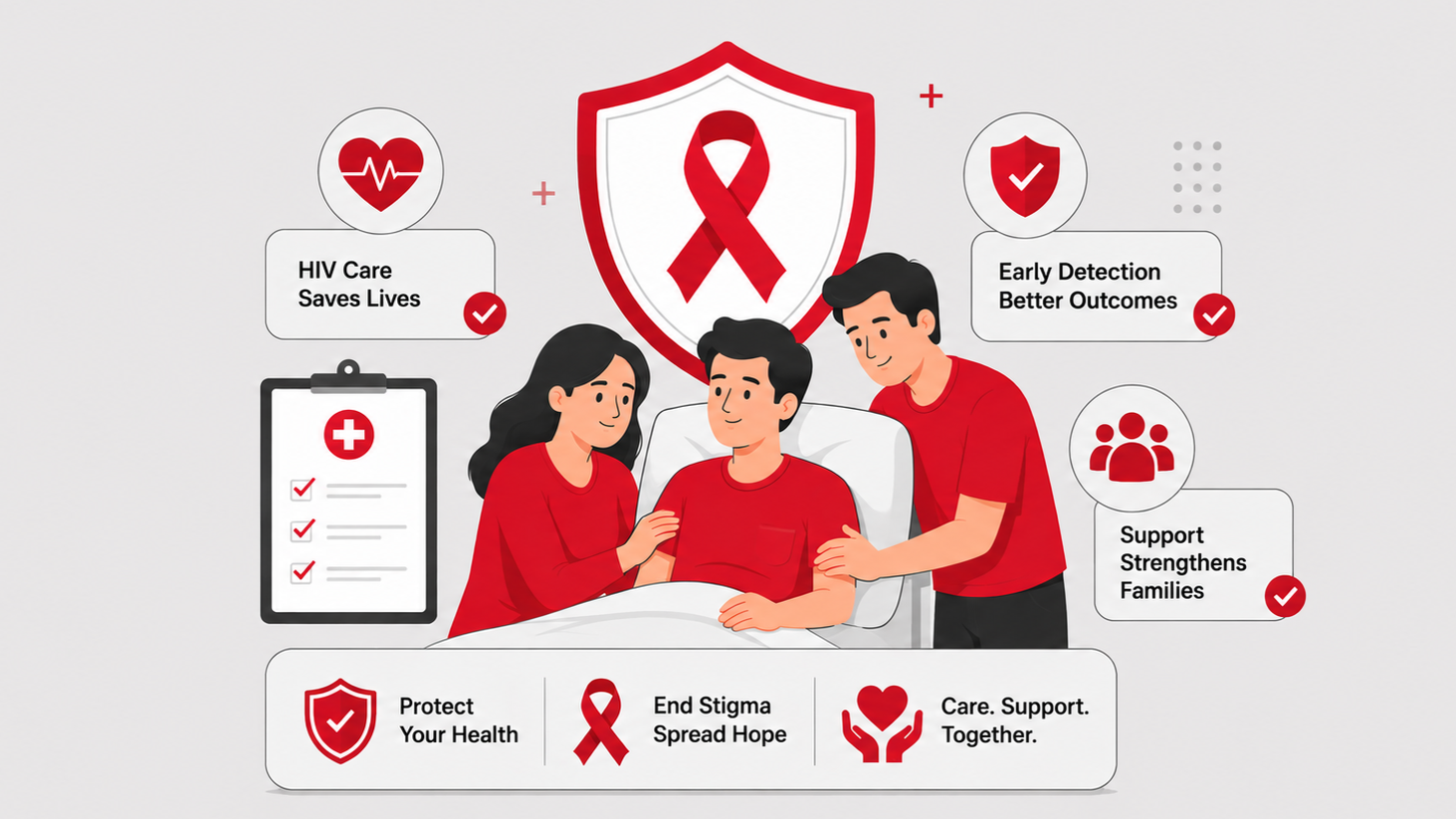
Discover why Mumbai is bucking the national trend with rising HIV deaths in 2026, even as Maharashtra and India report a significant decline. This easy-to-understand guide covers the latest NACO statistics, key reasons behind Mumbai’s challenge, and practical prevention steps for working professionals aged 25 to 55.
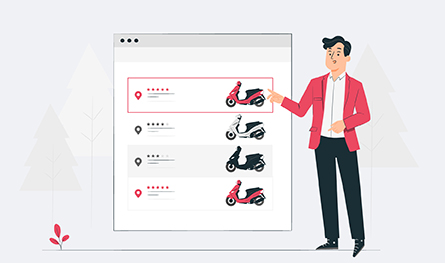
Looking for a reliable and affordable scooter in 2026? This guide covers the top 8 scooty under 1 lakh with real prices, mileage details, and why proper bike insurance matters.

Explore everything about the All-India National Permit in 2026. This detailed guide helps truck owners, fleet operators, and transporters understand fees, types, application steps, government rules, and tips to stay compliant while saving time and money on interstate logistics.
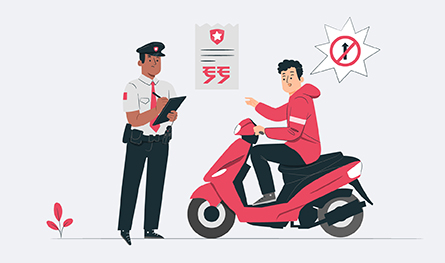
Driving on the wrong side of the road is dangerous as it causes the risk of accidents. India’s road traffic rules strictly prohibit people from driving their bikes on the wrong side of the road. However, many bikers continue doing the same. Hence, to avoid accidents on the road due to wrong-side driving, the government has imposed strict action against defaulters.

By clicking the button, I authorize Paybima advisor to contact me via SMS, Email, Phone, WhatsApp or any other modes overriding my 'DND'.T&C Apply.
By clicking the button, I authorize Paybima advisor to contact me via SMS, Email, Phone, WhatsApp or any other modes overriding my 'DND'.T&C Apply.

