


Related Articles
.png)
 Jan 08, 2025
Is Varicose Vein surgery covered under the health insurance policy in India
 Health Insurance
.png)

.jpg)
Get a clear 2026 update on Pradhan Mantri health insurance for senior citizens. Includes quick summary table of PM-JAY, detailed benefits of Ayushman Vay Vandana Card, government vs private insurance comparison table, claim settlement ratio explanation, and smart tips for families aged 25-55.
All seniors aged 70+ now get up to ₹5 lakh free cover under Pradhan Mantri health insurance, regardless of income.
Apply for the separate Ayushman Vay Vandana Card for easy cashless treatment.
Pre-existing diseases are covered immediately.
Combine with private individual health insurance or super top up health insurance for higher protection.
Latest IRDAI rules have removed age barriers and made claims faster.
Check claim settlement ratio when choosing any private add-on plan.
Renew policies every year without fail for continuous security.
Many adults aged 25 to 55 worry about their parents’ health as they grow older. Hospital bills can quickly become a big burden. The government has made things easier with a special health cover under the Ayushman Bharat Pradhan Mantri Jan Arogya Yojana (AB PM-JAY). In 2026, this scheme gives free or low-cost hospital treatment to senior citizens, especially those aged 70 and above. It brings real relief to families and helps parents get timely care without emptying savings.
| Benefit | Details |
|---|---|
| Sum Insured | Up to ₹5 lakh per year |
| Age Eligibility | All citizens aged 70 and above |
| Pre-existing Diseases | Covered from day one |
| Cashless Treatment | Available at empanelled government and private hospitals |
| Additional Top-up (for existing PM-JAY families) | Extra ₹5 lakh exclusively for the senior citizen |
| Card Type | Separate Ayushman Vay Vandana Card |
| Family Floater Sharing | Senior’s top-up does not affect other family members |
This table shows how the scheme works in simple numbers. Over 6 crore senior citizens across 4.5 crore families can now benefit from it.
The best part is that the scheme is now open to every senior citizen aged 70 or above, no matter their income level. Earlier, it was limited to poorer families, but since September 2024, the government removed the income barrier for seniors.
If your parents are already part of a family covered under AB PM-JAY, they get an extra ₹5 lakh top-up just for themselves. This extra amount stays separate and does not reduce the family’s main cover. Even if your family is not in the original list, parents aged 70+ can still apply for their own cover of up to ₹5 lakh on a family basis (shared among seniors in the household if more than one).
| Aspect | Details |
|---|---|
| Eligibility | All Indian citizens aged 70 years and above, irrespective of income |
| Coverage Amount | ₹5 lakh per senior citizen per year |
| Additional Top-Up | Extra ₹5 lakh for seniors in already covered PM-JAY families |
| Card Issued | Separate Ayushman Vay Vandana Card |
| Hospital Network | Over 30,000 empanelled hospitals (including 13,000+ private) |
| Waiting Period | None – pre-existing diseases covered from day one |
| Cost | Completely free for seniors |
| Application | Via Ayushman App with Aadhaar or at Common Service Centres |
The scheme pays for secondary and tertiary hospital care. This means treatments like heart surgeries, knee replacements, cancer care, kidney dialysis, and many serious illnesses are included. It covers over 1,900 medical procedures and packages.
Pre-existing conditions get cover right from the first day – no waiting period for seniors. Cashless treatment is the biggest advantage. You simply show the Ayushman card at any empanelled hospital, and the bill is settled directly. The scheme also includes pre- and post-hospitalization expenses in many cases.
Many families wonder whether to rely only on the government scheme or add private cover. Here is a simple side-by-side view:
| Feature | Government Scheme (PM-JAY / Ayushman Vay Vandana) | Private Health Insurance |
|---|---|---|
| Cost | Completely free for seniors 70+ | Annual premium to be paid |
| Coverage Limit | ₹5 lakh (plus ₹5 lakh top-up if applicable) | Can be ₹5 lakh to ₹1 crore or more |
| Pre-Existing Diseases | Covered from day one | Usually 2-3 years waiting period |
| Hospital Stay Comfort | Mainly general ward | Option for private room, AC, etc. |
| Outpatient (OPD) Cover | Not covered | Often available as add-on |
| Hospital Network | Over 30,000 hospitals | Varies, often wider choice in premium plans |
| Claim Process | Cashless at network hospitals | Cashless or reimbursement, depends on insurer |
| Renewal | Automatic and lifelong (no premium) | Needs yearly renewal; premiums may rise with age |
| Best For | Basic hospitalisation protection | Higher limits, extra benefits, comfort |
Applying is straightforward. You can do it online through the official PM-JAY website or the Ayushman app. Visit a nearby Common Service Centre (CSC), empanelled hospital, or use the helpline 14555.
You will need your parents’ Aadhaar card, ration card or other ID proof, and mobile number linked to Aadhaar. Once verified, they receive a separate Ayushman Vay Vandana Card. As of early 2026, more than 1.14 crore such cards have already been issued for seniors.
The Ayushman Vay Vandana Card is a special card created just for seniors. It brings many practical advantages that make hospital visits less stressful for both elders and their families.
Cashless Hospitalisation: Seniors can get admitted and treated without paying anything upfront at any empanelled hospital. The government settles the bill directly.
Wide Range of Treatments: It covers around 1,961 medical procedures across 27 specialities. This includes common senior-related issues like heart surgeries, knee or hip replacements, cataract operations, stroke treatment, cancer care, gallbladder removal, and prostate issues.
Pre- and Post-Hospitalisation Cover: Expenses for tests and medicines up to 3 days before admission and 15 days after discharge are included.
No Income Barrier: Unlike the older version of the scheme, this is open to every senior citizen aged 70+, whether rich or from a middle-class family.
Separate Coverage: The ₹5 lakh is dedicated to the senior and does not get shared with younger family members. For families already under PM-JAY, it acts as a true top-up, potentially giving ₹10 lakh total protection.
Day-One Coverage for Pre-Existing Conditions: Any ongoing illness like diabetes, hypertension, or heart problems is covered immediately – no waiting time.
Portability Across India: The card works at empanelled hospitals anywhere in the country, which is helpful if your parents live in a different city or travel.
Free Diagnostics and Consultations during Treatment: Many tests and doctor consultations linked to the covered procedure are provided at no cost.
Easy Portability with Other Schemes: Seniors who have CGHS, ECHS, or private insurance can still use this card. They can choose the best option for each hospital visit.
These benefits are designed keeping in mind the common health needs of seniors, so families in the 25-55 age group feel more secure knowing their parents have reliable support.
The Pradhan Mantri scheme is a strong base, but it has some limits on room rent, procedure packages, and certain modern treatments. Many families choose to add private cover on top for complete protection.
Individual health insurance for parents gives higher sum insured and more flexibility.
Super top up health insurance works well with the government ₹5 lakh. You can buy a super top up of ₹10-20 lakh that starts after the basic cover (including PM-JAY) is used. This keeps costs low while giving high protection.
Family health insurance plan can include parents, but for those above 70, separate individual plans or the government scheme plus top-up often works better.
Many people keep the free PM-JAY cover and layer private insurance. This way, parents get the best of both worlds.
The Insurance Regulatory and Development Authority of India (IRDAI) has introduced several new rules in 2025-26 to protect policyholders, especially seniors. These changes apply to both government and private plans:
No upper age limit for buying individual health insurance or family health insurance plan. Seniors can now get fresh policies easily.
Waiting period for pre-existing diseases reduced to maximum 3 years in many policies.
Moratorium period (after which claims cannot be denied) cut to just 5 years.
Premium hikes for seniors (60+) capped at 10% per year without special approval.
Insurers must settle claims within 30 days (or pay 2% extra interest if delayed).
Separate grievance channel created just for senior citizens’ claims.
These updates mean health insurance renewal is smoother and fairer. When picking a private insurer, always check their claim settlement ratio – higher numbers (above 95%) show they pay claims quickly and honestly. IRDAI now also requires insurers to keep clear lists of network hospitals for cashless services, making life easier for everyone.
Start by getting your parents’ Ayushman Vay Vandana Card today – it’s free and lifelong. Use it for any listed treatment, from heart surgeries to cancer care. Keep the card handy along with Aadhaar.
If your family’s medical needs are higher, layer a private super top up health insurance on top. Many insurers now offer plans designed for seniors with no entry-age barrier thanks to IRDAI. Compare a few options based on coverage, network hospitals, and claim settlement ratio before buying.
Remember to renew on time every year. With new IRDAI rules, renewal is simpler and premiums are more predictable for seniors.
When you look at private best health insurance options, you will often hear about the Claim Settlement Ratio (CSR). In simple terms, CSR tells you what percentage of claims an insurance company actually pays out. For example, a 98% CSR means out of 100 claims, 98 were settled successfully.
IRDAI publishes these numbers every year. A ratio above 95% is generally considered reliable. When choosing super top up health insurance or any private plan, always check the latest CSR along with the Incurred Claim Ratio. This helps you pick a company that is fair and quick with payments. Thanks to recent IRDAI updates, insurers now have to settle claims within 30 days, or they pay extra interest. There is also a dedicated channel for senior citizens’ grievances, making the process smoother for elders.
Yes. Seniors aged 70+ pay nothing. The government bears the full cost.
Yes. They can use both. The government cover works on cashless basis at empanelled hospitals.
They may qualify under regular PM-JAY if the family meets income criteria. For broader cover, individual health insurance or family health insurance plan is a good option at any age.
Visit the IRDAI website or the insurer’s page. Look for numbers above 95% for reliable service.
It mainly covers hospitalisation (secondary and tertiary). For regular check-ups, you may need to add a private plan or super top-up.
Young and healthy? Find out which of these plans rewards you with lower premiums. Click here to check now!

Paybima Team
Paybima is an Indian insurance aggregator on a mission to make insurance simple for people. Paybima is the Digital arm of the already established and trusted Mahindra Insurance Brokers Ltd., a reputed name in the insurance broking industry with 21 years of experience. Paybima promises you the easy-to-access online platform to buy insurance policies, and also extend their unrelented assistance with all your policy related queries and services.

 Jan 08, 2025
Health Insurance
Jan 08, 2025
Health Insurance
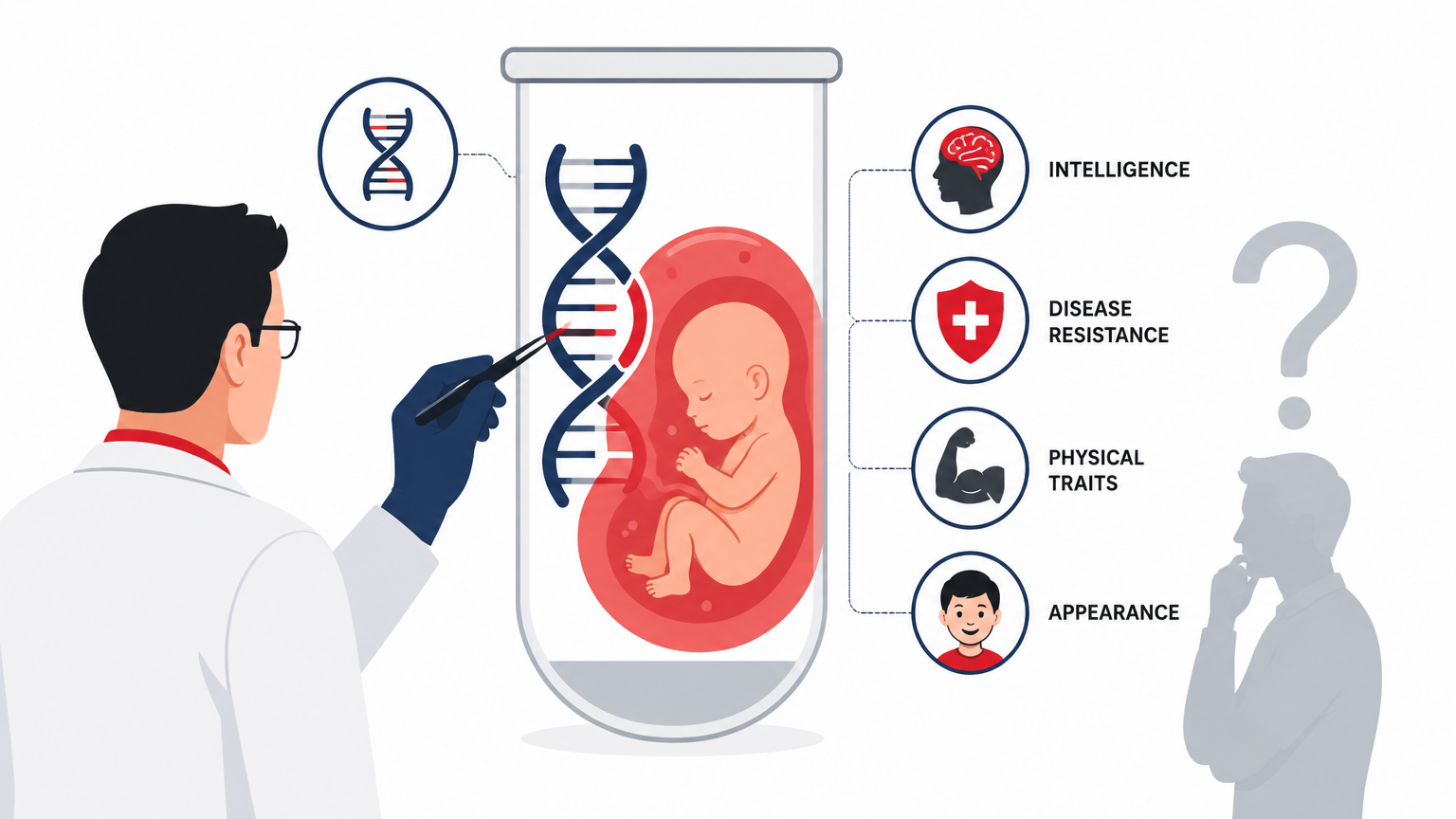
Recent scientific breakthroughs have reignited a fascinating and controversial question: Can parents one day choose specific traits for their babies, such as intelligence, height, athletic ability, or disease resistance?

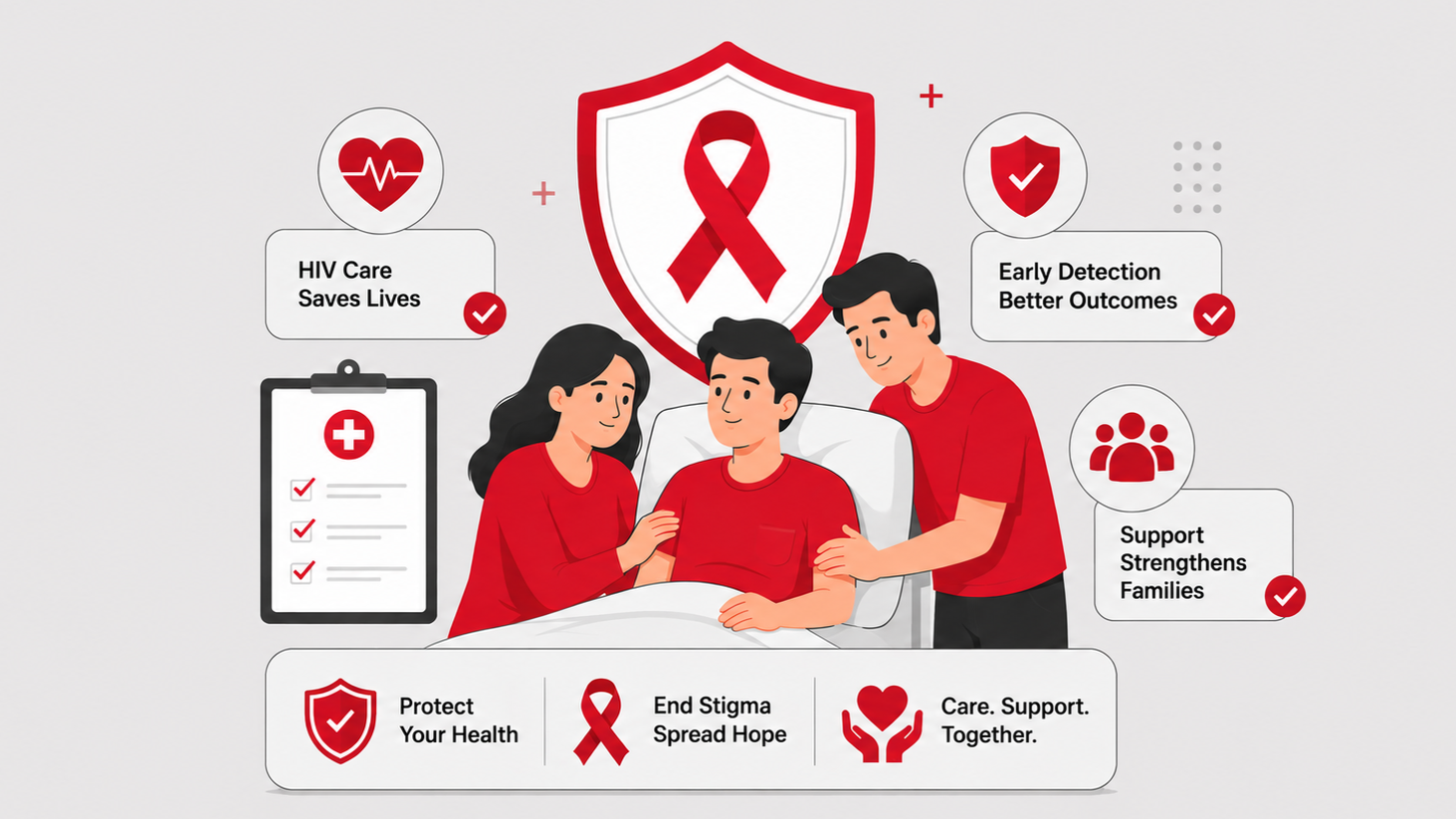
Discover why Mumbai is bucking the national trend with rising HIV deaths in 2026, even as Maharashtra and India report a significant decline. This easy-to-understand guide covers the latest NACO statistics, key reasons behind Mumbai’s challenge, and practical prevention steps for working professionals aged 25 to 55.
Looking for a reliable and affordable scooter in 2026? This guide covers the top 8 scooty under 1 lakh with real prices, mileage details, and why proper bike insurance matters.
Explore everything about the All-India National Permit in 2026. This detailed guide helps truck owners, fleet operators, and transporters understand fees, types, application steps, government rules, and tips to stay compliant while saving time and money on interstate logistics.
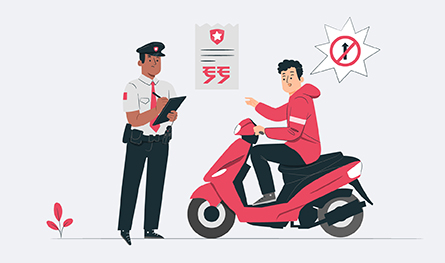
Driving on the wrong side of the road is dangerous as it causes the risk of accidents. India’s road traffic rules strictly prohibit people from driving their bikes on the wrong side of the road. However, many bikers continue doing the same. Hence, to avoid accidents on the road due to wrong-side driving, the government has imposed strict action against defaulters.

By clicking the button, I authorize Paybima advisor to contact me via SMS, Email, Phone, WhatsApp or any other modes overriding my 'DND'.T&C Apply.
By clicking the button, I authorize Paybima advisor to contact me via SMS, Email, Phone, WhatsApp or any other modes overriding my 'DND'.T&C Apply.

