
Top Post Office Schemes & Investment Plans for 2026

These schemes include savings accounts, fixed deposits, monthly income plans, and long-term options like PPF or Sukanya Samriddhi. Interest rates stay steady, and your money is fully secure. In 2026, rates range from 4% to 8.2%, depending on the plan. They suit different needs: some give regular payouts, others grow your savings over time with tax benefits.
Latest Post Office Schemes Interest Rates
Rates stay the same for this quarter. Here's a table of top schemes suitable for saving for your son:
Why These Plans Work for Your Son
-
Public Provident Fund (PPF): This is widely considered the "Gold Standard" for a boy child's future. Since it has a 15-year tenure, opening it when your son is young ensures he receives a massive, tax-free lump sum just as he enters college or starts a business.
-
National Savings Certificate (NSC): If you have received a lump sum (like a birthday gift from grandparents), putting it into an NSC is a smart move. It acts as a guraranted return plan that grows steadily for 5 years, making it perfect for specific milestones like coaching classes or school admission fees.
-
Kisan Vikas Patra (KVP): KVP is ideal if your goal is simple: you want the money you invest today to be exactly double by the time your son reaches his teens. It provides complete capital safety, which is often preferred over the volatility of ulip plans for core educational funds.
-
Term Insurance for the Parent: While saving for him is vital, you must also protect the "source" of those savings. Ensuring you have a solid term plan or online term insurance means that even if you aren't around, your son’s Post Office accounts can continue to be funded, securing his dreams.
Top 3 Investment Plans for Your Son’s Education
1. Public Provident Fund (PPF): The Long-Term Giant
The PPF is widely considered the best investment plan for a boy child's long-term needs. Since it has a 15-year lock-in period, it aligns perfectly with a child’s journey from school to college.
-
Compounding Power: Interest is compounded annually, meaning you earn interest on your interest.
-
Safety First: It is a 100% guraranted return plan backed by the Government of India.
-
Tax Efficiency: It falls under the EEE category—no tax on investment, no tax on interest, and no tax on maturity.
2. National Savings Certificate (NSC): For Mid-Term Milestones
If your son is already 10 or 12 years old, you might need a fund for his high school coaching or a laptop in 5 years. The NSC is a great choice here. It offers a solid 7.7% interest rate and acts as a fixed deposit with better returns than most banks. It is a reliable addition to any pension plan or retirement fund you might be building for yourself, as it keeps your child's funds separate.
3. Kisan Vikas Patra (KVP): The Money-Doubler
KVP is a simple nvest and forget scheme. In 2026, it takes approximately 115 months (9 years and 7 months) to double your money. If you receive a lump sum gift for your son, putting it in KVP ensures that by the time he is ready for professional courses, the amount has doubled with zero risk.
Balancing Savings with a Protection Plan
While saving for the future is vital, life is unpredictable. A complete financial strategy for your child must include more than just a savings account.
Why You Need a Life Insurance Plan
Imagine a scenario where the earner of the family is no longer around. A Post Office account alone might not be enough to finish a child's education. This is where a life insurance plan becomes crucial.
-
Term Plan: Every parent between 25 and 55 should have a robust term plan. It provides a high sum assured at a very low cost.
-
Online Term Insurance: Buying online term insurance is often 20-30% cheaper than offline plans. It ensures that if something happens to you, the insurance payout can fund your son’s PPF and other investments.
-
Child Insurance Plan: Many parents also look at a dedicated child insurance plan which often includes a Waiver of Premium benefit. This means if the parent passes away, the insurance company pays the remaining premiums so the child still gets the maturity amount at age 18 or 21.
Strategic Planning for Ages 25 to 55
Your investment strategy should evolve as you and your son get older.
-
Parents Aged 25–35: If your son is a toddler, open a PPF account immediately. Even ₹1,000 a month will grow into a massive fund by the time he is 18. This is also the cheapest time to buy a term plan.
-
Parents Aged 35–45: Focus on the NSC for his secondary school expenses. At this stage, ensure your online term insurance cover is at least 10–15 times your annual income.
-
Parents Aged 45–55: As you approach retirement, look for schemes that offer liquidity. If your son is nearing college, keep some funds in a Post Office Savings Account or short-term Time Deposits for immediate fees. This is also when you should finalize your own pension plan so that your child’s education fund isn't diverted for your retirement.
FAQs on Post Office Schemes for Boy Child 2026 in India
Yes, the Public Provident Fund (PPF) is widely considered one of the best long-term Investment Plans. Its 15-year lock-in period, high-interest rate, and EEE (Exempt-Exempt-Exempt) tax status make it an ideal, virtually risk-free vehicle for building a large, tax-free corpus for goals like higher education or initial business capital.
To open a post office account in his own name, a boy child has to be above the age of 10 years. Children below the age of 10 can have their accounts opened by parents on behalf of their boy child. While opening the account, you need to have a minimum deposit of at least Rs. 500, while there is no maximum limit of amount to be deposited.
Absolutely. They serve different purposes. A Post Office Scheme (like PPF or NSC) is an Investment Plans or savings tool for wealth creation with a guaranteed return plan. A term insurance plan is a pure protection tool. You should have both: the scheme to build wealth and the term plan to ensure that wealth-building goal is met even if you are no longer around.
Yes, the Government of India backs all Post Office Small Savings Schemes, offering sovereign guaranteed return plans. The interest rates are fixed by the government for each quarter, making them highly secure compared to market-linked Investment Plans.
The monthly income scheme interest rate of the post office is up to 6.6% annual interest every month that an investor can earn.

Author Bio
Paybima Team
Paybima is an Indian insurance aggregator on a mission to make insurance simple for people. Paybima is the Digital arm of the already established and trusted Mahindra Insurance Brokers Ltd., a reputed name in the insurance broking industry with 21 years of experience. Paybima promises you the easy-to-access online platform to buy insurance policies, and also extend their unrelented assistance with all your policy related queries and services.


Other Life Insurance Products


Latest Post
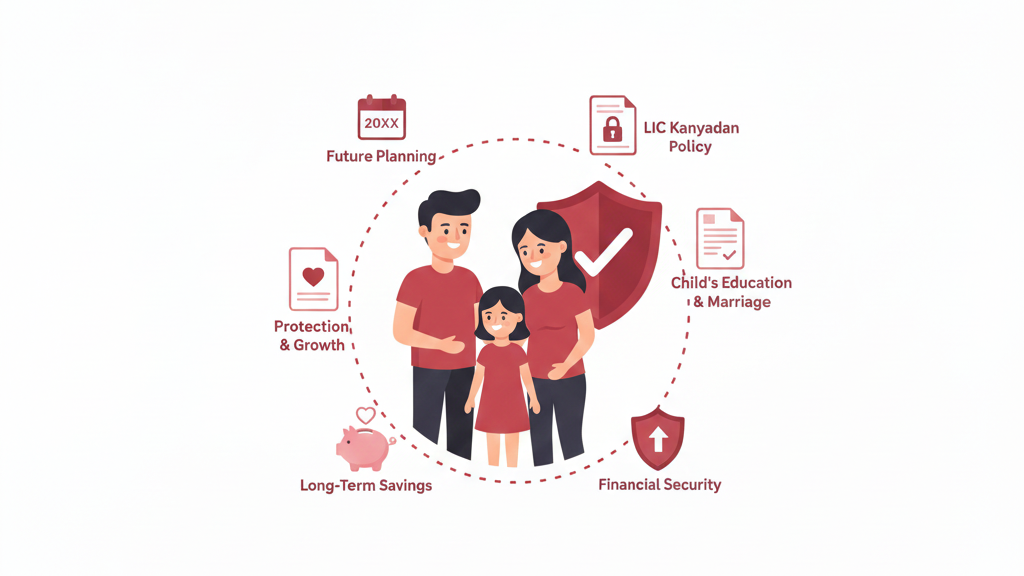
Secure your daughter’s education and marriage in 2026 with LIC’s top child plans. This updated guide has detailed tables, real examples, more features like loans and riders, plus smart tips. Read and plan confidently!

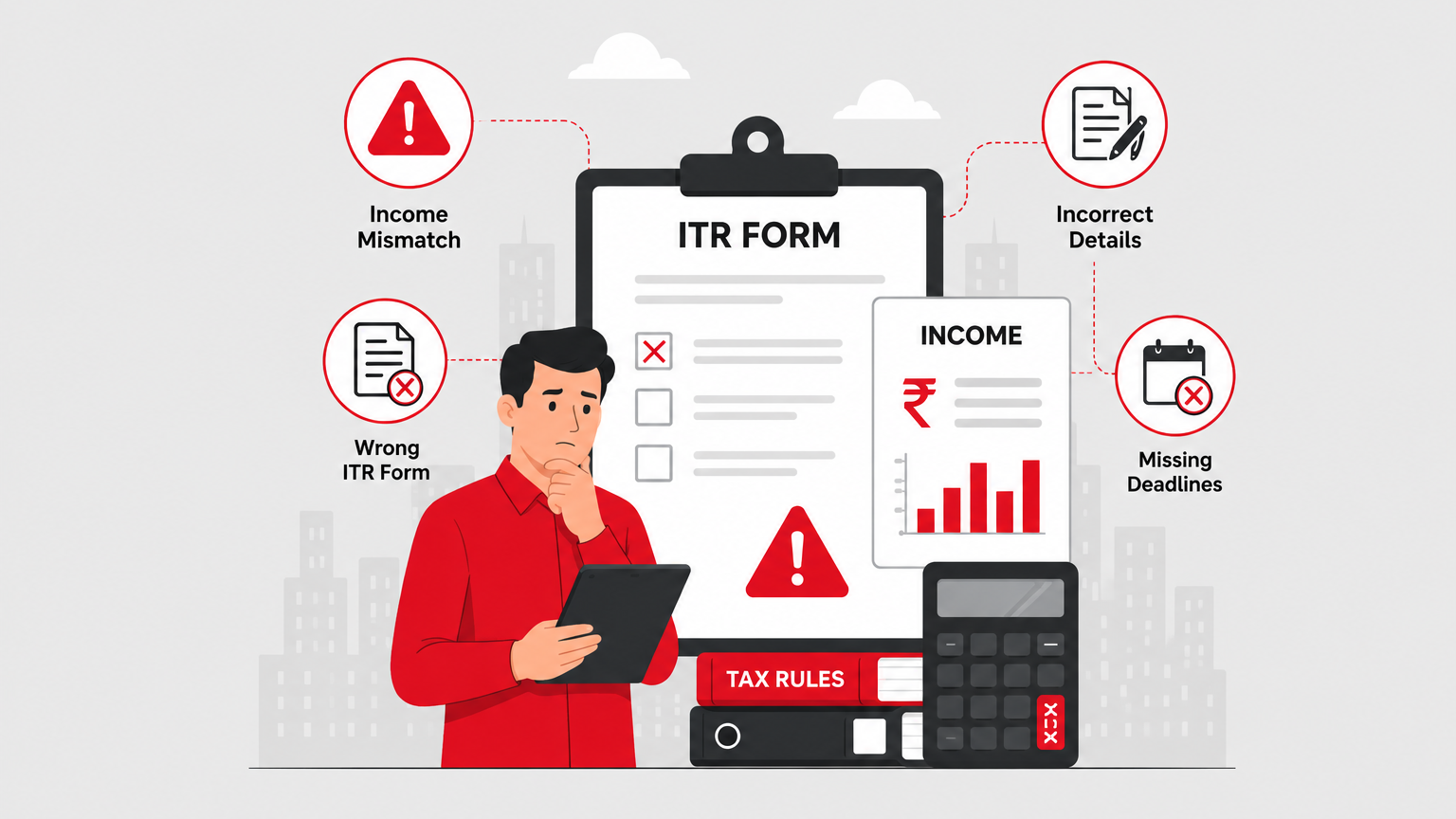
ITR filing for 2026 can feel confusing with income mismatches and form issues. This detailed, simple guide helps working professionals and families avoid costly errors, claim full refunds, and build long-term financial security.
Tax season can be stressful, but avoiding these common ITR mistakes helps you claim rightful refunds faster and stay compliant. Learn practical advice tailored for working professionals and families in India.

Empowering women with financial security! Explore top LIC policies in 2026 tailored for savings, life cover, and family protection. Ideal for working professionals, homemakers, and mothers aged 25-55.
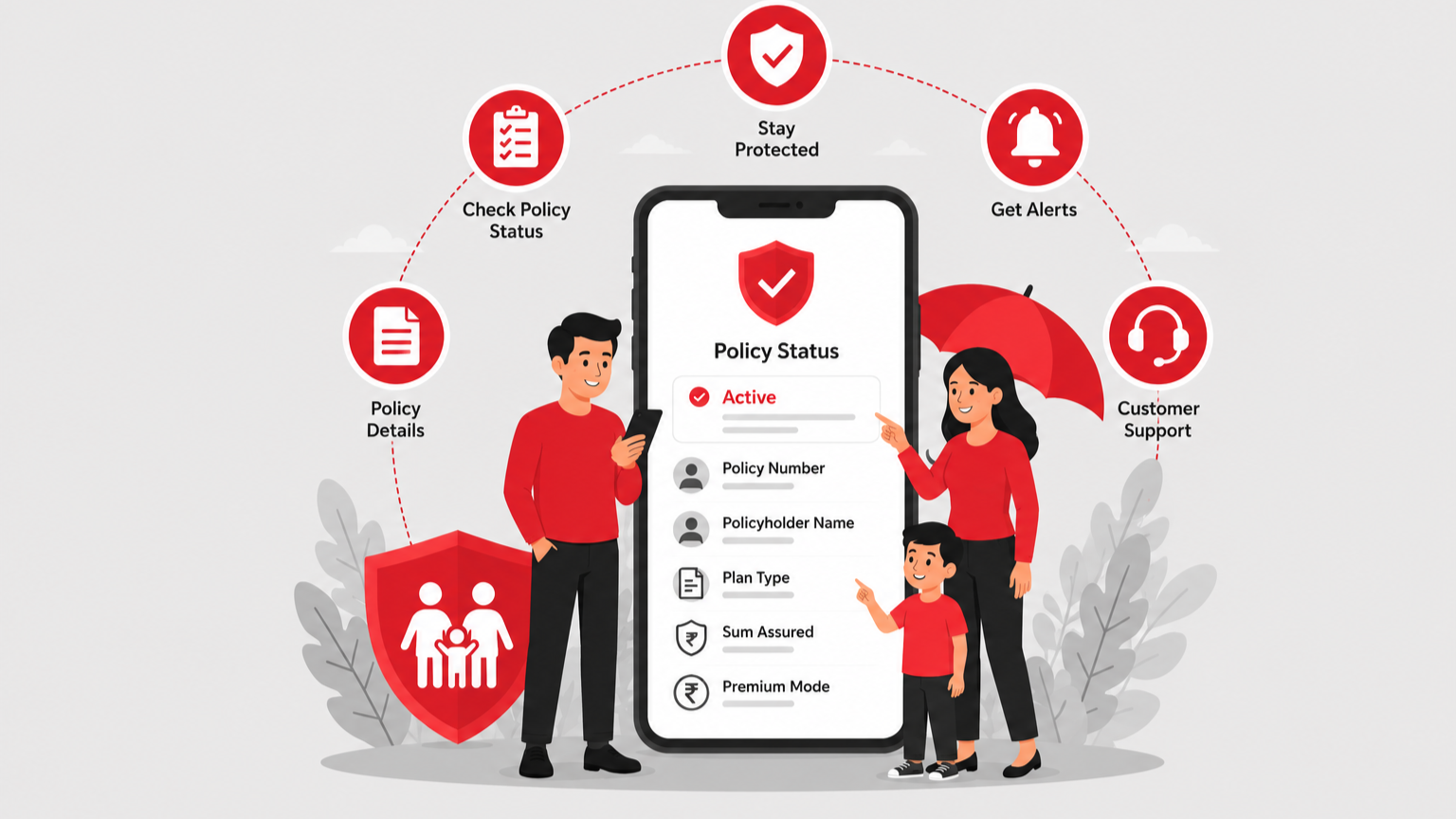
In today’s busy world, keeping track of your life insurance is important for financial security. This easy guide shows how to check your ICICI Prudential policy status quickly so you can manage investment plans, term plans, or guaranteed return plans without stress.


Speak to our Advisor
+91

By clicking the button, I authorize Paybima advisor to contact me via SMS, Email, Phone, WhatsApp or any other modes overriding my 'DND'.T&C Apply.