
All India National Permit for Commercial Vehicles in 2026
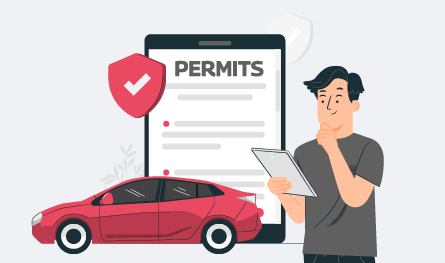
Explore everything about the All-India National Permit in 2026. This detailed guide helps truck owners, fleet operators, and transporters understand fees, types, application steps, government rules, and tips to stay compliant while saving time and money on interstate logistics.
Running a transport or logistics business in India often means moving goods or passengers across different states. That's where the All India National Permit (also called National Permit) comes in. It is a legal document that lets commercial vehicles operate freely across India without needing separate state permits every time.
In 2026, this permit remains essential for smooth interstate operations. With India's growing economy, e-commerce, and infrastructure projects, more truck and commercial vehicle owners are applying for it. As of mid-2026, over 1.95 million national permits have been issued nationwide in the recent period, reflecting strong demand in the sector.
This guide explains the permit in simple words, covering who needs it, how to apply, latest updates, costs, and important tips — including commercial vehicle insurance requirements.
Who Needs an All India National Permit?
-
Goods-carrying vehicles (trucks, tempos, LCVs) operating beyond their home state.
-
Certain passenger vehicles like tourist taxis or buses under All India Tourist Permit (AITP) rules.
-
It is not needed for purely local operations within one state (state permit suffices there).
Key Benefit: One permit covers multiple states (minimum 4 including home state), saving time and hassle at borders.
Why It Matters in 2026?
With growing e-commerce and logistics, over 18.7 lakh National Permit authorizations were issued between April 2025 and June 2026, collecting massive revenue (around ₹3,086 crore+). The digital system via Vahan 4.0 has made payments consolidated and border checks faster.
What is an All-India National Permit?
An All-India Permit, legally known as a National Permit (NP), is an official license issued by the Regional Transport Authority (RTA) or State Transport Authority (STA). It grants a commercial goods vehicle the legal right to operate across all 28 states and 8 Union Territories in India.
Authorized under Section 88(12) of the Motor Vehicles Act, 1988, this system replaces individual state permits with a unified digital framework. Instead of paying taxes at every physical state border, fleet owners pay a consolidated composite tax into a central national account via the government's online Parivahan Sewa portal.
Types of Commercial Vehicle Permits in India
Commercial permits are broadly split into two core umbrellas depending on what you are transporting:
1. Goods Carriage Permits
-
Local / State Permit: Restricts the commercial vehicle's operations strictly within the home state borders where the vehicle is registered.
-
National Permit (All-India Goods Permit): Allows heavy and light commercial trucks to move goods across state borders throughout India. It requires selecting a minimum of 4 contiguous (connected) states, though most operators choose the "throughout India" option.
2. Passenger Carriage Permits
-
All India Tourist Permit (AITP): Issued to luxury buses, tempo travellers, and commercial tourist cabs.
Important Update: Under the latest All India Tourist Vehicles (Permit) Amendment Rules, tourist vehicles are prohibited from staying outside their home state for more than 60 consecutive days. Compliance is tracked automatically through GPS-linked Vehicle Location Tracking Devices (VLTD).
-
Stage Carriage Permit: Assigned to public or private buses operating on fixed, pre-notified routes with designated stages and timetables.
-
Contract Carriage Permit: Used for vehicles hired as a whole under a specific contract (like school buses, employee transport, or private tour cabs).
Eligibility and Documents Required
To qualify:
-
Vehicle must be registered as a goods carriage or appropriate category.
-
Valid Fitness Certificate, PUC, and insurance.
-
No pending dues or cases against the vehicle.
Common Documents:
-
Form 46 (Authorization for Tourist/National Permit) and Form 48 (National Permit application).
-
Registration Certificate (RC).
-
Valid Fitness Certificate.
-
Insurance policy (mandatory commercial vehicle insurance).
-
Proof of road tax payment.
-
PUC certificate.
-
Owner’s ID/address proof (Aadhaar, PAN).
-
Driver’s license details.
Fees and Costs (Latest 2026 Updates)
Fees have two main parts: a base authorization fee and a consolidated annual tax. The good news is the shift to a single payment system has simplified everything.
Updated Fee Table (Approximate 2026):
| Vehicle Type | Base Fee (Approx.) | Authorization/Composite Fee | Total Notes / Validity |
|---|---|---|---|
| Light Goods Vehicle (LGV) | ₹2,015 | ₹500 – ₹1,000 + composite | 5 years permit + annual auth |
| Heavy Goods Vehicle (HGV) | ₹2,515 | Higher based on weight | 5 years |
| Consolidated All-India | - | ₹16,500 per annum (covers most states/UTs) | Annual payment for nationwide ops |
| Tourist / Contract Carriage | Varies | ₹500 – ₹25,000+ | 1–5 years depending on type |
Important: Exact amounts can vary slightly by state and vehicle details. Always check the official Parivahan portal for your specific vehicle. Additional charges like green tax or road tax may apply in some regions. Pay on time to ensure instant digital validation at checkposts.
Documents Required for the Application
Before logging onto the Vahan system, ensure you have digital, clear scans of these essential documents:
-
Registration Certificate (RC): Must clearly show the vehicle is registered under the "Transport" class.
-
Certificate of Fitness (FC): Valid proof that the truck is mechanically sound.
-
Pollution Under Control (PUC) Certificate: Must be structurally valid and active on the central Parivahan database.
-
Commercial Vehicle Insurance Policy: An active motor insurance policy is a strict statutory mandate.
-
Tax-Paid Receipts: Proof that local road tax and home-state quarterly taxes are clear.
-
Identity Proof: Aadhaar Card, PAN Card, or corporate GST/Incorporation certificate for transport companies.
-
Driver's Badge: The official RTO-issued commercial badge for your designated drivers.
Step-by-Step Online Application Process
While the physical permit verification and hearing happen at the Regional Transport Authority (RTA) level, the core document filing and fee payments are handled completely online.
1. Access the Vahan Portal:
Navigate to the official government portal at parivahan.gov.in or go directly to vahan.parivahan.gov.in/npermit/. Sign up using your mobile number linked to your vehicle's Aadhaar and driving license data.
2. Pay the Composite Fee Online:
Select your vehicle category and choose the "Throughout India" option. Pay the consolidated ₹16,500 All-India composite fee via the integrated secure gateway. Print the receipt immediately, as it contains your Government Receipt Number (GRN).
3. Complete Form 46 & Form 48:
Download, print, and fill out Form 46 (Application for grant of authorization) and Form 48 (Authorization component details). Ensure the list of states matches your online payment record exactly.
4. Submit at the Home RTA:
Visit your home state’s Regional Transport Authority (RTA) with the filled forms, online fee receipts, and original vehicle documents. Pay the local ₹1,000 annual authorization fee at the counter.
5. RTO Processing & Digital Activation:
The transport officials will verify your structural documents and digital logs. Once approved, they will upload the authorization to the national grid. Your permit will appear on the mParivahan app with an "Active Permit" tag, and a physical copy of Form 47 will be issued.
The Role of Vehicle Insurance in National Permits
You cannot acquire an All-India Permit without a valid vehicle insurance policy actively registered against the chassis number. The Motor Vehicles Act makes motor insurance renewal mandatory before your existing coverage lapses.
For commercial logistics, simple third-party coverage is rarely enough. Transport owners look toward comprehensive commercial vehicle insurance to protect their financial interests against accidents, thefts, natural disasters, and cargo loss across long transits.
Why Insurance and Permits Go Hand in Hand:
-
The Regulatory Shield: The IRDAI (Insurance Regulatory and Development Authority of India) requires commercial transport fleets to hold active personal accident insurance for owner-drivers. RTAs strictly cross-verify this during permit registration.
-
Digital Verification: RTO servers read the Insurance Information Bureau (IIB) database directly. If you buy an online car insurance or truck policy, it takes up to 24–48 hours to sync with the Vahan system. Always complete your 4 wheeler insurance or heavy truck policy renewals at least a week before applying for a permit.
Government Rules and Regulations
-
Governed by Section 66 and 88 of the Motor Vehicles Act 1988 and Central Motor Vehicles Rules.
-
You must select at least 3–4 states (excluding home state in some cases) for the permit.
-
Vehicle must have valid fitness, pollution compliance, and safety features.
-
Overloading, expired permits, or missing insurance attract strict penalties, including fines and vehicle seizure.
-
Integration with FASTag and digital tracking systems helps authorities monitor compliance efficiently.
Stay updated by regularly visiting the Parivahan or Ministry of Road Transport and Highways (MoRTH) websites. Minor policy tweaks on insurance linkage or safety norms may occur from time to time.
Challenges and Practical Tips
Common challenges include forgetting annual authorization renewal or mismatched documents. To avoid issues:
-
Use the Parivahan mobile app for reminders.
-
Keep digital copies of all certificates in your phone.
-
Consult a local transport agent if you manage a large fleet.
-
Always carry physical or digital copies of the permit during travel.
Pairing your permit with proper vehicle insurance gives complete peace of mind against accidents, theft, or damage.
Key Takeaways
-
The All India National Permit is essential for efficient interstate commercial transport.
-
Annual authorization payment keeps your permit active nationwide.
-
Combine it with reliable commercial vehicle insurance, bike insurance policy (for smaller support vehicles), and 4 wheeler insurance where needed.
-
Use digital tools for faster applications and renewals.
-
Compliance saves money and builds a strong reputation for your transport business.
-
Regular checks on fitness and insurance are as important as the permit itself.
FAQs - All India Permit and Fees
It is government permission allowing commercial goods vehicles to operate legally across multiple states in India.
Use parivahan.gov.in, fill Forms 46/48, upload documents, and pay fees.
Typically 5 years for the permit, with yearly authorization; varies by vehicle type.
Vehicles must return to home state within 60 days.
Truck owners, logistics companies, and anyone transporting goods interstate regularly.
The base permit is valid for 5 years, but authorization requires yearly renewal.
Base fees start around ₹2,000–₹2,500 plus ₹16,500 consolidated annual fee (approximate — confirm on portal).
Yes, through the Parivahan portal with easy document upload and payment.
Absolutely. Valid motor insurance policy or commercial vehicle insurance is required.
Log into the National Permit section on Parivahan and pay the fee before expiry.
Fines up to ₹10,000 and possible impounding of the vehicle.
State Permit is limited to one state; National Permit allows operations across India.
Yes, All-India Tourist Permit is available for passenger vehicles used in tourism.

Author Bio
Paybima Team
Paybima is an Indian insurance aggregator on a mission to make insurance simple for people. Paybima is the Digital arm of the already established and trusted Mahindra Insurance Brokers Ltd., a reputed name in the insurance broking industry with 21 years of experience. Paybima promises you the easy-to-access online platform to buy insurance policies, and also extend their unrelented assistance with all your policy related queries and services.


Other Motor Insurance Products


Latest Post
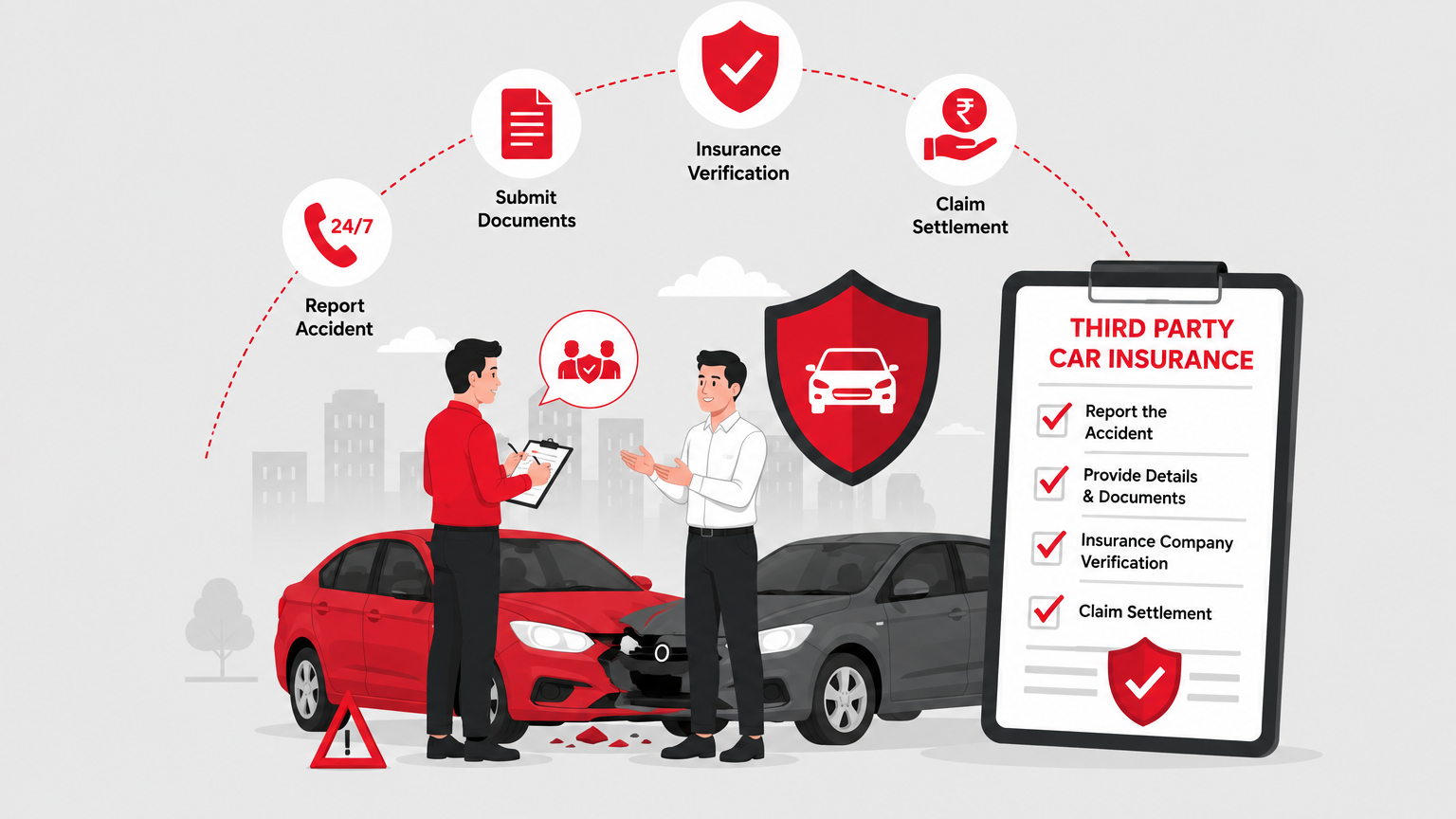
Discover a straightforward guide on claiming third party liability under your motor insurance policy. Whether you have basic coverage or comprehensive vehicle insurance, this helps everyday drivers and vehicle owners aged 25-55 handle accidents smoothly and get fair compensation.

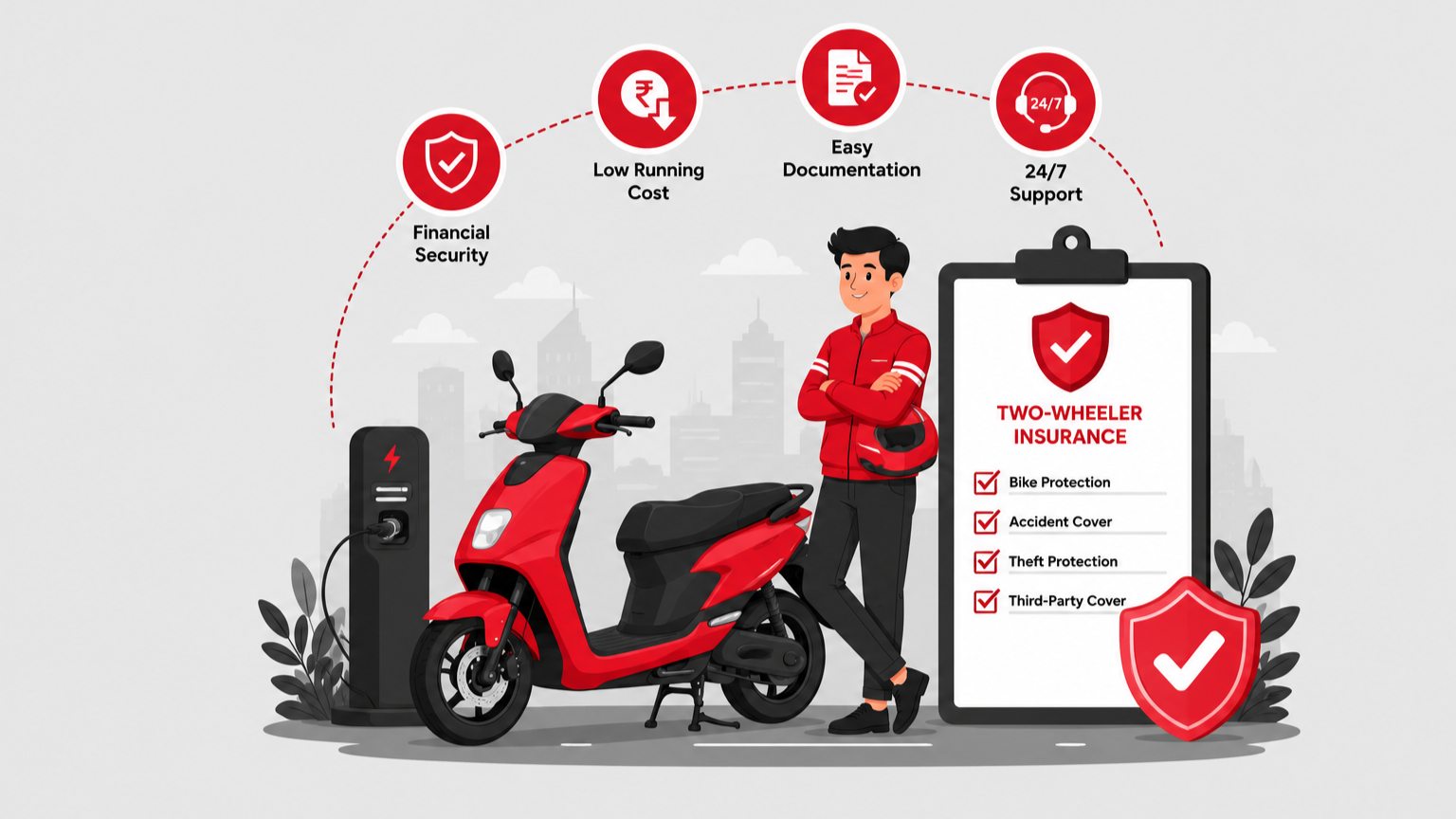
In today’s busy life, your two-wheeler is essential for daily commutes. But accidents, theft, or damage can bring unexpected costs. This guide explains how to get affordable two-wheeler insurance in easy steps, helping you stay protected without straining your budget. Perfect for riders aged 25-55 who want peace of mind.

Choosing a baby name starting with N? This comprehensive 2026 guide offers 100 fresh ideas for boys and girls, complete with meanings, cultural insights, and practical advice for new parents aged 25-55 on securing your child's tomorrow.
Explore everything about the All-India National Permit in 2026. This detailed guide helps truck owners, fleet operators, and transporters understand fees, types, application steps, government rules, and tips to stay compliant while saving time and money on interstate logistics.
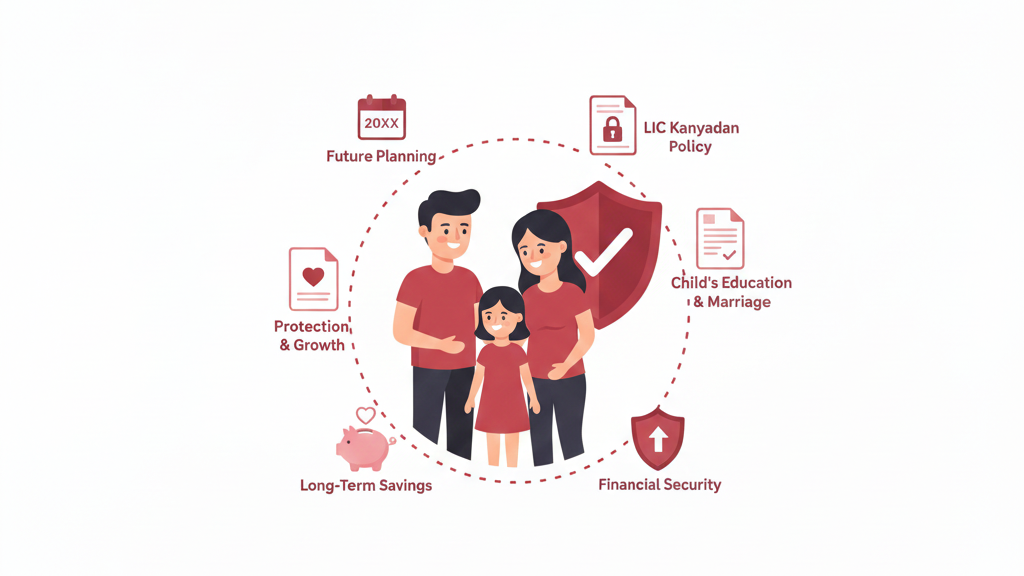
Secure your daughter’s education and marriage in 2026 with LIC’s top child plans. This updated guide has detailed tables, real examples, more features like loans and riders, plus smart tips. Read and plan confidently!


Speak to our Advisor
+91

By clicking the button, I authorize Paybima advisor to contact me via SMS, Email, Phone, WhatsApp or any other modes overriding my 'DND'.T&C Apply.