
Term Insurance at Age 25 vs Age 35: How Much Money You’ll Lose by Waiting Just 10 Years
Thinking of postponing your term insurance plan? See the shocking financial penalty! This article compares the costs of buying a high-cover term plan (like a 1 crore term plan or 2 crore term plan) at age 25 versus age 35.
Buying insurance is one of those financial decisions most people put off. When you’re young, you feel invincible, and when you finally decide you need a term insurance plan, you might be ten years older, married, and carrying more debt.
That ten-year delay—from age 25 to age 35—can seem small, but in the world of life insurance, it’s huge. It can cost you lakhs of rupees and make a massive difference in your overall financial security.
This article breaks down the financial impact of delaying your term plan purchase and why getting protected early is the smartest decision you can make.
The Core Concept: Why Age Matters to Insurance
Insurance companies operate on the principle of risk. When you buy a term insurance plan, the company promises to pay a large amount (the Sum Assured, like a 1 crore term plan or 2 crore term plan) to your family if you pass away during the policy term.
The premium you pay is directly linked to the likelihood of that payout happening:
- Age: A 25-year-old is statistically much less likely to pass away than a 35-year-old. Less risk equals lower premiums.
- Health: At 25, you are generally at your peak health. By 35, there's a higher chance of developing minor health issues like high blood pressure, elevated cholesterol, or a diagnosed lifestyle disease. Any health issue increases your risk profile, which increases your premium.
The "Locked-In" Price: When you buy a term plan, the premium is typically fixed for the entire policy duration (e.g., 30 or 40 years). By buying at 25, you lock in the lowest possible rate for decades.
The Cost of Waiting: A 10-Year Delay Example
Let’s look at how the annual premiums for a large cover change just by waiting ten years. We will compare two popular high-value covers: a 1 crore term plan and a 2 crore term plan.
Note: These figures are indicative estimates for a healthy, non-smoking male, with coverage lasting until age 60. Actual premiums vary between insurers.
As you can see, waiting just 10 years increases your annual premium cost by around 75% to 78%.
The Massive Total Loss by Waiting
Now, let's look at the total amount you will pay over the policy term (from the purchase age until age 60) for the ₹2 crore term plan:
By waiting just ten years to buy your 2 crore term plan, you end up paying an extra ₹1,35,000 over the life of the policy, even though your coverage period is ten years shorter! This is the direct financial cost of procrastination.
The Hidden Cost of Health and Risk
The financial penalty of higher premiums is clear, but the "hidden costs" are even more critical:
1. The Cost of Health Exclusions
If you buy at age 35 and have developed diabetes, high BP, or are overweight, the insurer will do one of three things:
- Load the Premium: They will add a significant extra charge (called "loading") to your standard premium. That ₹25,000 annual cost could easily jump to ₹30,000 or more.
- Decline Coverage: If the condition is serious, they might refuse to issue a policy altogether.
- Exclude Conditions: The policy might exclude coverage related to a pre-existing condition, leaving your family financially vulnerable to a specific risk.
Buying at 25 locks in your rate when your health is likely optimal, often allowing you to skip extensive medical tests.
2. The Opportunity Cost
Imagine the extra ₹11,000 you pay annually by buying at 35 (₹25,000 vs. ₹14,000). If you had started at 25, you could have taken that extra ₹11,000 you saved each year and put it into a consistent investment plan.
Over 35 years, if that ₹11,000 was invested annually at a modest 10% return, it would grow to nearly ₹38 lakh. That is the massive opportunity cost of delaying your purchase.
Term Plan vs. Investment Plans: Understanding the Difference
It is important to remember that a term plan is pure protection, not an investment plan.
- Term Plan: Provides a huge sum of money (1 crore term plan or 2 crore term plan) to your family if you pass away during the policy term. Its goal is protection. There is no maturity benefit if you survive the term (unless you choose the more expensive 'Return of Premium' option).
- Guaranteed Return Plan: These are insurance-cum-savings products that promise an amount at maturity. While they sound safe, they offer a low life cover for a much higher premium. They blur the lines between insurance and investment, often resulting in sub-par returns compared to focused investment plan options like mutual funds or stocks.
The Smart Strategy: Buy a low-cost, high-cover term plan early (like at age 25) to lock in the lowest premium, and then use the money you save on premiums to invest separately in a focused investment plan or guaranteed return plan to build wealth. This way, you optimize both your protection and your savings.
The message is clear: Don't wait! Every year you delay securing a term insurance plan is a year you are paying more and risking more. If you have dependents or loans, buy your term plan today.
Frequently Asked Questions (FAQs) on Term Insurance at Age 25 vs Age 35
A term insurance plan is the simplest and purest form of life insurance. It provides financial coverage (Sum Assured, e.g., 1 crore term plan) to your beneficiaries if you pass away during a specified policy term. It does not offer any maturity benefits if you survive the term, which is why its premiums are very low.
No. A term plan is pure protection, not an investment plan. It is designed solely to replace your income for your family in case of your untimely death. For savings and wealth creation, you should use separate financial tools like mutual funds, stocks, or guaranteed return plan options.
The amount depends on your financial responsibilities. A common rule of thumb is to buy cover that is 10 to 15 times your current annual income. If your annual income is ₹15 lakh, a 2 crore term plan would be a sensible choice to cover your family's expenses, debts, and future goals for a long period.
Insurance companies view age 35 as significantly riskier than age 25. The probability of mortality increases, and there is a higher chance that a person has developed lifestyle diseases (like diabetes or hypertension) that raise the risk of a claim. Higher risk equals a higher premium to lock in that rate.

Author Bio
Paybima Team
Paybima is an Indian insurance aggregator on a mission to make insurance simple for people. Paybima is the Digital arm of the already established and trusted Mahindra Insurance Brokers Ltd., a reputed name in the insurance broking industry with 21 years of experience. Paybima promises you the easy-to-access online platform to buy insurance policies, and also extend their unrelented assistance with all your policy related queries and services.


Other Life Insurance Products


Latest Post
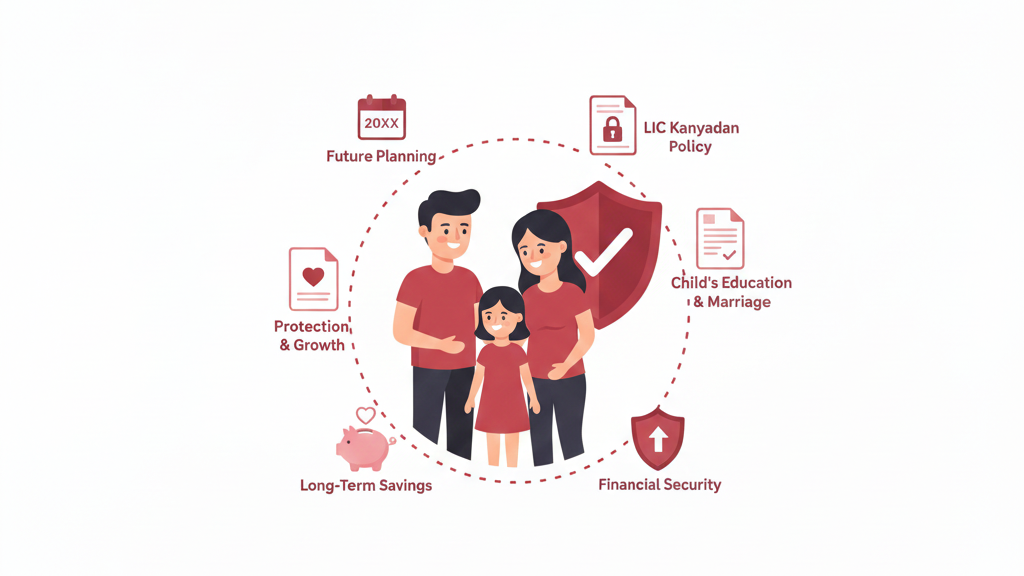
Secure your daughter’s education and marriage in 2026 with LIC’s top child plans. This updated guide has detailed tables, real examples, more features like loans and riders, plus smart tips. Read and plan confidently!

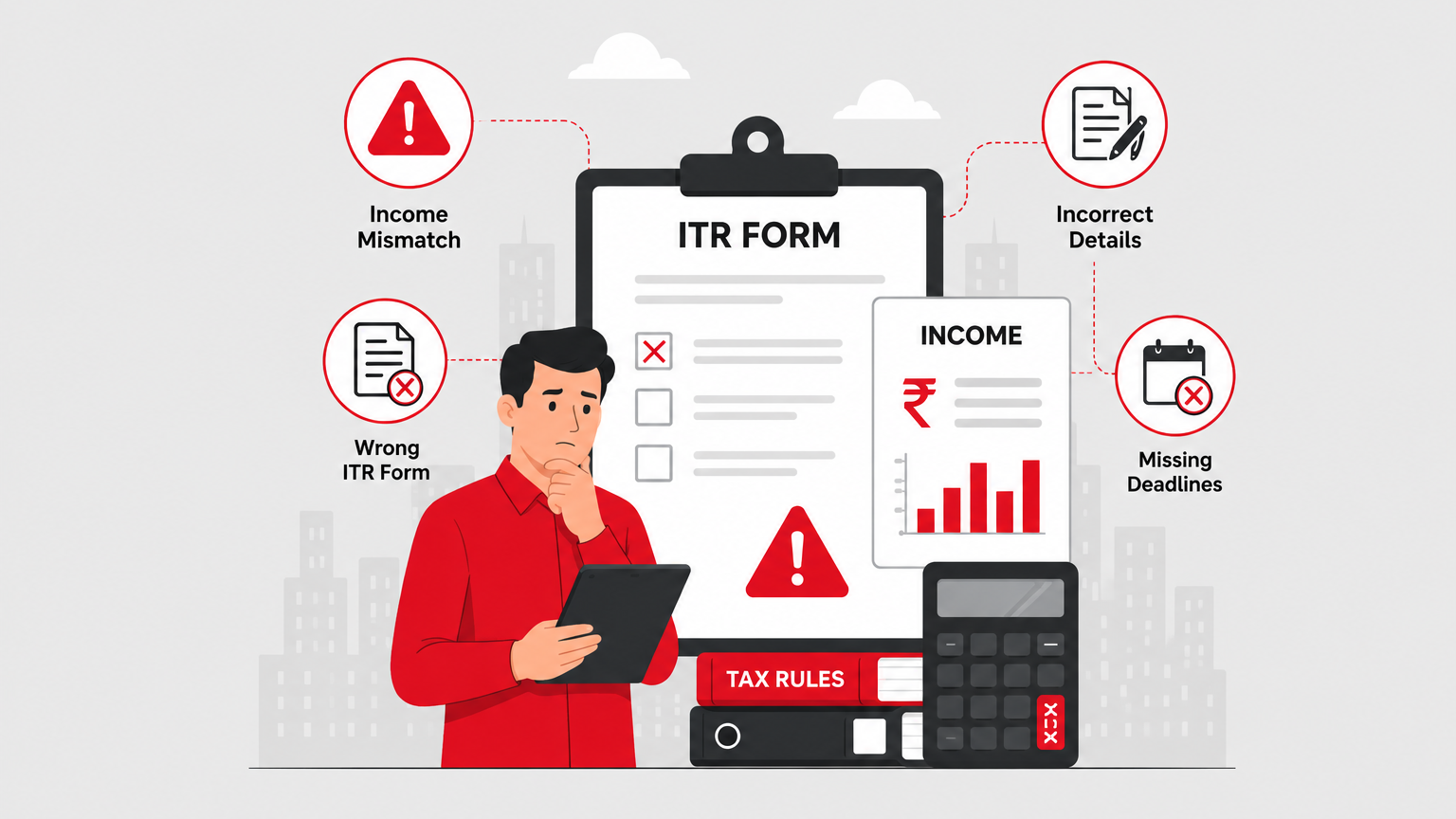
ITR filing for 2026 can feel confusing with income mismatches and form issues. This detailed, simple guide helps working professionals and families avoid costly errors, claim full refunds, and build long-term financial security.
Tax season can be stressful, but avoiding these common ITR mistakes helps you claim rightful refunds faster and stay compliant. Learn practical advice tailored for working professionals and families in India.

Empowering women with financial security! Explore top LIC policies in 2026 tailored for savings, life cover, and family protection. Ideal for working professionals, homemakers, and mothers aged 25-55.
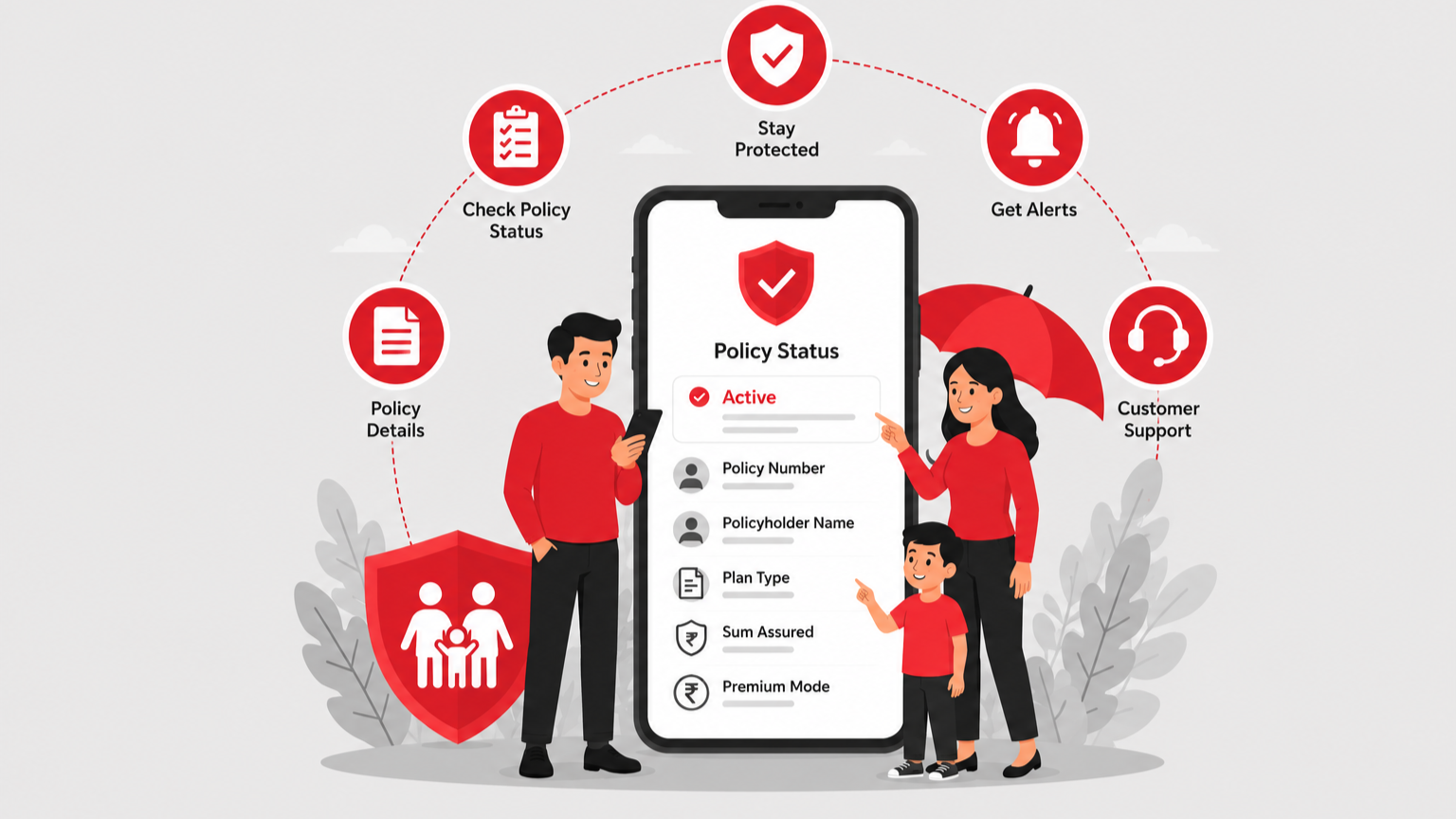
In today’s busy world, keeping track of your life insurance is important for financial security. This easy guide shows how to check your ICICI Prudential policy status quickly so you can manage investment plans, term plans, or guaranteed return plans without stress.


Speak to our Advisor
+91

By clicking the button, I authorize Paybima advisor to contact me via SMS, Email, Phone, WhatsApp or any other modes overriding my 'DND'.T&C Apply.