


Related Articles


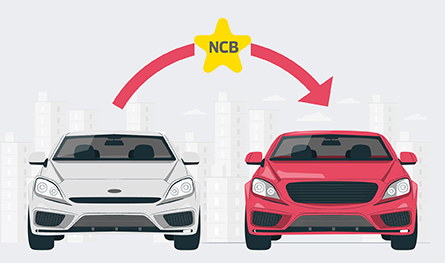
Many car owners are unaware that their No-Claim Bonus (NCB) is not tied to the vehicle but to the policyholder. This means that if you sell your old car and purchase a new one, you can transfer the accumulated No-Claim Bonus to your new car insurance policy.
The No-Claim Bonus is essentially a reward offered by insurers for safe driving and for not making any claims during the policy period. Over time, this bonus can significantly reduce your motor insurance premium, sometimes by as much as 50%.
Understanding how the NCB transfer process works can help you save money while maintaining continuous insurance coverage. In this article, we will explain what a No-Claim Bonus is, how it works, how it can be transferred from one car to another, and why it plays an important role in comprehensive car insurance policies.
A No-Claim Bonus is a discount offered for not making insurance claims.
NCB can reduce your car insurance premium by up to 50%.
The bonus belongs to the policyholder, not the vehicle.
It can be transferred to a new vehicle or new motor insurance provider.
NCB certificates are usually valid for 90 days.
Safe driving and avoiding claims help maintain your NCB.
A No-Claim Bonus (NCB) is a discount given by insurance companies to policyholders who do not make any claims during the policy period.
The bonus increases every year if you continue driving safely without filing claims under your motor insurance policy.
For example, if your car insurance premium is ₹10,000 and you have a 50% NCB, you may only need to pay ₹5,000 at renewal.
This reward encourages responsible driving and reduces insurance costs for safe drivers.
One of the biggest misconceptions among car owners is that the NCB belongs to the vehicle.
In reality, the No-Claim Bonus is linked to the policyholder, not the car.
This means:
If you sell your car, your NCB remains yours.
If you buy a new car, you can transfer the NCB to the new motor insurance policy.
The new owner of your old car cannot use your accumulated bonus.
This rule helps drivers retain their safe-driving rewards even after upgrading or replacing their vehicles.
You can transfer your No-Claim Bonus in the following situations:
If you sell your old vehicle and buy a new one, you can transfer the accumulated NCB to the new car insurance policy.
You can also transfer the NCB if you change insurers during renewal.
Your new insurer will ask for proof of your previous motor insurance policy to calculate the applicable discount.
Even if you continue with the same insurer, your No-Claim Bonus will automatically carry forward if you did not file any claims.
Transferring your NCB is a simple process if you follow the correct steps.
Before selling your vehicle, inform your insurer that you plan to transfer your car insurance benefits.
Your insurer will issue a No-Claim Bonus certificate confirming the accumulated discount.
When buying insurance for your new car, provide the NCB certificate to the new insurer.
The insurer will apply the NCB discount to your new comprehensive car insurance policy.
This process ensures that you continue enjoying the premium reduction.
There are certain conditions to keep in mind while transferring the No-Claim Bonus.
NCB certificates are typically valid for 90 days after the previous policy expires.
If you fail to buy a new policy within this period, you may lose the accumulated bonus.
The NCB transfer is only valid if the new motor insurance policy is issued in the same name as the previous policyholder.
If you make a claim during the policy year, the No-Claim Bonus resets to zero.
This means you must start accumulating the bonus again.
Transferring your NCB offers several advantages.
The biggest benefit is a reduced car insurance premium, which can result in significant long-term savings.
NCB acts as an incentive for responsible driving habits.
When combined with comprehensive car insurance, NCB helps balance affordability and protection.
Drivers can upgrade or replace their cars without losing their accumulated insurance benefits.
Some insurers offer an NCB protection add-on.
This add-on allows policyholders to retain their No-Claim Bonus even if they make a limited number of claims during the policy period.
For example, if you have a 35% NCB and make one claim, the NCB protection add-on may allow you to retain your discount during renewal.
However, this add-on usually increases the motor insurance premium slightly.
Maintaining your NCB can help you reduce long-term insurance expenses.
Here are some useful tips:
Drive carefully and follow traffic rules
Avoid small claims that you can pay out-of-pocket
Maintain your vehicle regularly
Renew your car insurance policy on time
Consider NCB protection add-ons
These practices help ensure that your No-Claim Bonus keeps growing over time.
Insurance policies can often seem complicated, but understanding benefits like the No-Claim Bonus can make a big difference in managing costs.
Drivers who maintain claim-free records can enjoy significant premium discounts under comprehensive car insurance policies.
Since NCB is tied to the policyholder rather than the vehicle, transferring it to a new car allows drivers to retain their safe-driving rewards even after changing vehicles.
Yes, The No Claim Bonus is transferable from one car to another or from one insurance company to another.
No, NCB is not transferred to the new owner upon resale. It can be kept by the previous owner and transferred to the new policy if applicable.
Yes, it is better to have separate car insurance policies for each of the cars you own. Also, if the cars are driven by different people, you may add Personal Accident insurance with each car insurance policy.
Yes, retaining NCB will allow you to get up to a 50% discount on your car insurance policy premium.
No, the resale of a car doesn’t allow the new owner to avail of the NCB discount. However, the NCB can be held by the old car owner to use in his/her new policy by transferring the NCB.
No NCB discount cannot be used across vehicles. The NCB discounts can be used by the same policyholder and at the same time, an NCB on your two-wheeler cannot be used for your car.
Yes, two conditions can make your NCB back to zero. If you do not renew the policy for 90 days and if you raise a claim for your car without NCB protect add-on.

Paybima Team
Paybima is an Indian insurance aggregator on a mission to make insurance simple for people. Paybima is the Digital arm of the already established and trusted Mahindra Insurance Brokers Ltd., a reputed name in the insurance broking industry with 21 years of experience. Paybima promises you the easy-to-access online platform to buy insurance policies, and also extend their unrelented assistance with all your policy related queries and services.
Looking for a reliable and affordable scooter in 2026? This guide covers the top 8 scooty under 1 lakh with real prices, mileage details, and why proper bike insurance matters.

Explore everything about the All-India National Permit in 2026. This detailed guide helps truck owners, fleet operators, and transporters understand fees, types, application steps, government rules, and tips to stay compliant while saving time and money on interstate logistics.
Driving on the wrong side of the road is dangerous as it causes the risk of accidents. India’s road traffic rules strictly prohibit people from driving their bikes on the wrong side of the road. However, many bikers continue doing the same. Hence, to avoid accidents on the road due to wrong-side driving, the government has imposed strict action against defaulters.
.png)
A detailed, easy-to-understand breakdown of the latest Maharashtra Highway Police road safety report. Learn about the rising accident statistics, key causes like overspeeding, new 2026 traffic updates, and how to stay financially secure using the right vehicle and personal accident insurance.
.jpg)
Ebola continues to remain one of the world’s most dangerous infectious diseases in 2026. Even though healthcare systems across the globe have improved over the years, Ebola outbreaks still create fear because the virus can spread quickly, cause severe illness, and lead to high death rates if not controlled early.

By clicking the button, I authorize Paybima advisor to contact me via SMS, Email, Phone, WhatsApp or any other modes overriding my 'DND'.T&C Apply.
By clicking the button, I authorize Paybima advisor to contact me via SMS, Email, Phone, WhatsApp or any other modes overriding my 'DND'.T&C Apply.

 Car Insurance
