
Why Ebola Is a Big Health Worry?
.jpg)
Ebola continues to remain one of the world’s most dangerous infectious diseases in 2026. Even though healthcare systems across the globe have improved over the years, Ebola outbreaks still create fear because the virus can spread quickly, cause severe illness, and lead to high death rates if not controlled early.
Recent Ebola outbreaks in parts of Africa, including the Democratic Republic of Congo (DRC) and Uganda, have once again raised global health concerns. According to the World Health Organization (WHO), health agencies are closely monitoring the situation due to rising infections and challenges in controlling the spread. (who.int)
The outbreak has also reminded people about the importance of healthcare preparedness, financial protection, and awareness regarding medical emergencies.
What Is Ebola?
Ebola is a serious viral disease that affects humans and some animals. The virus was first identified in 1976 near the Ebola River in Africa, which is how the disease got its name.
The virus spreads through direct contact with infected bodily fluids such as blood, sweat, saliva, vomit, or contaminated surfaces. Unlike common flu viruses, Ebola does not spread easily through the air, but close human contact can rapidly increase infections during outbreaks.
The disease often causes severe symptoms and can become life-threatening without quick medical support.
How People Can Stay Safe
Preventive measures continue to play an important role in reducing Ebola transmission. Some key safety steps include:
-
Avoiding direct contact with infected bodily fluids
-
Following hygiene practices
-
Seeking medical attention early
-
Using protective equipment in healthcare settings
-
Following official health guidelines during outbreaks
Awareness, stronger healthcare systems, and faster emergency responses can significantly reduce the impact of Ebola outbreaks.
Why Ebola Is Still a Global Health Concern?
High Fatality Rates Continue to Raise Fear
One of the biggest reasons Ebola remains a major health worry is its high death rate. WHO reports that some Ebola outbreaks have shown fatality rates ranging from 25% to 90%, depending on the virus strain and medical response speed. (who.int)
This makes Ebola far more dangerous than many seasonal infections. In regions where healthcare systems are weak, hospitals may struggle with shortages of medicines, protective equipment, and trained medical staff.
The rising cost of emergency care during serious illnesses also highlights why many families now explore financial protection options such as Critical Illness Insurance to manage unexpected healthcare expenses during major medical emergencies.
The Ebola Strain Has Created New Challenges
Health experts are particularly worried because the current outbreak involves the Bundibugyo strain of Ebola, for which there is still no fully approved vaccine available.
This has increased pressure on healthcare teams working to contain infections through:
-
Early testing
-
Isolation of patients
-
Contact tracing
-
Community awareness campaigns
-
Emergency treatment support
The situation has also increased awareness about long-term medical preparedness. Today, many people are paying closer attention to healthcare coverage options like Individual Health Plans that can help manage hospitalization and treatment expenses during serious illnesses.
Ebola Can Spread Across Borders Quickly?
International travel remains one of the biggest concerns during infectious disease outbreaks. In 2026, health officials have reported cross-border movement of Ebola cases between affected African regions. (who.int)
Although global risk levels remain under monitoring, health experts warn that delayed outbreak control can increase international exposure.
Countries across the world have strengthened airport screening systems, emergency response planning, and healthcare monitoring to reduce the chances of wider transmission.
The growing focus on medical preparedness has also encouraged more households to look into Family Health Plans that provide healthcare protection for multiple family members under a single policy.
Weak Healthcare Systems Increase Outbreak Risks
Many Ebola outbreaks occur in regions already facing healthcare shortages, conflict, or economic challenges. In the current outbreak zones, healthcare workers are dealing with:
-
Limited medical infrastructure
-
Shortage of protective gear
-
Lack of testing facilities
-
Remote locations
-
Community mistrust
-
Security concerns
Reports suggest that violence and instability in some affected regions are slowing down emergency response efforts. These conditions make it harder to identify infections early and prevent community spread.
Symptoms Can Become Severe Very Fast
Ebola symptoms usually begin with common flu-like signs, which often makes early diagnosis difficult. Symptoms may include:
-
Fever
-
Weakness
-
Muscle pain
-
Headache
-
Vomiting
-
Diarrhea
-
Internal or external bleeding in severe cases
Because early symptoms resemble other illnesses such as malaria or viral fever, many people delay seeking treatment. This increases the risk of spreading the infection to others.
WHO says early medical support, hydration, and symptom management can improve survival chances significantly. (who.int)
The growing number of global health emergencies has also encouraged many older adults to explore Senior Citizen Health Plans that offer healthcare support during age-related medical risks and emergencies.
The Financial Impact of Serious Diseases
Large-scale outbreaks like Ebola affect not only health systems but also economies, businesses, and households.
During major outbreaks, families may face:
-
High hospitalization expenses
-
Income loss
-
Emergency travel costs
-
Long recovery periods
-
Expensive specialist treatments
This is one reason why many healthcare experts now encourage better financial planning for medical emergencies. Along with regular insurance coverage, many people are also considering Super Top Up Plans to increase their healthcare protection beyond standard policy limits.
As medical inflation continues to rise globally in 2026, financial preparedness has become just as important as physical health preparedness.
Fear and Misinformation Make Ebola Harder to Control
Fear spreads quickly during disease outbreaks, especially when misinformation circulates online or within communities.
False rumors can cause people to avoid hospitals, delay testing, or hide symptoms. This creates additional challenges for health workers trying to control infections.
Public awareness campaigns remain extremely important because people need clear information about:
-
How Ebola spreads
-
When to seek medical help
-
How to reduce infection risks
-
Why quarantine measures matter
Better education and transparent communication can help reduce panic during outbreaks.
What Is Being Done to Control Ebola in 2026?
Governments and international health agencies are taking several steps to manage the ongoing outbreak, including:
-
Monitoring infected regions
-
Conducting emergency testing
-
Tracking infected contacts
-
Supporting healthcare workers
-
Improving border screening
-
Researching vaccines and treatments
-
Running awareness programs
WHO and global health organizations are also working on vaccine development for the current Ebola strain. (who.int) Global cooperation remains critical because infectious diseases can spread rapidly across countries if outbreaks are not controlled early.

Author Bio
Paybima Team
Paybima is an Indian insurance aggregator on a mission to make insurance simple for people. Paybima is the Digital arm of the already established and trusted Mahindra Insurance Brokers Ltd., a reputed name in the insurance broking industry with 21 years of experience. Paybima promises you the easy-to-access online platform to buy insurance policies, and also extend their unrelented assistance with all your policy related queries and services.


Latest Post
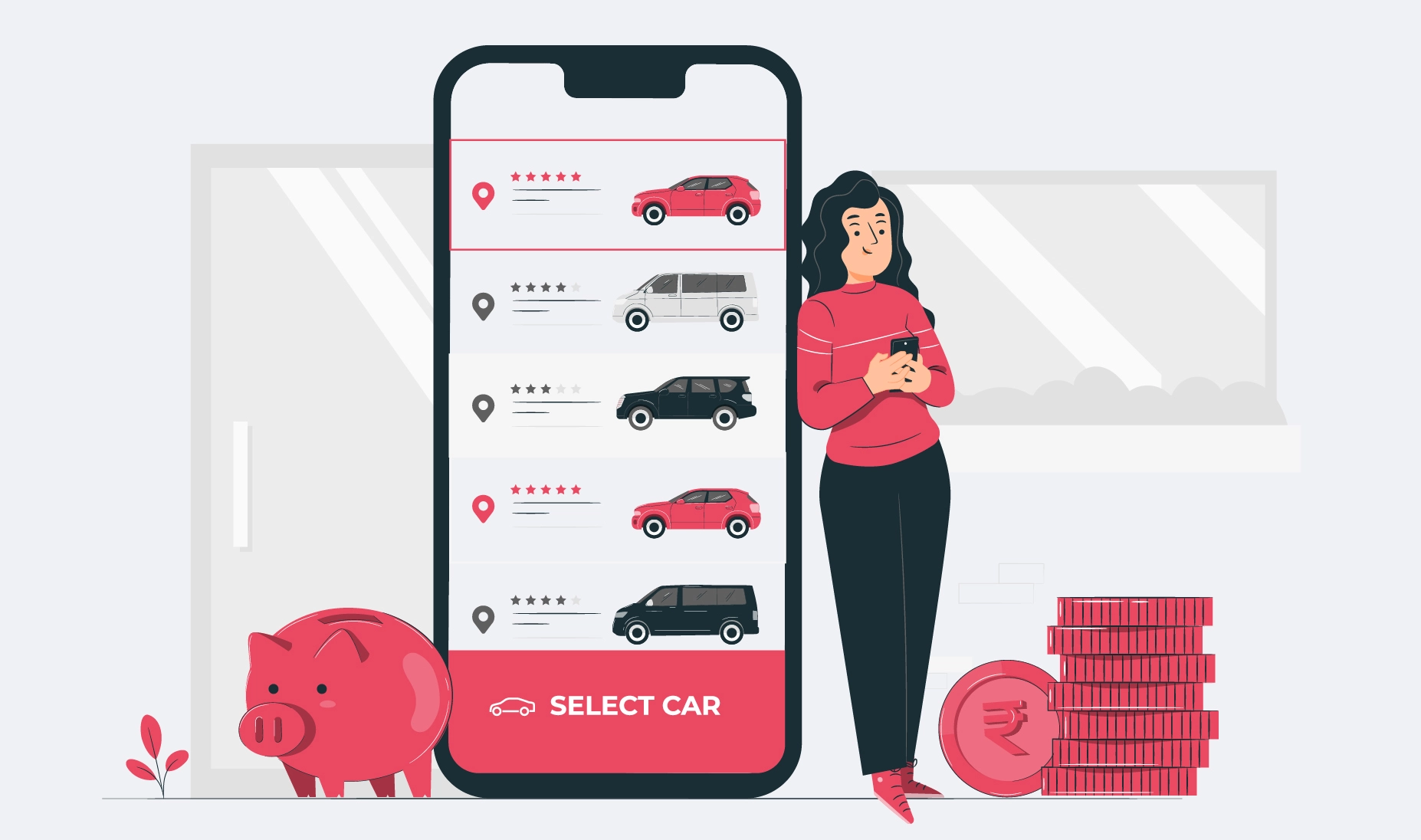
Buying a car doesn't always mean breaking the bank. If you're looking for an affordable vehicle that doesn't compromise on quality or reliability, 2026 is a great year to make your purchase.

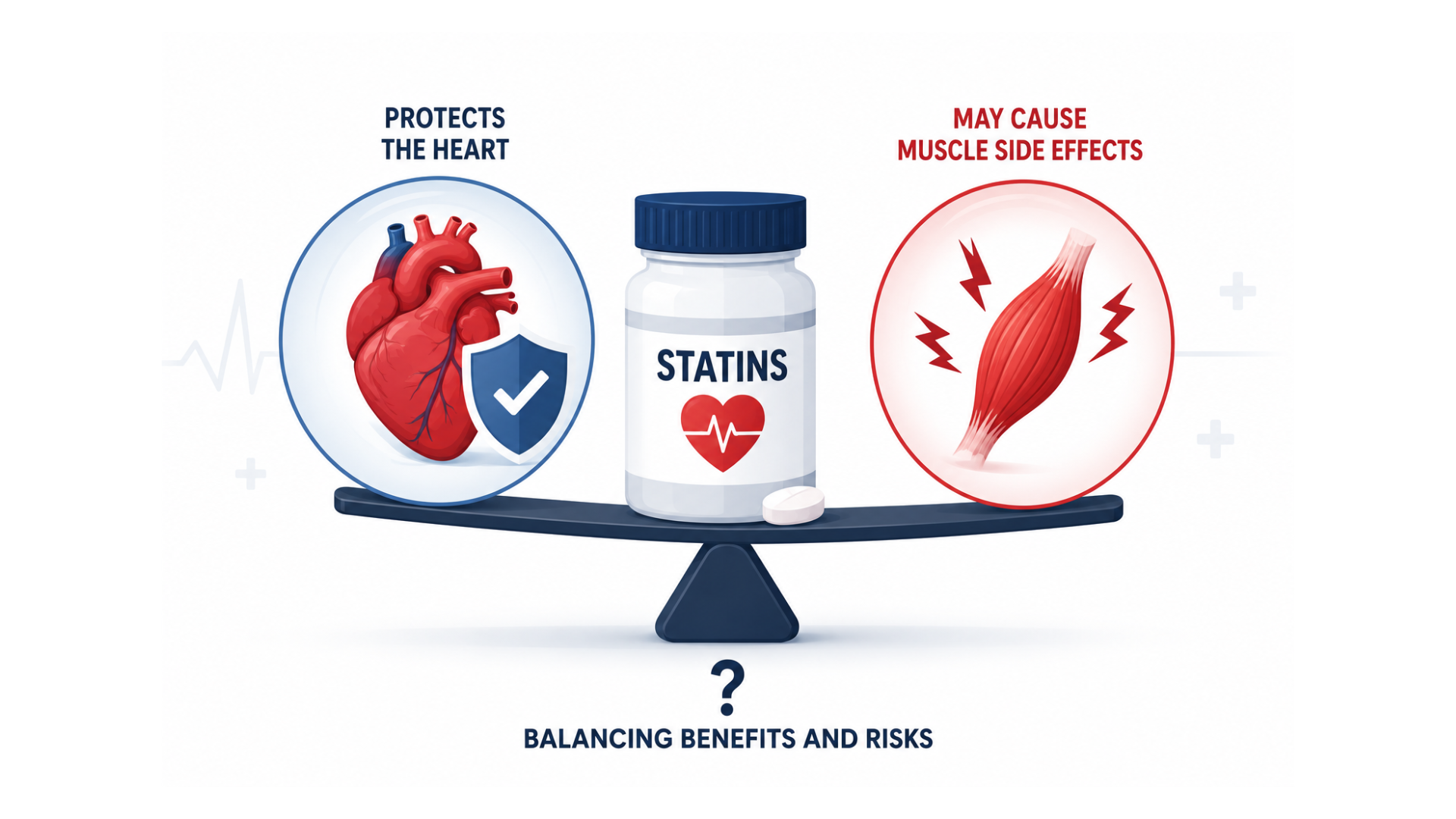
Statins are among the most commonly prescribed medications worldwide for reducing cholesterol and preventing serious cardiovascular diseases such as heart attacks and strokes.

Explore everything about the All-India National Permit in 2026. This detailed guide helps truck owners, fleet operators, and transporters understand fees, types, application steps, government rules, and tips to stay compliant while saving time and money on interstate logistics.
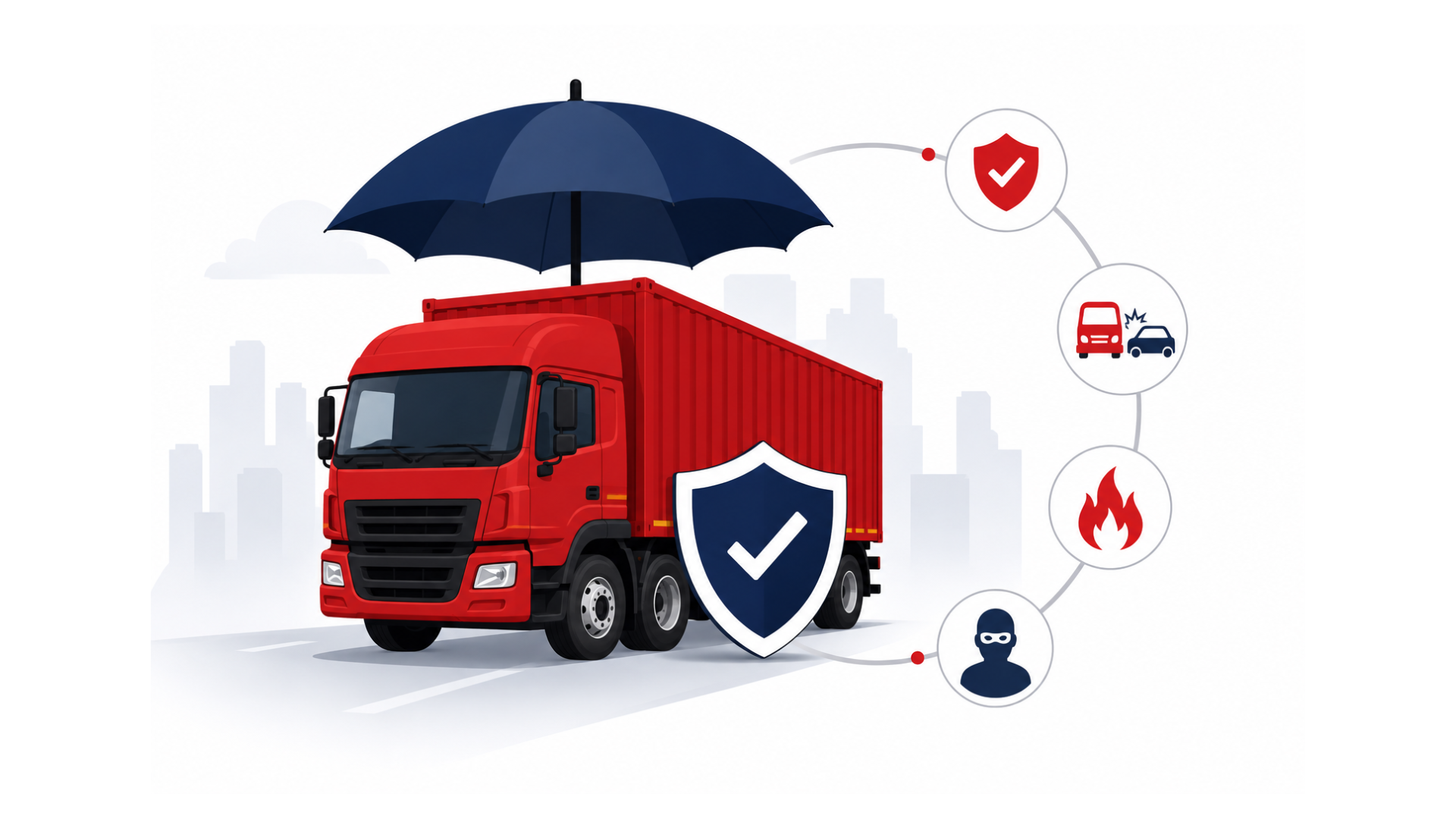
Commercial vehicles are the backbone of India's transportation and logistics industry. From trucks carrying goods across states to taxis, buses, school vans, ambulances, auto-rickshaws, and delivery vehicles serving daily commuters and businesses, these vehicles play a vital role in the country's economy.


Speak to our Advisor
+91

By clicking the button, I authorize Paybima advisor to contact me via SMS, Email, Phone, WhatsApp or any other modes overriding my 'DND'.T&C Apply.