


Related Articles
.png)
 Jan 08, 2025
Is Varicose Vein surgery covered under the health insurance policy in India
 Health Insurance
.png)

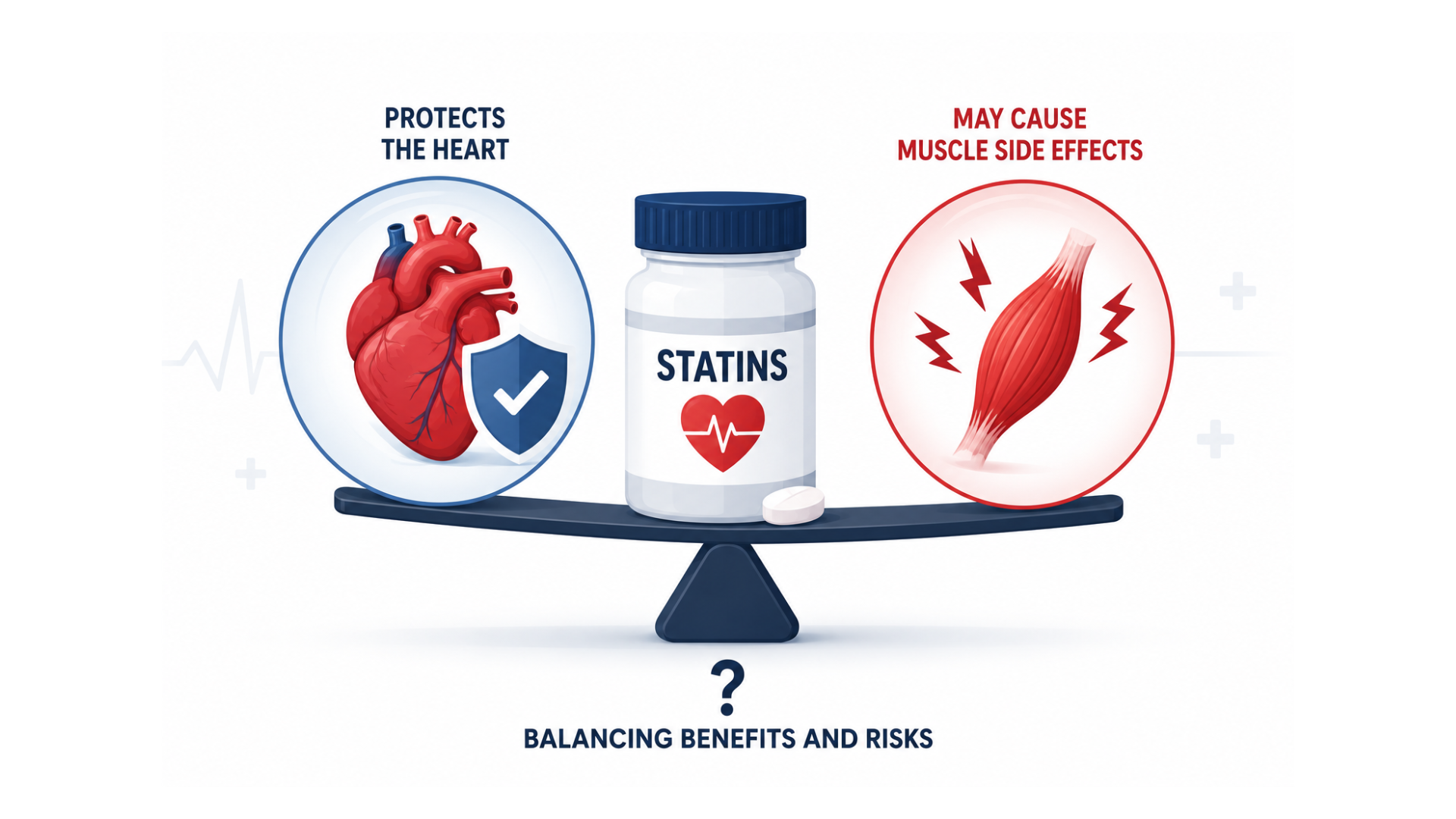
Statins are among the most commonly prescribed medications worldwide for reducing cholesterol and preventing serious cardiovascular diseases such as heart attacks and strokes.
Millions of people rely on statins every day because they have consistently proven to reduce the risk of life-threatening heart conditions.
However, recent discussions, including reports highlighted in The Times of India, have renewed public interest in one important question: Can statins damage your muscles?
The answer isn't as straightforward as many believe. While muscle-related side effects are possible, they affect only a small percentage of people, and for most individuals, the heart-protective benefits of statins significantly outweigh the risks.
Understanding both the advantages and potential side effects can help patients make informed healthcare decisions alongside their doctors. Additionally, having comprehensive health insurance ensures access to timely diagnosis, specialist consultations, laboratory tests, and continued treatment if complications arise.
Statins effectively lower LDL ("bad") cholesterol and reduce the risk of heart attacks and strokes.
Most people tolerate statins well without experiencing serious muscle problems.
Mild muscle pain is relatively uncommon and is often manageable with medical guidance.
Severe muscle damage caused by statins is extremely rare.
Never discontinue statins without consulting your healthcare provider.
Regular health check-ups help detect side effects early.
Comprehensive health insurance helps cover consultations, diagnostic tests, hospitalisation, and long-term treatment.
Financial planning through term insurance, life insurance, Saral Jeevan Bima, Critical Illness Insurance, and Super Top Up Plans can further strengthen your family's financial protection during major medical events.
Statins are medications designed to lower cholesterol levels in the bloodstream. They work by blocking an enzyme in the liver responsible for producing cholesterol. Lower cholesterol levels reduce plaque formation inside arteries, allowing blood to flow more freely throughout the body.
Doctors usually prescribe statins to:
LDL cholesterol is often called "bad cholesterol" because excess amounts accumulate inside blood vessels, narrowing arteries and increasing cardiovascular risk. Statins significantly reduce LDL levels, slowing plaque buildup and improving long-term heart health.
Individuals with existing heart disease or multiple risk factors such as diabetes, hypertension, obesity, or smoking benefit greatly from statin therapy. Studies consistently show that statins reduce the likelihood of first-time and repeat heart attacks.
Blocked arteries supplying blood to the brain can lead to strokes. By improving blood vessel health and lowering cholesterol, statins help reduce stroke risk in high-risk individuals.
Statins also stabilize fatty plaques already present inside arteries, making them less likely to rupture and trigger dangerous blood clots.
Although statins are considered safe for most patients, some individuals experience muscle-related side effects. Researchers continue studying why these symptoms occur, but several explanations have been proposed.
Possible reasons include:
Changes in muscle cell energy production
Individual genetic differences
Drug interactions
High-dose statin therapy
Existing kidney or liver disease
Older age
Low Vitamin D levels
Thyroid disorders
Importantly, muscle symptoms may not always be caused by statins alone. Ageing, arthritis, physical activity, or other medications may also contribute to muscle discomfort.
Most muscle-related symptoms are mild and temporary.
This is the most frequently reported complaint.
Patients may experience:
Aching muscles
Tenderness
Mild soreness
Stiffness
Fatigue after physical activity
These symptoms usually affect the thighs, shoulders, calves, or back.
In many cases, adjusting the dosage or switching to another statin resolves the issue.
Some people report difficulty climbing stairs, lifting objects, or performing everyday activities.
Doctors may investigate whether the weakness is truly related to statin therapy or another underlying condition.
Occasional muscle cramps may occur during statin treatment.
Maintaining proper hydration, correcting electrolyte imbalance, and consulting a physician often help relieve symptoms.
Although uncommon, certain muscle complications require immediate medical attention.
Myopathy involves more significant muscle injury accompanied by elevated muscle enzyme (CK) levels.
Symptoms include:
Persistent muscle weakness
Pain lasting several weeks
Difficulty walking
Reduced muscle strength
Doctors typically recommend laboratory testing and medication review if myopathy is suspected.
This is an extremely rare but potentially life-threatening complication.
It involves severe breakdown of muscle tissue that releases harmful proteins into the bloodstream.
Warning signs include:
Severe muscle pain
Dark-coloured urine
Extreme weakness
Fever
Reduced urine output
Immediate hospital treatment is essential.
Fortunately, rhabdomyolysis occurs in only a very small number of statin users.
Certain individuals have a slightly higher risk.
These include:
Age-related muscle changes can increase sensitivity to statin medications.
Some antibiotics, antifungal medicines, and heart medications interact with statins, increasing the likelihood of muscle symptoms.
Since these organs help process medications, impaired function may increase statin concentrations in the body.
Untreated hypothyroidism itself causes muscle pain and may worsen statin-related symptoms.
Higher doses are generally associated with a slightly increased risk of muscle-related side effects.
Do not stop taking statins on your own.
Instead:
Your physician will evaluate whether the symptoms are actually related to statins.
Doctors may order:
Creatine Kinase (CK)
Liver Function Tests
Kidney Function Tests
Thyroid Function Tests
These investigations help identify the underlying cause.
Depending on your condition, your doctor may:
Reduce the dosage
Switch to another statin
Recommend alternate-day dosing
Suggest another cholesterol-lowering medicine
Many patients continue cholesterol treatment successfully after simple medication adjustments.
Stopping statins suddenly may significantly increase cardiovascular risk.
Without cholesterol control:
Plaque builds up faster.
Blood vessels become narrower.
Heart attack risk increases.
Stroke risk rises.
Existing heart disease may worsen.
For people with established cardiovascular disease, continued statin therapy often provides lifelong protection.
Medication works best when combined with healthy lifestyle choices.
Consume:
Fruits
Vegetables
Whole grains
Lean proteins
Healthy fats
Nuts and seeds
Limit processed foods, saturated fats, and excess sugar.
Moderate exercise strengthens muscles and improves cardiovascular fitness.
Walking, swimming, cycling, and yoga are excellent options.
Always consult your doctor before beginning strenuous workouts if you have heart disease.
Proper hydration supports muscle function and reduces cramping.
Routine cholesterol monitoring allows physicians to assess treatment effectiveness and adjust medications when necessary.
Managing cardiovascular disease often requires lifelong medical supervision.
A comprehensive health insurance policy can help cover
Regular visits to cardiologists and physicians help monitor cholesterol levels and medication effectiveness.
Coverage may include:
Blood investigations
Lipid profile
Liver function tests
Kidney function tests
ECG
Echocardiography
Stress tests
If complications arise due to heart disease or severe muscle injury, health insurance can significantly reduce the financial burden of hospital stays and treatments, depending on the policy terms.
A Critical Illness Insurance plan provides a lump-sum benefit upon diagnosis of covered illnesses such as heart attack, stroke, or certain major conditions. This amount can help manage treatment costs, recovery expenses, or temporary loss of income.
Medical inflation continues to rise each year. Super Top Up Plans provide additional coverage once your base health insurance deductible is exhausted, making them a practical option for those seeking higher protection at a relatively affordable premium.
While health insurance covers eligible medical expenses, term insurance and life insurance are designed to provide financial support to your family in the event of the policyholder's death. These plans help safeguard long-term financial goals, loan repayments, children's education, and household expenses.
Individuals looking for a simple, affordable life cover may also consider Saral Jeevan Bima, a standard term insurance product with uniform features across insurers, making it easier to compare and understand.
Like all medicines, statins have potential side effects. However, decades of clinical evidence show that they remain one of the most effective treatments for preventing cardiovascular events.
Most patients never develop serious muscle complications, and even when muscle symptoms occur, they are often manageable through medical supervision, dosage adjustments, or switching medications.
Rather than avoiding statins due to fear of side effects, patients should focus on regular follow-ups, healthy lifestyle habits, and open communication with their healthcare provider.
At the same time, maintaining comprehensive health insurance along with suitable financial protection through Critical Illness Insurance, Super Top Up Plans, term insurance, life insurance, or Saral Jeevan Bima can help individuals prepare for both medical and financial uncertainties.
Permanent muscle damage from statins is extremely rare. Most muscle symptoms are mild and improve after dosage adjustments, switching medications, or following medical advice.
No. Never discontinue statins without consulting your doctor. Muscle pain may have several causes, and stopping treatment abruptly can increase your risk of heart attack or stroke.
Older adults, individuals taking interacting medications, patients with kidney or liver disease, untreated thyroid disorders, and those on high-dose statins may have a slightly higher risk.
Many health insurance plans cover eligible consultations, diagnostic tests, hospitalisation, and treatment if muscle-related complications require medical care. Coverage depends on your insurer and policy terms.
Super Top Up Plans provide additional health coverage once the deductible or base policy limit is exhausted, helping manage high medical expenses associated with prolonged hospitalisation or advanced cardiac care.
Young and healthy? Find out which of these plans rewards you with lower premiums. Click here to check now!

Paybima Team
Paybima is an Indian insurance aggregator on a mission to make insurance simple for people. Paybima is the Digital arm of the already established and trusted Mahindra Insurance Brokers Ltd., a reputed name in the insurance broking industry with 21 years of experience. Paybima promises you the easy-to-access online platform to buy insurance policies, and also extend their unrelented assistance with all your policy related queries and services.

 Jan 08, 2025
Health Insurance
Jan 08, 2025
Health Insurance
Statins are among the most commonly prescribed medications worldwide for reducing cholesterol and preventing serious cardiovascular diseases such as heart attacks and strokes.


Explore everything about the All-India National Permit in 2026. This detailed guide helps truck owners, fleet operators, and transporters understand fees, types, application steps, government rules, and tips to stay compliant while saving time and money on interstate logistics.

Commercial vehicles are the backbone of India's transportation and logistics industry. From trucks carrying goods across states to taxis, buses, school vans, ambulances, auto-rickshaws, and delivery vehicles serving daily commuters and businesses, these vehicles play a vital role in the country's economy.
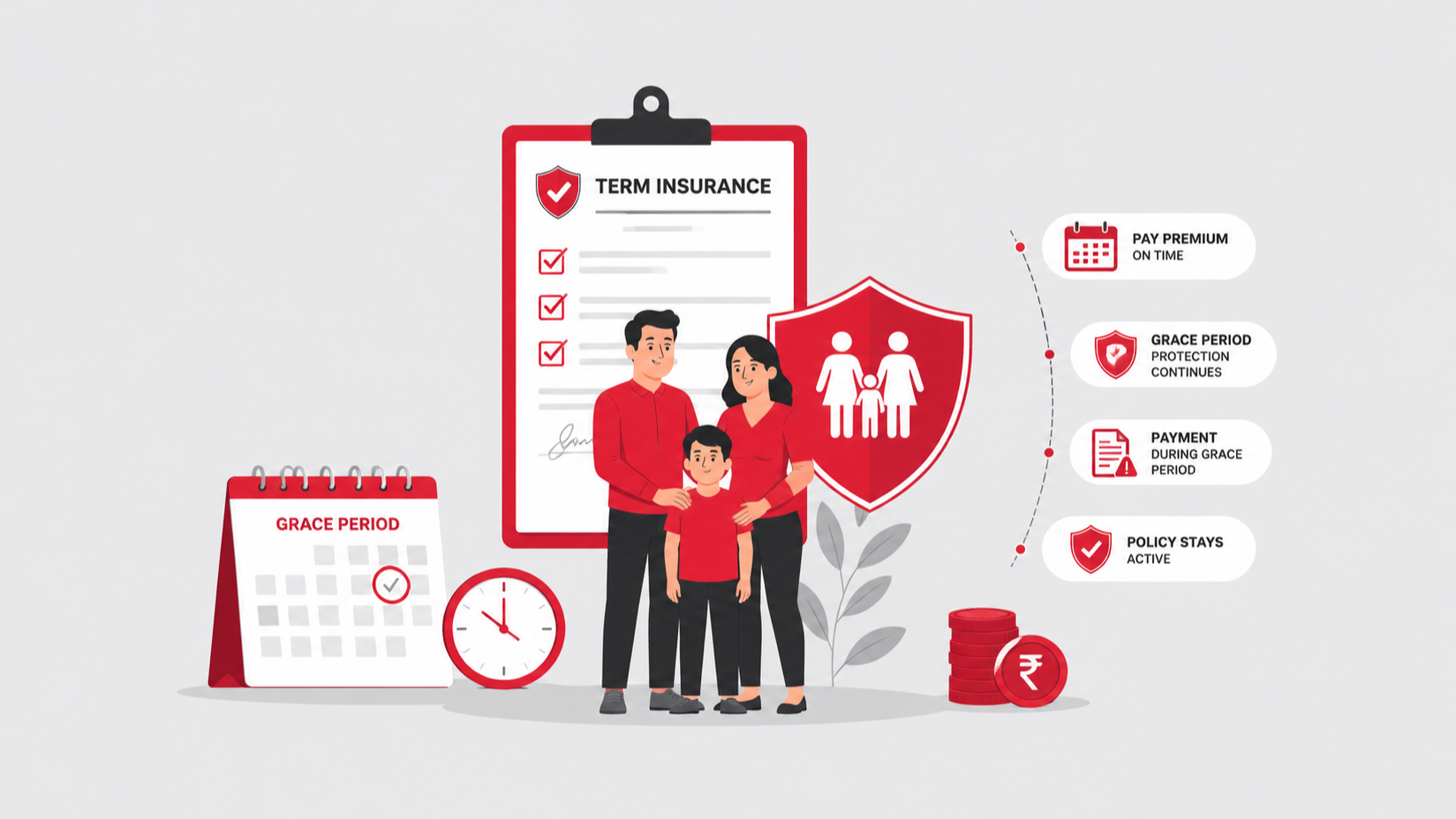
Discover everything about the term insurance grace period – from IRDAI-mandated durations to revival processes. Learn how online term insurance provides affordable, high-coverage protection like 1 crore term plans without the complexity of investment or guaranteed return plans.
With each passing year, as people tend to grow older, the constant anxiety of having age-related and other diseases scares them. Further, the increasing cost of medical treatment is another scary situation that most people dread. In such a situation, having a life insurance policy is a must to ensure safety from the frequent costs of medical treatment and hospitalization that an individual or a family might suffer. India has several health insurance providers offering good and comprehensive policies. In this post, let us discuss them to help you buy the best policy.

By clicking the button, I authorize Paybima advisor to contact me via SMS, Email, Phone, WhatsApp or any other modes overriding my 'DND'.T&C Apply.
By clicking the button, I authorize Paybima advisor to contact me via SMS, Email, Phone, WhatsApp or any other modes overriding my 'DND'.T&C Apply.

