


Related Articles


.png)
When buying a new car, you are often concerned about the on-road price, which is the sum of the ex-showroom price, RTO, taxes, and insurance. Depending on the brand and category of your car, the insurance amount can vary widely.
Having valid insurance is mandatory to drive a car in India as per the Motor Vehicles Act. The comprehensive insurance you purchase for your new car has three components: third-party insurance, personal accident insurance, and own damage insurance.
Third-party insurance for new cars is mandatory for 3 years
Own damage cover is optional, but typically renewed annually
Personal accident cover (₹15 lakh) is mandatory for the owner-driver
Timely renewal ensures continuous financial and legal protection
Let us find out how the different components work and what the minimum insurance period is for your new car.
As mandated by IRDAI (Insurance Regulatory and Development Authority of India), the minimum insurance requirement is three years for third-party insurance (which is the minimum requirement as per law). In addition, insurers typically offer own damage coverage for one year, which can be renewed annually.
There were several factors that led to IRDAI’s mandate of a three-year period for car insurance (for a new car). First, it improves compliance as the minimum legal requirement is fulfilled for three years. In addition, it ensures that the car owner is protected against any third-party claims and liabilities.
The likelihood of penalties for non-compliance is reduced, and road safety accountability improves. In addition, any new buyer can rest assured about renewals for three years, which considerably reduces renewal costs (other than third-party insurance) for the first three years of ownership.
This insurance covers damages or injuries to third parties caused by an accident. This is mandatory, and every car and two-wheeler in India should have at least third-party insurance to legally drive on Indian roads. When buying a new car, a third-party policy for 3 years is required.
It refers to coverage for damage to your car from accidents and natural disasters, as well as theft of the vehicle. It is not mandatory but highly recommended for financial protection against minor accidents, as any minor accident can result in hefty repair bills, especially for high-end cars.
This policy covers third-party and own damage cover. For new cars, these bundled plans include three-year third-party coverage along with one-year own damage protection, making it a convenient option when buying four wheeler insurance.
Note on Personal Accident Cover: Along with third-party insurance, a Compulsory Personal Accident (CPA) cover of ₹15 lakh for the owner-driver is mandated by IRDAI. However, if the vehicle owner already has a personal accident policy with the same coverage, they are not required to purchase it again under the motor insurance policy.
|
Insurance Type |
Mandatory/Optional |
Minimum Tenure |
Coverage Scope |
|
Third-Party |
Mandatory |
3 Years |
Damage to others (person/property) |
|
Own Damage |
Optional |
1 Year |
Damage to your own vehicle |
|
Comprehensive |
Recommended |
1+3 Structure |
Combined third-party + own damage |
After the first year, you will need to renew your own damage coverage. Even though it is not legally mandated, it is critical that you have sufficient coverage, as this policy covers repairs and theft. The third-party coverage continues for 3 years, and you will need to renew it only after the term expires.
Yes, a wide range of insurers offer a three-year own-damage insurance policy and a bundled policy that combines third-party insurance with own-damage. Once you choose this policy, you do not need to worry about the annual renewal of the policy. So, when purchasing car insurance online, you can enquire about a policy that offers complete peace of mind for a three-year period.
Here are the factors that you should consider while finalizing car insurance tenure:
You should be clear about budget vs. long-term savings, as longer-term policies may offer greater value.
You should have clarity about vehicle usage, as frequent driving increases the risk exposure.
If you are in urban or metropolitan areas, the risk of accidents is higher, and it is riskier to go with just third-party coverage.
Add-ons are beneficial but should be used wisely; choose those relevant to your car, driving region, and mileage.
Always check reviews for your insurance company's reliability.
Here are some of the common mistakes you should avoid while choosing insurance for a new car:
You should not rely solely on third-party insurance. Any damage to the new car can cost you significantly.
You should not trust the cheapest insurance plan or the insurance company offering the lowest amount of premium. It is important to ask questions when buying car insurance.
You must not ignore add-ons such as zero depreciation and NCB protection, which can eventually help your finances.
Yes, third-party insurance for new cars must be purchased for a minimum of three years as per IRDAI regulations.
Yes, it is legally allowed. However, it does not cover damage to your own vehicle, making it a risky choice.
You will not be covered for damages to your car, and any repair costs will have to be borne out of pocket.
Yes, you can switch insurers when renewing your own damage policy or when renewing your car policy.
No, but it is highly recommended for complete protection. You can also explore online four-wheeler insurance platforms to compare comprehensive plans easily.

Paybima Team
Paybima is an Indian insurance aggregator on a mission to make insurance simple for people. Paybima is the Digital arm of the already established and trusted Mahindra Insurance Brokers Ltd., a reputed name in the insurance broking industry with 21 years of experience. Paybima promises you the easy-to-access online platform to buy insurance policies, and also extend their unrelented assistance with all your policy related queries and services.
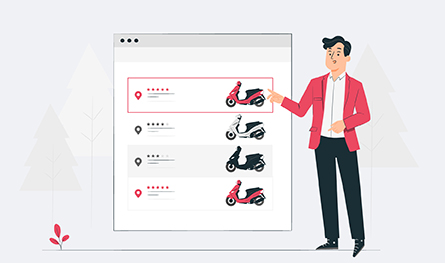
Looking for a reliable and affordable scooter in 2026? This guide covers the top 8 scooty under 1 lakh with real prices, mileage details, and why proper bike insurance matters.

Explore everything about the All-India National Permit in 2026. This detailed guide helps truck owners, fleet operators, and transporters understand fees, types, application steps, government rules, and tips to stay compliant while saving time and money on interstate logistics.
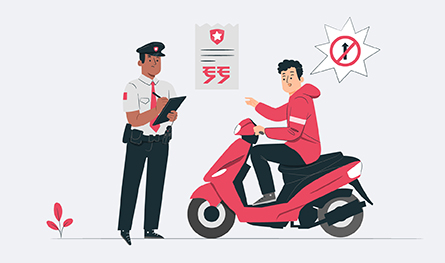
Driving on the wrong side of the road is dangerous as it causes the risk of accidents. India’s road traffic rules strictly prohibit people from driving their bikes on the wrong side of the road. However, many bikers continue doing the same. Hence, to avoid accidents on the road due to wrong-side driving, the government has imposed strict action against defaulters.
.png)
A detailed, easy-to-understand breakdown of the latest Maharashtra Highway Police road safety report. Learn about the rising accident statistics, key causes like overspeeding, new 2026 traffic updates, and how to stay financially secure using the right vehicle and personal accident insurance.
.jpg)
Ebola continues to remain one of the world’s most dangerous infectious diseases in 2026. Even though healthcare systems across the globe have improved over the years, Ebola outbreaks still create fear because the virus can spread quickly, cause severe illness, and lead to high death rates if not controlled early.

By clicking the button, I authorize Paybima advisor to contact me via SMS, Email, Phone, WhatsApp or any other modes overriding my 'DND'.T&C Apply.
By clicking the button, I authorize Paybima advisor to contact me via SMS, Email, Phone, WhatsApp or any other modes overriding my 'DND'.T&C Apply.

 Car Insurance
