


Related Articles
.png)
 Jan 08, 2025
Is Varicose Vein surgery covered under the health insurance policy in India
 Health Insurance
.png)

.png)
It's June. The monsoons are here. Suddenly, you develop high fever, body aches, and headache. Your doctor suspects dengue. Your first concern after "Will I be okay?" is "How much will this cost?" This is a question millions of Indians face annually, especially during monsoon and post-monsoon seasons when dengue cases spike.
The good news: dengue is covered under most health insurance policies in India. The challenging part: understanding what's covered, what's not, and how to file your health insurance claim efficiently. If you have a Family Health Plan, you're protecting everyone. If you're planning your health insurance renewal, dengue coverage should be a key consideration. And if you're worried about catastrophic outcomes, Super Top Up Plans are your safety net.
Let's unpack everything you need to know about dengue coverage in health insurance.
Dengue is covered under most comprehensive health insurance policies in India, including hospitalization and treatment costs
Average dengue treatment costs ₹50,000-₹3,00,000, making health insurance coverage critical
Family Health Plans provide coverage for all family members, protecting multiple people with a single policy
Super Top Up Plans are essential protection if dengue leads to severe complications requiring ICU care
Dengue treatment includes hospitalization, diagnostic tests, and medications—all covered under standard health insurance
Many health insurance policies have waiting periods for pre-existing conditions but not for dengue (typically not pre-existing)
Health Insurance Claim processing for dengue can be expedited with proper documentation and timely intimation
Health Insurance Renewal is critical to maintain continuous dengue coverage without gaps
Cashless treatment at network hospitals makes dengue care hassle-free under health insurance
Critical complications (dengue hemorrhagic fever, dengue shock syndrome) may exceed basic coverage limits—Super Top Up Plans bridge this gap
Yes. Dengue is covered under virtually all comprehensive health insurance policies in India. Whether you have an individual plan or a Family Health Plan, dengue treatment—hospitalization, diagnostics, medications, and monitoring—is covered.
However, coverage depends on several factors:
Whether your policy is active and premiums are paid
Whether you have a waiting period clause
Whether dengue qualifies as pre-existing or new illness
Which specific health insurance plan you've purchased
Your policy's coverage limits and deductibles
Insurance companies recognize dengue as:
A communicable disease (not your fault—you didn't cause it)
A serious medical condition requiring hospitalization in 10-20% of cases
A financially significant illness with treatment costs ranging from ₹50,000 to ₹3,00,000+
A preventable but unpredictable public health issue
Since you can't control dengue transmission, insurers cover it as part of their standard benefits. It's not classified as negligence or self-inflicted harm.
When your health insurance covers dengue, here's what's included:
Hospitalization Costs:
Room charges (ward, semi-private, or private room as per your plan)
Nursing charges
Doctor consultation and treatment
ICU charges (if needed)
Diagnostic Tests:
Blood tests (CBC, platelet count, dengue serology)
Ultrasound and imaging
Liver function tests, kidney function tests
Repeat tests during hospitalization
Medications and Transfusions:
Antibiotics and antipyretics
IV fluids and electrolytes
Platelet and blood transfusions (if needed)
All medicines administered during hospitalization
Post-Hospitalization Care:
Follow-up doctor consultations
Additional tests post-discharge
Medication refills (depending on policy)
Dengue treatment costs vary dramatically based on severity and location. Here's a realistic breakdown:
Mild to Moderate Dengue (Outpatient Management):
Initial diagnosis: ₹2,000-₹5,000
Medications and follow-up: ₹3,000-₹8,000
Total: ₹5,000-₹13,000
Usually not requiring hospitalization
Moderate Dengue (1-2 Days Hospitalization):
Room charges (₹2,000-₹5,000/day): ₹4,000-₹10,000
Doctor and nursing charges: ₹5,000-₹10,000
Diagnostic tests: ₹8,000-₹15,000
Medications and IV fluids: ₹5,000-₹10,000
Total: ₹25,000-₹50,000
Severe Dengue with Complications (3-5 Days Hospitalization):
Room charges (ICU if needed): ₹10,000-₹30,000
Doctor and specialist charges: ₹15,000-₹30,000
Diagnostic tests and imaging: ₹20,000-₹40,000
Medications, transfusions, and ICU care: ₹50,000-₹1,00,000
Total: ₹1,00,000-₹2,00,000
Dengue Hemorrhagic Fever/Shock Syndrome (Critical Care):
ICU charges: ₹50,000-₹1,00,000+
Intensive monitoring and medications: ₹1,00,000-₹2,00,000
Blood and platelet transfusions: ₹50,000-₹1,00,000
Organ support (if needed): ₹2,00,000+
Total: ₹3,00,000-₹5,00,000+
The Reality: Without health insurance, dengue can financially devastate a middle-class family. With health insurance, your out-of-pocket expense is typically just your deductible or co-insurance percentage.
Not all health insurance plans cover dengue equally. Here's a detailed comparison:
Comparison Table: Health Insurance Plans & Dengue Coverage
| Plan Type | Dengue Coverage | Waiting Period | Coverage Limit | Out-of-Pocket Cost | Best For |
|---|---|---|---|---|---|
| Basic Health Insurance (₹2–3L) | ✅ Covered (limited) | 30 days | ₹2,00,000–₹3,00,000 | ₹5,000–₹15,000 | Individual, low-risk areas |
| Comprehensive Health Insurance (₹5–10L) | ✅ Fully Covered | 30 days (sometimes waived) | ₹5,00,000–₹10,00,000 | ₹0–₹10,000 | Individuals, families |
| Family Health Plans (₹5–15L) | ✅ Covered for all family members | 30 days | ₹5,00,000–₹15,00,000 per person | ₹0–₹15,000 | Families with 2–4 members |
| Super Top Up Plans (₹20–50L) | ✅ Activates after base limit exceeded | Usually None | ₹20,00,000–₹50,00,000 | ₹0 (if basic limit exceeded) | Protection against catastrophic dengue |
| Senior Citizen Health Plans | ✅ Covered (with conditions) | 60–90 days | ₹3,00,000–₹5,00,000 | ₹5,000–₹20,000 | Parents/elderly at higher dengue risk |
| Budget Health Insurance | ⚠️ Limited Coverage | 60–90 days | ₹1,00,000–₹2,00,000 | ₹20,000–₹50,000 | Budget-conscious individuals |
Family Health Plans shine for dengue protection because:
All family members are covered under one policy
During monsoon season when multiple family members get dengue simultaneously (common in Mumbai, Delhi, Bangalore), the entire family is protected
Significantly cheaper than buying individual policies for each member
A ₹10 lakh Family Health Plan costs ₹8,000-₹12,000 annually vs. ₹4,000-₹6,000 per person for individual plans (₹12,000-₹18,000 for 2 people)
Super Top Up Plans are critical for severe dengue scenarios because:
If you're hospitalized for 5+ days with complications, costs can exceed ₹2,00,000
Super Top Up activates once your base health insurance limit is exhausted
For ₹2,000-₹4,000 annually, you get an additional ₹20-₹50 lakh protection
Most health insurance policies have a waiting period before certain conditions are covered. However, dengue is usually NOT subject to a waiting period because:
It's not pre-existing: You can't have dengue before purchasing the policy (unless you do)
It's sudden: Dengue develops without warning, typically within 3-14 days of mosquito bite
It's not chronic: Unlike diabetes or hypertension, dengue is acute and unpredictable
Important Exception: If you had dengue before purchasing your current health insurance policy, it might be classified as "pre-existing" with a waiting period of 12-24 months depending on your insurer.
If you had dengue within the past 1-2 years and then purchase health insurance:
Scenario 1: You declare the pre-existing dengue
Waiting period: 12-24 months
After waiting period: Fully covered
If you get dengue again during waiting period: Not covered
Cost: Premium might be slightly higher (10-15% increase)
Scenario 2: You don't declare the pre-existing dengue
If you file a dengue claim during waiting period: Claim REJECTED
Reason: Undisclosed pre-existing condition
Consequence: Loss of coverage + potential policy cancellation
Always declare pre-existing conditions
Dengue severity dramatically impacts both treatment costs and how your health insurance processes the claim. Here's the breakdown:
Level 1: Uncomplicated Dengue (Alert Phase)
Symptoms: High fever, body aches, headache, rash
Hospitalization: Usually not required (outpatient treatment)
Coverage: Limited—may only cover doctor consultations and diagnostic tests
Health Insurance Claim: Outpatient benefits (if included in your plan)
Typical Cost: ₹5,000-₹13,000
Level 2: Dengue with Warning Signs (Critical Transition Phase)
Symptoms: Persistent vomiting, bleeding gums, severe abdominal pain
Hospitalization: Required for monitoring (1-3 days)
Coverage: Full hospitalization coverage under health insurance
Health Insurance Claim: Hospitalization benefits fully activated
Typical Cost: ₹25,000-₹75,000 (Usually fully covered by health insurance)
Level 3: Severe Dengue (Dengue Hemorrhagic Fever)
Symptoms: Bleeding manifestations, plasma leakage, organ failure risk
Hospitalization: 4-7 days, ICU monitoring
Coverage: Full coverage + Super Top Up Plans recommended
Health Insurance Claim: May approach policy limits
Typical Cost: ₹1,00,000-₹2,50,000
Super Top Up Importance: Critical here; can save ₹50,000-₹1,50,000
Level 4: Dengue Shock Syndrome (Most Critical)
Symptoms: Circulatory failure, extreme hypotension, multi-organ failure
Hospitalization: 7-14 days ICU care
Coverage: Super Top Up Plans essential
Health Insurance Claim: Likely exceeds basic policy limits
Typical Cost: ₹2,50,000-₹5,00,000+
Super Top Up Impact: Can cover ₹2,00,000-₹5,00,000 additional costs
Reality Check: While Level 1 and 2 dengue are common and fully covered by standard health insurance, Levels 3 and 4 can financially devastate families without Super Top Up protection.
During monsoon season in India, it's common for multiple family members to contract dengue simultaneously:
Real Scenario: A family of four (parents + 2 children) in Mumbai gets dengue during July-August monsoon. Three family members require hospitalization for 3-4 days each. Total hospitalization cost: ₹3,00,000.
With Individual Plans: ₹4,000/member/year × 4 = ₹16,000 annual cost
Each person's claim processes separately
If one person exhausts their limit, others aren't protected
Out-of-pocket cost: ₹60,000-₹1,00,000
With Family Health Plan: ₹10,000-₹12,000/year for ₹10 lakh coverage
All family members protected under single policy
Shared coverage pool (more cost-effective)
Usually higher limits per person than individual policies
Out-of-pocket cost: ₹10,000-₹20,000
Savings: ₹40,000-₹80,000
Standard Coverage:
Hospitalization for all family members
Surgical and non-surgical treatments
Diagnostic tests (blood tests, imaging)
Medications during hospitalization
ICU charges (if needed)
Pre and post-hospitalization costs (usually 30 days each)
Dengue-Specific Benefits:
Dengue testing (dengue IgM, IgG, RT-PCR)
Platelet transfusions (covered in full)
Blood transfusions (if hemorrhagic dengue)
Monitoring during critical phase
ICU care for severe dengue
Additional Benefits (Depending on Plan):
Outpatient coverage for follow-up consultations
Wellness programs and health checkups
Ambulance services
Maternity benefits (separate wait period)
Critical illness riders
Let's understand Super Top Up Plans with a realistic dengue scenario:
Scenario: You have a ₹10 lakh comprehensive health insurance policy. You develop dengue with complications and require 6 days of ICU hospitalization.
Medical Bills:
Hospital room and ICU charges: ₹2,00,000
Diagnostic tests and monitoring: ₹50,000
Medications, transfusions, oxygen: ₹1,00,000
Doctor fees and specialist consultation: ₹50,000
Total: ₹4,00,000
Coverage with Base Health Insurance Alone:
Your base policy covers ₹10 lakhs
Your dengue claim: ₹4 lakhs
Remaining balance: ₹6 lakhs
Your out-of-pocket: ₹0 (fully covered)
Now imagine a catastrophic dengue case:
Worse Scenario: Dengue shock syndrome requiring 14 days ICU with organ support
Medical Bills:
ICU charges: ₹5,00,000
Organ support, medications, transfusions: ₹3,00,000
Specialist consultations and tests: ₹1,50,000
Total: ₹9,50,000
Coverage with Base Health Insurance Alone:
Your base policy covers ₹10 lakhs
Your dengue claim: ₹9.5 lakhs
Remaining balance: ₹0.5 lakhs
Your out-of-pocket: ₹0 (barely covered)
Critical Problem: You now have only ₹0.5 lakhs remaining for other family members or future medical needs in that year.
Solution: Super Top Up Plan
With Super Top Up Plan (₹30 lakh additional coverage):
Base health insurance: ₹10 lakhs
Super Top Up activates: After ₹5 lakh base claim (typical threshold)
Additional coverage: ₹30 lakhs
Total protection: ₹40 lakhs
In the catastrophic dengue scenario:
Base policy pays: ₹10 lakhs
Super Top Up pays: ₹-0.5 (wait, the claim is only ₹9.5 lakhs, which is within base)
You're still fully protected without Super Top Up in this case
But consider this scenario: Multiple family members get severe dengue simultaneously.
First family member: ₹7 lakhs claim
Second family member: ₹5 lakhs claim
Total: ₹12 lakhs (exceeds ₹10 lakh base limit by ₹2 lakhs)
Without Super Top Up: Out-of-pocket = ₹2 lakhs With Super Top Up: Out-of-pocket = ₹0 (Super Top Up covers the excess)
Cost Analysis:
Annual Super Top Up premium: ₹2,000-₹4,000
Additional coverage: ₹20-₹50 lakhs
Cost per lakh: ₹40-₹200 (incredibly affordable)
Risk Assessment:
Severe dengue cases requiring ICU: 5-10% of total dengue cases
If you get severe dengue + family members also affected: Coverage gap is real
Cost of catastrophic dengue: ₹5-₹10 lakhs+
Super Top Up cost: ₹2,000-₹4,000
Verdict: For every ₹1 you spend on Super Top Up, you're protected against ₹100+ catastrophic medical costs.
Contact your health insurance company as soon as you're admitted for dengue treatment.
Information to Provide:
Your policy number
Hospital name and admission date
Attending doctor's name
Chief complaints (fever, symptoms)
Initial diagnosis
Why It Matters: Late notification can result in delayed claim processing or partial rejection.
Option A: Cashless Hospitalization
Hospital is part of your health insurance network
Insurance company directly settles bills with hospital
You pay only deductible or co-insurance
No paperwork hassle during treatment
Best for: Smooth, stress-free treatment
Option B: Reimbursement
You admit to any hospital (network or non-network)
You pay bills yourself during hospitalization
You submit bills to insurance later
Company reimburses within 7-15 days
Best for: Using a preferred doctor/hospital outside network
During Hospitalization:
Insurance company representative visits hospital
They review medical records
They verify coverage and policy validity
They authorize treatment
For Claim Submission (Post-Discharge):
Discharge summary from hospital
Itemized bills and receipts
Lab reports (dengue serology, blood tests)
Prescription copies
Doctor's prescription and medication bills
Any diagnostic imaging reports
If admitted through ambulance: Ambulance receipt
Your health insurance company reviews:
Whether dengue is covered under your policy
Whether you were within waiting period
Whether bills are legitimate and reasonable
Whether treatment was medically necessary
Whether documentation is complete
Processing Time:
Cashless claims: Settled on discharge day
Reimbursement claims: 7-15 days (if documents are complete)
Claim disputes: 15-30 days (if company needs clarification)
Cashless Settlement:
Insurance company directly pays hospital
You settle your deductible/co-insurance with hospital
Hospital provides discharge with settled bills
Process ends at discharge
Reimbursement Settlement:
Insurance company transfers money to your bank account
You receive notification of claim amount approved
If amount is disputed, they provide reasons
You can appeal if you disagree
| Rejection Reason | Why It Happens | How to Avoid It |
|---|---|---|
| Late Notification | You inform insurer days after discharge | Notify within 24 hours of admission |
| Incomplete Documentation | Missing discharge summary or bills | Collect all documents before submitting claim |
| Non-Network Hospital | You used a non-network hospital without pre-approval | Use network hospitals for cashless claims or get pre-approval |
| Pre-existing Condition | Dengue occurred during the waiting period | Check the waiting period before filing a claim |
| Policy Lapsed | Your premium payment was overdue | Set up auto-payment for premiums |
| Undisclosed Pre-Existing Dengue | You had dengue before purchasing the policy but did not disclose it | Always declare your past dengue history |
| Lack of Medical Necessity | Claim shows unnecessary tests or procedures | Ensure tests and procedures are clinically justified |
| Non-Covered Services | You claimed for non-covered services such as cosmetic or elective treatments | Understand what your policy covers before filing a claim |
| Incorrect Hospital Coding | Hospital coded the treatment incorrectly | Get proper medical codes mentioned in the discharge summary |
When your health insurance renewal date approaches (typically annual), consider:
Is ₹5 lakh limit enough for dengue risks in your area?
Does your plan include Super Top Up protection?
Are you getting any no-claim bonuses?
Do you live in dengue-endemic areas (Mumbai, Delhi, Bangalore, Chennai)?
Have you had dengue previously?
Is your family size growing (need Family Health Plan)?
Don't auto-renew without shopping around
Get quotes from 3-4 insurers
Compare coverage, premiums, and network hospitals
If you had dengue claims this year, you know costs
Increase your base coverage or add Super Top Up
Add family members to your Family Health Plan
Switching insurers sometimes offers lower premiums
However, you might face new waiting periods
Staying with same insurer might be better if you have no-claim bonus
If you had dengue during the policy year, disclose it
This prevents future claim rejections due to undisclosed pre-existing condition
Transparency now avoids problems at next renewal
Important: Filing a dengue claim does NOT affect your no-claim bonus in most policies. No-claim bonus typically only applies to accident-related claims or critical illness claims—not for general illnesses like dengue.
However, verify this with your specific insurer during renewal.
Situation: Rohit (32), his wife Priya (30), and daughter Arav (8) all contracted dengue in September.
Without Insurance: Combined treatment costs for 3 people × 3-day hospitalization = ₹2,10,000
Each person's claim processed separately
All three claims approved: ₹70,000 each
Total out-of-pocket: ₹0
But if one person needed ICU: Coverage would be strained
All claims processed under single policy
Coverage remaining for rest of year: ₹6,90,000
Total out-of-pocket: ₹0
Annual cost difference: Saved ₹6,000/year
Lesson: Family Health Plans shine during multi-member dengue outbreaks.
Situation: Anjali (45) developed dengue hemorrhagic fever requiring 8 days ICU hospitalization.
Medical Costs: ₹2,20,000 (ICU charges, transfusions, medications)
Claim covered: ₹2,20,000
Remaining coverage: ₹2,80,000
Out-of-pocket: ₹0
Anjali's coverage fully exhausted
Mother's claim: Only ₹1,00,000 covered (policy limit reached)
Out-of-pocket for mother: ₹80,000
Anjali's claim: ₹2,20,000 (from base)
Mother's claim: ₹1,80,000 (from base, now at ₹4 lakh total)
Super Top Up still available: ₹26 lakh
Total out-of-pocket: ₹0
Super Top Up cost: ₹3,000/year (worth every rupee)
Lesson: Super Top Up Plans become invaluable when multiple severe cases occur.
Situation: Pradeep had dengue 18 months before buying health insurance. He didn't disclose it. When dengue recurred within 2 years, he filed a claim.
Insurer discovered previous dengue during claim investigation
Pre-existing condition without disclosure = automatic rejection
Pradeep paid ₹85,000 out of pocket
Claim completely rejected
Disclosed previous dengue at purchase
Accepted waiting period (12-24 months)
After waiting period ended: Fully covered for recurrent dengue
Claim would have been approved: ₹85,000 covered
Lesson: Always disclose pre-existing dengue. Waiting periods are better than claim rejection.
Verify Coverage: Check if dengue is covered in your current health insurance policy
Know Your Limits: Understand your policy's total coverage limit and deductible
Assess Family Risk: Do multiple family members need protection? (Consider Family Health Plan)
Evaluate Super Top Up: If you live in dengue-endemic area, add Super Top Up protection
Identify Network Hospitals: Find network hospitals near your home; save contact details
Save Insurance Documents: Keep policy number, terms, and contact info easily accessible
Disclose Pre-Existing Dengue: If you've had dengue before, disclose during next health insurance renewal
Understand Claim Process: Know the difference between cashless and reimbursement claims
Set Up Auto-Payment: Ensure premiums are paid on time to avoid policy lapse
Plan Your Renewal: Before next health insurance renewal, compare plans and coverage limits
Add Trusted Contacts: Share policy details with family so someone can file claim if you're hospitalized
Review Dengue Risk: Based on your area's dengue patterns, reassess coverage annually
Most comprehensive health insurance policies cover dengue. However, basic or budget plans might have limited coverage. Check your specific policy document. During health insurance renewal, ensure dengue coverage is included.
Not immediately. Dengue will be classified as pre-existing condition with a waiting period of 12-24 months (depending on your insurer). After the waiting period ends, it's fully covered. Always disclose pre-existing dengue during purchase or renewal.
Most insurers have 30-day waiting periods for specific diseases, but dengue is often waived from waiting periods because it's acute and unpredictable. Verify this with your insurer.
Yes, if all family members are included in the plan, dengue treatment for each is covered under the policy's total limit. This is why Family Health Plans are excellent for dengue protection during monsoon season when multiple family members might get infected simultaneously.
Not typically. General illnesses like dengue don't increase premiums. However, critical illness claims or multiple claims might lead to premium increases at renewal. Check your specific insurer's policy.
Young and healthy? Find out which of these plans rewards you with lower premiums. Click here to check now!

Paybima Team
Paybima is an Indian insurance aggregator on a mission to make insurance simple for people. Paybima is the Digital arm of the already established and trusted Mahindra Insurance Brokers Ltd., a reputed name in the insurance broking industry with 21 years of experience. Paybima promises you the easy-to-access online platform to buy insurance policies, and also extend their unrelented assistance with all your policy related queries and services.

 Jan 08, 2025
Health Insurance
Jan 08, 2025
Health Insurance
It's June. The monsoons are here. Suddenly, you develop high fever, body aches, and headache. Your doctor suspects dengue. Your first concern after "Will I be okay?" is "How much will this cost?" This is a question millions of Indians face annually, especially during monsoon and post-monsoon seasons when dengue cases spike.

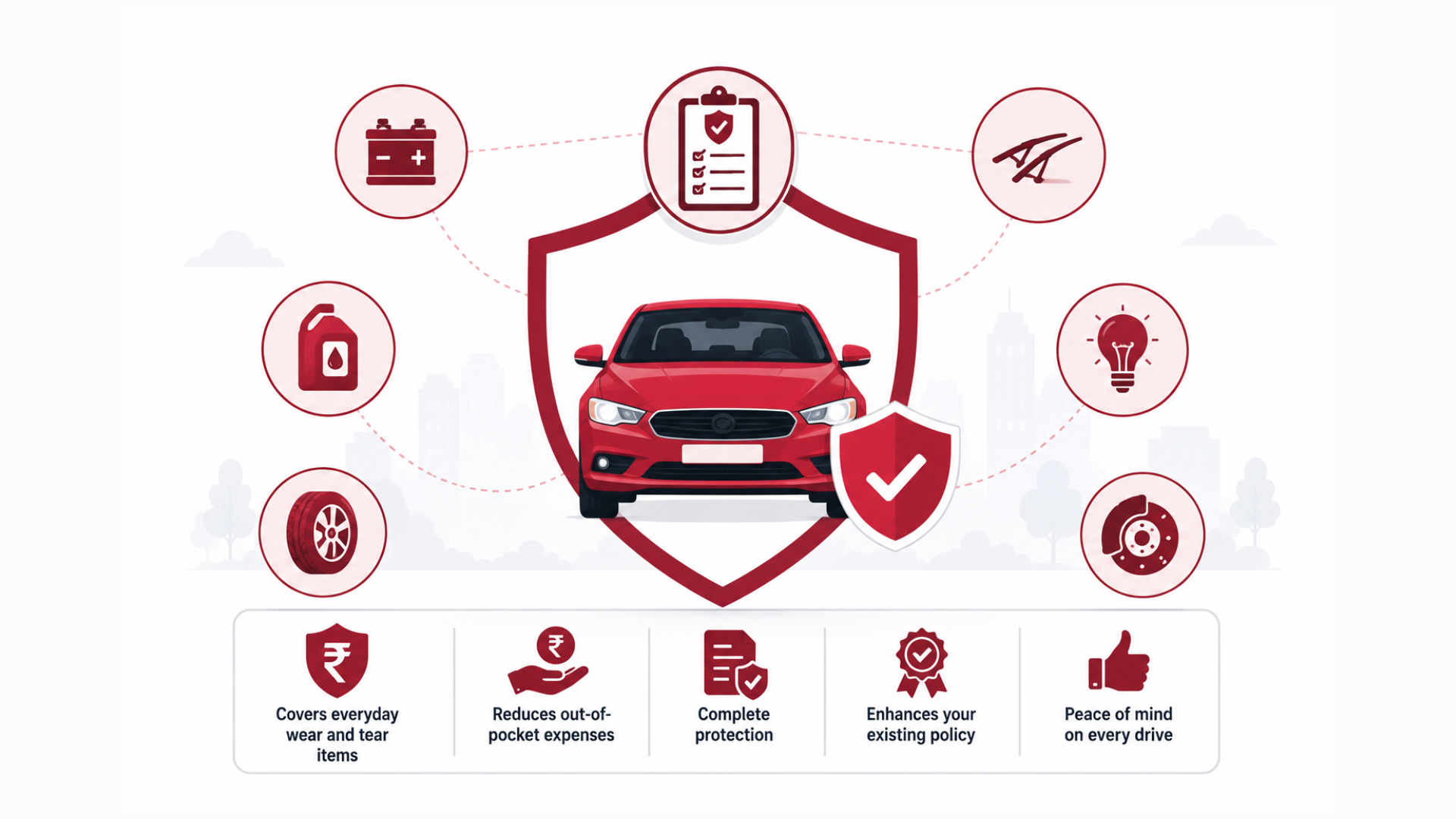
You've just purchased your dream car. You maintain it religiously—regular washing, polishing, timely servicing.
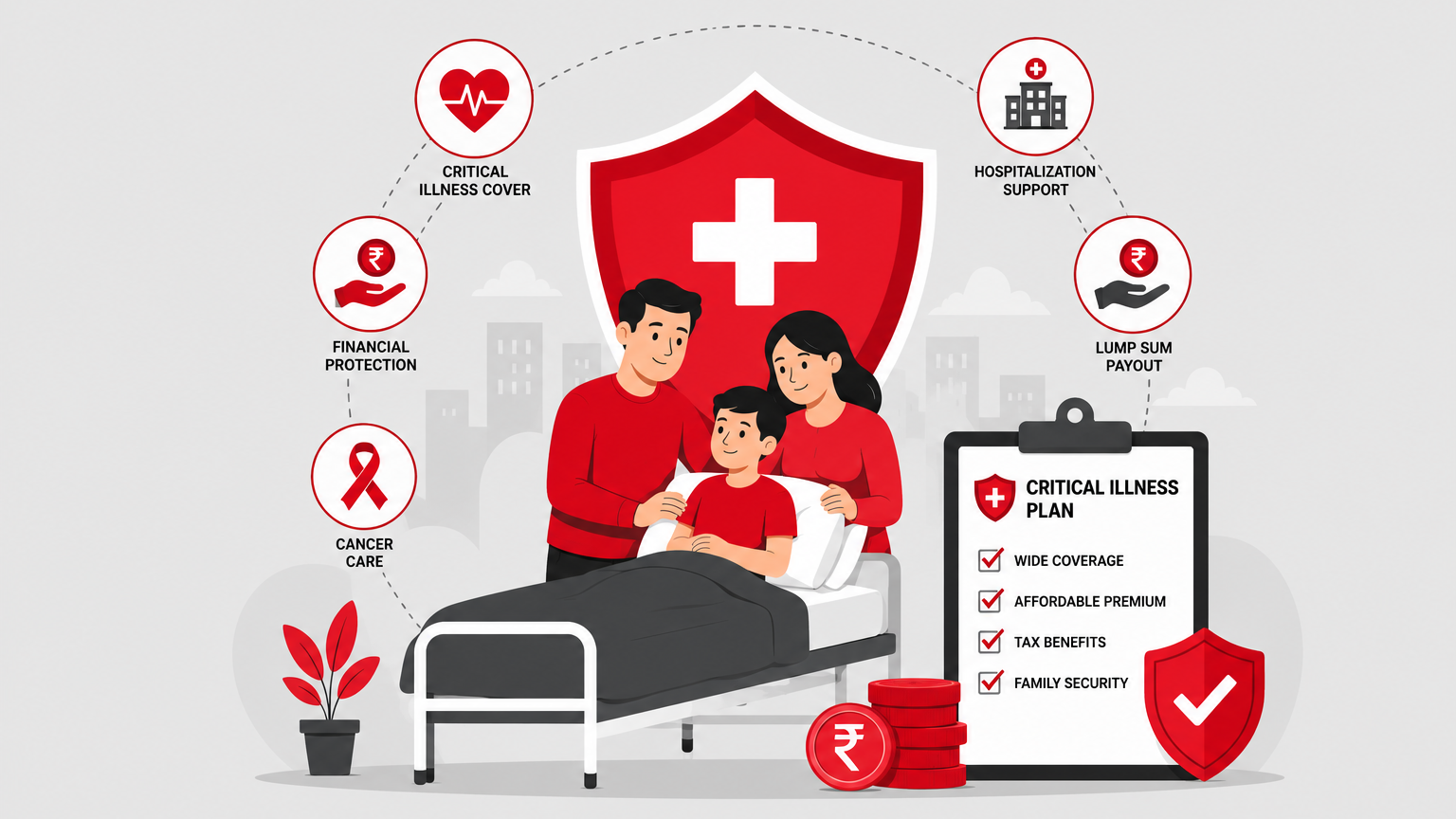
In today's uncertain world, a critical illness can drain your savings quickly. This guide explains the best critical illness insurance options, their benefits, and how they complement your best health insurance for complete protection.

Car ownership brings freedom but also the need for proper protection. This easy guide explains affordable car insurance options in India in 2026. Learn about cheap plans from popular companies, how to renew online, government rules, and practical tips to keep costs low while staying fully protected.
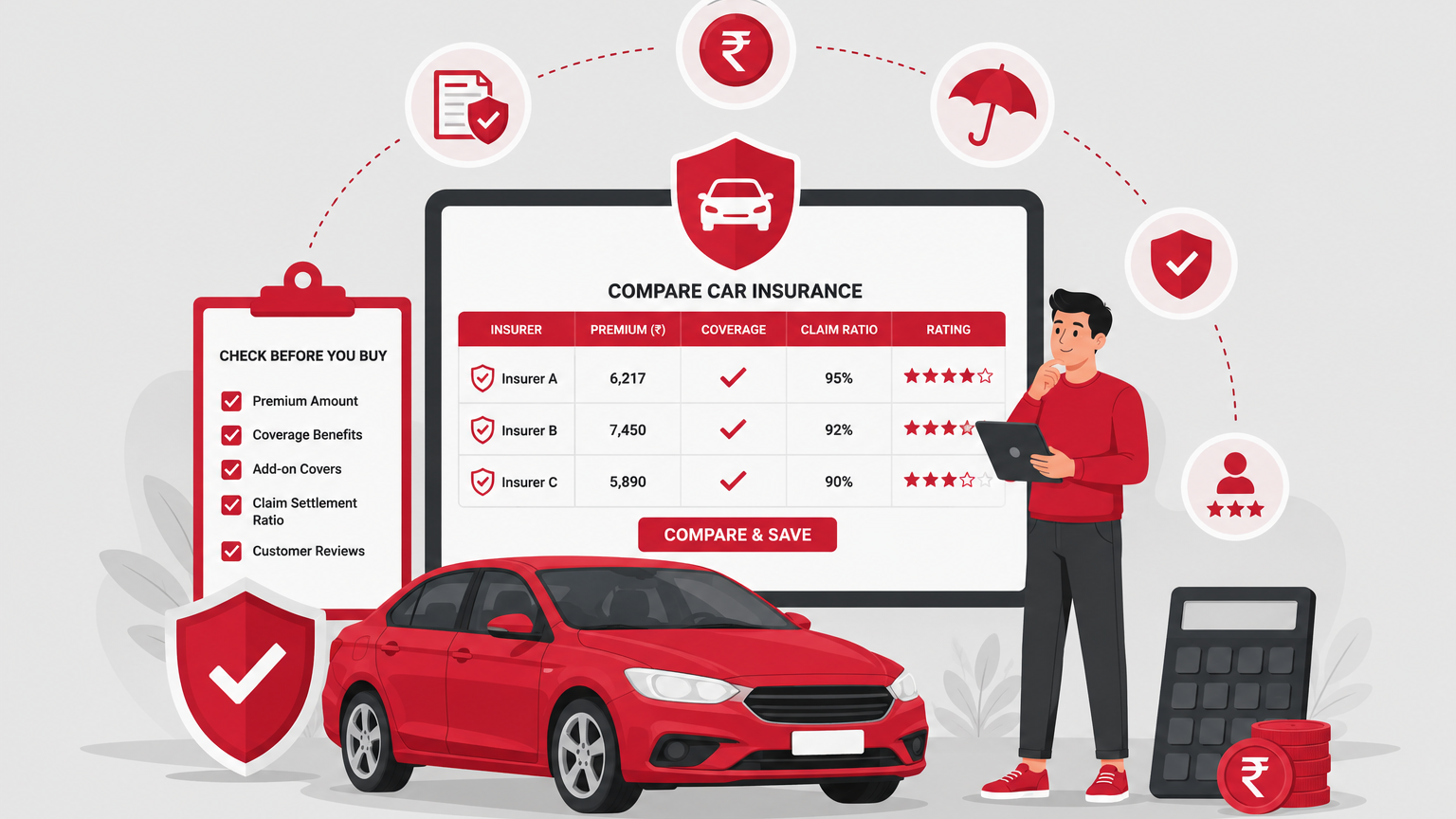
Discover a straightforward guide to comparing car insurance online in India. Perfect for busy drivers aged 25-55, this post covers renewal options, key factors, latest stats, and expert advice to protect your vehicle affordably.

By clicking the button, I authorize Paybima advisor to contact me via SMS, Email, Phone, WhatsApp or any other modes overriding my 'DND'.T&C Apply.
By clicking the button, I authorize Paybima advisor to contact me via SMS, Email, Phone, WhatsApp or any other modes overriding my 'DND'.T&C Apply.

