
Comprehensive vs. Third-Party Bike Insurance: What’s the Difference?
.jpg)
An in-depth 2026 comparison between Comprehensive and Third-Party bike insurance in India. Learn about coverage, latest IRDAI premium rates, and which policy fits your riding needs.
Third-party bike insurance is the minimum required by law. It protects others if your bike causes an accident. Comprehensive bike insurance builds on that by also covering damage to your own bike. In 2026, with rising road traffic and repair costs, understanding these two helps you pick what suits your needs best.
Most people aged 25 to 55 use their bikes daily for work, family trips, or errands. A simple accident can lead to big expenses. Knowing the differences lets you decide wisely.
Key Differences at a Glance
Here is a clear comparison table to show the main points:
| Feature | Third-Party Bike Insurance | Comprehensive Bike Insurance |
|---|---|---|
| Mandatory by Law | Yes (required for all bikes on roads) | No (optional, but includes mandatory third-party) |
| Coverage for Others | Covers injury, death, or property damage to third parties | Covers injury, death, or property damage to third parties (same as third-party) |
| Coverage for Your Bike | No protection for your own bike | Yes – covers own damage from accidents, theft, fire, natural calamities (like floods, storms), and man-made events |
| Personal Accident Cover | Usually includes owner-driver personal accident (mandatory in most policies) | Includes owner-driver personal accident, plus options for pillion or enhanced cover |
| Add-ons Available | Very limited or none | Many add-ons like zero depreciation, roadside assistance, engine protection, consumables cover |
| Premium Cost | Lower and fixed by IRDAI based on engine capacity | Higher – third-party part fixed, own damage part based on bike value, age, model, location, and no-claim bonus |
| When It's Best | For old bikes, low usage, or tight budget | For new or expensive bikes, daily commuters, high-risk areas |
| Claim Process | Mostly for third-party claims (handled by affected party or MACT) | You can claim directly for your bike damage too |
Third-Party Bike Insurance Explained
This is the basic motor insurance policy everyone must have. It protects you from legal and financial trouble if your bike hits someone or damages their property or vehicle.
What it covers:
- Death or injury to others (no limit on compensation for death/injury).
- Property damage to others (up to ₹7.5 lakh or as per latest limits).
It does not cover:
- Any repair costs for your bike.
- Theft of your bike.
- Damage from natural events or fire.
Premiums are set by the Insurance Regulatory and Development Authority of India (IRDAI) and stay the same across insurers. In 2026, annual third-party premiums depend on engine size:
- Up to 75 cc: Around ₹538
- 75 cc to 150 cc: Around ₹714
- 150 cc to 350 cc: Around ₹1,366
- Above 350 cc: Around ₹2,804
For new bikes, you often get a 5-year third-party cover bundled at purchase. This follows IRDAI rules since 2018 to make sure long-term protection is there.
If you ride without this, fines can reach ₹2,000 for the first time and more for repeat cases, plus possible jail time.
Comprehensive Bike Insurance Explained
This is a full package. It includes everything in third-party cover plus own damage protection for your bike.
What extra it covers:
- Accidents (your bike repair even if you are at fault).
- Theft.
- Fire or explosion.
- Natural calamities (earthquake, flood, storm).
- Man-made events (riot, strike).
You can add extras like:
- Zero depreciation (no cut for parts wear).
- Roadside help if your bike breaks down.
- Cover for accessories or engine parts.
Premiums are higher because of the extra protection. The third-party part is fixed, but own damage depends on your bike's Insured Declared Value (IDV – current market value after depreciation), age, make, model, city, and your no-claim bonus (discount for claim-free years, up to 50%).
In 2026, comprehensive premiums vary a lot – from a few thousand rupees for basic bikes to higher for premium models. Many insurers offer easy online ways to buy insurance online for bike or renew.
2026 Third-Party Premium Rates (Based on Engine Capacity)
The IRDAI fixes these rates annually. For 2026, the rates are categorized by the bike's CC:
| Engine Capacity (CC) | 1-Year TP Premium (Approx.) | 5-Year TP Premium (New Bikes) |
| Below 75cc | ₹538 | ₹2,901 |
| 75cc to 150cc | ₹714 | ₹3,851 |
| 150cc to 350cc | ₹1,366 | ₹7,365 |
| Above 350cc | ₹2,804 | ₹15,117 |
The Power of Add-ons (Only with Comprehensive)
The reason many riders aged 25–55 prefer comprehensive plans is the ability to customize. When you compare car insurance online or bike plans, you’ll see Add-ons. These are extra protections you can buy:
- Zero Depreciation: In a standard claim, insurers deduct depreciation (wear and tear) on plastic and rubber parts. With Zero-Dep, you get the full claim amount. This is a must-have for any bike less than 5 years old.
- Roadside Assistance (RSA): If your bike breaks down at night, the insurer sends a mechanic or a tow truck.
- Return to Invoice (RTI): If your bike is stolen, RTI ensures you get back the original on-road price you paid, including taxes, rather than just the market value.
Which One Should You Choose?
The decision often depends on the age of your vehicle and your usage.
- Choose Third-Party If: Your bike is very old (10+ years), has a very low market value, or you rarely use it and only want to stay on the right side of the law.
- Choose Comprehensive If: You bought your bike recently, it’s a premium/mid-segment model (like a Royal Enfield, KTM, or high-end Honda), you commute daily in heavy traffic, or you live in an area prone to flooding or theft.
Buying Insurance Online: The 2026 Trend
Gone are the days of meeting agents and filling long forms. Today, you can compare car insurance online and bike policies on your phone in minutes. Digital-first insurers now offer Video Claims, where you simply upload a video of the damage via an app, and the claim is approved almost instantly.
Whether you need commercial vehicle insurance for a delivery fleet or a simple 4 wheeler insurance for your family car, the online process is transparent, allowing you to see exactly what is covered before you pay.
Key Takeaways
- Third-party is mandatory, but it only protects others, not you or your bike.
- Comprehensive insurance is a safety net that covers theft, accidents, and natural disasters.
- Zero-Depreciation add-on is the most valuable addition for modern bikes with expensive parts.
- Always check the IDV (Insured Declared Value) when renewing; a higher IDV means a better payout if your bike is stolen.
- Online renewal is faster and often cheaper as it avoids middleman commissions.
FAQs on Comprehensive vs. Third-Party Bike Insurance: What’s the Difference?
As per the latest regulations, when you buy a new bike, a 5-year third-party cover is mandatory. However, for the "Own Damage" (Comprehensive) part, you can choose a 1-year or multi-year term based on your preference.
Yes! NCB is tied to the rider, not the vehicle. If you sell your old bike and buy a new one, you can transfer your accumulated discount (up to 50%) to your new motor insurance policy.
Apart from the high risk of out-of-pocket expenses during an accident, you face legal penalties. In 2026, traffic cameras are integrated with the VAHAN database, and "E-Challans" for expired insurance are issued automatically.

Author Bio
Paybima Team
Paybima is an Indian insurance aggregator on a mission to make insurance simple for people. Paybima is the Digital arm of the already established and trusted Mahindra Insurance Brokers Ltd., a reputed name in the insurance broking industry with 21 years of experience. Paybima promises you the easy-to-access online platform to buy insurance policies, and also extend their unrelented assistance with all your policy related queries and services.


Other Motor Insurance Products


Latest Post
You're sitting with your CA on July 28, ready to file your IT return. Your CA asks, "Do you have all investment receipts?" You scramble through documents, realizing some proof is missing. This panic is avoidable.

Buying bike insurance online used to seem complicated. But today, purchasing coverage for your two-wheeler is simpler than ever. The challenge now isn't availability—it's choosing the right bike insurance from dozens of options.
Insurance is an important financial safety net that protects individuals and families against unexpected medical expenses, accidents, loss of income, and other financial risks.
.png)
It's June. The monsoons are here. Suddenly, you develop high fever, body aches, and headache. Your doctor suspects dengue. Your first concern after "Will I be okay?" is "How much will this cost?" This is a question millions of Indians face annually, especially during monsoon and post-monsoon seasons when dengue cases spike.
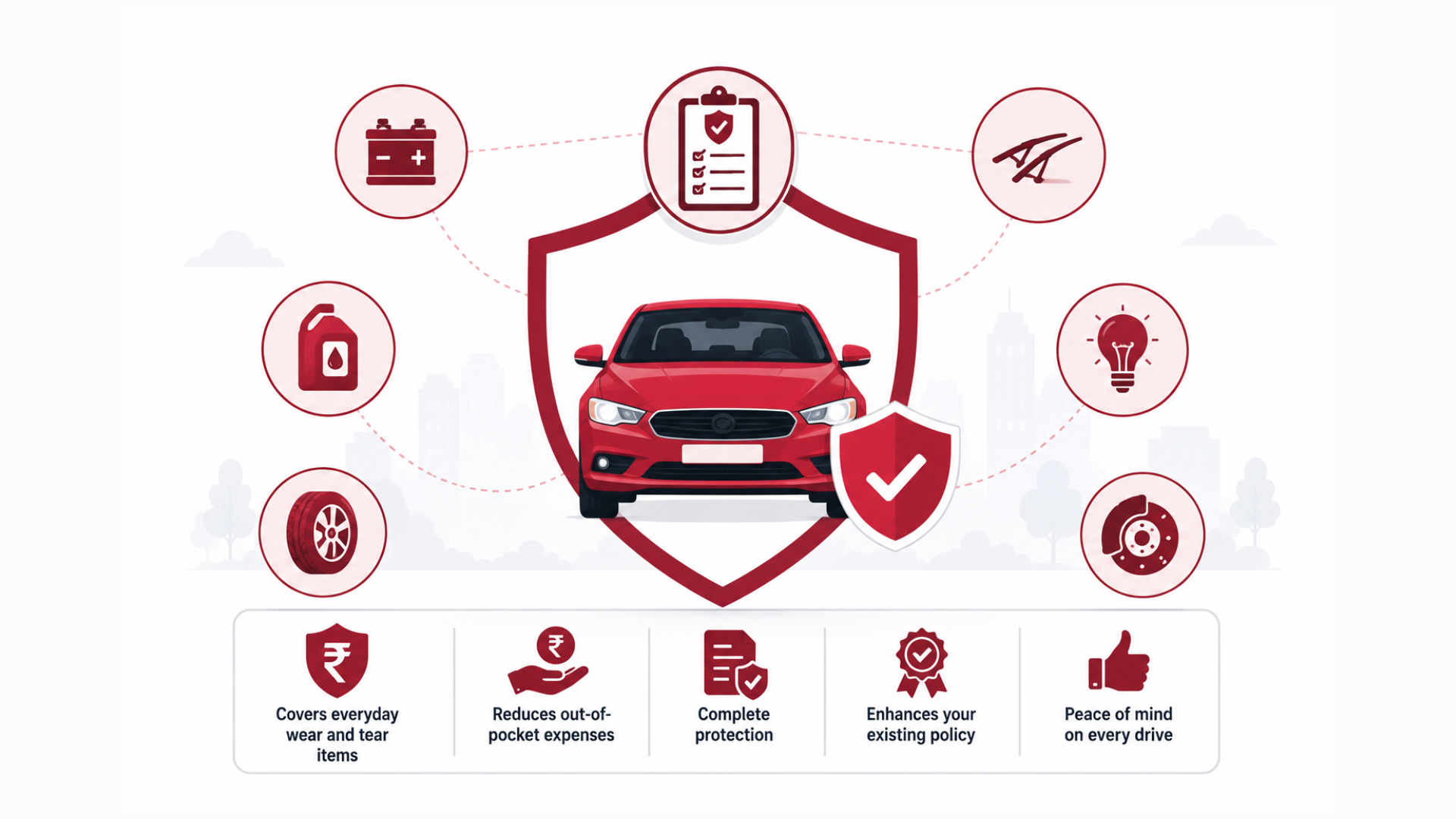
You've just purchased your dream car. You maintain it religiously—regular washing, polishing, timely servicing.


Speak to our Advisor
+91

By clicking the button, I authorize Paybima advisor to contact me via SMS, Email, Phone, WhatsApp or any other modes overriding my 'DND'.T&C Apply.