


Related Articles
.png)
 Jan 08, 2025
Is Varicose Vein surgery covered under the health insurance policy in India
 Health Insurance
.png)

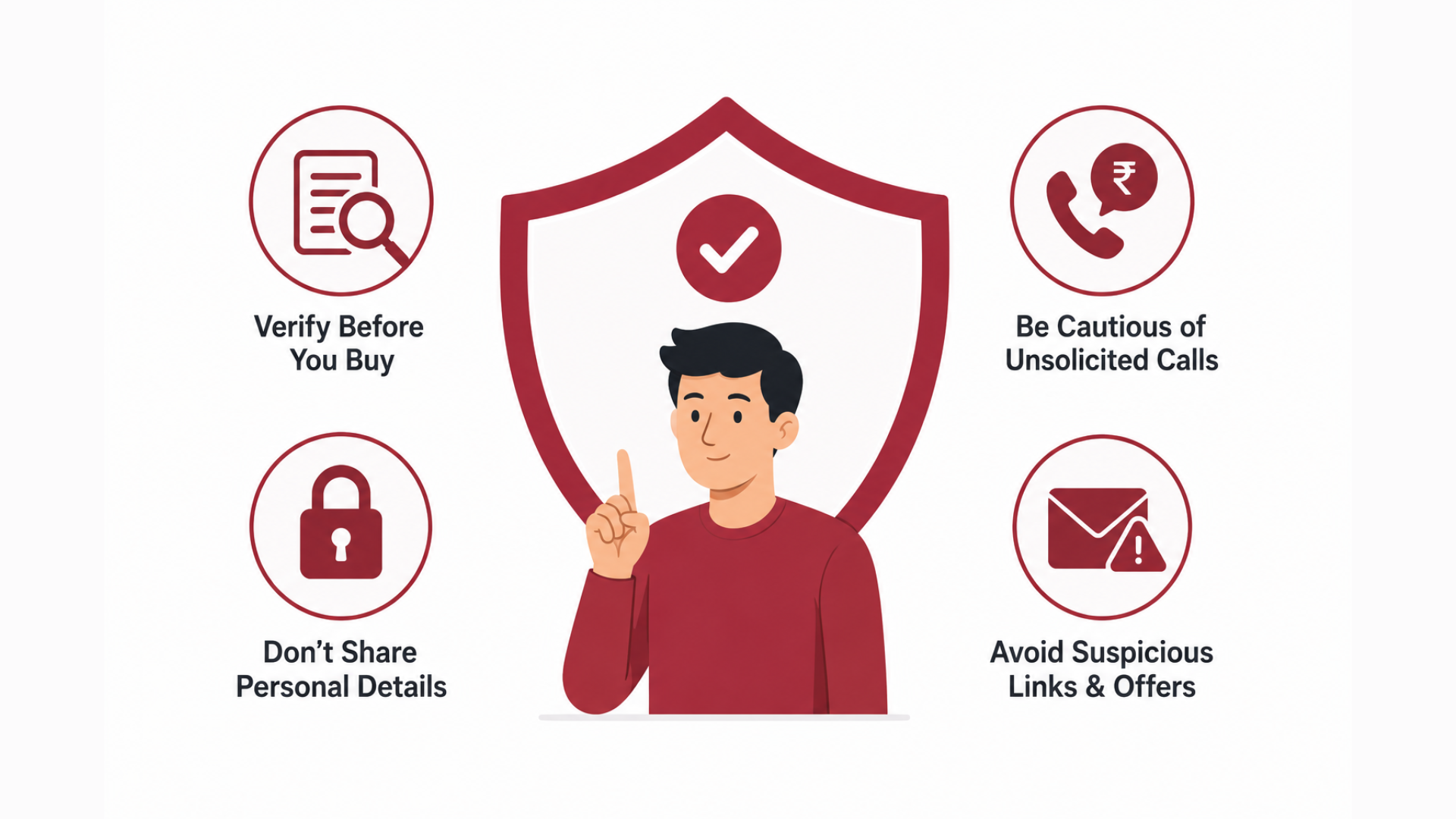
Insurance is an important financial safety net that protects individuals and families against unexpected medical expenses, accidents, loss of income, and other financial risks.
However, as the insurance industry becomes increasingly digital, insurance-related frauds and scams are also becoming more sophisticated. Fake insurance policies, fraudulent calls, misleading offers, fake claim agents, and phishing links can cause people to lose money and, in some cases, compromise their personal information.
The growing popularity of online health insurance has made it easier for customers to compare policies, pay premiums, download documents, and manage claims. At the same time, scammers may exploit this convenience by pretending to be representatives of genuine insurance companies or government authorities.
Therefore, whether you are purchasing Individual Health Plans, renewing your policy, or filing a Health Insurance Claim, it is essential to remain alert. A few simple precautions can help you identify suspicious activities and protect yourself from financial losses.
Always purchase health insurance from an authorised insurer or trusted insurance platform.
Never share OTPs, passwords, CVV numbers, or banking details with unknown callers.
Verify the identity of anyone claiming to represent your insurer.
Be cautious of promises of guaranteed claim approval or unusually high discounts.
Check your policy documents carefully before making any payment.
Keep track of your Health Insurance Renewal dates to avoid falling for fake renewal calls.
Verify the policy terms, waiting periods, exclusions, and claim process before buying Individual Health Plans.
Never make payments to personal bank accounts or unknown UPI IDs without verification.
Be especially careful with unsolicited calls offering Super Top Up Plans at unusually low prices.
Report suspicious transactions or fraud immediately to the relevant authorities and your insurer.
Insurance fraud refers to any dishonest activity intended to obtain money or benefits illegally through an insurance policy. Such frauds can target policyholders, insurers, hospitals, agents, or other stakeholders.
In India, customers may encounter scams at different stages of their insurance journey. Fraudsters may contact people while pretending to sell a policy, renew an existing policy, process a claim, or offer a refund.
For example, a scammer may call a policyholder and claim that their health insurance policy is about to expire. They may then ask the person to pay an immediate renewal fee through a personal account. In another case, a fraudster may promise to increase the claim amount if the policyholder pays a processing fee.
Understanding how these scams work is the first step towards avoiding them.
One of the most common scams involves selling fake or invalid insurance policies.
Fraudsters may create documents that look similar to genuine policy documents and offer them at attractive prices. The victim may only discover the fraud when they try to make a claim.
Before buying health insurance, always verify whether the insurer is registered with the appropriate regulatory authority and check the authenticity of the policy documents.
Policyholders may receive calls claiming that their policy is about to expire. The caller may ask for an immediate payment to prevent the policy from being cancelled.
This type of scam can be particularly dangerous when someone is approaching their Health Insurance Renewal date.
Always verify renewal information through the insurer's official website, app, customer care number, or authorised intermediary before making a payment.
Scammers may contact policyholders after learning that they have filed a claim. They may promise to speed up the Health Insurance Claim process in exchange for money.
A genuine insurer generally follows a defined claim procedure. You should never pay an unknown individual simply because they promise faster claim settlement.
Fraudsters may pretend to be insurance representatives and ask for:
OTP
Debit or credit card details
CVV
UPI PIN
Internet banking passwords
Aadhaar or PAN details
Remember that you should never share confidential banking credentials or OTPs with unknown individuals.
Fraudsters may advertise extremely cheap insurance policies or claim to offer special discounts that are unavailable through normal channels.
While comparing the premium of different Individual Health Plans is a good practice, an unusually low price should make you cautious.
Always compare the coverage, exclusions, waiting periods, deductibles, and policy conditions—not just the premium.
There are several warning signs that can help you identify fraudulent insurance activities.
Be cautious when an unknown person suddenly contacts you regarding your insurance policy without any prior communication.
Scammers often create urgency by claiming that your policy will expire within minutes or that you will lose your benefits unless you make an immediate payment.
Be suspicious of anyone guaranteeing a claim approval, promising unusually high returns, or offering benefits that are not mentioned in the policy document.
Never share sensitive financial information with unknown callers.
Insurance premiums should be paid through verified payment channels. Avoid transferring money to an individual's personal bank account or unknown UPI ID.
Always purchase health insurance through an authorised insurer or a trusted insurance intermediary.
Before buying a policy, verify the insurer's details and carefully check the policy document.
If someone approaches you claiming to be an insurance agent, ask for their identification and verify their credentials.
Do not rely solely on a visiting card or WhatsApp message. Contact the insurer directly using an official customer care number to confirm the person's identity.
Never purchase a policy without understanding what it covers.
Pay attention to:
Sum insured
Waiting periods
Pre-existing disease conditions
Room rent limits
Co-payment
Sub-limits
Exclusions
Claim procedure
Renewal conditions
This is particularly important when comparing Individual Health Plans.
Your OTP, UPI PIN, CVV, and passwords are confidential.
Even if someone claims to be from an insurance company, bank, or government department, never share these details over the phone.
Before completing a Health Insurance Renewal, check the policy expiry date and payment details through your insurer's official website or app.
If you receive a suspicious renewal call, disconnect and contact the insurer independently.
Super Top Up Plans can provide additional health coverage at a relatively affordable premium. However, fraudsters may misuse their popularity by selling fake policies.
Before purchasing one, check:
Deductible
Sum insured
Coverage conditions
Waiting period
Pre-existing disease clauses
Claim process
Policy tenure
Never purchase a policy simply because someone promises a very low premium.
Store your policy documents safely and avoid sharing them publicly.
You should also maintain digital copies of your policy, receipts, and claim-related documents for future reference.
If you suspect that you have been targeted by an insurance scam, act quickly.
Do not make additional payments to the suspected fraudster.
Inform your genuine insurance company about the incident and verify whether the communication was legitimate.
If you have shared banking information, immediately contact your bank and take steps to secure your account.
Report financial cyber fraud through India's official cybercrime reporting channels and contact the relevant authorities.
Keep screenshots, emails, phone numbers, transaction details, payment receipts, and messages. These can help authorities investigate the incident.
| Warning Sign | What You Should Do |
|---|---|
| Unsolicited insurance call | Verify the caller independently |
| Immediate payment demand | Do not rush; contact the insurer |
| Guaranteed claim approval | Check policy terms |
| Request for OTP or PIN | Never share confidential credentials |
| Very cheap policy | Compare coverage and verify the insurer |
| Fake renewal message | Check your official policy account |
| Personal UPI payment request | Use verified payment channels |
| Unknown claim agent | Contact the insurer directly |
| Suspicious policy document | Verify policy authenticity |
| Unverified WhatsApp link | Avoid clicking unknown links |
| Pros | Cons |
|---|---|
| Protects your money | Requires additional verification |
| Prevents identity theft | May take extra time |
| Helps avoid fake policies | Requires careful policy reading |
| Reduces risk of claim fraud | You need to remain alert |
| Protects sensitive financial data | Suspicious offers may need additional research |
When filing a Health Insurance Claim, always follow the official process mentioned in your policy document.
Do not depend on unknown individuals who promise to settle your claim faster. Keep copies of medical bills, discharge summaries, prescriptions, diagnostic reports, and other documents submitted during the claim process.
If you receive a call regarding your claim, verify the caller's identity before providing any information.
Most importantly, remember that a genuine claim should be processed according to your policy's terms and conditions. No one can legitimately guarantee claim approval by asking you to make an unofficial payment.
Your Health Insurance Renewal is another stage where scammers may attempt to target policyholders.
Before renewing:
Check the actual policy expiry date.
Visit the insurer's official website or app.
Verify the premium amount.
Check whether the policy terms have changed.
Review your coverage requirements.
Pay only through verified payment channels.
Save the renewal receipt and updated policy document.
Avoid clicking on suspicious links sent through SMS, WhatsApp, or email.
Fake insurance policies, fraudulent renewal calls, fake claim assistance, phishing links, and requests for OTPs or banking information are among the common forms of insurance fraud.
Verify the policy through the insurer's official website, app, customer care channel, or authorised intermediary. Avoid relying solely on documents or messages sent by unknown individuals.
You should never share OTPs, UPI PINs, CVVs, or passwords with unknown individuals. If someone asks for such information, verify the request directly with your insurer.
Check your policy expiry date independently and complete your Health Insurance Renewal through the insurer's official website, app, or verified payment channel.
Yes, provided you purchase them from a legitimate insurer or authorised insurance intermediary. Always verify the insurer and read the policy terms before making payment.
Young and healthy? Find out which of these plans rewards you with lower premiums. Click here to check now!

Paybima Team
Paybima is an Indian insurance aggregator on a mission to make insurance simple for people. Paybima is the Digital arm of the already established and trusted Mahindra Insurance Brokers Ltd., a reputed name in the insurance broking industry with 21 years of experience. Paybima promises you the easy-to-access online platform to buy insurance policies, and also extend their unrelented assistance with all your policy related queries and services.

 Jan 08, 2025
Health Insurance
Jan 08, 2025
Health Insurance
Insurance is an important financial safety net that protects individuals and families against unexpected medical expenses, accidents, loss of income, and other financial risks.

.png)
It's June. The monsoons are here. Suddenly, you develop high fever, body aches, and headache. Your doctor suspects dengue. Your first concern after "Will I be okay?" is "How much will this cost?" This is a question millions of Indians face annually, especially during monsoon and post-monsoon seasons when dengue cases spike.
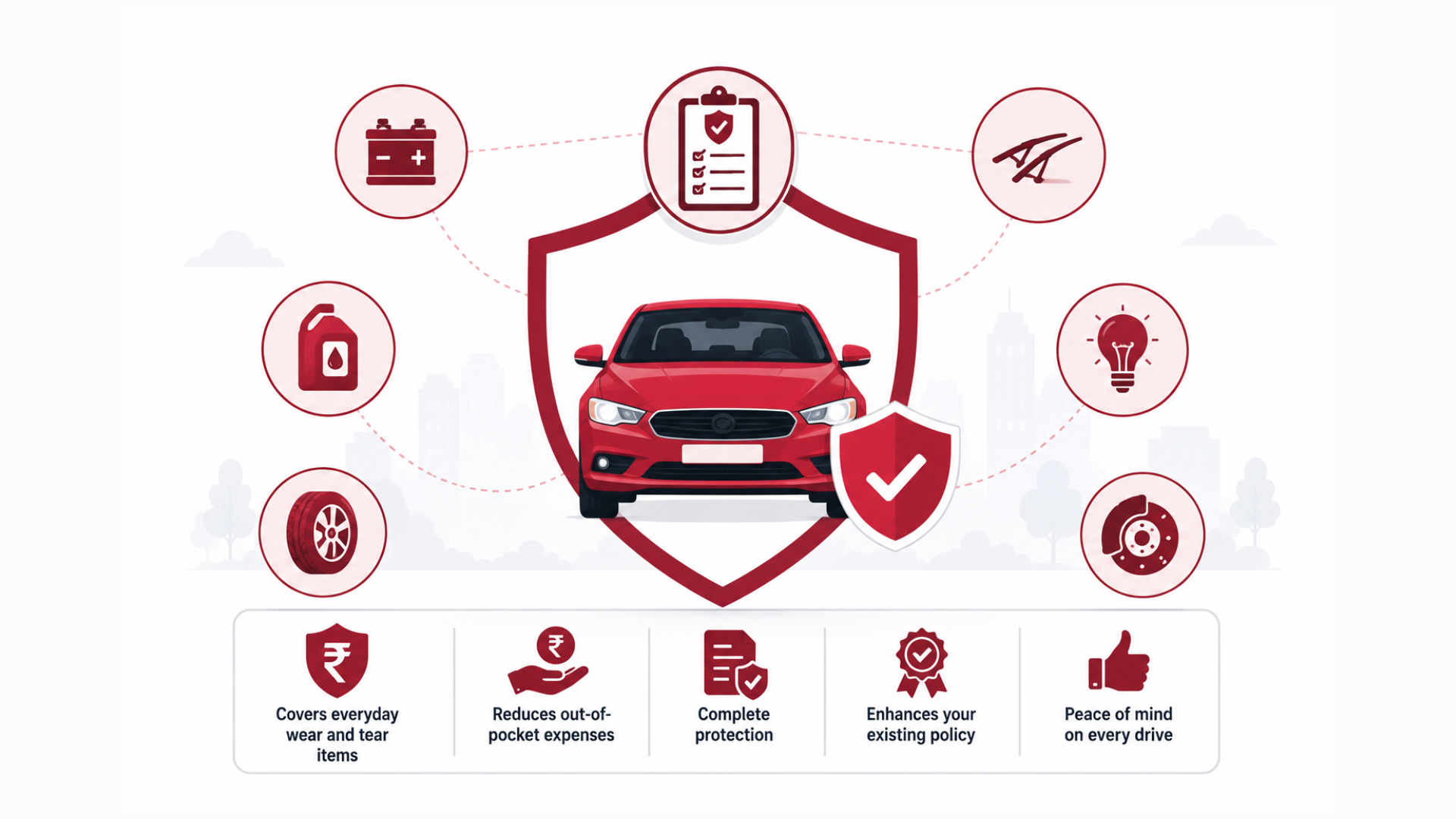
You've just purchased your dream car. You maintain it religiously—regular washing, polishing, timely servicing.
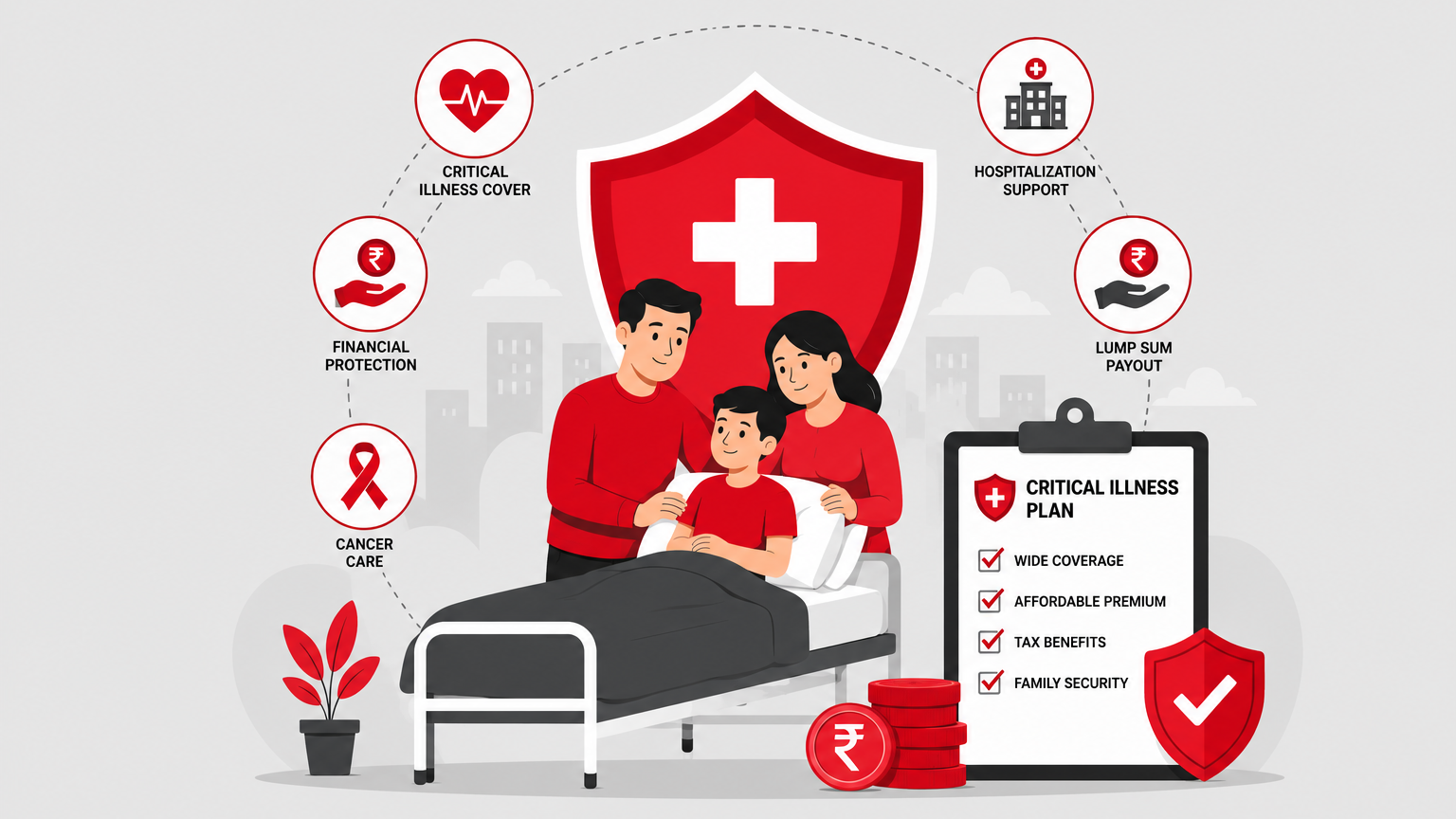
In today's uncertain world, a critical illness can drain your savings quickly. This guide explains the best critical illness insurance options, their benefits, and how they complement your best health insurance for complete protection.
Car ownership brings freedom but also the need for proper protection. This easy guide explains affordable car insurance options in India in 2026. Learn about cheap plans from popular companies, how to renew online, government rules, and practical tips to keep costs low while staying fully protected.

By clicking the button, I authorize Paybima advisor to contact me via SMS, Email, Phone, WhatsApp or any other modes overriding my 'DND'.T&C Apply.
By clicking the button, I authorize Paybima advisor to contact me via SMS, Email, Phone, WhatsApp or any other modes overriding my 'DND'.T&C Apply.

