
List of Important Two Wheeler or Four Wheeler Spare Parts
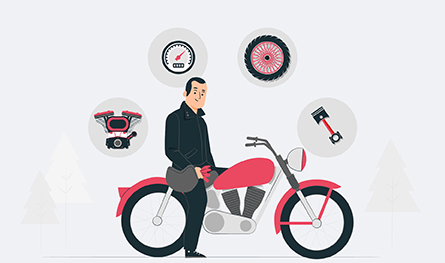
Discover the must-know spare parts for bikes and cars in 2026 along with easy, practical maintenance tips. Perfect for everyday riders and drivers in India – save money, stay safe, and keep your vehicle running smoothly.
Key Takeaways
-
Check tyre pressure and oil levels every week – small steps prevent big problems.
-
Follow the manufacturer’s service schedule for 2026 models, including hybrids and EVs.
-
Clean and lubricate moving parts regularly to extend life.
-
Always use genuine or high-quality spare parts for safety and performance.
-
Good maintenance supports your two wheeler insurance, four wheeler insurance, and personal accident insurance claims.
-
Invest 30 minutes monthly – it saves thousands in repairs and keeps your family safe.
Owning a two-wheeler or a car in 2026 means more than just filling fuel or charging the battery. With busy roads in cities like Mumbai and rising fuel costs, good maintenance keeps your ride safe, saves money on repairs, and helps your vehicle last longer. Simple checks at home and timely service can prevent breakdowns and keep you and your family secure. In today’s world of hybrids, electric scooters, and smart cars, basic care still matters most. This guide lists key spare parts for bikes and cars with easy maintenance tips anyone aged 25 to 55 can follow.
Also Read: Two-Wheeler E-challan Status
Important Spare Parts Overview for Two-Wheelers and Four-Wheelers
Regular upkeep is like a health check for your vehicle. It improves mileage, cuts down on pollution, and gives peace of mind during long rides or daily commutes. In 2026, many new models come with tyre pressure monitoring systems (TPMS) and better batteries, but old habits like checking oil levels still save the day. Proper care also supports your motor insurance policy – insurers notice well-maintained vehicles during claims.
Here is a quick table of must-know spare parts and their basic maintenance schedule (based on 2026 manufacturer guidelines for most Indian models):
This table covers the basics for both petrol and newer hybrid models common in 2026.
Key Spare Parts and Maintenance Tips for Two-Wheelers (Bikes and Scooters)
Two-wheelers rule Indian roads, and with more electric options in 2026, maintenance has become easier yet more important. Here are the top parts:
-
Tyres: Your bike’s grip on wet Mumbai roads depends on them. Check pressure every week (usually 28-32 PSI front, 30-36 PSI rear). Look for cracks or uneven wear. In 2026, many new bikes have TPMS alerts on the dashboard. Replace tyres after five years even if tread looks okay – rubber hardens with age.
-
Brakes: Safety first. Listen for squealing or feel for a soft lever. Clean brake pads and check fluid levels during every service. Rubber brake lines can crack after four years, so get them inspected. Good brakes reduce accident risk and help when you need to file a claim under your two wheeler insurance.
-
Battery: Modern lithium-ion batteries in electric scooters last longer, but still check voltage every three months. For petrol bikes, clean terminals to stop corrosion. A weak battery leaves you stranded – replace every three to four years.
-
Engine Oil and Filter: This is the lifeblood of your engine. Change it on time to avoid costly repairs. In 2026, synthetic oils give better performance in hot weather. Always use the grade mentioned in your owner’s manual.
-
Air Filter and Spark Plugs: A dirty air filter cuts mileage by up to 10%. Wash reusable ones gently or replace paper filters yearly. Spark plugs should spark cleanly – dirty ones cause rough idling.
-
Drive Chain or Belt: For chain-driven bikes, clean off mud and grease every 500 km. A loose chain makes noise and wears sprockets faster. Scooters with belts need less work but still need tension checks.
-
Lights and Indicators: In 2026, LED lights are standard and last longer, but check bulbs and wiring during monsoon to avoid fines or accidents.
Follow your service schedule at authorised centres. A quick weekly 10-minute check can catch issues early.
Also Read: Claim on Bike Insurance
Key Spare Parts and Maintenance Tips for Cars (Four-Wheelers)
Cars face heavier loads on highways and city traffic. Maintenance in 2026 focuses on hybrids and better fuel efficiency.
-
Tyres and Wheels: Rotate tyres every 8,000 km for even wear. Check pressure monthly – heat makes it rise in summer. Keep a good spare tyre and repair kit in the boot.
-
Brakes and Suspension: Pads wear faster in stop-go traffic. Get brakes inspected every 10,000 km. Listen for knocking sounds from suspension – it affects comfort on bad roads.
-
Battery and Electricals: Modern cars have start-stop systems. Test battery health every six months. 2026 models often show alerts on the infotainment screen.
-
Engine Oil, Coolant, and Filters: Change oil as per the table. Flush coolant to stop overheating. Cabin air filters keep AC fresh – replace them before monsoon.
-
Transmission Fluid and Belts: For automatic cars and hybrids, check fluid levels during service. Timing belts or chains need replacement around 80,000-1,00,000 km.
-
Wipers and Washer Fluid: Replace wiper blades every six months for clear vision in rain.
Many 2026 cars have self-diagnostic systems that notify you via app or dashboard. Still, visit a trusted workshop every 10,000 km.
Also Read: E-Challan System Works
Why Maintenance Helps Your Insurance Coverage
Taking care of these parts does more than save repair bills. It keeps your motor insurance policy hassle-free. Whether you own a bike or car, timely maintenance proves you took reasonable care during claims. Many people now buy insurance online for bike or choose online car insurance for quick renewals and add-ons.
Personal accident insurance (mandatory ₹15 lakh cover for owner-driver) works best when you ride or drive safely – and good brakes and tyres help you do that. Even commercial vehicle insurance for delivery bikes or taxis benefits from regular checks. A well-maintained vehicle often gets better no-claim bonuses and lower premiums at renewal.
FAQs on Two Wheeler or Four Wheeler Spare Parts
Most manufacturers recommend every 3,000-6,000 km or once a year, whichever comes first. Use the right grade for better mileage.
Less engine work, but tyres, brakes, and battery health still need regular checks. Follow the service manual for your model.
Yes. Insurers may ask for service records. Proper upkeep shows responsible ownership and helps faster claim settlement under your motor insurance policy.
Many prefer to buy insurance online for bike or online car insurance for quick comparison and instant policy. Add personal accident insurance if needed.
Every 5-6 years or when tread depth reaches 1.6 mm. Rotate them regularly for longer life and better safety.

Author Bio
Paybima Team
Paybima is an Indian insurance aggregator on a mission to make insurance simple for people. Paybima is the Digital arm of the already established and trusted Mahindra Insurance Brokers Ltd., a reputed name in the insurance broking industry with 21 years of experience. Paybima promises you the easy-to-access online platform to buy insurance policies, and also extend their unrelented assistance with all your policy related queries and services.


Other Motor Insurance Products


Latest Post
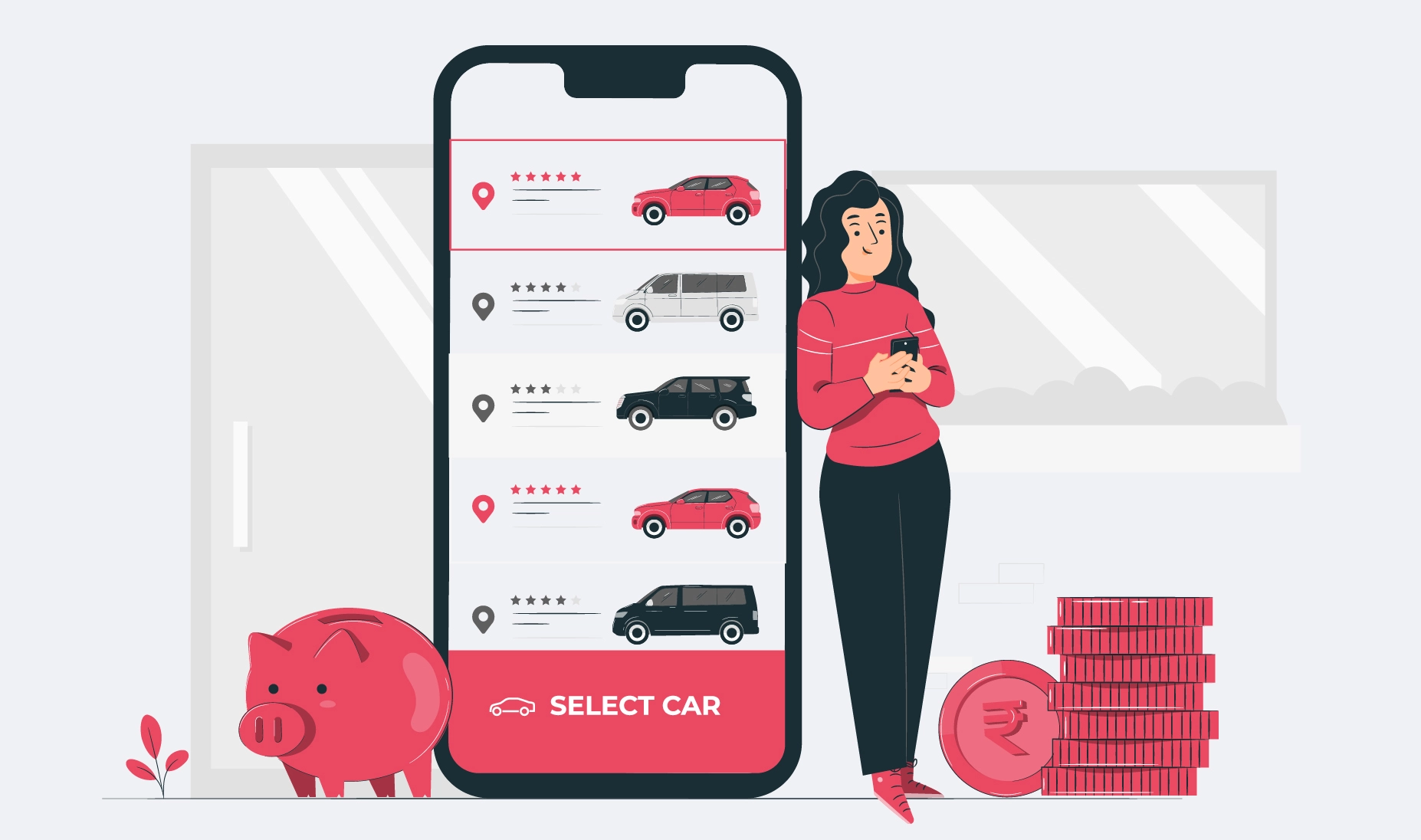
Buying a car doesn't always mean breaking the bank. If you're looking for an affordable vehicle that doesn't compromise on quality or reliability, 2026 is a great year to make your purchase.

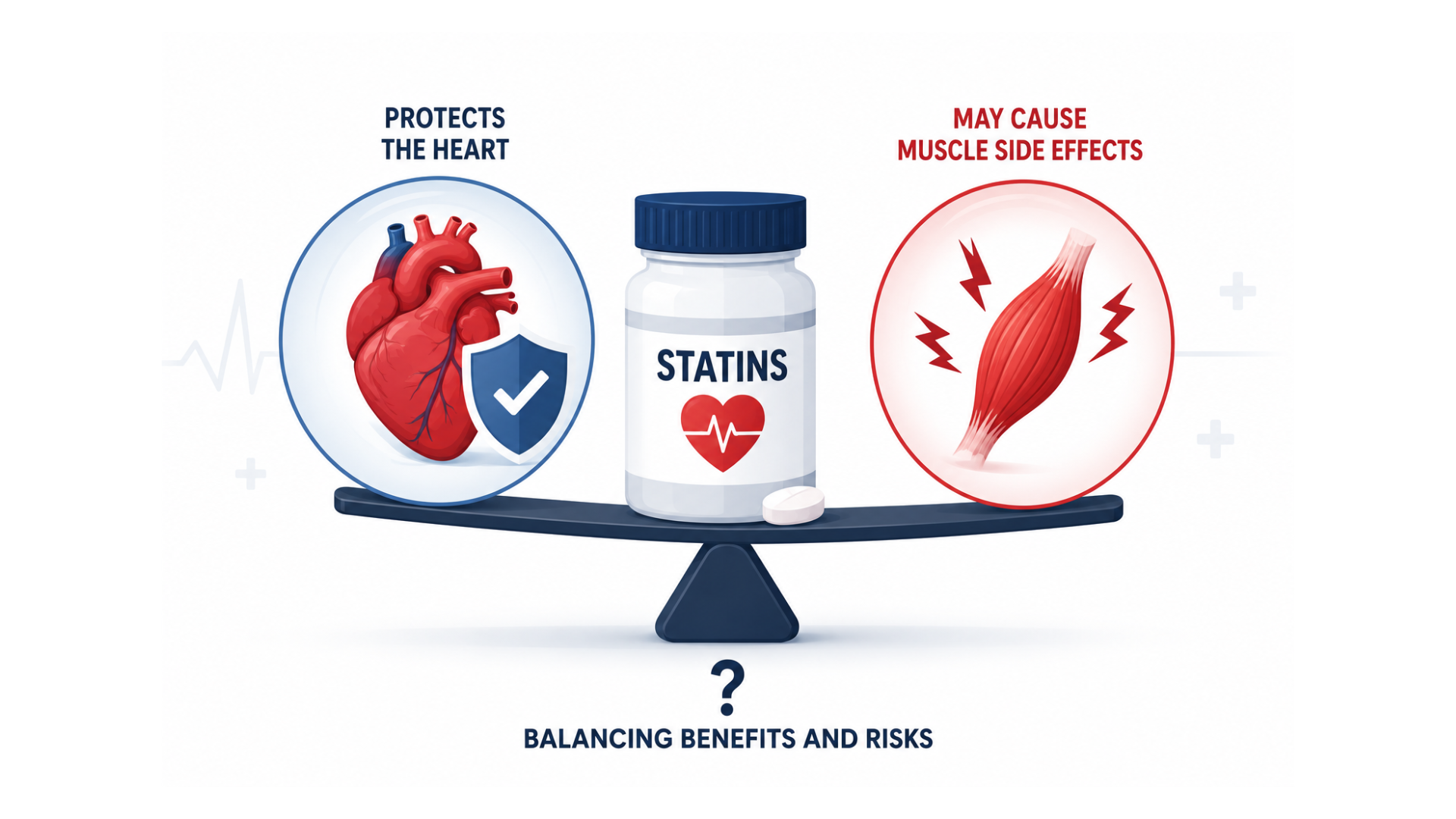
Statins are among the most commonly prescribed medications worldwide for reducing cholesterol and preventing serious cardiovascular diseases such as heart attacks and strokes.
Explore everything about the All-India National Permit in 2026. This detailed guide helps truck owners, fleet operators, and transporters understand fees, types, application steps, government rules, and tips to stay compliant while saving time and money on interstate logistics.
Commercial vehicles are the backbone of India's transportation and logistics industry. From trucks carrying goods across states to taxis, buses, school vans, ambulances, auto-rickshaws, and delivery vehicles serving daily commuters and businesses, these vehicles play a vital role in the country's economy.


Speak to our Advisor
+91

By clicking the button, I authorize Paybima advisor to contact me via SMS, Email, Phone, WhatsApp or any other modes overriding my 'DND'.T&C Apply.