
Standalone Own Damage Bike Insurance
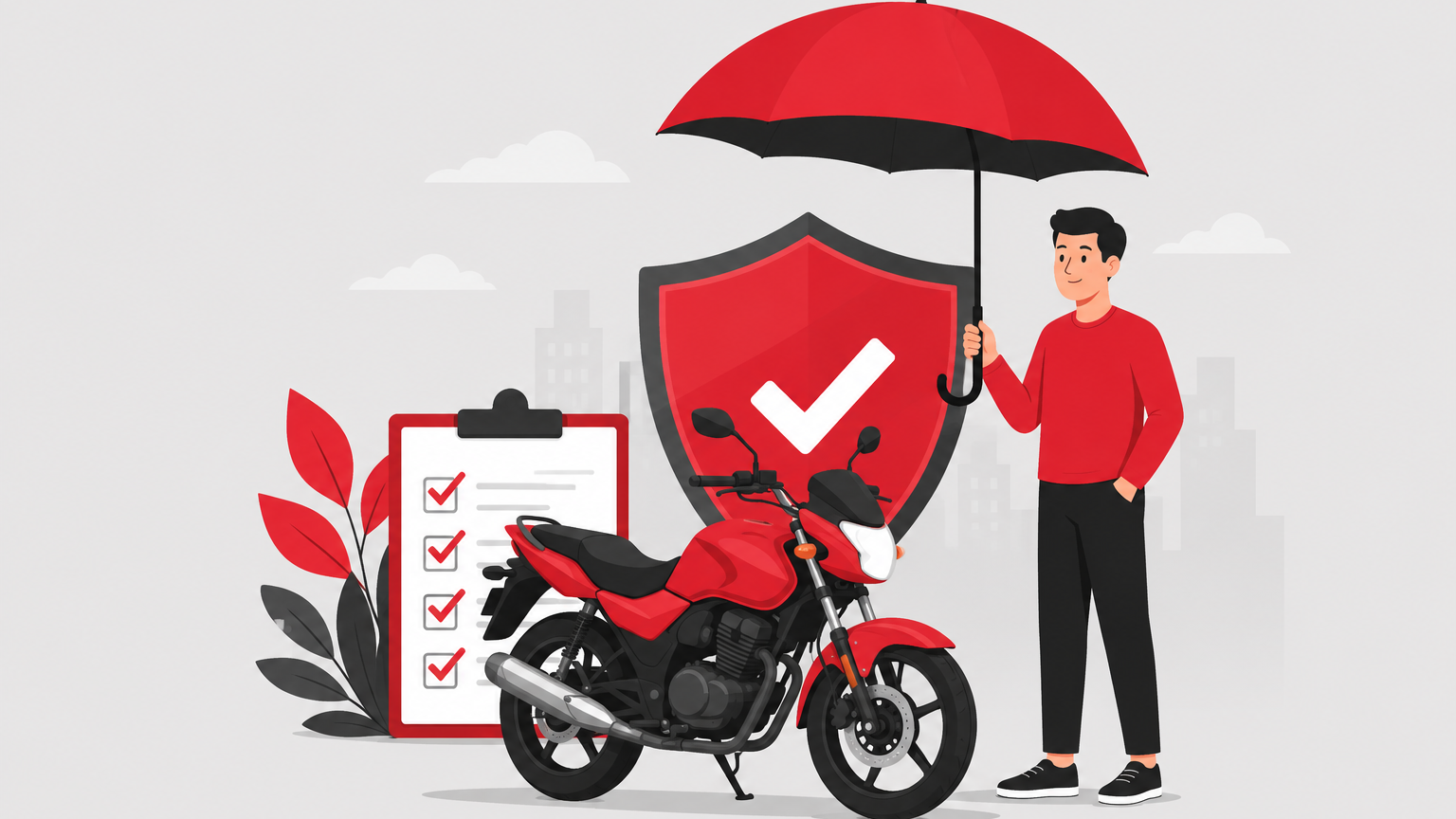
Two-wheelers are one of the most convenient and widely used modes of transport in India. With increasing traffic and road risks, protecting your bike against unexpected damages has become essential. While third-party insurance is mandatory under the Motor Vehicles Act, it does not cover damages to your own vehicle.
This is where Standalone Own Damage Bike Insurance becomes important. This policy protects your insured bike against damages caused due to accidents, natural disasters, theft, or man-made events. If you already have a valid third-party bike insurance policy, purchasing a standalone own damage plan helps ensure complete financial protection for your vehicle.
Key Takeaways
-
Standalone Own Damage (OD) Bike Insurance covers damages to your own bike due to accidents, disasters, or theft.
-
The plan was introduced after approval from IRDAI in September 2019.
-
It is not mandatory, but highly recommended for better financial protection.
-
OD insurance can be purchased separately if you already have third-party insurance.
-
The premium depends on factors like IDV, bike age, add-ons, NCB, and engine capacity.
-
Add-ons like Zero Depreciation, Roadside Assistance, and Return to Invoice can enhance coverage.
What is Own Damage (OD) Bike Insurance?
Standalone Own Damage Bike Insurance is a policy designed to cover damages or losses caused to your own insured two-wheeler. Unlike third-party insurance, which only covers damages caused to other people or property, OD insurance focuses solely on protecting the insured vehicle.
Under this policy, damages resulting from accidents, theft, fire, natural disasters, or man-made calamities are covered. Even damages caused during transit may be included under this policy.
This type of insurance was introduced by the Insurance Regulatory and Development Authority of India (IRDAI) in September 2019. It allows policyholders to purchase OD coverage separately while maintaining a mandatory third-party insurance policy.
This flexibility allows bike owners to choose their insurer and coverage options more freely.
Features of Own Damage Two-Wheeler Insurance
Some of the key features of Standalone Own Damage Bike Insurance include:
1.Coverage for Own Vehicle Damage
The primary feature of OD insurance is that it provides financial protection against damages sustained by your insured bike due to accidents, collisions, theft, fire, or disasters.
2.Option to Add Additional Coverage
Policyholders can enhance the protection level by choosing add-on covers, such as zero depreciation or roadside assistance.
3.Higher Premium than Third-Party Insurance
Since this policy covers damages to your own vehicle, the premium is generally higher compared to third-party bike insurance.
4.Protection Against Natural and Man-Made Calamities
The policy also covers damages caused by events such as floods, earthquakes, riots, explosions, and vandalism.
Own Damage Bike Insurance vs Comprehensive Bike Insurance
Below is a comparison of three types of bike insurance policies.
A comprehensive bike insurance policy combines both third-party and own damage coverage under a single plan, whereas standalone OD insurance only protects your vehicle.
Factors Affecting Own Damage Bike Insurance Premium
The premium for OD bike insurance is calculated based on several factors.
1. Insured Declared Value (IDV)
IDV represents the current market value of your bike. Higher IDV results in a higher premium, while lower IDV leads to a lower premium.
2. Age and Model of the Bike
Newer and more expensive bikes typically have higher premiums because their replacement cost is higher. Older bikes generally attract lower premiums due to depreciation.
3. Add-on Covers
Selecting additional benefits such as zero depreciation cover or roadside assistance increases the overall premium.
4. No Claim Bonus (NCB)
If you have not made any claims in previous years, insurers reward you with No Claim Bonus, which helps reduce your premium.
5. Engine Capacity (CC)
Higher engine capacity bikes usually have higher premiums due to increased repair or replacement costs.
Inclusions of Standalone Own Damage Bike Insurance
The policy usually includes coverage for the following situations:
-
Accidental damages caused by collisions or crashes
-
Damages caused by natural disasters such as floods, earthquakes, storms, or landslides
-
Loss or damage caused by fire, riots, or explosions
-
Theft or total loss of the insured bike
These inclusions ensure that the bike owner does not have to bear significant repair costs.
Exclusions of Own Damage Bike Insurance
Despite its wide coverage, OD insurance does not cover certain situations.
-
Third-party liabilities are not covered
-
Consequential damages caused due to mechanical failure
-
Damages caused due to negligence of the insured person
-
Riding in restricted or dangerous conditions knowingly
Understanding these exclusions helps avoid claim rejection.
Benefits of Own Damage Bike Insurance
Standalone Own Damage Bike Insurance provides several benefits.
1.Flexibility
Policyholders can purchase OD insurance separately instead of buying a comprehensive policy.
2.Freedom to Choose Insurers
You can buy third-party insurance from one insurer and OD coverage from another, giving you more flexibility.
3.Cost Efficiency
Buying third-party insurance and OD insurance separately can sometimes be more economical than purchasing a comprehensive policy.
4.Better Financial Protection
In case of accidents or disasters, the policy helps reduce financial burden related to repair or replacement costs.
Steps to Renew Own Damage Bike Insurance with PayBima
Follow these steps to renew your OD bike insurance policy.
Step 1: Visit the PayBima website
Step 2: Enter the registration number of your bike
Step 3: Provide information such as fuel type, model, registration year, and city
Step 4: Submit your renewal date and insurer details
Step 5: Compare quotes from multiple insurers
Step 6: Select the plan and complete the payment
Once the process is completed, the policy document will be sent to your registered email ID.
How to Claim Own Damage Bike Insurance in India
If your bike gets damaged, follow these steps to file a claim.
-
Inform your insurer immediately about the accident or damage.
-
Lodge an FIR if the damage involves theft or serious accidents.
-
Take photographs of the damage as evidence.
-
Submit documents such as RC copy, policy documents, and FIR copy.
-
Allow the insurer to inspect the vehicle through a surveyor.
-
Get the bike repaired at a network garage approved by the insurer.
Add-ons Available with Own Damage Bike Insurance
Add-on covers help extend the protection offered by the policy.
-
Return to Invoice Cover
If your bike is stolen or declared a total loss, the insurer reimburses the original invoice value.
-
Zero Depreciation Cover
This add-on ensures that depreciation costs are not deducted from the claim amount.
-
Consumables Cover
Covers the cost of small parts such as nuts, bolts, engine oil, grease, and screws.
-
Roadside Assistance
Provides emergency help in case of breakdowns, including towing and minor repairs.
FAQs
Standalone Own Damage Bike Insurance is a policy that covers damages to your insured bike caused by accidents, theft, natural disasters, or man-made events. It only covers damages to your own vehicle and does not include third-party liabilities.
No, Own Damage insurance is not mandatory. However, third-party bike insurance is mandatory in India. Own Damage insurance can be purchased separately if you already have third-party coverage.
Own Damage insurance generally covers:
-
Accidental damages to the bike
-
Theft of the bike
-
Fire damage
-
Natural disasters such as floods, earthquakes, and storms
-
Man-made disasters such as riots or explosions
Own Damage insurance covers only damages to your bike, whereas Comprehensive Bike Insurance covers both third-party liabilities and damages to your own vehicle.
Yes. If you already have a valid third-party bike insurance policy, you can buy Standalone Own Damage insurance from a different insurer.

Author Bio
Paybima Team
Paybima is an Indian insurance aggregator on a mission to make insurance simple for people. Paybima is the Digital arm of the already established and trusted Mahindra Insurance Brokers Ltd., a reputed name in the insurance broking industry with 21 years of experience. Paybima promises you the easy-to-access online platform to buy insurance policies, and also extend their unrelented assistance with all your policy related queries and services.


Other Motor Insurance Products


Latest Post
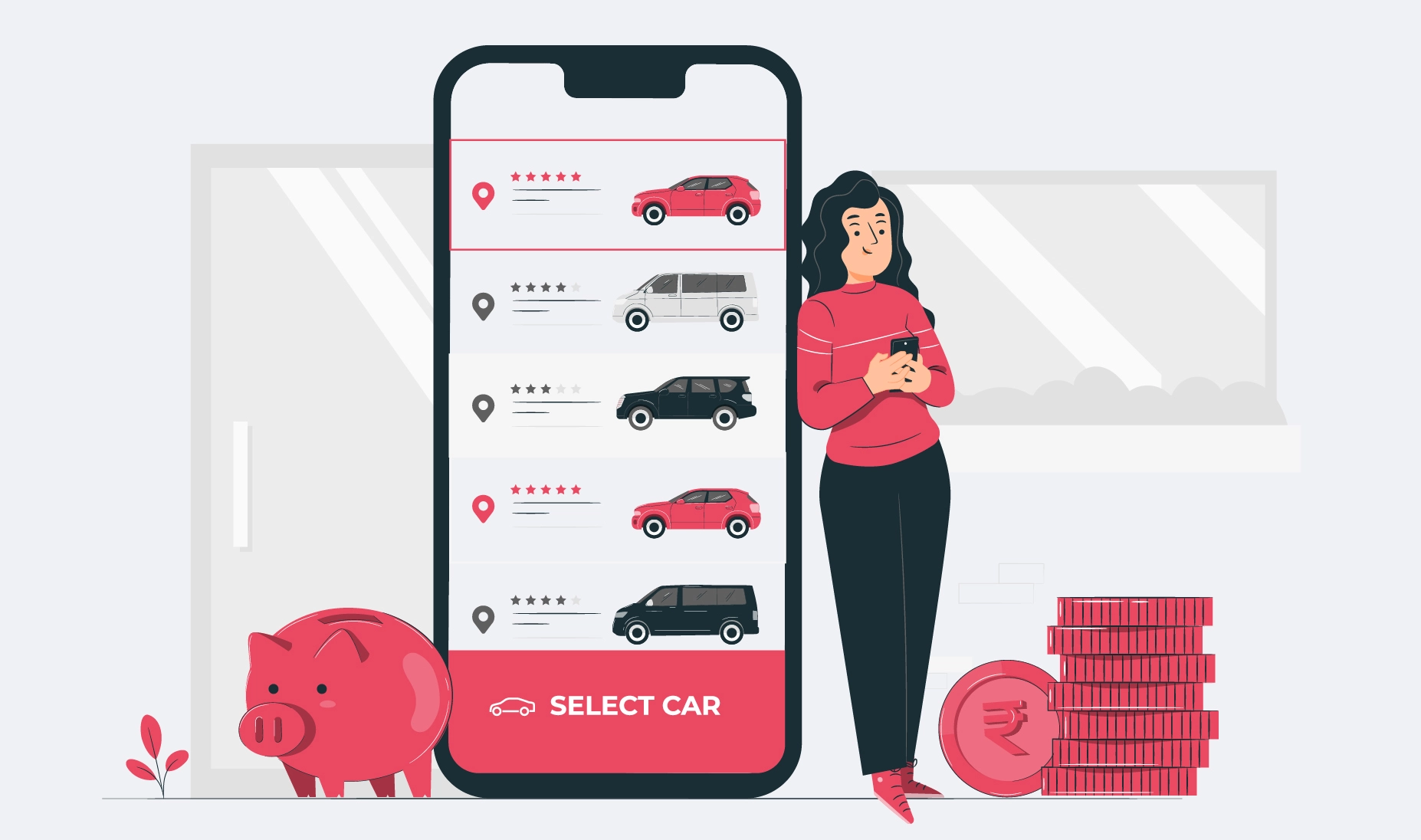
Buying a car doesn't always mean breaking the bank. If you're looking for an affordable vehicle that doesn't compromise on quality or reliability, 2026 is a great year to make your purchase.

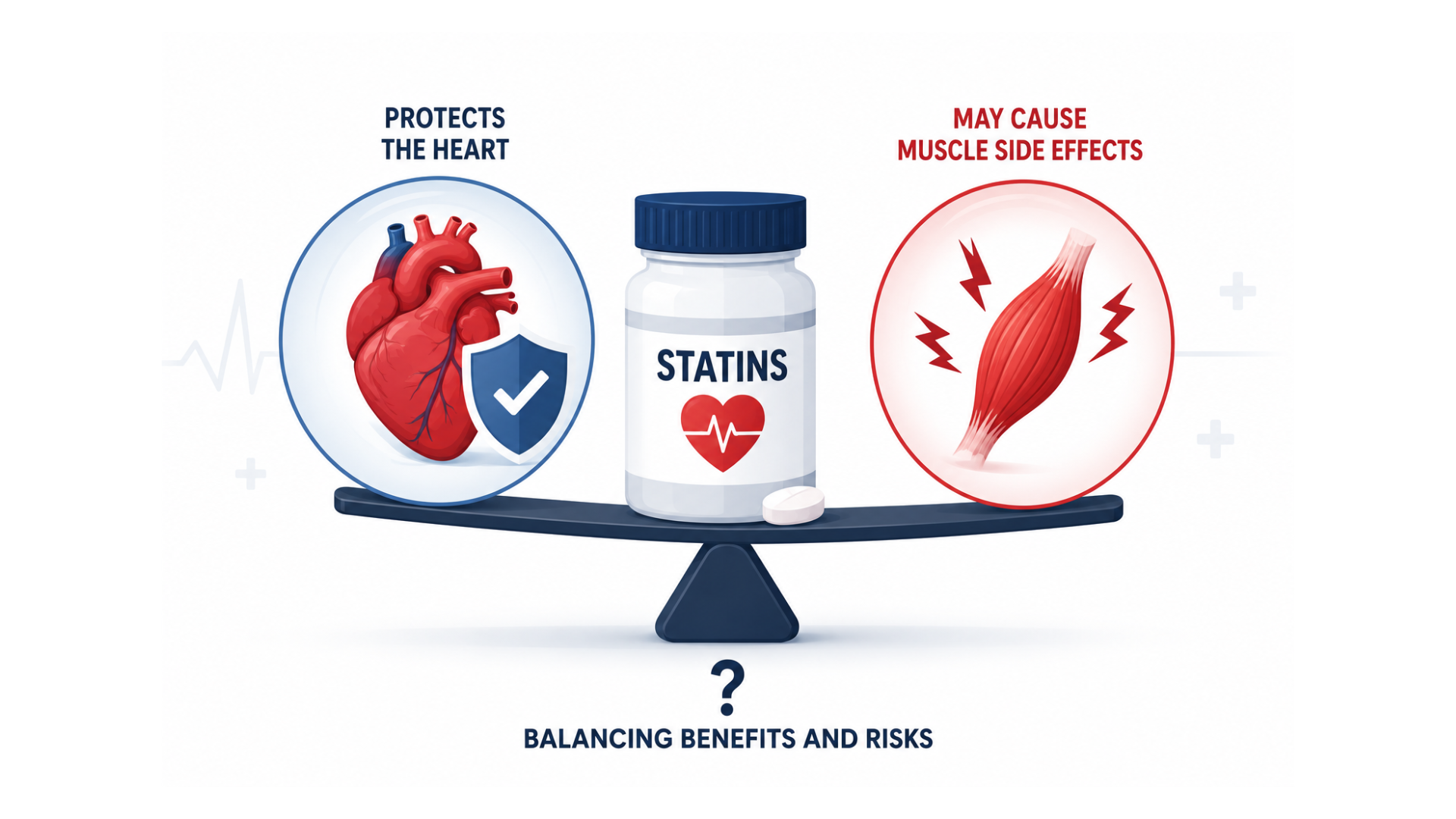
Statins are among the most commonly prescribed medications worldwide for reducing cholesterol and preventing serious cardiovascular diseases such as heart attacks and strokes.
Explore everything about the All-India National Permit in 2026. This detailed guide helps truck owners, fleet operators, and transporters understand fees, types, application steps, government rules, and tips to stay compliant while saving time and money on interstate logistics.
Commercial vehicles are the backbone of India's transportation and logistics industry. From trucks carrying goods across states to taxis, buses, school vans, ambulances, auto-rickshaws, and delivery vehicles serving daily commuters and businesses, these vehicles play a vital role in the country's economy.


Speak to our Advisor
+91

By clicking the button, I authorize Paybima advisor to contact me via SMS, Email, Phone, WhatsApp or any other modes overriding my 'DND'.T&C Apply.