
What is First, Second, and Third Party in Bike Insurance?
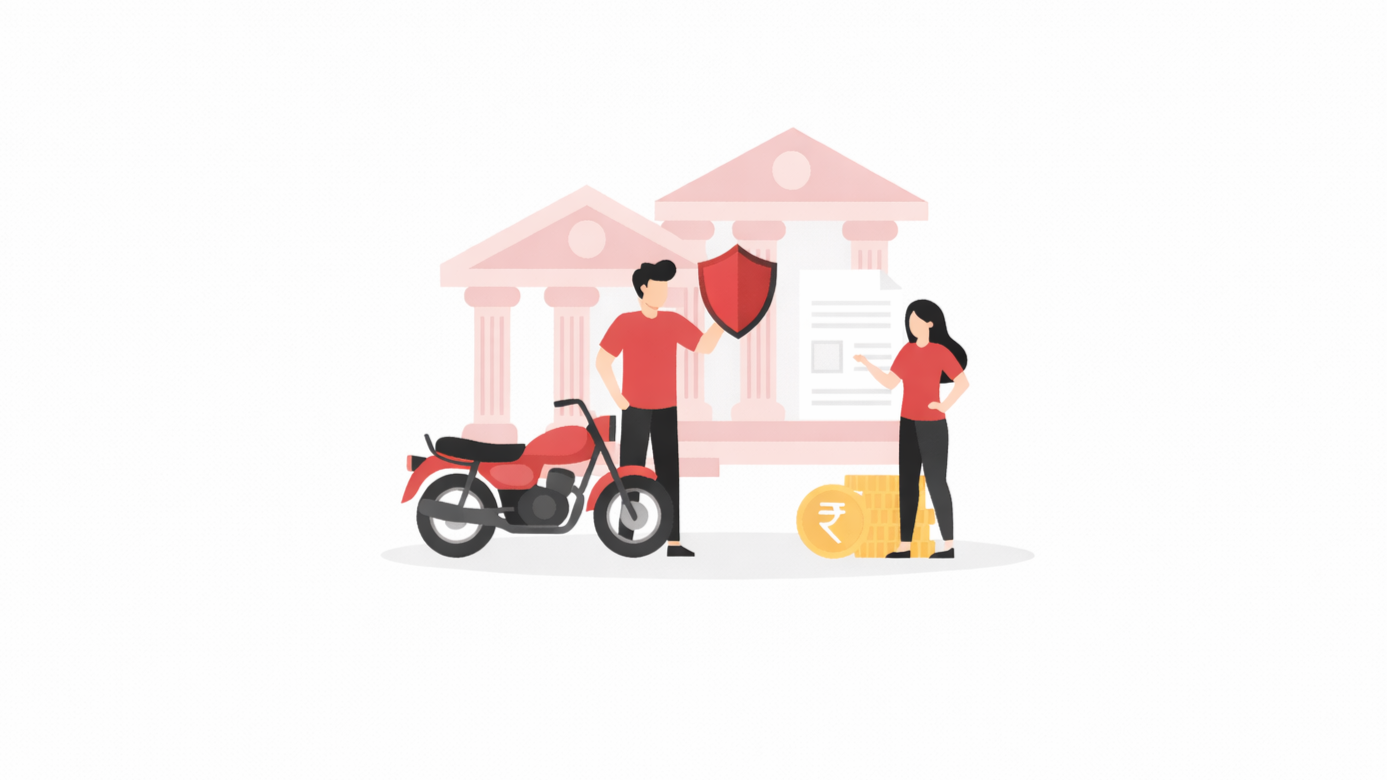
A clear and simple guide to first party, third party, and comprehensive bike insurance in India for 2026. Learn the differences, mandatory rules, premiums, and why comprehensive cover is often the best choice for riders aged 25–55.
Bike insurance can feel confusing at first, especially with terms like first party, second party, and third party. But once you understand them, choosing the right insurance policy bike becomes much easier. In India, as per the latest rules from the Insurance Regulatory and Development Authority of India (IRDAI) in 2026, every bike rider must have at least third-party coverage to ride legally on the roads. This protects others if you're at fault in an accident.
Let's break it down simply. These terms come from who is involved in a claim:
- First party refers to you, the bike owner and policyholder. Coverage for the first party means protection for your own bike (called own-damage or OD cover).
- Second party is usually the insurance company that issued your policy.
- Third party means anyone else involved—like another rider, pedestrian, or vehicle owner—who suffers loss or injury because of your bike.
In everyday talk for bike insurance, people mostly discuss first party bike insurance (own-damage cover for your bike) and third party two wheeler insurance (mandatory liability cover for others). Comprehensive plans combine both.
Comparison Table: Third-Party vs Own-Damage vs Comprehensive Bike Insurance (2026)
Here's a clear table to see the differences at a glance:
| Feature | Third-Party Two Wheeler Insurance | Own-Damage (First-Party) Cover | Comprehensive Bike Insurance |
|---|---|---|---|
| Mandatory? | Yes, by law (Motor Vehicles Act, 1988) | No, optional | No, but recommended |
| Covers Your Bike (Own-Damage) | No | Yes (accidents, theft, fire, natural calamities) | Yes |
| Covers Third-Party Liability | Yes (injury/death unlimited; property up to ₹1 lakh or more) | No | Yes |
| Personal Accident Cover for Owner | Usually included (compulsory ₹15 lakh minimum) | Optional add-on | Included or add-on |
| Premium Basis | Fixed by IRDAI based on engine cc | Based on bike's Insured Declared Value (IDV), age, model | Sum of third-party + own-damage, plus add-ons |
| Best For | Legal compliance, basic protection | If you already have third-party and want bike protection | Full peace of mind, especially for new or valuable bikes |
| Cost Example (approx.) | Lower (₹714–₹2,804 annual for most bikes) | Varies (often lower than third-party alone) | Higher but value for money |
Overview of Bike Insurance Types in 2026
In 2026, bike insurance remains simple yet important for daily riders aged 25 to 55. Whether you have a new scooter for city commutes or a bike for weekend rides, the right coverage saves money and stress.
- Third-party insurance is the basic, mandatory type. It covers damages or injuries you cause to others (third parties). It does not cover your own bike.
- Own-damage (first-party) insurance protects your bike from accidents, theft, fire, or natural events. You can buy this only if you have third-party cover.
- Comprehensive bike insurance is the full package. It includes third-party liability plus own-damage cover, often with extras like personal accident protection for the owner-driver.
A key update that continues in 2026: For any new bike, IRDAI rules (from the 2018 Supreme Court decision) require a 5-year third-party policy bundled at purchase. You can add own-damage for 1 year (renewable) or longer. This long-term third-party rule makes initial costs higher but avoids yearly renewals for liability.
Riding without valid third party insurance online can lead to fines up to ₹2,000 for the first offense (or even jail time in repeat cases), plus your bike may be seized. So, always stay covered.
What is First Party Bike Insurance?
First party refers to own-damage or own cover in bike insurance. Here, "you" (the bike owner and policyholder) are the first party. This part protects your own bike from damage. It covers repairs or replacement if your bike gets damaged in an accident (even if you are at fault), stolen, affected by fire, natural disasters like floods or earthquakes, or other covered events.
This is often called standalone own-damage cover. You can buy it separately if you already have third-party insurance. Many people add it to get full protection for their insurance for new bike or older ones. Premiums depend on your bike's Insured Declared Value (IDV), age, model, and add-ons. In 2026, with rising repair costs, this cover gives peace of mind, especially for expensive or frequently used bikes.
What is Second Party Bike Insurance?
Second party is less commonly used in everyday bike insurance talk. In simple terms, the second party is usually the insurance company providing the policy. The contract is between you (first party) and the insurer (second party). Claims are settled based on this agreement.
In most cases, people don't refer to "second party bike insurance" as a separate type. Instead, discussions focus on first-party (your own damage) and third-party (others' losses). Some guides mention it to explain the full chain: you, the insurer, and anyone else involved in an incident.
What is Third Party Insurance?
Third party is the most important and mandatory part. Here, third party means anyone other than you (the policyholder) and the insurer. This includes other road users, pedestrians, or property owners.
Third party two wheeler insurance covers your legal responsibility if your bike causes injury, death, or property damage to someone else. For example, if you accidentally hit another vehicle or a person, this policy pays for their medical bills, compensation, or repairs (up to set limits). In 2026, third-party injury or death claims have unlimited coverage, while property damage is capped at ₹7.5 lakh or higher in some cases, as per IRDAI updates.
This is the basic legal requirement. Driving without it can lead to fines, license issues, or even vehicle seizure. Premiums are fixed by IRDAI based on engine capacity (cc) and policy term. For new bikes, it's often bundled as a 5-year policy.
Third Party Two Wheeler Insurance Premiums (2026 Update)
Premiums for third party insurance online are regulated and remain stable with minor adjustments. For a 1-year policy (or pro-rated in long-term):
- Not exceeding 75 cc: Around ₹538–₹1,045 (varies by term)
- 75–150 cc: Around ₹714–₹861
- Above 150 cc: Higher, up to several thousand for larger engines
For new bikes, the 5-year third-party single premium is often around 2–3 times the annual rate, making it cost-effective over time. Online 2 wheeler insurance or online two wheeler insurance makes buying quick via apps or websites, with instant policy issuance.
Third Party vs Comprehensive Bike Insurance
Most riders choose between basic third-party or comprehensive bike insurance. Comprehensive combines third-party liability with own-damage (first-party) cover. It gives all-round protection, including your bike's repairs, theft, and liabilities to others. It often includes personal accident cover for the owner-driver.
Here's a quick comparison table for clarity:
| Aspect | Third Party Insurance | Comprehensive Bike Insurance |
|---|---|---|
| Mandatory? | Yes, by law | No, but recommended |
| Covers Your Bike Damage | No | Yes (accidents, theft, fire, natural calamities) |
| Covers Third-Party Liability | Yes (injury, death, property damage) | Yes, plus extras |
| Personal Accident Cover | Usually basic owner-driver | Included or enhanced |
| Premium Cost | Lower, fixed by IRDAI | Higher, based on IDV and factors |
| Best For | Legal compliance, budget riders | Full protection, new/expensive bikes |
Why Choose Comprehensive Bike Insurance?
For most people in the 25-55 age group, comprehensive bike insurance makes sense. It covers your bike repairs after an accident (even if you're at fault), theft (common in cities), or damage from floods/storms. Plus, it includes third-party liability so you're fully legal.
If your bike is new or expensive, go for insurance for new bike with comprehensive plan right away. You can buy online two wheeler insurance or online 2 wheeler insurance easily on insurer websites or apps—quick, paperless, and often with discounts for multi-year options or good riding record.
Add-ons like zero depreciation (covers full repair costs without wear/tear deduction) or roadside assistance are popular in 2026 for busy commuters.
Key Takeaways for 2026
- Third-party cover is must-have—don't ride without it to avoid heavy fines.
- First-party (own-damage) protects your investment in the bike.
- Comprehensive plans offer the best all-round protection in 2026.
- New bikes get mandatory 5-year third-party; renew own-damage yearly or longer.
- Buy third party insurance online or full policy for convenience and possible savings.
- Premiums for insurance of bike are fair, with NCB rewards for claim-free years (up to 50% discount).
- In 2026, focus on digital renewals and compare quotes to get the best deal on third party two wheeler insurance or full coverage.
1st, 2nd, and 3rd Party in Bike Insurance
No, it is mandatory for a vehicle owner to have third-party bike insurance in India. Riding a bike without third-party bike insurance may levy a heavy fine on the rider or may get the rider imprisoned for 6 months.
The premium of first-party bike insurance might vary from policy to policy, depending on the insurance company. Use a bike insurance calculator available online to calculate the premium amount to be paid for first-party bike insurance.
First-party bike insurance covers the insured against numerous unforeseen events or incidents such as fire, theft, accident, etc. Hence, it is called OD or own damage cover. On the other hand, third-party insurance covers the damages, injuries, or losses caused to third parties. It also covers the death of third parties by paying compensation to the family of the deceased.
The term 'first party' in bike insurance refers to the person who buys the insurance policy or owns the vehicle.
Yes, as per law, you can ride your bike if you have a third-party insurance policy. In fact, riding a vehicle without this policy can lead you to trouble.
Yes, if you want to comply with motor vehicle laws, having a third-party insurance policy is enough for you.

Author Bio
Paybima Team
Paybima is an Indian insurance aggregator on a mission to make insurance simple for people. Paybima is the Digital arm of the already established and trusted Mahindra Insurance Brokers Ltd., a reputed name in the insurance broking industry with 21 years of experience. Paybima promises you the easy-to-access online platform to buy insurance policies, and also extend their unrelented assistance with all your policy related queries and services.


Other Motor Insurance Products


Latest Post
You're sitting with your CA on July 28, ready to file your IT return. Your CA asks, "Do you have all investment receipts?" You scramble through documents, realizing some proof is missing. This panic is avoidable.

Buying bike insurance online used to seem complicated. But today, purchasing coverage for your two-wheeler is simpler than ever. The challenge now isn't availability—it's choosing the right bike insurance from dozens of options.
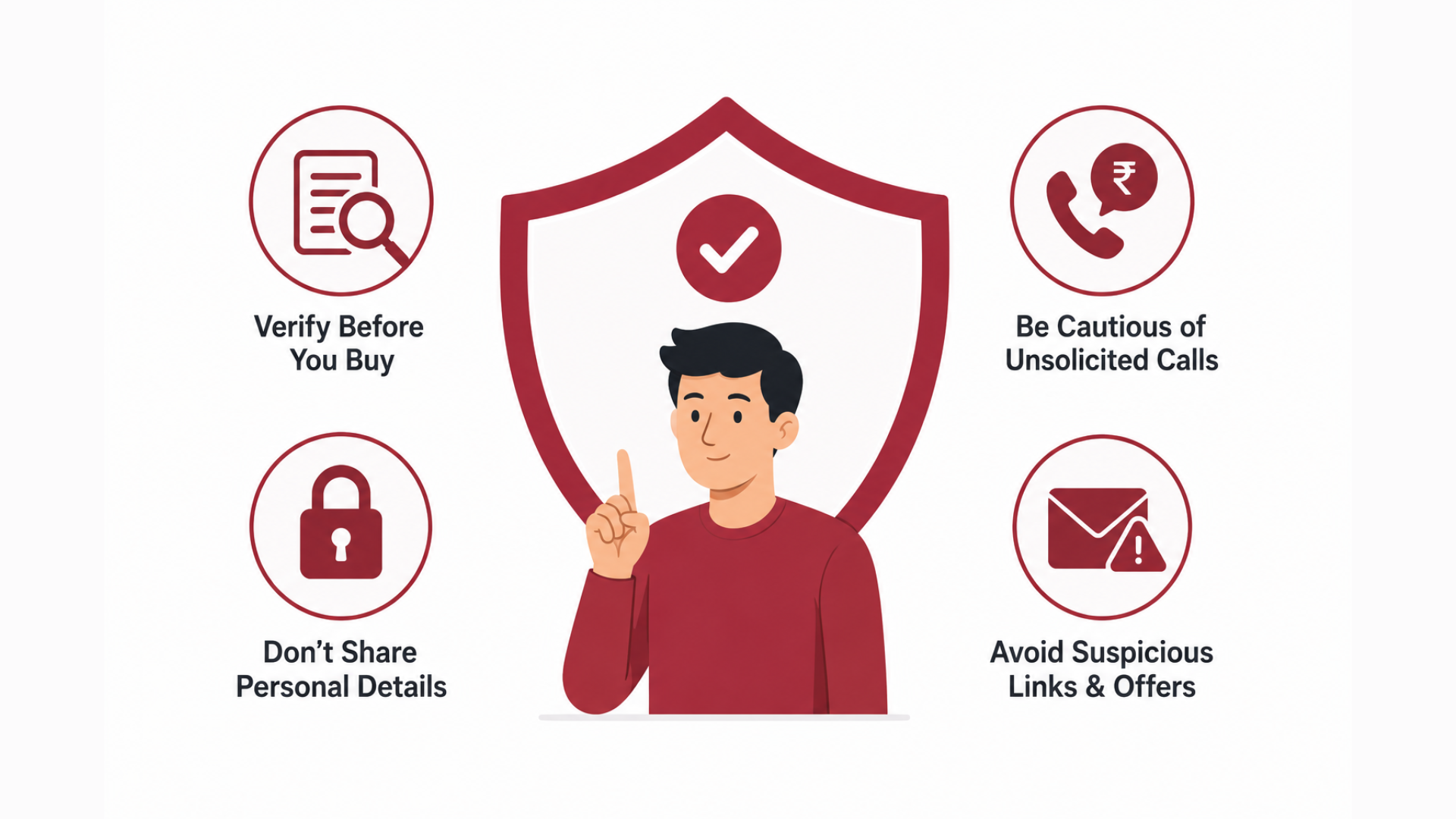
Insurance is an important financial safety net that protects individuals and families against unexpected medical expenses, accidents, loss of income, and other financial risks.
.png)
It's June. The monsoons are here. Suddenly, you develop high fever, body aches, and headache. Your doctor suspects dengue. Your first concern after "Will I be okay?" is "How much will this cost?" This is a question millions of Indians face annually, especially during monsoon and post-monsoon seasons when dengue cases spike.
You've just purchased your dream car. You maintain it religiously—regular washing, polishing, timely servicing.


Speak to our Advisor
+91

By clicking the button, I authorize Paybima advisor to contact me via SMS, Email, Phone, WhatsApp or any other modes overriding my 'DND'.T&C Apply.