


Related Articles


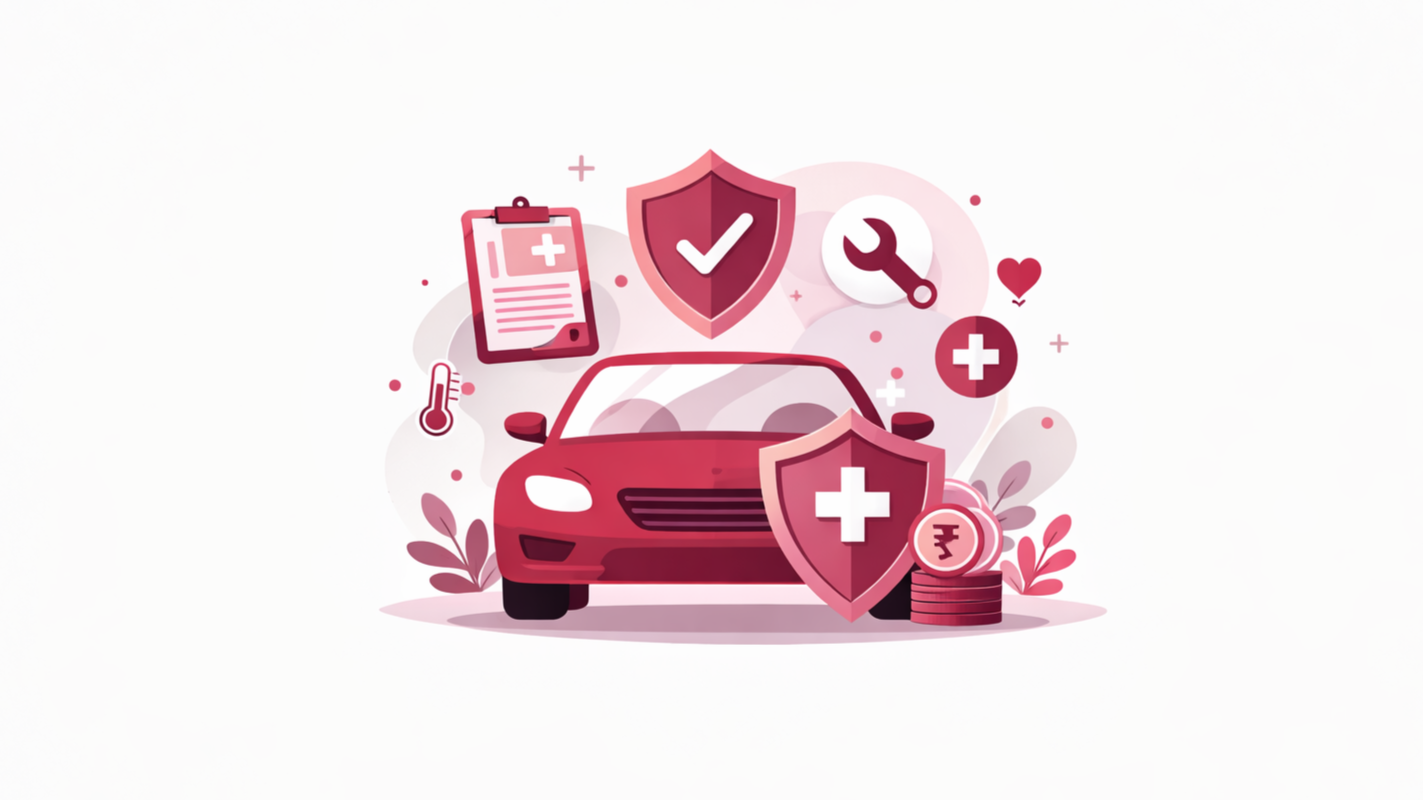
A complete 2026 guide to private car insurance in India – from mandatory third-party to comprehensive plans, add-ons, premiums, and IRDAI updates. Simple tips for 25-55 year olds to choose the right motor insurance.
Owning a car in India comes with many joys, but also responsibilities. One key responsibility is having a valid car insurance policy. It protects you financially from accidents, theft, or damage. In 2026, rules from the Insurance Regulatory and Development Authority of India (IRDAI) make insurance clearer and more buyer-friendly. Whether you drive a small hatchback for daily commutes or an SUV for family trips, understanding your options helps you choose wisely.
Here is a simple comparison table for quick understanding:
| Coverage Type | What It Covers | Mandatory? | Average Annual Cost (2026, approx.) | Best For |
|---|---|---|---|---|
| Third-Party Only | Damage/injury to others, property | Yes | ₹2,000 – ₹8,000 (based on engine cc) | Budget buyers, old cars |
| Comprehensive | Third-party + own car damage, theft, fire | No | ₹10,000 – ₹25,000 (mid-range cars) | New or valuable cars |
| Standalone Own-Damage (OD) | Only own car damage (add to long-term TP) | No | Varies by car value | With 3-year TP policy |
Private car insurance, also called motor insurance or four wheeler insurance, covers personal vehicles not used for business. It differs from commercial vehicle insurance, which is for taxis, trucks, or delivery vans. Private policies focus on everyday use.
Road accidents remain common in India. Without insurance, you could face huge repair bills or legal costs. Third-party cover is required under the Motor Vehicles Act. Driving without it can lead to fines or vehicle seizure. Comprehensive plans give peace of mind, especially with rising repair costs.
Many people now buy car insurance online. It is quick, easy, and often cheaper with direct comparisons.
IRDAI keeps updating rules for better protection. As of 2026:
Recent changes allow 100% foreign ownership in insurance companies, which may bring more options and competition.
IRDAI sets these rates based on engine capacity (or battery for EVs). Here is the latest breakdown for private cars (1-year policy):
| Engine Capacity | 1-Year Premium (₹) | 3-Year Premium (₹) |
|---|---|---|
| Not exceeding 1000 cc | 2,094 | 6,521 |
| 1000 cc – 1500 cc | 3,416 | Around 10,000+ |
| Exceeding 1500 cc | 7,899 | Higher |
| Electric (<30 kWh) | Around 1,780 | Varies |
Note: These are base rates; actual may vary slightly with add-ons or discounts.
Add-ons make your policy stronger. Popular ones in 2026:
These add small costs but save big during claims.
Your premium depends on:
Buying car insurance online has become the easiest and smartest way in 2026. You can compare quotes from multiple insurers (like HDFC Ergo, ICICI Lombard, Bajaj Allianz, etc.) on aggregator sites or directly on company apps/websites in just 5–10 minutes. No need to visit agents or offices — upload your RC, previous policy, Aadhaar, and driving licence digitally.
Benefits include:
It's convenient for busy professionals aged 25–55 who juggle work and family. Just ensure the site is IRDAI-approved to avoid fake portals
No Claim Bonus (NCB) is a reward discount on your own-damage premium if you don't make any claims in a policy year. It builds up year after year and can go as high as 50%, making your renewal much cheaper.
Here’s how it works in 2026 (standard IRDAI structure):
| Claim-Free Years | NCB Discount on Own-Damage Premium |
|---|---|
| 1 year | 20% |
| 2 years | 25% |
| 3 years | 35% |
| 4 years | 45% |
| 5+ years | 50% (maximum) |
For example, if your own-damage premium is ₹15,000, after 5 claim-free years, you pay only ₹7,500 for that part next year — a big saving! If you make a small claim, you may lose only part of the NCB (some insurers protect it with NCB Protector add-on). But major claims can reduce or reset it.
NCB transfers to a new car or new insurer if you switch. Renew on time (no break) to keep it. For safe drivers in the 25–55 group, this is one of the best long-term ways to lower costs while staying protected.
These features help make your motor insurance or four wheeler insurance more affordable and effective over the years. If you drive carefully and pick the right add-ons, you get strong coverage without overpaying.
Yes, it is 100% mandatory under the Motor Vehicles Act. You cannot drive legally without it. It covers injuries, death, or property damage you cause to others (third parties). Driving without it can lead to fines up to ₹2,000–₹4,000, vehicle seizure, or even jail in serious cases. In 2026, IRDAI reports show over 50% of vehicles still lack this cover due to low awareness, but it's a basic legal need.
No, it's not compulsory. Only third-party is required by law. But in 2026, with higher repair costs, traffic, and theft risks in places like Maharashtra, comprehensive is a smart choice for peace of mind.
Yes! For new cars (bought after recent rules), third-party is long-term (3 years mandatory), but own-damage (OD) can be renewed yearly as standalone OD or part of comprehensive. This saves money if you want full protection without renewing the whole policy every year.

Paybima Team
Paybima is an Indian insurance aggregator on a mission to make insurance simple for people. Paybima is the Digital arm of the already established and trusted Mahindra Insurance Brokers Ltd., a reputed name in the insurance broking industry with 21 years of experience. Paybima promises you the easy-to-access online platform to buy insurance policies, and also extend their unrelented assistance with all your policy related queries and services.

Recent scientific breakthroughs have reignited a fascinating and controversial question: Can parents one day choose specific traits for their babies, such as intelligence, height, athletic ability, or disease resistance?


Discover why Mumbai is bucking the national trend with rising HIV deaths in 2026, even as Maharashtra and India report a significant decline. This easy-to-understand guide covers the latest NACO statistics, key reasons behind Mumbai’s challenge, and practical prevention steps for working professionals aged 25 to 55.
Looking for a reliable and affordable scooter in 2026? This guide covers the top 8 scooty under 1 lakh with real prices, mileage details, and why proper bike insurance matters.
Explore everything about the All-India National Permit in 2026. This detailed guide helps truck owners, fleet operators, and transporters understand fees, types, application steps, government rules, and tips to stay compliant while saving time and money on interstate logistics.
Driving on the wrong side of the road is dangerous as it causes the risk of accidents. India’s road traffic rules strictly prohibit people from driving their bikes on the wrong side of the road. However, many bikers continue doing the same. Hence, to avoid accidents on the road due to wrong-side driving, the government has imposed strict action against defaulters.

By clicking the button, I authorize Paybima advisor to contact me via SMS, Email, Phone, WhatsApp or any other modes overriding my 'DND'.T&C Apply.
By clicking the button, I authorize Paybima advisor to contact me via SMS, Email, Phone, WhatsApp or any other modes overriding my 'DND'.T&C Apply.

 Car Insurance
