


Related Articles
.png)
 Jan 08, 2025
Is Varicose Vein surgery covered under the health insurance policy in India
 Health Insurance
.png)

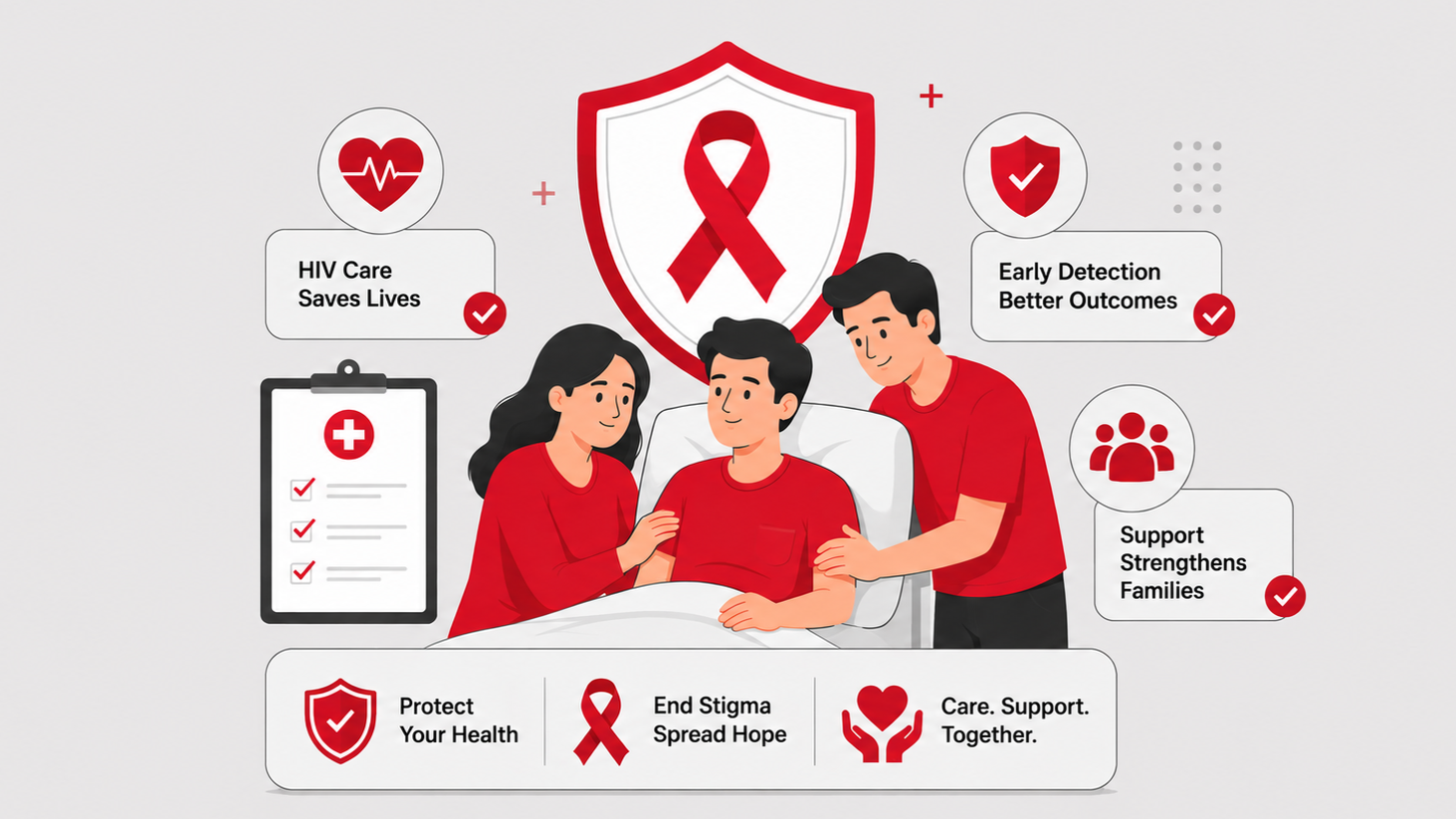
Discover why Mumbai is bucking the national trend with rising HIV deaths in 2026, even as Maharashtra and India report a significant decline. This easy-to-understand guide covers the latest NACO statistics, key reasons behind Mumbai’s challenge, and practical prevention steps for working professionals aged 25 to 55.
In 2026, India continues to make good progress in fighting HIV/AIDS. Nationally, AIDS-related deaths and new infections are going down thanks to better testing, treatment, and awareness. However, Mumbai is bucking this positive trend. While the rest of Maharashtra and the country see fewer HIV-related deaths, Mumbai's numbers remain high or have even increased slightly.
This comprehensive yet easy-to-understand article explains what is happening, why it matters for people aged 25-55, and simple steps you can take to protect your health — including choosing the right medical insurance policy.
Public health trends often catch us by surprise. In 2026, the discussion around Human Immunodeficiency Virus (HIV) in Mumbai has taken a critical turn. While India has made massive leaps in dropping national infection rates, regional data shows a complex picture. For anyone managing a household, building a career, or caring for aging parents, these statistics highlight something we often ignore: our healthcare safety net.
Here is a clean, easy-to-understand table summarizing the latest available NACO data trends for HIV/AIDS-related deaths among people living with HIV (PLHIV) registered at ART centres:
| Year | Mumbai Deaths | Maharashtra Deaths (excluding Mumbai) | National Deaths (India) |
|---|---|---|---|
| 2021-22 | 1,245 | 8,789 | - |
| 2022-23 | 958 | 8,296 | - |
| 2023-24 | 986 | 7,256 | - |
| 2024-25 | 1,148 | 6,712 | 55,519 |
| 2025-26 | 1,258 | 5,568 | 47,489 |
Mumbai: 1,258 deaths — shows a slight 9.5% rise compared to the previous year and remains largely unchanged over the past few years (bucking the downward trend).
Maharashtra State (excluding Mumbai): Sharp decline to 5,568 deaths — significant improvement.
National Level (India): Continued decline to 47,489 deaths, reflecting strong overall progress in testing, treatment, and awareness.
Global Context (UNAIDS 2025 estimates): Around 570,000 AIDS-related deaths worldwide in 2025, continuing a long-term downward trend.
For decades, an HIV diagnosis was viewed as an automatic death sentence. Today, medical science has turned it into a manageable chronic condition, much like diabetes. However, recent data from the National AIDS Control Organisation (NACO) and the Mumbai District AIDS Control Society (MDACS) shows a unique scenario in 2026.
The biggest victory this year is the massive reduction in "lost to follow-up" cases—patients who stop taking their free Antiretroviral Therapy (ART) medicines. In Mumbai and across Maharashtra, dropouts crashed by 57%, moving from 1,450 down to 611 cases.
Despite this win, health activists note that actual deaths can fluctuate when historical data updates filter in. Many patients from neighboring districts migrate to Mumbai for its excellent medical infrastructure but struggle with the high cost of living, which occasionally impacts their treatment consistency.
|
Metric / Parameter |
Latest 2025–2026 Data Status |
Trend Analysis |
|
Mumbai Treatment Dropouts |
611 cases (Down from 1,450) |
57% Improvement |
|
National Treatment Dropouts |
9,200 cases (Down from 20,312) |
Significant reduction nationwide |
|
Mumbai Total Registered PLHIV |
Approximately 40,000 |
Massive scale of public health management |
|
Long-Term Mortality Trend |
Decreased from 1,210 (2021-22) to 974 (2024-25) |
Moving downward, but local updates ongoing |
Several practical reasons explain this:
High Migration: Many workers come to Mumbai for jobs and move between places, leading to missed treatments.
Stigma and Mental Health: Fear of judgment stops people from getting tested or continuing care.
Busy Work Life: Long hours make clinic visits difficult.
Treatment Gaps: Interruptions in antiretroviral therapy (ART) increase risks.
Late Diagnosis: Advanced HIV cases are still common in some groups.
Experts call for better use of technology like apps for reminders and community support to improve care.
Early testing and consistent treatment save lives.
Mumbai needs tailored solutions for its fast-paced, migrant-heavy population.
National progress shows ending AIDS as a public threat by 2030 is possible with focused efforts.
Personal protection (testing + insurance) is crucial even if overall trends improve.
Get tested regularly — it's free at government centres.
If positive, start ART immediately and stay on it.
Practice safe sex and avoid sharing needles.
Support awareness to reduce stigma.
For those 25-55 working in high-pressure jobs, regular health check-ups matter.
The Insurance Regulatory and Development Authority of India (IRDAI) introduced several policyholder-friendly updates in 2025–2026. These changes make health insurance more accessible, transparent, and beneficial — especially for people aged 25–55 and senior citizens. The updates focus on inclusivity, faster coverage for pre-existing conditions, and better protection during medical emergencies, including those related to chronic illnesses like HIV complications.
Here’s a clear summary of the most important updates:
| Update | Previous Rule | New Rule (2026) | Benefit for You |
|---|---|---|---|
| Entry Age Limit | Maximum entry age usually 65 years | No upper age limit – Insurers must offer at least one policy to everyone | Seniors and late buyers can now easily purchase health insurance for senior citizens |
| Waiting Period for Pre-Existing Diseases (PED) | Up to 4 years | Reduced to maximum 3 years | Faster coverage for diabetes, hypertension, heart issues, etc. |
| Moratorium Period | Varies (often longer) | Capped at 5 years | After 5 years of continuous policy, insurers cannot deny claims on most grounds |
| Premium Hikes for Seniors | No strict cap | Maximum 10% annual increase on renewal for those aged 60+ | Protects senior citizens from sudden high premium jumps |
| Policy Structure | Mostly indemnity (reimbursement) | Encourages benefit-based policies (lump-sum payout on diagnosis) | Simpler claims, especially useful with critical illness health insurance |
| Other Improvements | Limited | Better coverage for AYUSH (Ayurveda, etc.), telemedicine, and inclusive products for all ages | More options in individual health insurance and family health insurance |
Easier Access for Families & Seniors: With no age barrier and shorter waiting periods, buying or renewing a medical insurance policy is simpler. This is especially helpful for working professionals (25–55) who want to secure coverage for themselves, spouse, children, and aging parents.
Better Financial Protection: Critical illness health insurance and super top-up health insurance plans now become more effective because of quicker PED coverage and benefit-based options. A lump-sum payout can help cover high-cost treatments without submitting piles of bills.
Claim Settlement Focus: Always check the claim settlement ratio before buying. In recent IRDAI data, top insurers are maintaining 95%–99%+ CSR, making claims smoother and faster.
Public health data reminds us that medical emergencies do not send an advance warning. A single major hospitalization can wipe out a family's lifetime savings. Whether you are looking out for yourself or safeguarding your dependents, navigating the insurance world is a necessity.
Individual Health Insurance: Perfect for young professionals (aged 25–35) who want personalized coverage tailored specifically to their medical history.
Family Health Insurance: A cost-effective way to protect your spouse, children, and yourself under a single floating sum insured.
As our parents grow older, their medical needs change drastically. Investing in a dedicated plan of health insurance for senior citizen needs ensures that the elderly have access to quality healthcare without being a financial burden on the family. These plans are designed to handle age-related illnesses, regular health screenings, and pre-existing conditions.
A standard policy might not cover prolonged treatment costs for severe conditions like cancer, kidney failure, or advanced cardiovascular diseases.
Critical Illness Health Insurance: This acts as a lump-sum payout policy upon diagnosis of a covered severe illness, helping you cover lost income and specialized treatment costs.
Super Top Health Insurance: Think of this as an extra step-ladder for your insurance. If your primary health policy limit is exhausted due to a massive hospital bill, the super top-up plan kicks in to cover the remaining balance, keeping your out-of-pocket expenses at zero.
When you choose a plan, do not just look at the premium price. Keep these two vital factors in mind:
The claim settlement ratio tells you the percentage of claims an insurance company has successfully paid out out of the total claims received. Always look for insurers with a CSR above 95%. It gives you peace of mind that the company will stand by you when you file a claim.
Always check the health insurance renewal terms. IRDAI (Insurance Regulatory and Development Authority of India) rules demand that insurance companies offer lifelong renewability. Regular, timely renewals also help you accumulate a "No Claim Bonus," which increases your total coverage amount for free during years you don't fall ill.
It refers to patients living with HIV who have stopped visiting clinics or collecting their free life-saving antiretroviral medicines for a continuous period of three to six months.
Local health authorities (like MDACS) launched extensive counseling programs, tracking systems, and localized workshops to teach patients the vital importance of continuing their treatment without breaks.
Migration, stigma, and treatment gaps in the city’s busy environment are key factors, unlike broader state/national improvements.
Around 1,258 deaths in 2025-26 among registered PLHIV, showing little decline over years.
Regular testing, safe practices, and consistent treatment if needed. Pair with a solid family health insurance plan.
Many plans cover hospitalizations and related illnesses; critical illness riders help with lump-sum payouts.
Look for plans with high claim settlement ratio, comprehensive coverage, and low waiting periods.
Yes, it provides extra coverage above a deductible at affordable premiums.
Yes — IRDAI supports easier access with no age caps and better pre-existing disease coverage.
Very — aim for 95%+ to ensure smooth payouts during emergencies.
Before expiry to maintain continuous coverage and avoid new waiting periods.
Free ART and testing via MDACS and NACO centres, but insurance adds financial protection for advanced care.
Young and healthy? Find out which of these plans rewards you with lower premiums. Click here to check now!

Paybima Team
Paybima is an Indian insurance aggregator on a mission to make insurance simple for people. Paybima is the Digital arm of the already established and trusted Mahindra Insurance Brokers Ltd., a reputed name in the insurance broking industry with 21 years of experience. Paybima promises you the easy-to-access online platform to buy insurance policies, and also extend their unrelented assistance with all your policy related queries and services.

 Jan 08, 2025
Health Insurance
Jan 08, 2025
Health Insurance
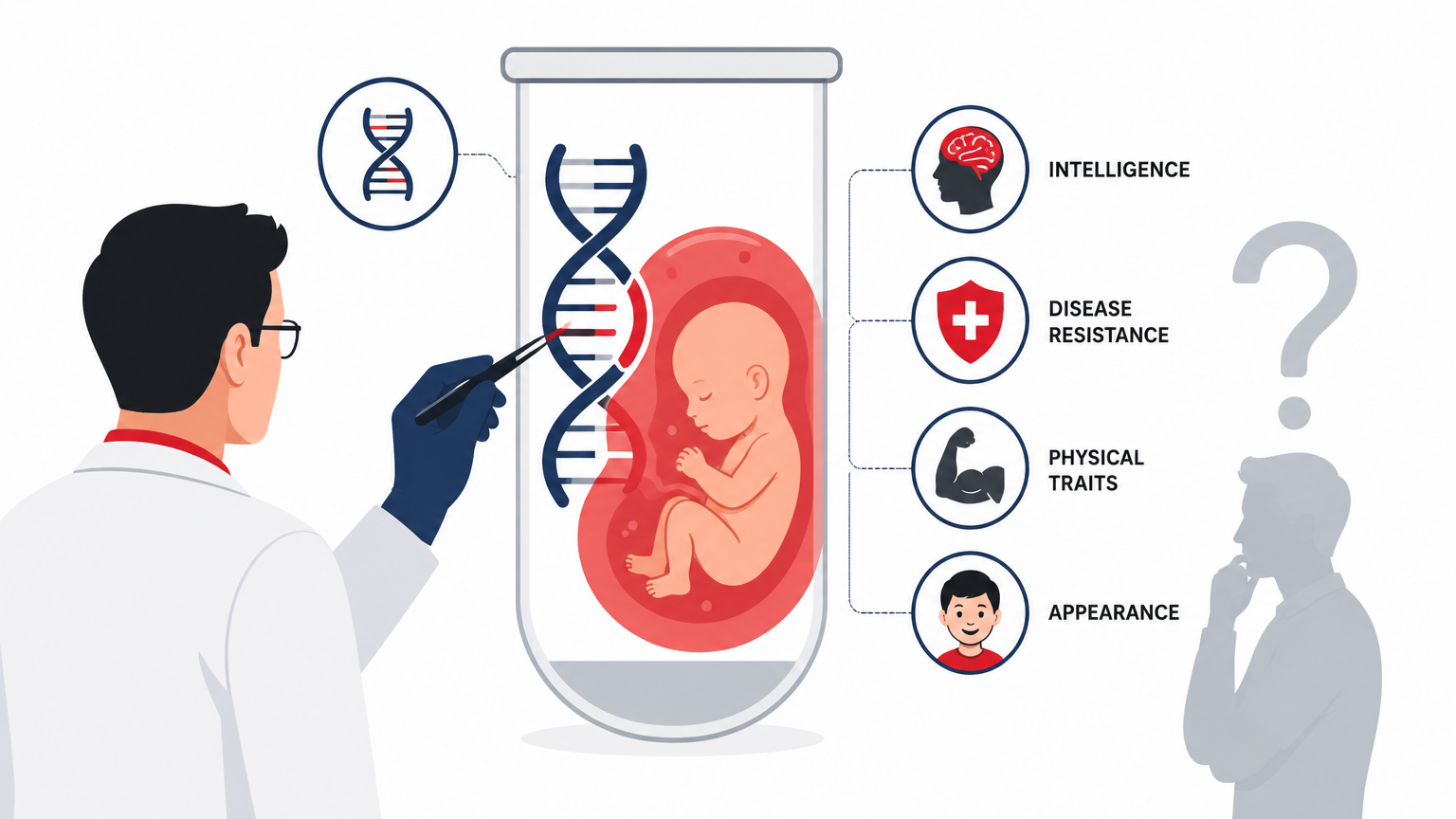
Recent scientific breakthroughs have reignited a fascinating and controversial question: Can parents one day choose specific traits for their babies, such as intelligence, height, athletic ability, or disease resistance?

Discover why Mumbai is bucking the national trend with rising HIV deaths in 2026, even as Maharashtra and India report a significant decline. This easy-to-understand guide covers the latest NACO statistics, key reasons behind Mumbai’s challenge, and practical prevention steps for working professionals aged 25 to 55.
Looking for a reliable and affordable scooter in 2026? This guide covers the top 8 scooty under 1 lakh with real prices, mileage details, and why proper bike insurance matters.

Explore everything about the All-India National Permit in 2026. This detailed guide helps truck owners, fleet operators, and transporters understand fees, types, application steps, government rules, and tips to stay compliant while saving time and money on interstate logistics.
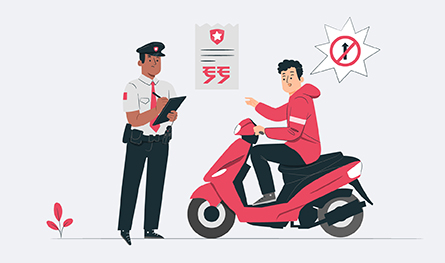
Driving on the wrong side of the road is dangerous as it causes the risk of accidents. India’s road traffic rules strictly prohibit people from driving their bikes on the wrong side of the road. However, many bikers continue doing the same. Hence, to avoid accidents on the road due to wrong-side driving, the government has imposed strict action against defaulters.

By clicking the button, I authorize Paybima advisor to contact me via SMS, Email, Phone, WhatsApp or any other modes overriding my 'DND'.T&C Apply.
By clicking the button, I authorize Paybima advisor to contact me via SMS, Email, Phone, WhatsApp or any other modes overriding my 'DND'.T&C Apply.

