


Related Articles
.png)
 Jan 08, 2025
Is Varicose Vein surgery covered under the health insurance policy in India
 Health Insurance
.png)

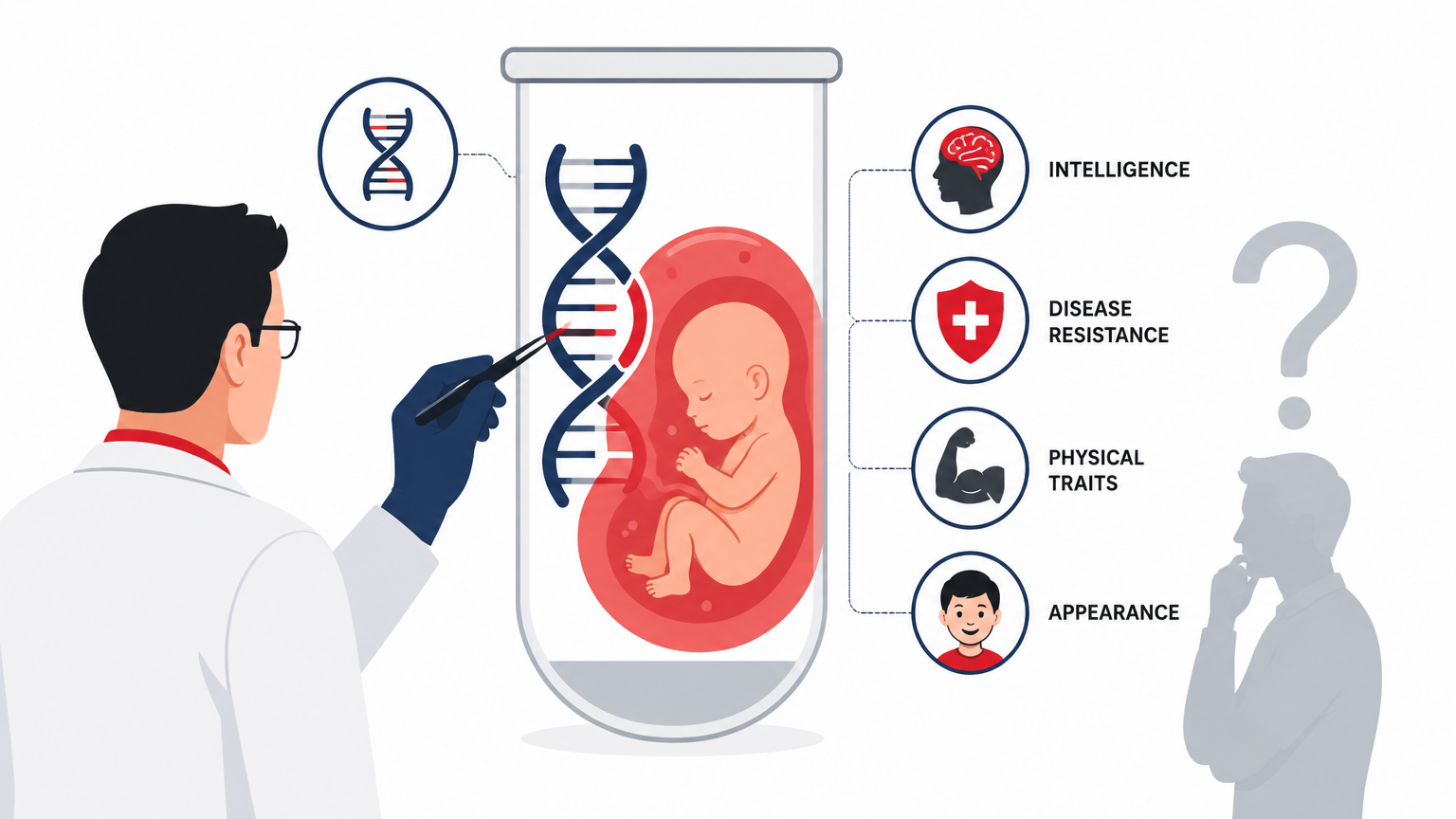
Recent scientific breakthroughs have reignited a fascinating and controversial question: Can parents one day choose specific traits for their babies, such as intelligence, height, athletic ability, or disease resistance?
The discussion gained momentum after scientists reported highly precise gene editing in human embryos, a development that many experts say brings humanity one step closer to the possibility of "designer babies."
While the technology is still far from being used in routine pregnancies, the latest research has triggered debates among scientists, ethicists, policymakers, and parents worldwide. The implications extend beyond medicine into ethics, society, economics, and even future healthcare planning.
As healthcare technologies evolve, families are increasingly focusing not only on advanced medical care but also on financial protection through health insurance, Maternity Insurance, Super Top Up Plans, and timely Health Insurance Renewal to prepare for unexpected medical needs.
Scientists have successfully edited genes in human embryos with unprecedented precision.
The technology could potentially help prevent inherited genetic diseases in future generations.
Experts warn that the same technology could eventually be used to select desirable traits, creating so-called "designer babies."
Significant scientific, ethical, and legal challenges remain before such technology becomes clinically available.
Most countries currently prohibit the use of genetically edited embryos for reproduction.
The debate raises important questions about equality, healthcare access, and the future of human genetics.
A "designer baby" refers to a child whose genetic characteristics are deliberately selected or modified before birth.
The idea typically falls into two categories:
Genetic editing could potentially remove genes responsible for serious inherited diseases such as:
Cystic fibrosis
Huntington's disease
Sickle cell disease
Certain inherited heart disorders
This is where the controversy begins. Future applications could theoretically involve selecting traits such as:
Height
Eye color
Hair color
Physical strength
Intelligence
Athletic ability
Currently, scientists stress that trait enhancement remains largely theoretical because most human characteristics depend on thousands of genes interacting with environmental factors.
Recent research by scientists at Columbia University demonstrated a highly precise form of gene editing known as base editing in early-stage human embryos. Unlike older CRISPR methods, base editing allows scientists to modify individual DNA letters with greater precision and fewer unwanted genetic changes.
This achievement has been described by some experts as one of the most significant advancements in embryo genetics in recent years.
However, researchers themselves caution that the technology is not ready for clinical use and still carries risks.
Gene editing is a scientific technique used to alter DNA sequences within living cells.
Think of DNA as the instruction manual of the human body. If a spelling mistake exists in that manual, gene editing attempts to correct it.
The latest research uses "base editing," which is considered more precise than traditional CRISPR methods.
The primary goal is not creating perfect babies.
Instead, researchers are trying to prevent devastating inherited diseases that can affect children throughout their lives.
Elimination of hereditary disorders
Reduction in lifelong medical complications
Improved quality of life
Lower healthcare costs over generations
For families carrying severe genetic disorders, such technology could provide options beyond traditional IVF screening.
The short answer is: Not very close, but closer than before.
Although recent breakthroughs represent significant progress, several major obstacles remain.
Researchers found that many edited embryos still contained a mixture of edited and unedited cells, known as mosaicism.
This means the changes were not consistently applied across all cells.
Scientists still do not fully understand all long-term effects of editing embryonic DNA.
Unexpected mutations could create new health risks.
Many experts question whether humans should modify future generations' genetic makeup at all.
This balance between medical benefits and ethical concerns is at the center of the global debate.
Most countries have strict regulations governing human embryo research.
The infamous case of gene-edited babies announced in China in 2018 led many countries to strengthen oversight mechanisms.
Today, most scientists agree that clinical use should not proceed until safety and ethical concerns are resolved.
For most families, designer babies remain a distant possibility rather than an immediate reality.
Current reproductive technologies still focus on:
IVF treatments
Genetic screening
Prenatal testing
High-risk pregnancy management
This is why expecting parents continue to prioritize practical healthcare protections such as Maternity Insurance and comprehensive health insurance plans.
Medical advances can improve treatment options, but financial preparedness remains equally important.
As reproductive medicine becomes increasingly sophisticated, treatment costs may also rise.
Families often consider:
A good health insurance policy helps cover hospitalization and treatment expenses.
Maternity Insurance can provide coverage for pregnancy-related medical costs, delivery expenses, and newborn care.
Super Top Up Plans offer additional coverage when healthcare expenses exceed the base policy limit.
Maintaining continuous coverage through timely Health Insurance Renewal is essential for preserving benefits and reducing waiting period complications.
The technology raises difficult questions that go beyond science.
If technology becomes safe enough, should parents have the right to select characteristics?
If genetic enhancements become expensive, only wealthy families might benefit.
Most people support disease prevention, but opinions differ sharply when it comes to enhancing intelligence or physical appearance.
These questions will likely shape public policy for decades.
A designer baby is a child whose genetic traits are selected or modified before birth using advanced reproductive technologies.
No. Current technology remains experimental and is not approved for routine human reproduction.
Base editing is a newer form of gene editing that allows precise changes to individual DNA letters with fewer unintended effects.
It raises concerns about ethics, safety, inequality, and the possibility of selecting non-medical traits.
Potentially yes. Scientists hope future applications could eliminate certain genetic disorders before birth.
Young and healthy? Find out which of these plans rewards you with lower premiums. Click here to check now!

Paybima Team
Paybima is an Indian insurance aggregator on a mission to make insurance simple for people. Paybima is the Digital arm of the already established and trusted Mahindra Insurance Brokers Ltd., a reputed name in the insurance broking industry with 21 years of experience. Paybima promises you the easy-to-access online platform to buy insurance policies, and also extend their unrelented assistance with all your policy related queries and services.

 Jan 08, 2025
Health Insurance
Jan 08, 2025
Health Insurance
Recent scientific breakthroughs have reignited a fascinating and controversial question: Can parents one day choose specific traits for their babies, such as intelligence, height, athletic ability, or disease resistance?

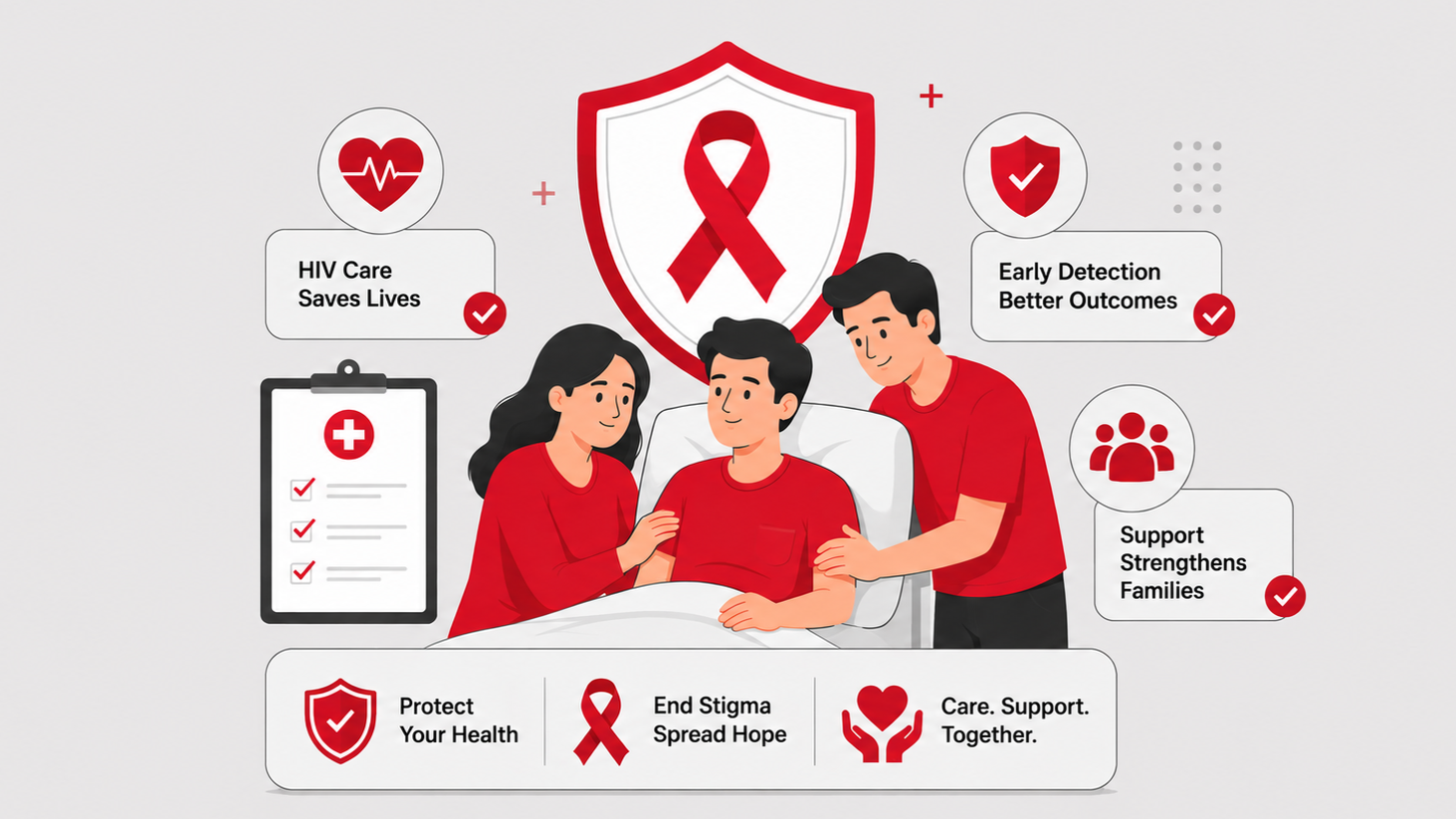
Discover why Mumbai is bucking the national trend with rising HIV deaths in 2026, even as Maharashtra and India report a significant decline. This easy-to-understand guide covers the latest NACO statistics, key reasons behind Mumbai’s challenge, and practical prevention steps for working professionals aged 25 to 55.
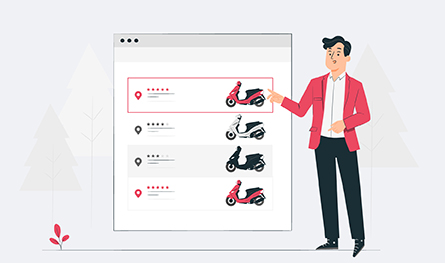
Looking for a reliable and affordable scooter in 2026? This guide covers the top 8 scooty under 1 lakh with real prices, mileage details, and why proper bike insurance matters.

Explore everything about the All-India National Permit in 2026. This detailed guide helps truck owners, fleet operators, and transporters understand fees, types, application steps, government rules, and tips to stay compliant while saving time and money on interstate logistics.
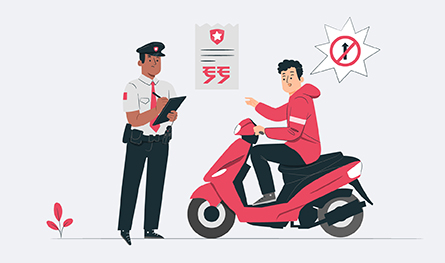
Driving on the wrong side of the road is dangerous as it causes the risk of accidents. India’s road traffic rules strictly prohibit people from driving their bikes on the wrong side of the road. However, many bikers continue doing the same. Hence, to avoid accidents on the road due to wrong-side driving, the government has imposed strict action against defaulters.

By clicking the button, I authorize Paybima advisor to contact me via SMS, Email, Phone, WhatsApp or any other modes overriding my 'DND'.T&C Apply.
By clicking the button, I authorize Paybima advisor to contact me via SMS, Email, Phone, WhatsApp or any other modes overriding my 'DND'.T&C Apply.

