


Related Articles
.png)
 Jan 08, 2025
Is Varicose Vein surgery covered under the health insurance policy in India
 Health Insurance
.png)

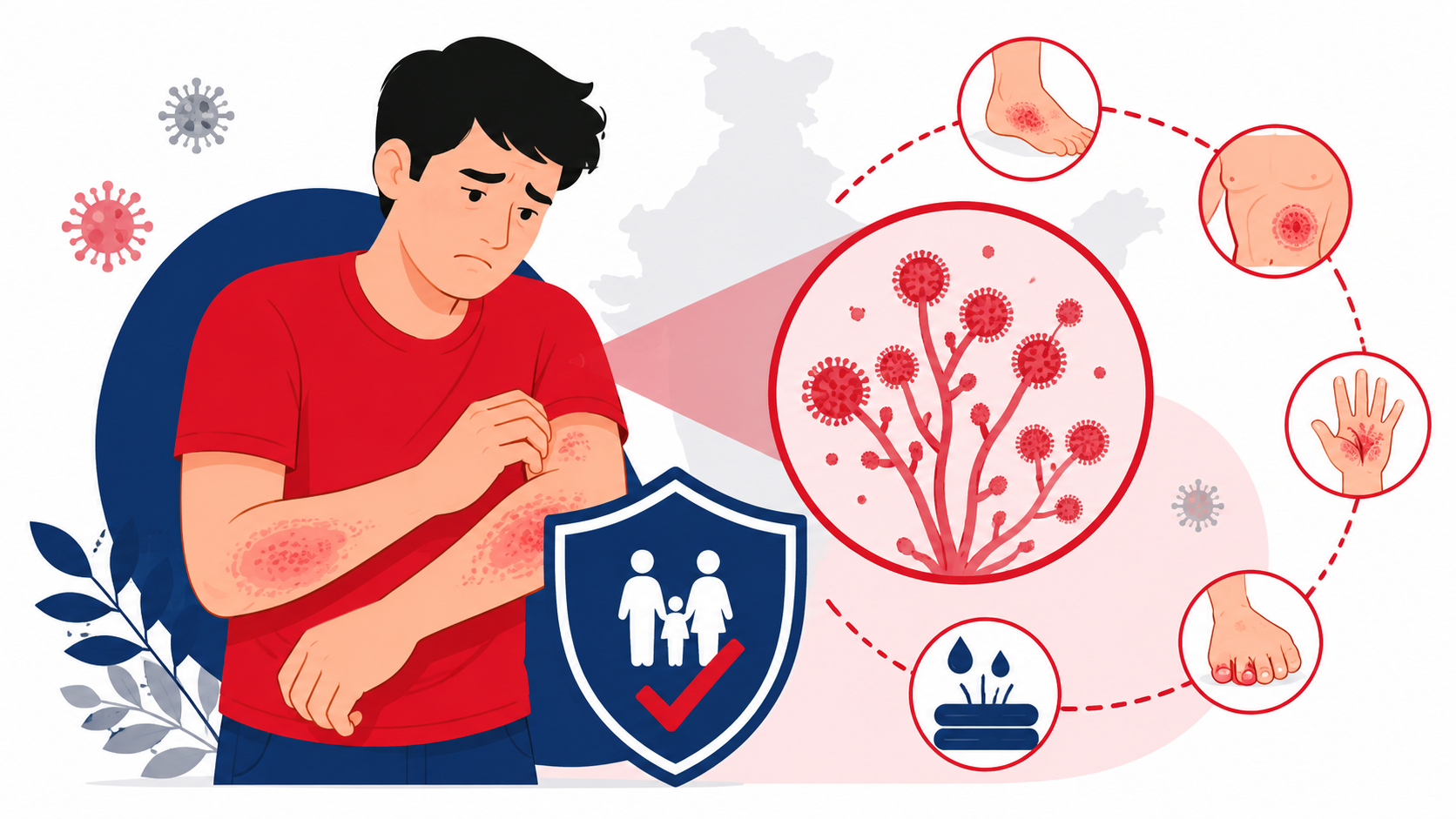
In recent years, dermatologists across India have reported a sharp rise in fungal infection cases affecting the skin, scalp, and nails. What was once considered a minor skin condition has now become a persistent public health concern.
Many patients experience recurring infections that spread among family members and are difficult to treat.
This rise is often linked to dermatophytosis, a type of fungal infection caused by fungi that grow on keratin found in skin, hair, and nails. These fungi thrive in warm and humid conditions, making tropical countries like India especially vulnerable. Poor hygiene practices, overcrowded living conditions, and sharing personal items such as towels and clothing can accelerate the spread. Studies show that dermatophytosis has become increasingly widespread in India, with many cases turning chronic and recurring.
Beyond hygiene, the growing resistance of some fungal strains to antifungal medicines has also raised concerns among medical experts. A newly identified species of dermatophyte fungus has been linked to persistent infections that are difficult to treat with standard medication.
Because infections can require repeated consultations, medication, and follow-up treatment, many families now rely on health insurance, family health plan, or Individual Health Plans to manage medical expenses.
Fungal infection cases are rising across India due to humid climate and hygiene practices.
Some fungal strains are becoming resistant to standard antifungal medicines.
Sharing towels, clothes, or personal items increases the risk of spreading infection.
Maintaining personal hygiene and early treatment are essential to stop the spread.
Having financial protection through health insurance, Super Top Up Plans, Critical Illness Insurance, life insurance, or term insurance can help families manage healthcare costs.
Dermatologists often refer to certain resistant fungal strains as a “super fungus” because they are more difficult to treat than typical fungal infections. These fungi belong to a group called dermatophytes, which feed on keratin in the skin, hair, and nails.
In India, a newly emerging fungal species called Trichophyton indotineae has been linked to persistent infections that do not respond easily to common antifungal drugs. This makes treatment longer and sometimes more complicated.
Typical symptoms of a fungal infection include:
Red or ring-shaped skin patches
Persistent itching and irritation
Scaly or peeling skin
Dark or discolored patches
Because the infection spreads through skin contact or contaminated objects, it can quickly move from one person to another within a household.

Experts are concerned about fungal infections in India for several reasons.
First, the infections are becoming more widespread and chronic. Dermatologists report that a large proportion of patients visiting clinics today suffer from some form of dermatophytosis.
Second, treatment resistance is increasing. Some fungal strains have developed resistance to commonly used antifungal medications, which means patients may require longer treatment periods.
Third, recurrence is very common. Even after treatment, the infection can return if hygiene practices are not maintained or if family members remain infected.
Repeated doctor visits, diagnostic tests, and medication costs can become expensive. This is why many households rely on health insurance, family health plan, or Individual Health Plans to manage treatment costs.
Stopping the spread of fungal infection requires consistent hygiene and early medical treatment. Since fungal spores can survive on surfaces and clothing, breaking the infection cycle requires both medical and lifestyle changes.
Wash affected areas regularly and keep the skin dry.
Wear loose cotton clothing to reduce sweating.
Avoid using steroid creams without medical advice.
Follow the complete course of antifungal medication.
Wash clothes and towels in hot water.
In many cases, treatment can last weeks or even months. Having proper coverage through health insurance or Super Top Up Plans helps cover repeated consultations and medicines.
One of the biggest reasons fungal infections spread rapidly within families is the sharing of personal items. Towels, bedsheets, clothing, combs, and even gym equipment can carry fungal spores.
Research shows that dermatophyte infections often spread through shared towels, clothing, and personal hygiene items, especially in humid environments.
For example:
If one family member is infected, everyone in the household should follow strict hygiene precautions to prevent transmission.
Medical expenses from recurring infections may also require financial planning through Critical Illness Insurance, life insurance, or term insurance, especially when long-term treatment becomes necessary.
Preventing fungal infections is not just an individual responsibility but a collective effort within families and communities.
A “hygiene pact” means that every household member commits to maintaining basic hygiene practices that prevent infection.
Do not share towels, soaps, or clothes.
Wash gym clothes and undergarments daily.
Keep skin folds dry after bathing.
Use antifungal powder if prone to sweating.
Seek medical treatment early if symptoms appear.
These habits may seem simple but can significantly reduce the spread of fungal infection.
Healthcare protection through health insurance, family health plan, or Individual Health Plans also ensures access to timely treatment when infections occur.
While fungal infections are usually treatable, chronic cases can require multiple doctor visits, diagnostic tests, and medications. Over time, these expenses can add up.
Financial planning through health insurance, Super Top Up Plans, Critical Illness Insurance, Saral Jeevan Bima, life insurance, and term insurance helps families manage medical expenses without financial stress.
Insurance ensures access to quality healthcare while protecting household savings.
A fungal infection is a skin condition caused by fungi that grow on the skin, hair, or nails. It often causes itching, redness, and scaly patches.
Warm and humid weather, overcrowded living conditions, sharing personal items, and misuse of steroid creams contribute to the increase.
Yes, fungal infections can spread through skin contact or by sharing towels, clothing, or other personal items.
Maintaining hygiene, avoiding shared towels or clothes, keeping the skin dry, and completing antifungal treatment can prevent infections.
Health insurance and family health plan policies help cover doctor consultations, diagnostic tests, and medications needed for treatment.
Young and healthy? Find out which of these plans rewards you with lower premiums. Click here to check now!

Paybima Team
Paybima is an Indian insurance aggregator on a mission to make insurance simple for people. Paybima is the Digital arm of the already established and trusted Mahindra Insurance Brokers Ltd., a reputed name in the insurance broking industry with 21 years of experience. Paybima promises you the easy-to-access online platform to buy insurance policies, and also extend their unrelented assistance with all your policy related queries and services.

 Jan 08, 2025
Health Insurance
Jan 08, 2025
Health Insurance


Buying a car doesn't always mean breaking the bank. If you're looking for an affordable vehicle that doesn't compromise on quality or reliability, 2026 is a great year to make your purchase.

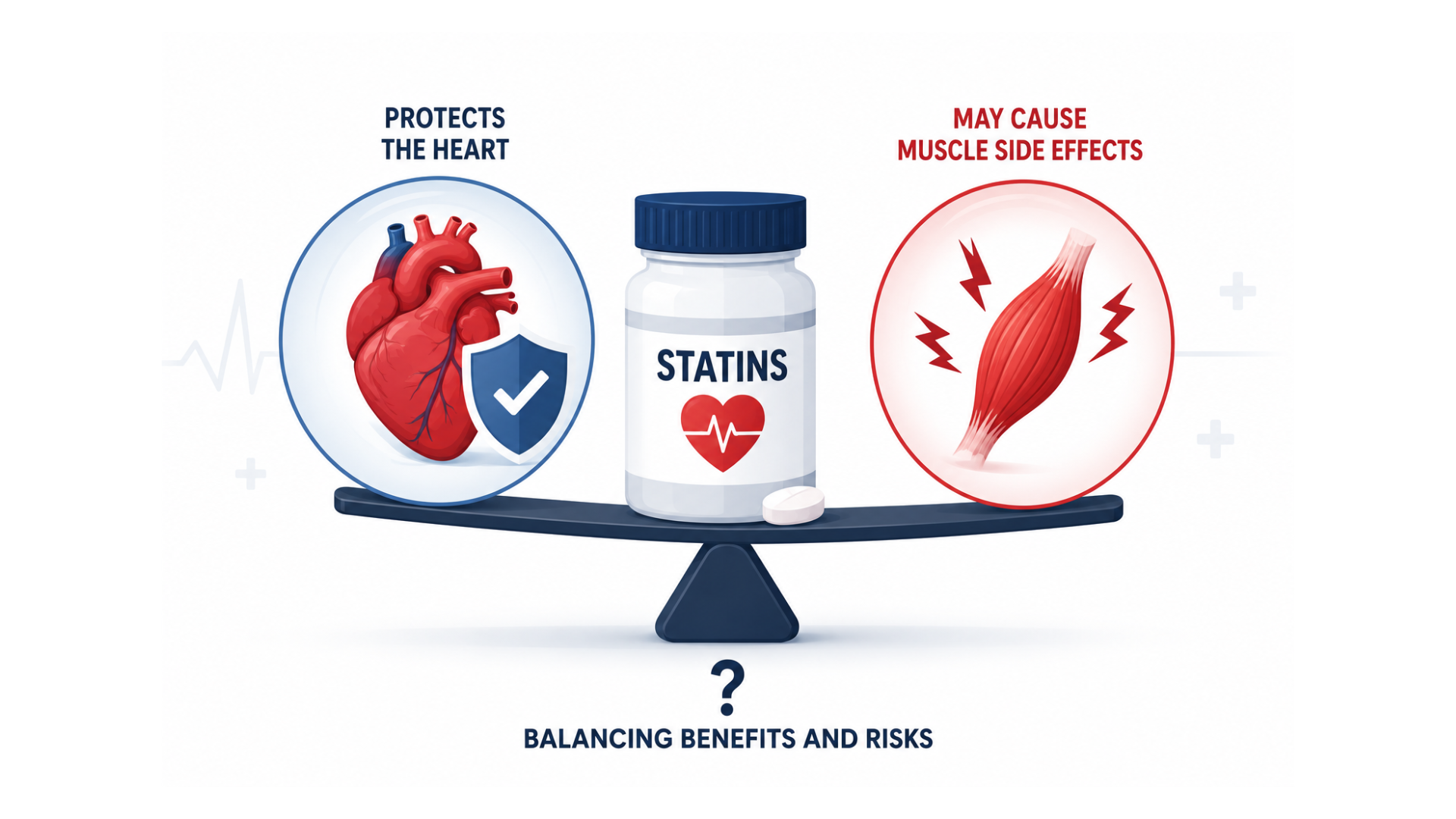
Statins are among the most commonly prescribed medications worldwide for reducing cholesterol and preventing serious cardiovascular diseases such as heart attacks and strokes.

Explore everything about the All-India National Permit in 2026. This detailed guide helps truck owners, fleet operators, and transporters understand fees, types, application steps, government rules, and tips to stay compliant while saving time and money on interstate logistics.

Commercial vehicles are the backbone of India's transportation and logistics industry. From trucks carrying goods across states to taxis, buses, school vans, ambulances, auto-rickshaws, and delivery vehicles serving daily commuters and businesses, these vehicles play a vital role in the country's economy.

By clicking the button, I authorize Paybima advisor to contact me via SMS, Email, Phone, WhatsApp or any other modes overriding my 'DND'.T&C Apply.
By clicking the button, I authorize Paybima advisor to contact me via SMS, Email, Phone, WhatsApp or any other modes overriding my 'DND'.T&C Apply.

