


Related Articles
.png)
 Jan 08, 2025
Is Varicose Vein surgery covered under the health insurance policy in India
 Health Insurance
.png)

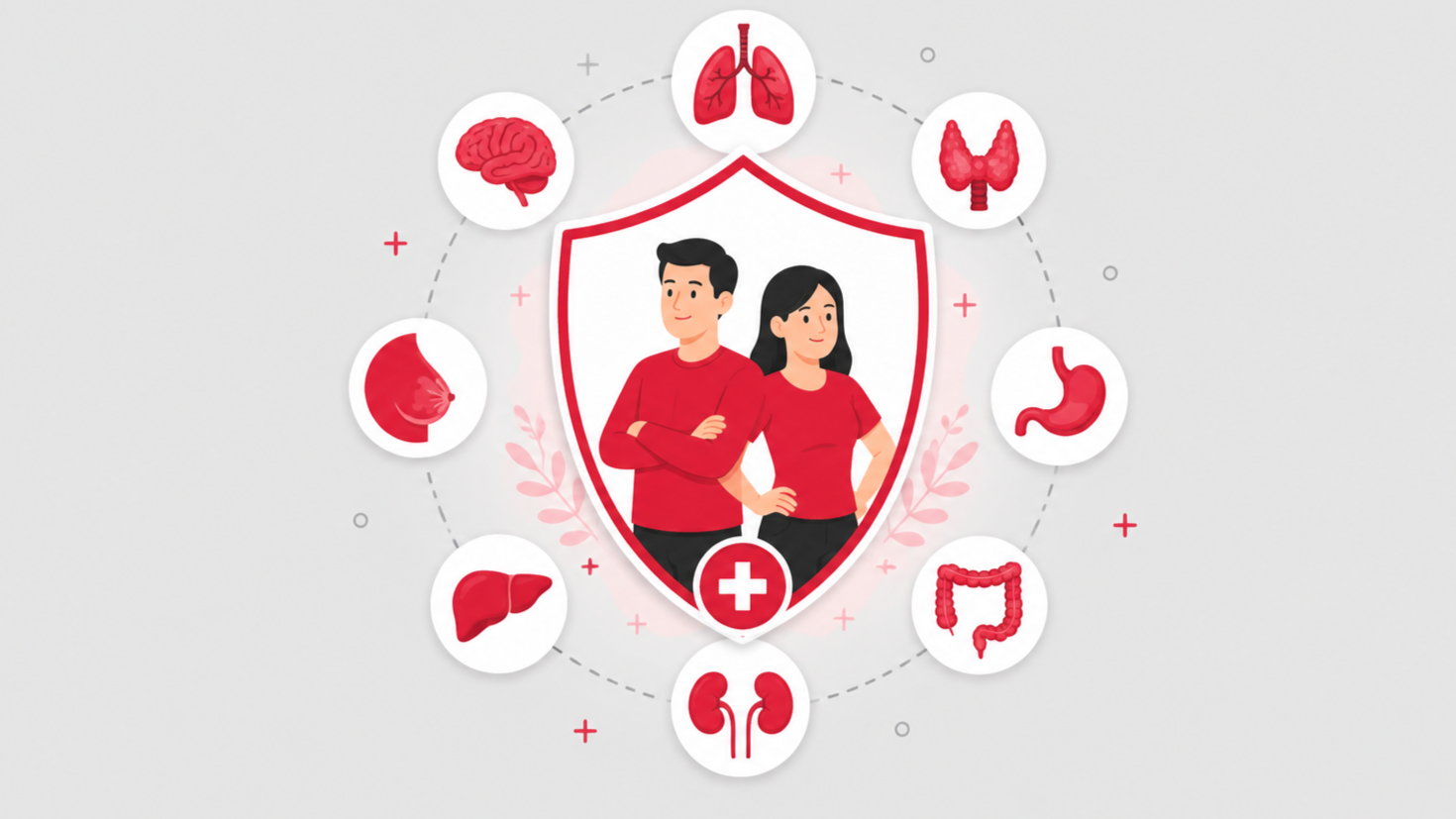
A simple guide on common cancer sites, risks, prevention, and smart health insurance choices to stay protected. Updated with 2026 information.
Lung, breast, colorectal, prostate, and liver are among the top cancer sites.
Many cases link to tobacco, diet, alcohol, and infections.
Prevention through lifestyle works well.
Regular screening catches problems early.
Best health insurance with good renewal and claim support gives peace of mind.
2026 IRDAI rules improve access to cancer coverage.
Cancer happens when cells in the body grow out of control and form tumours or spread to other parts. It can start in almost any organ, but some organs see more cases than others. Knowing which ones are at higher risk helps us take better care of our health, especially in the busy years between 25 and 55 when work, family, and life keep us moving fast.
According to recent 2025-2026 data, lung, breast, colorectal (colon and rectum), prostate, liver, and stomach cancers make up a large share of new cases worldwide. In India, common sites include breast, cervix, lung, mouth, and stomach. These numbers come from global health reports and Indian studies. The good news is that many cancers can be prevented or caught early through simple lifestyle changes and regular check-ups. Early detection often leads to better outcomes.
Here is a simple table showing some of the most common cancer sites based on latest estimates:
| Organ/Site | Common in | Key Notes (2025-2026) | Approx. Global/US Share |
|---|---|---|---|
| Lung | Both (more men) | Top cause of cancer deaths | Leading in deaths |
| Breast | Women | Most common in women | ~15-32% new cases (women) |
| Colorectum (Colon/Rectum) | Both | Linked to diet and lifestyle | High incidence |
| Prostate | Men | Common in older men | ~16% new cases (men) |
| Liver | Both | Often linked to infections and alcohol | Rising in some groups |
| Stomach | Both | Related to diet and infections | Significant burden |
| Pancreas | Both | Hard to detect early, high death rate | High mortality |
| Kidney | Both | Better survival if caught early | Notable cases |
(Data drawn from American Cancer Society 2025-2026 reports and global trends. Numbers vary by country; India sees high breast, cervical, and oral cancers.)
Lung cancer remains the biggest killer. It causes more deaths than colorectal and pancreatic cancers combined in recent projections. Breast cancer leads new cases in women, while prostate leads in men.
Different organs face different risks because of how they work and what they are exposed to.
Lungs: They breathe in air every day, so tobacco smoke, pollution, and dust can damage cells over time. Smoking is the top reason, but second-hand smoke and workplace fumes also matter.
Breasts: Hormones play a big role. Changes in estrogen levels, family history, and lifestyle factors like alcohol or being overweight can raise risk.
Colon and Rectum: Food passes through here, so a diet heavy in processed or red meat and low in fibre can cause problems. Lack of exercise and obesity add to the risk.
Prostate: This gland in men grows with age. Family history and age are key factors.
Liver: Infections like hepatitis B or C, heavy drinking, and fatty liver disease (common with obesity) can lead to cancer.
Stomach: Infections like H. pylori bacteria, salty or smoked foods, and smoking increase chances.
Other organs like pancreas, kidneys, and skin (especially with sun exposure) also see many cases. In India, oral cancers from tobacco and gutka are very common.
Many risks come from daily habits. Between 25-55, small changes can make a big difference:
Tobacco use (smoking or chewing) – biggest avoidable cause for many cancers.
Too much alcohol.
Unhealthy food – low vegetables/fruits, high junk food.
No exercise and weight gain.
Not getting vaccinated for hepatitis B or HPV (which can prevent liver and cervical cancers).
Ignoring family history or skipping check-ups.
Age is a factor – risk rises after 40-50 – but younger people are also seeing some rises in certain cancers due to lifestyle.
Read More: Family Health Insurance Protects all Members Together
Good news: Up to 40-50% of cancers are preventable.
Quit tobacco completely.
Eat more home-cooked meals with vegetables, fruits, and whole grains.
Walk or exercise 30 minutes most days.
Keep a healthy weight.
Limit alcohol or avoid it.
Get screened as per doctor advice – mammograms for breast, colonoscopy for colon, etc.
Protect skin from too much sun.
Manage stress and get good sleep.
Regular health check-ups help catch issues early.
Cancer treatment can be long and costly – surgery, chemo, radiation, and medicines add up fast. This is where best health insurance plans become very important.
A good individual health insurance or family health insurance covers hospital stays, treatments, and sometimes even day care procedures. For older parents, look at health insurance for senior citizen plans.
Super top up health insurance is a smart add-on. It gives extra cover after your basic policy limit is used up – very useful for high-cost cancer care.
When you buy or do health insurance renewal, check for cancer-specific covers, waiting periods, and no-claim bonuses. A strong plan helps with health insurance claim process without too much worry during tough times. IRDAI 2026 updates make it better: insurers must now cover serious conditions like cancer without denying policies. This is more inclusive for people with pre-existing issues.
Choose plans with good claim settlement records and wide hospital networks. Talk to your advisor to match cover with your age and family needs.
Cancer generally occurs when genetic material within cells is damaged, causing the cells to divide uncontrollably. Several factors can increase this risk:
Age: The risk often increases after age 50, as the body’s ability to repair cellular damage slows down.
Lifestyle Choices: Diets low in fiber, high in processed meats, tobacco use, and excessive alcohol consumption are significant contributors.
Environmental Exposure: Constant contact with certain chemicals, heavy air pollution, or radiation can damage tissues over time.
Chronic Infections: Persistent infections, such as Hepatitis B/C or H. pylori, can lead to long-term inflammation that increases cancer risk.
Lungs often lead in deaths, while breast and prostate lead in new cases for women and men.
Risk rises with age, but cases happen in 25-55 group too due to lifestyle.
Yes, many cases can be prevented by quitting tobacco, healthy diet, and exercise.
Look for plans with high sum insured, cancer cover, and super top up health insurance option.
Yes, most good plans cover family members for treatments after waiting periods.
Inform insurer early, submit documents like reports and bills. Cashless option is easier at network hospitals.
Insurers cannot deny policies for serious conditions like cancer. Better inclusivity and coverage rules.
It gives extra personal protection, especially for high costs like cancer.
Young and healthy? Find out which of these plans rewards you with lower premiums. Click here to check now!

Paybima Team
Paybima is an Indian insurance aggregator on a mission to make insurance simple for people. Paybima is the Digital arm of the already established and trusted Mahindra Insurance Brokers Ltd., a reputed name in the insurance broking industry with 21 years of experience. Paybima promises you the easy-to-access online platform to buy insurance policies, and also extend their unrelented assistance with all your policy related queries and services.

 Jan 08, 2025
Health Insurance
Jan 08, 2025
Health Insurance

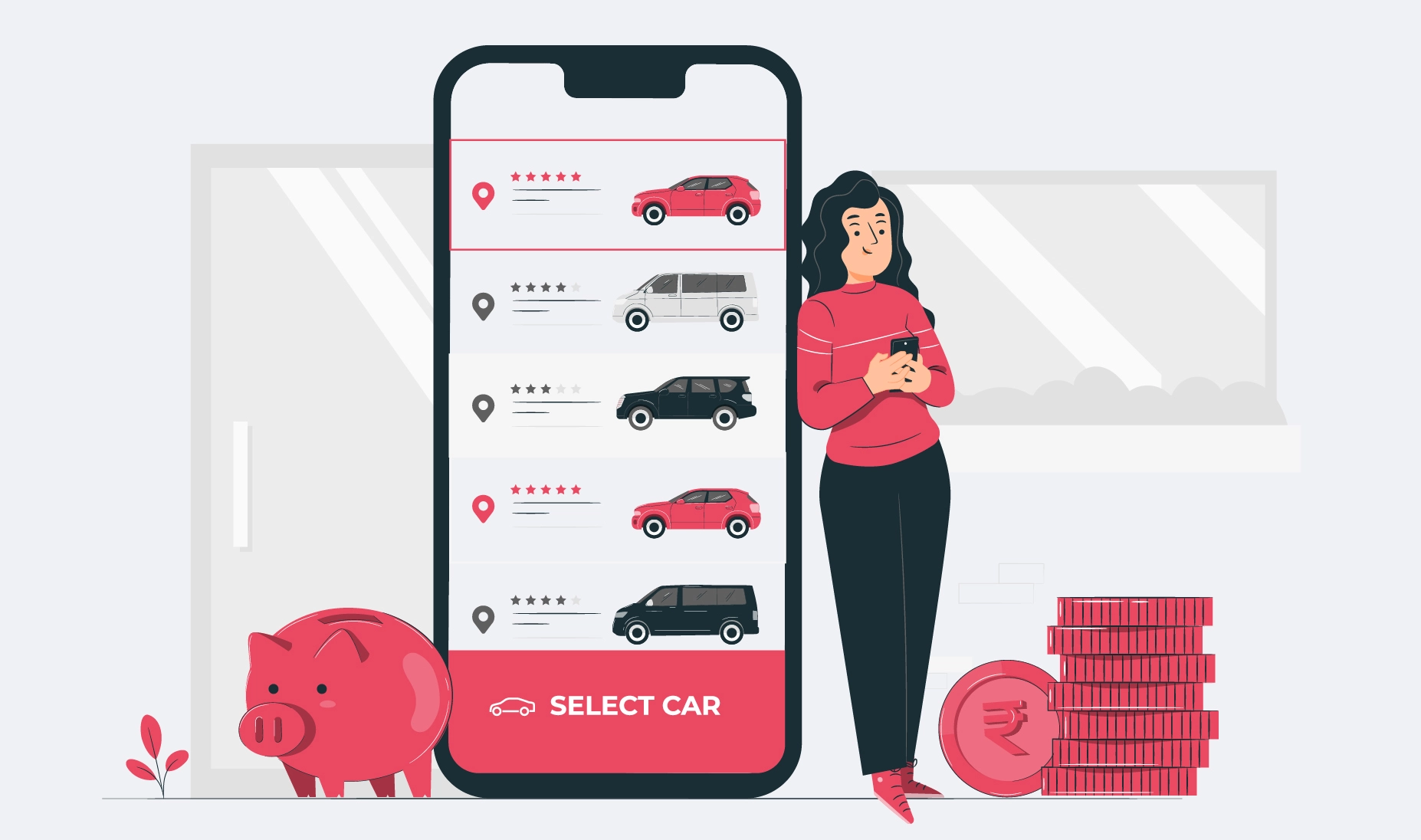
Buying a car doesn't always mean breaking the bank. If you're looking for an affordable vehicle that doesn't compromise on quality or reliability, 2026 is a great year to make your purchase.

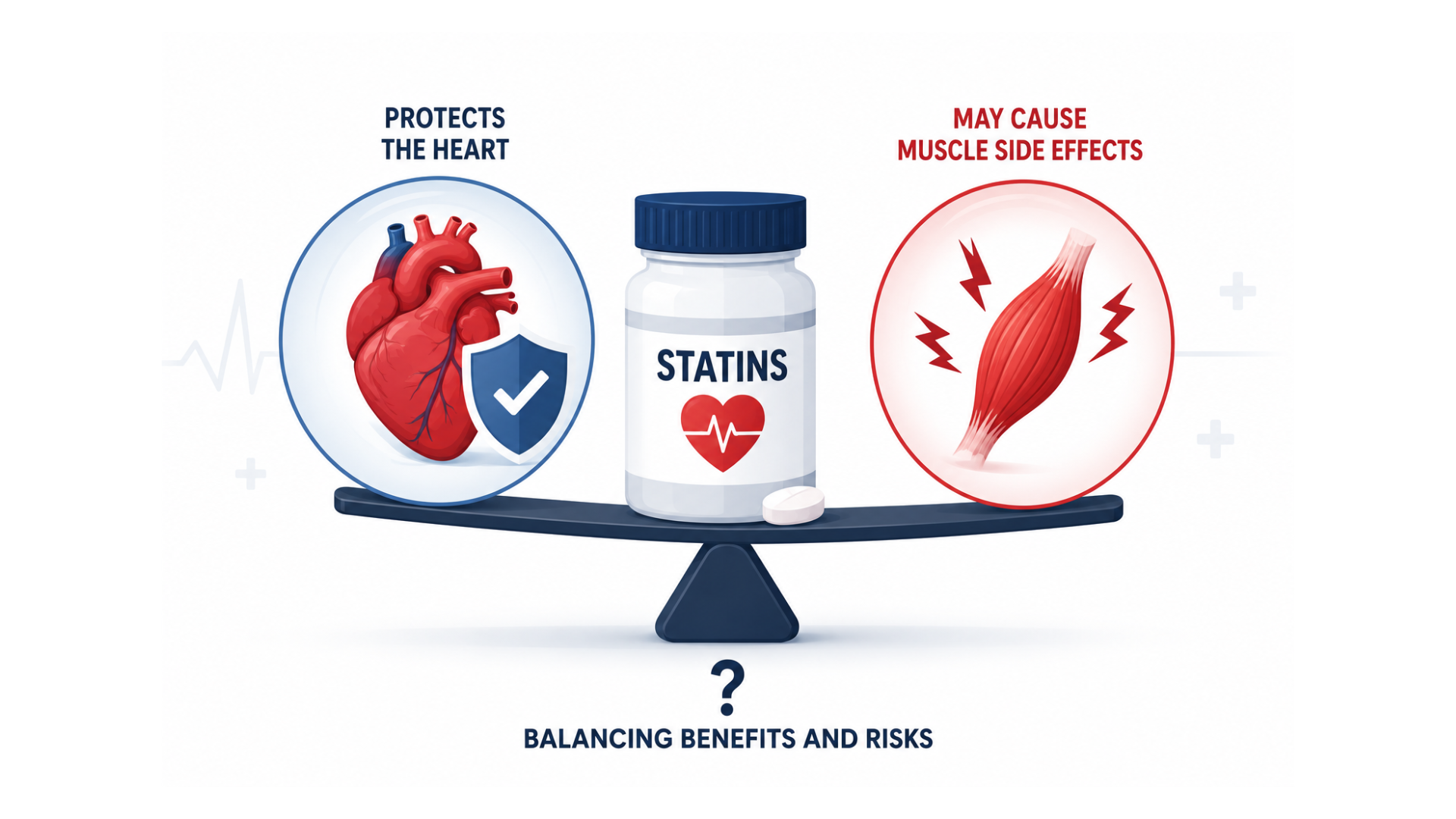
Statins are among the most commonly prescribed medications worldwide for reducing cholesterol and preventing serious cardiovascular diseases such as heart attacks and strokes.

Explore everything about the All-India National Permit in 2026. This detailed guide helps truck owners, fleet operators, and transporters understand fees, types, application steps, government rules, and tips to stay compliant while saving time and money on interstate logistics.
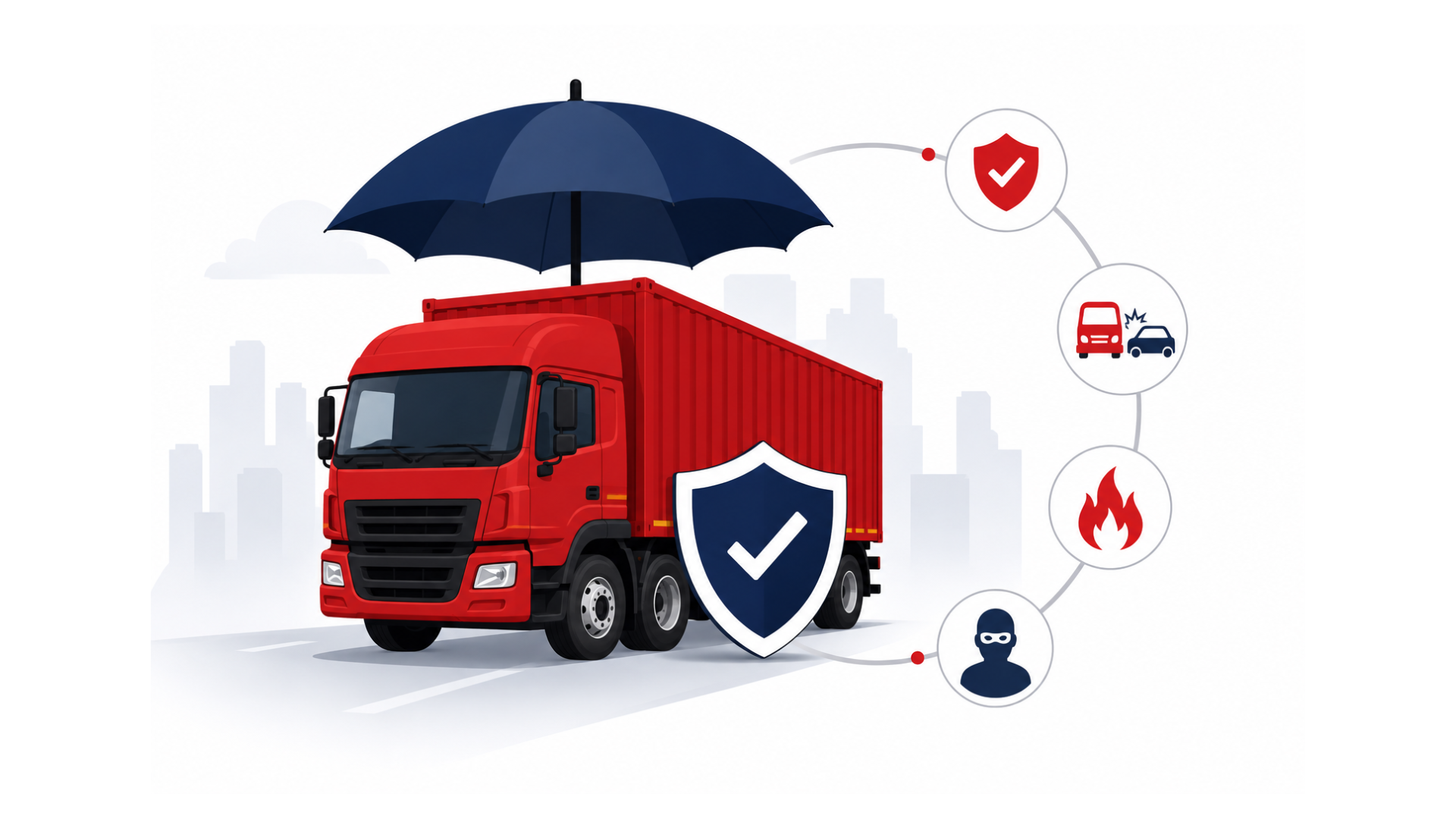
Commercial vehicles are the backbone of India's transportation and logistics industry. From trucks carrying goods across states to taxis, buses, school vans, ambulances, auto-rickshaws, and delivery vehicles serving daily commuters and businesses, these vehicles play a vital role in the country's economy.

By clicking the button, I authorize Paybima advisor to contact me via SMS, Email, Phone, WhatsApp or any other modes overriding my 'DND'.T&C Apply.
By clicking the button, I authorize Paybima advisor to contact me via SMS, Email, Phone, WhatsApp or any other modes overriding my 'DND'.T&C Apply.

