


Related Articles
.png)
 Jan 08, 2025
Is Varicose Vein surgery covered under the health insurance policy in India
 Health Insurance
.png)

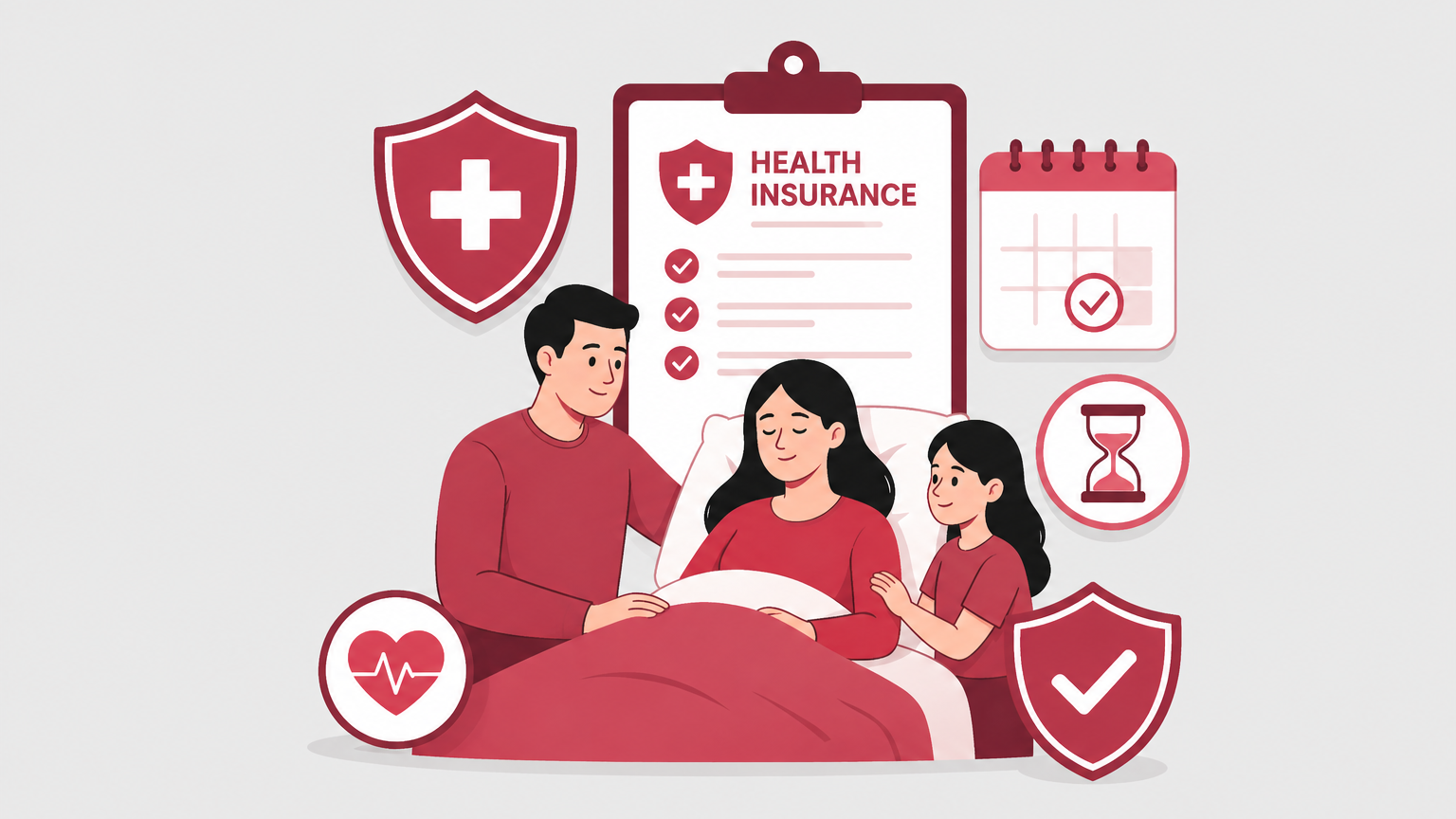
Discover what a grace period means in health insurance plans and how the latest 2026 IRDAI rules (15 or 30 days) help you renew without losing benefits. Learn simple tips for timely health insurance renewal, claims, and keeping your family protected.
The grace period is extra time (15 days for monthly, 30 days for other modes) after the premium due date to renew without policy lapse.
Paying within grace maintains continuity, No Claim Bonus, and waiting period benefits.
No new claims are usually covered during the unpaid grace days.
It applies across individual health insurance, family health insurance, super top up health insurance, and health insurance for senior citizen plans.
Timely renewal is the best way to enjoy uninterrupted protection under the best health insurance for your needs.
Always check your policy wording and set reminders to avoid missing dates.
Life can get busy, and sometimes you might miss the exact date to pay your health insurance premium. That is where the grace period comes in. It acts as a helpful buffer time given by insurance companies after your premium due date. During this short window, you can still make the payment without your policy lapsing or losing important benefits like continuity of coverage for pre-existing conditions.
In simple terms, the grace period gives you breathing room so a small delay does not turn into a big problem for your family's protection. As of 2026, the Insurance Regulatory and Development Authority of India (IRDAI) has standardised these rules to make things clearer and fairer for everyone. This helps people in the 25 to 55 age group, who are often balancing work, family responsibilities, and rising medical costs, stay protected without unnecessary stress.
Imagine your health insurance renewal is due on the 1st of a month. If you forget or face a cash flow issue and pay a few days late, the grace period protects you. You can pay within the allowed extra days, and it is treated as if you paid on time. This keeps your health insurance renewal smooth and maintains all your accumulated benefits.
The grace period is especially useful for family health insurance plans, where one missed payment could affect coverage for your spouse, children, or parents. It also applies to individual health insurance, super top up health insurance, and plans meant for health insurance for senior citizen family members.
Key point to remember: The grace period is a right given to policyholders under IRDAI guidelines. It is not optional for insurers – they must provide it.
In 2026, IRDAI has made the rules consistent across health insurance policies. The length of the grace period depends on your payment mode:
Monthly instalments: 15 days grace period.
Quarterly, half-yearly, or annual payments: 30 days grace period.
This standardisation helps avoid confusion. Whether you choose a basic plan or a super top up health insurance to increase your coverage limit, the same rules apply.
Here is a clear table showing the details:
| Payment Mode | Grace Period | What Happens if You Pay Within Grace Period? | Coverage During Grace Period? |
|---|---|---|---|
| Monthly Instalments | 15 days | Policy continues without break; benefits like No Claim Bonus (NCB) preserved | Generally no new claims allowed until premium is paid |
| Quarterly / Half-yearly / Annual | 30 days | Full continuity maintained; waiting periods do not reset | No coverage for claims during the unpaid grace days |
| Any Mode (after grace ends) | Policy lapses | Need to revive with possible fresh waiting periods | Coverage stops until revival |
This table makes it easy to understand your options at a glance. Always check your specific policy document, as some insurers may offer slightly better terms, but they cannot go below IRDAI standards.
For people aged 25 to 55, health issues can arise suddenly – from routine hospital visits to unexpected emergencies. A best health insurance plan gives peace of mind, but only if it stays active.
If you miss the due date and the grace period also ends, your policy may lapse. This means:
You could lose your No Claim Bonus, which increases your sum insured for claim-free years.
Waiting periods for pre-existing diseases might restart when you buy a new policy.
Continuity benefits built over years get affected, which is critical in family health insurance or health insurance for senior citizen members.
Paying within the grace period keeps everything intact. It is like a safety net that supports health insurance renewal without penalties or loss of benefits.
Many people opt for super top up health insurance on top of their base policy for higher coverage at lower cost. The grace period rules apply here too, so timely payment is equally important to keep the extra protection active.
This is an important question for many. In most cases, health insurance claim settlement is not possible for treatments that happen during the unpaid grace period. Coverage is considered suspended until you clear the premium.
However, once you pay within the allowed days:
The policy is revived as if there was no break.
Any claim after payment gets processed normally (subject to policy terms).
Example: Your annual premium is due on 15th March 2026. You pay on 10th April (within 30 days). If a family member needs hospitalisation on 5th April, the claim may not be covered. But if the same happens on 12th April after payment, it should be eligible (depending on other policy conditions).
Always inform your insurer promptly and keep records. This practice helps in smooth health insurance claim processing later.
Set reminders on your phone or use auto-debit options for monthly payments to avoid missing dates.
Choose a payment mode that suits your cash flow – monthly for easier budgeting or annual for possible discounts.
Review your policy every year during renewal. Check if you need to increase coverage or add super top up health insurance.
For families, consider a comprehensive family health insurance floater plan that covers everyone under one sum insured.
If you are buying for parents, look at dedicated health insurance for senior citizen options that often have higher sum insured and suitable features.
Compare plans carefully to find the best health insurance that fits your needs and budget.
If your policy has lapsed beyond the grace period, revival options may still exist in some cases, but it is better to avoid that situation. Contact your insurer early.
The grace period works alongside other policy elements like waiting periods and the moratorium period. In 2026, IRDAI has capped the maximum waiting period for pre-existing diseases at 3 years in most plans. The moratorium period (after which claims cannot be denied for non-disclosure except in fraud cases) is now 5 years of continuous coverage.
Paying on time or within grace ensures you keep building this continuous coverage. This is particularly valuable in individual health insurance or when you port your policy to another insurer.
Super top up health insurance often kicks in after your base policy's deductible is met. Keeping both policies active through timely renewals gives layered protection for serious medical events.
Young professional (age 30): You have an individual health insurance plan with monthly payments. A busy work schedule makes you miss the due date by a week. The 15-day grace saves your coverage.
Family with kids and parents (age 40): Your family health insurance includes senior members. Paying within 30 days for annual mode keeps everyone protected without resetting waiting periods.
Someone planning for higher coverage: You add a super top up health insurance. The grace period ensures the top-up layer remains linked to your base policy benefits.
These situations show why understanding the grace period is practical and not just technical.
It is the additional time allowed after the premium due date to make payment. As per 2026 rules, it is 15 days for monthly payments and 30 days for quarterly, half-yearly, or annual modes.
Usually, no. Coverage is suspended until you pay the premium. Once paid within the grace window, future claims can be processed normally.
Yes. The same IRDAI-standardised grace period rules apply to super top-up plans as well as base policies.
Your policy may lapse. You might need to start fresh, which could mean new waiting periods and loss of accumulated benefits. Revival options vary by insurer.
No. The duration depends on the payment mode, not on whether it is individual, family, or senior-focused plans. Always confirm with your insurer for any specific terms.
Don’t worry. Use the grace period (15 or 30 days) to make the payment. Set up auto-debit or reminders to avoid this in the future.
Generally, no penalty or interest is charged if you pay within the grace period. The policy continues seamlessly.
Young and healthy? Find out which of these plans rewards you with lower premiums. Click here to check now!

Paybima Team
Paybima is an Indian insurance aggregator on a mission to make insurance simple for people. Paybima is the Digital arm of the already established and trusted Mahindra Insurance Brokers Ltd., a reputed name in the insurance broking industry with 21 years of experience. Paybima promises you the easy-to-access online platform to buy insurance policies, and also extend their unrelented assistance with all your policy related queries and services.

 Jan 08, 2025
Health Insurance
Jan 08, 2025
Health Insurance
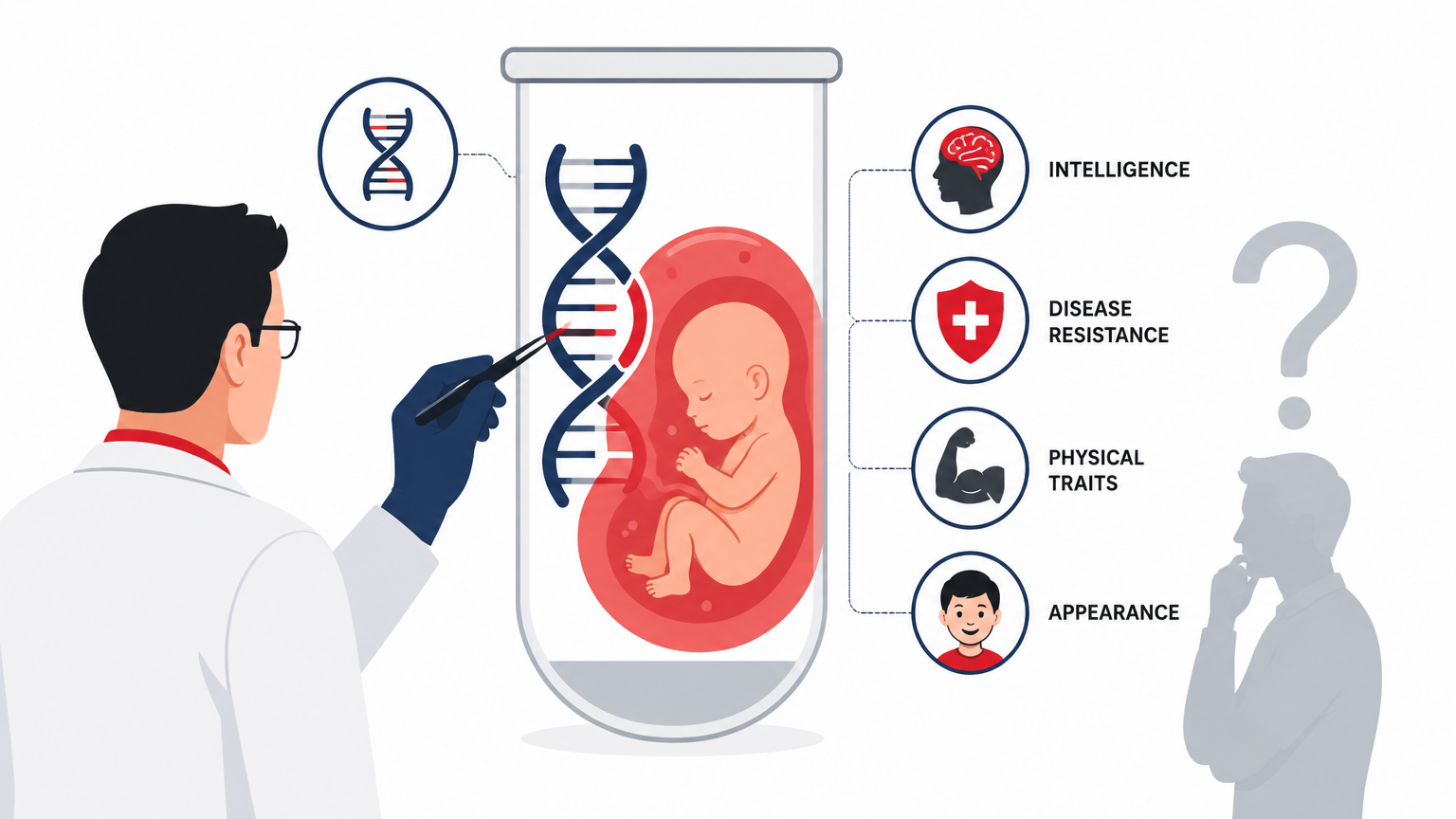
Recent scientific breakthroughs have reignited a fascinating and controversial question: Can parents one day choose specific traits for their babies, such as intelligence, height, athletic ability, or disease resistance?

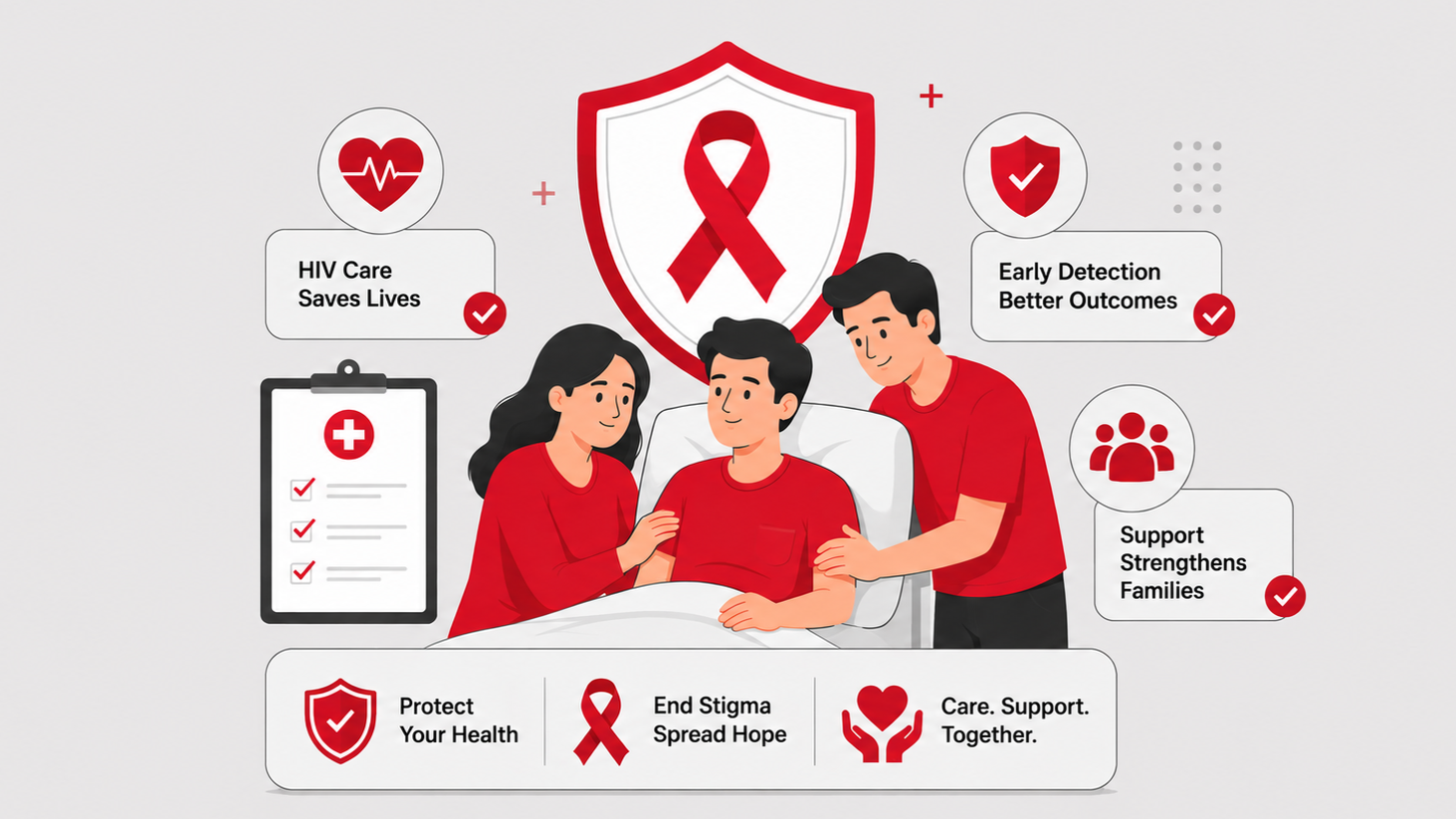
Discover why Mumbai is bucking the national trend with rising HIV deaths in 2026, even as Maharashtra and India report a significant decline. This easy-to-understand guide covers the latest NACO statistics, key reasons behind Mumbai’s challenge, and practical prevention steps for working professionals aged 25 to 55.

Looking for a reliable and affordable scooter in 2026? This guide covers the top 8 scooty under 1 lakh with real prices, mileage details, and why proper bike insurance matters.
Explore everything about the All-India National Permit in 2026. This detailed guide helps truck owners, fleet operators, and transporters understand fees, types, application steps, government rules, and tips to stay compliant while saving time and money on interstate logistics.
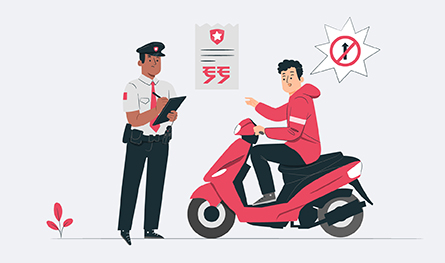
Driving on the wrong side of the road is dangerous as it causes the risk of accidents. India’s road traffic rules strictly prohibit people from driving their bikes on the wrong side of the road. However, many bikers continue doing the same. Hence, to avoid accidents on the road due to wrong-side driving, the government has imposed strict action against defaulters.

By clicking the button, I authorize Paybima advisor to contact me via SMS, Email, Phone, WhatsApp or any other modes overriding my 'DND'.T&C Apply.
By clicking the button, I authorize Paybima advisor to contact me via SMS, Email, Phone, WhatsApp or any other modes overriding my 'DND'.T&C Apply.

