


Related Articles
.png)
 Jan 08, 2025
Is Varicose Vein surgery covered under the health insurance policy in India
 Health Insurance
.png)

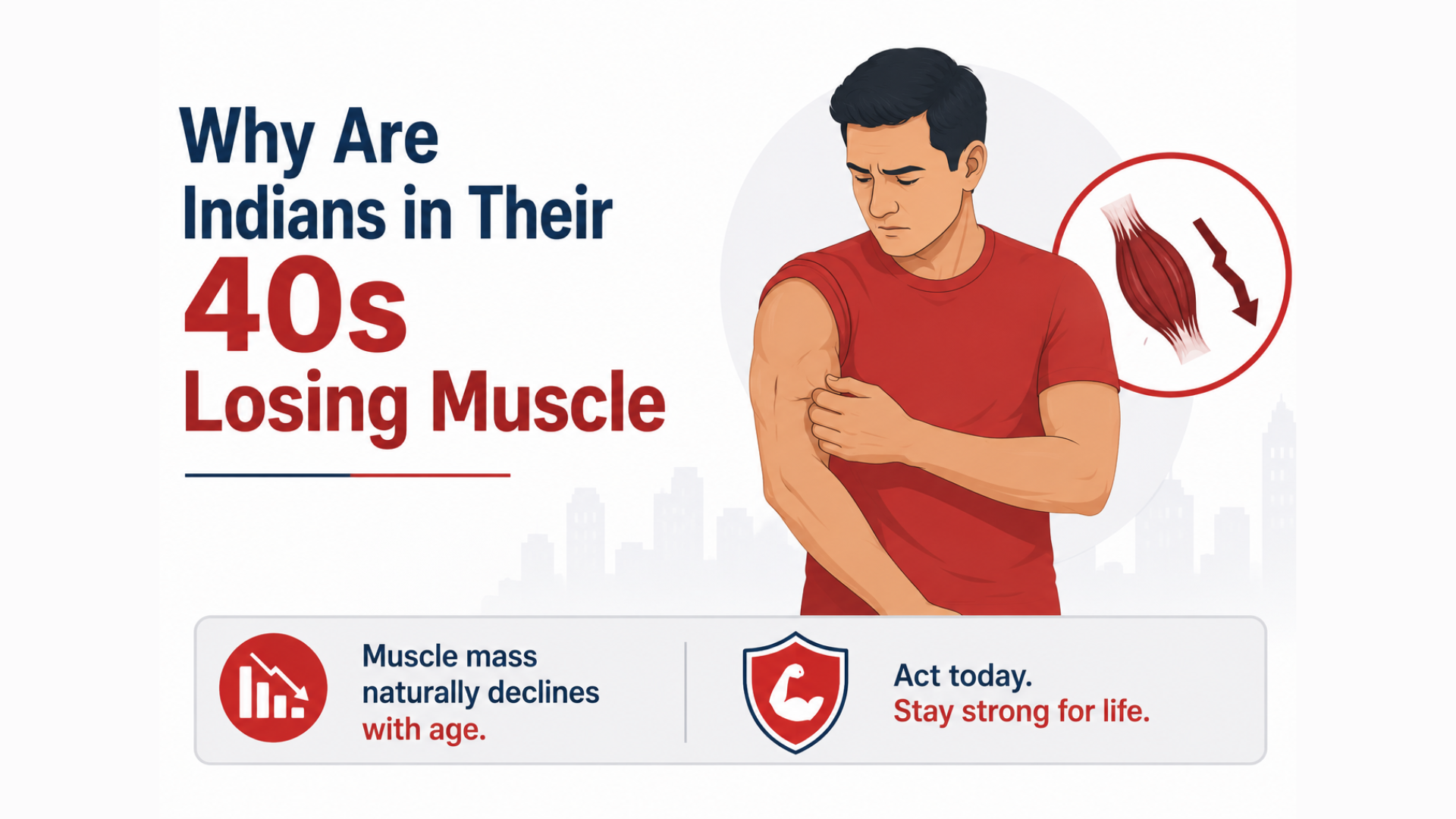
You're 42 years old. You climb the same stairs you climbed for years, but suddenly you feel more winded.
Your jeans fit looser around the thighs, even though the scale hasn't budged much. Your trainer mentions your strength has dipped. Welcome to a phenomenon that's silently affecting millions of Indians right now: age-related muscle loss.
This isn't vanity. It's not about looking buff. Muscle loss in your 40s is a medical reality that directly impacts your health, independence, and financial security. When combined with factors like poor diet and diabetes—two conditions ravaging the Indian middle-aged population—muscle loss becomes a serious health threat.
The good news? You can slow it down, and you can protect yourself financially with the right health insurance strategy. Let's explore what's happening to Indian bodies in their 40s and why your health insurance plan matters more than ever.
Muscle loss accelerates after age 40, affecting 30-40% of Indian adults by their mid-50s
Poor diet quality and unmanaged diabetes are major contributors to premature muscle loss in Indians
Muscle loss increases fall risk, reduces mobility, and leads to higher medical expenses
Health insurance becomes critical in your 40s to cover the costs of muscle loss-related complications
Senior Citizen Health Plans and Super Top Up Plans offer affordable coverage for age-related health issues
Critical Illness Insurance protects against expensive diseases linked to muscle loss (heart disease, stroke)
Health Insurance Claim processes are faster when you have preventive care documentation
Regular Health Insurance Renewal allows you to reassess coverage as your muscle and metabolic health changes
Sarcopenia is the medical term for age-related muscle loss. After age 30, we naturally lose 3-8% of our muscle mass per decade. This accelerates after 60, but the process starts in your 40s. For many Indians, especially those with sedentary lifestyles or unmanaged health conditions, this decline begins even earlier.
Here's why this matters:
Strength decline: You lose grip strength, balance, and the ability to perform daily tasks
Metabolism slowdown: Muscle is metabolically active tissue; losing it means your body burns fewer calories
Increased injury risk: Weak muscles can't stabilize joints, leading to falls and fractures
Healthcare costs surge: Every fall, every hospitalization for weakness-related issues, adds to your health insurance claims
Indians in their 40s are uniquely vulnerable to rapid muscle loss. Here's why:
Sedentary Work Culture: Most Indian professionals spend 8-10 hours sitting at desks. This inactivity accelerates muscle atrophy faster than any genetic factor.
Inadequate Protein Intake: The average Indian diet relies heavily on carbohydrates (rice, bread) and not enough protein. Studies show Indians consume 40-50% less protein than recommended for muscle maintenance, especially after 40.
Diabetes Epidemic: India has 77 million diabetics—more than any country except China. Uncontrolled diabetes directly causes muscle wasting through increased protein breakdown and reduced protein synthesis.
Air Pollution and Lifestyle Stress: Poor air quality in major Indian cities combined with high stress affects oxygen utilization and hormonal balance, contributing to faster muscle loss.
Delayed Health Insurance Awareness: Many Indians don't realize their health insurance should cover preventive muscle loss programs until it's too late. By the time they file a health insurance claim for a fall-related fracture, the damage is done.
Your diet at 40 is vastly different from your diet at 20, yet many Indians eat the same way they always have. This mismatch is causing muscle loss.
Adults over 40 need 1.0-1.2 grams of protein per kilogram of body weight daily to maintain muscle. An average 70 kg Indian man needs about 70-84 grams of protein daily—but most consume only 40-50 grams.
Where the gap comes from:
Breakfast: Idli, dosa, or plain toast (minimal protein)
Lunch: Rice with dal or sabzi (moderate protein, but not enough)
Dinner: Roti with curry (again, insufficient protein density)
Snacks: Tea with biscuits (zero protein)
Solutions that work for Indian diets:
Increase dal/legume intake (15-20g protein per serving)
Add paneer or Greek yogurt to meals (20g protein per serving)
Include eggs more frequently (6g protein per egg)
Incorporate dal-based curries, not just as side dishes but as main protein sources
Consider protein supplements (whey, plant-based options) as convenient alternatives
Even if you eat enough calories, deficiencies in vitamin D, B12, and iron accelerate muscle loss:
Vitamin D Deficiency: 70-80% of Indians have vitamin D levels below 20 ng/mL. Low vitamin D reduces calcium absorption and impairs muscle function directly.
Vitamin B12 Deficiency: Common in vegetarian Indians, B12 deficiency reduces energy production in muscle cells and causes premature fatigue.
Iron Deficiency: Affects oxygen transport to muscles, reducing exercise capacity and muscle endurance.
Action Step: Include fortified foods, sunlight exposure (15-20 mins daily), and consider supplementation if advised by your doctor. Your health insurance often covers preventive blood tests—use these to catch deficiencies early.
Refined carbohydrates (white rice, white bread, sugary snacks) are dietary staples for many Indians, but they accelerate muscle loss in two ways:
Simple swaps:
White rice → Brown rice or quinoa
White bread → Whole wheat bread
Sugary drinks → Coconut water or herbal teas
Processed snacks → Nuts, seeds, or paneer
Diabetes isn't just about blood sugar. It's one of the most direct causes of muscle loss in Indians over 40. Here's how:
Protein Breakdown: Uncontrolled diabetes increases proteolytic enzymes that break down muscle proteins faster than your body can rebuild them. A diabetic who eats the same amount of protein as a non-diabetic will still lose more muscle because of this metabolic shift.
Insulin Resistance: Even if you're pre-diabetic (which 35% of urban Indians are), insulin resistance impairs muscle protein synthesis. Your muscles don't respond well to signals telling them to grow.
Inflammation: Diabetes triggers chronic systemic inflammation, which directly damages muscle fibers and reduceThe Vicious Cycle: Muscle Loss Worsens Diabetes
Here's the cruel irony: losing muscle makes diabetes worse. Muscle tissue is the largest glucose consumer in your body. When you lose muscle mass, your insulin sensitivity drops further, and diabetes becomes harder to control. This leads to:
If you have diabetes or pre-diabetes and you're in your 40s:
Increase protein intake: Aim for 1.2-1.4g per kg body weight (higher than non-diabetics)
Reduce refined carbs: Replace with fiber-rich, complex carbohydrates
Move more: Even 15 minutes of resistance training 2-3 times per week can reverse muscle loss
Monitor blood sugar: Work with your doctor to optimize diabetes control
Ensure robust health insurance: Your risk profile is higher—make sure your health insurance covers diabetic complications, kidney issues, and cardiovascular events

You might think muscle loss is just a fitness issue. Wrong. Here's what happens when muscle loss compounds in your 40s:
Falls and Fractures: Hip fractures from falls cost ₹3-5 lakhs to treat. Hospitalization, surgery, physio—your health insurance claim becomes substantial.
Metabolic Disorders: Muscle loss accelerates diabetes and metabolic syndrome, leading to kidney disease, heart disease, and hypertension.
Reduced Independence: Loss of mobility forces you to hire help or shift to care facilities—costs that aren't always covered by standard health insurance.
Longer Recovery Times: Weak muscles mean slower post-surgery recovery, extending hospitalization periods and medical costs.
Psychological Impact: Muscle loss-induced immobility leads to depression and cognitive decline—conditions requiring psychiatric care (often not covered under basic health insurance).
Your standard employee health insurance might not be enough. This is where specialized plans come in.
Standard Health Insurance (Typical Coverage: ₹5-10 lakhs):
Covers hospitalization costs
Covers medicines and diagnostics
May have waiting periods for pre-existing conditions
Premiums increase with age
Senior Citizen Health Plans (Designed for 40+):
Higher coverage limits (₹10-25 lakhs)
Lower or no waiting periods for age-related conditions
Cover preventive health checkups (critical for catching muscle loss early)
Fixed premiums that don't increase with age (in some plans)
Cover mobility aids, orthopedic care (relevant for muscle loss complications)
Why it matters: A Senior Citizen Health Plan recognizes that your health risks change after 40. It's tailored for conditions like diabetes, heart disease, and bone-related issues—all consequences of muscle loss.
Let's say your health insurance has a ₹10 lakh limit. A severe fall requiring surgery, ICU stay, and extended physio could exhaust this in weeks. This is where Super Top Up Plans protect you.
How Super Top Up Works:
Base coverage: ₹10 lakhs (from your main health insurance)
Super Top Up threshold: ₹5 lakhs
Super Top Up coverage: Additional ₹20 lakhs
Once your base health insurance claims exceed ₹5 lakhs in a year, your Super Top Up kicks in. Premium? Usually just ₹2,500-₹5,000 annually for significant coverage.
For muscle loss scenarios: A fall-related hospitalization might cost ₹2.5 lakhs initially, then ongoing physio costs ₹1.5 lakhs, then a related cardiac issue costs ₹3 lakhs. Your Super Top Up absorbs this additional ₹4 lakhs, protecting your finances.
Muscle loss doesn't just cause fractures. It increases risk of:
Stroke: Weak muscles mean poor cardiovascular health
Heart Attack: Sedentary lifestyle + unmanaged diabetes + muscle loss = cardiac risk
Kidney Failure: Often linked to long-term diabetes and muscle wasting
Cancer: Sarcopenia is associated with increased cancer risk and worse outcomes
Critical Illness Insurance provides a lump sum (₹10-50 lakhs) upon diagnosis of these diseases. Unlike regular health insurance, you don't have to claim individual medical expenses—you get cash that you can use for treatment, recovery, or lost income.
Why it matters at 40: You're still earning, still supporting family. A critical illness can halt income for months. This insurance replaces that income loss.
When you file a health insurance claim related to a fall, fracture, or diabetes complication, insurers now look at contributing factors. If your medical records show:
Poor nutritional status
Sedentary lifestyle
Unmanaged diabetes
Previous falls or injuries
Your claim might be scrutinized or partially denied if insurers believe negligence contributed to the injury.
How to avoid this:
Maintain regular doctor checkups (documentation protects you)
Follow prescribed diabetes management
Include fitness/physio records if available
Document dietary changes and supplements
Your health insurance claim is more likely to be approved quickly if you have evidence of preventive care.
Every year, during your health insurance renewal, premiums typically increase. But there's more:
Premium Increase Factors:
How to manage renewal costs:
Post-40 renewal strategy:
The good news? Muscle loss is reversible. Even at 45, 50, or beyond, you can rebuild muscle with the right approach.
Daily Protein Target: 1.0-1.2g per kg body weight (70 kg person = 70-84g protein)
Sample Indian Diet to Hit Protein Targets:
Breakfast: 2 eggs + 1 cup milk (17g protein) Mid-morning: Greek yogurt + almonds (12g protein) Lunch: Chicken curry + brown rice + dal (30g protein) Afternoon snack: Paneer sandwich (15g protein) Dinner: Fish/tofu + roti + vegetables (20g protein) Bedtime: Milk with turmeric (6g protein)
Total: ~100g protein (achievable, Indian-style)
Micronutrient Checklist:
Vitamin D: 15-20 mins daily sunlight + 2 eggs/day
B12: Fortified milk, eggs, or supplement (₹100/month)
Iron: Spinach, lentils, fortified foods
Magnesium: Pumpkin seeds, almonds
Resistance training is non-negotiable for muscle building. But you don't need an expensive gym membership:
Home-Based Routine (3 days/week, 30 minutes):
Bodyweight squats: 3 sets of 10
Push-ups or wall push-ups: 3 sets of 8-10
Lunges: 3 sets of 10 per leg
Plank holds: 3 sets of 20-30 seconds
Stair climbing: 2 sets of 10 reps
Key principle: Focus on consistency, not intensity. Doing this 3 times per week for 6 months will rebuild noticeable muscle.
Before starting any muscle-building program, especially if you're diabetic:
Get a baseline fitness assessment from your doctor
Conduct blood tests: glucose, kidney function, vitamin D, B12
Monitor blood sugar if diabetic (exercise affects glucose levels)
Your health insurance should cover: Annual preventive health checkups, which is when these assessments happen. Use your health insurance renewal to ensure preventive care is included.
Priya was a sedentary IT professional who noticed declining strength and energy. Her basic health insurance didn't cover preventive physio. She upgraded to a Senior Citizen Health Plan during her health insurance renewal, which included annual fitness assessments. With guidance from a covered physio, increased protein intake, and home exercises, she rebuilt muscle in 4 months. Cost to her: ₹0 out-of-pocket (covered by plan).
Rajesh had pre-diabetes and noticed fatigue during stairs. His doctor recommended a Critical Illness Insurance plan (which he was initially hesitant about). Two years later, he had a mild cardiac episode—caught early. The Critical Illness Insurance covered ₹15 lakhs, allowing him to take time off work, modify his diet to build muscle, and prevent a major event. "Best insurance decision I ever made," he says.
Sunita had a fall that resulted in a hip fracture. Her standard health insurance covered ₹6 lakhs, but her recovery, surgery, and extended physio needed ₹10 lakhs. Thankfully, her Super Top Up Plan covered the additional ₹4 lakhs. She recovered well and now religiously maintains muscle through home exercises.
Diet: Increase protein intake to 1.0-1.2g per kg body weight
Diabetes Management: If diabetic or pre-diabetic, work with your doctor to optimize blood sugar control
Exercise: Start resistance training, 3 days per week, 30 minutes
Health Checkup: Get baseline fitness and metabolic assessment
Health Insurance Review: Assess your current coverage; consider upgrading to Senior Citizen Health Plans
Super Top Up Insurance: Add a Super Top Up Plan if your base coverage is below ₹15 lakhs
Critical Illness Insurance: If you're a primary earner, secure a ₹25-50 lakh Critical Illness Insurance policy
Health Insurance Renewal: At your next renewal, specifically choose plans with orthopedic, diabetes, and preventive care coverage
Document Health: Maintain records of regular checkups (helps with future health insurance claims)
Track Progress: After 3 months of diet + exercise, retest strength, fitness, and blood work
Yes, it's normal—but it's not inevitable or irreversible. While everyone loses some muscle with age, rapid loss due to poor diet, sedentary lifestyle, or unmanaged diabetes is preventable and reversible through proper nutrition and exercise.
Absolutely. Studies show that resistance training and adequate protein can rebuild muscle at any age, even in people in their 70s and 80s. The key is consistency, not age.
Diabetes increases protein breakdown in muscles and impairs protein synthesis. Uncontrolled diabetes accelerates muscle loss by 2-3 times compared to non-diabetics. Controlling diabetes is crucial for muscle preservation.
Premiums vary by age and coverage amount. A Senior Citizen Health Plan for a 40-year-old with ₹15 lakh coverage typically costs ₹5,000-₹12,000 annually, only slightly more than standard plans but with significantly better coverage.
If you're a primary earner with dependents, absolutely. A critical illness can disrupt income for 6-12 months. For ₹2,500-₹5,000 annually, Critical Illness Insurance protects your family's financial security. Many Indians regret not having it after a health event.
Young and healthy? Find out which of these plans rewards you with lower premiums. Click here to check now!

Paybima Team
Paybima is an Indian insurance aggregator on a mission to make insurance simple for people. Paybima is the Digital arm of the already established and trusted Mahindra Insurance Brokers Ltd., a reputed name in the insurance broking industry with 21 years of experience. Paybima promises you the easy-to-access online platform to buy insurance policies, and also extend their unrelented assistance with all your policy related queries and services.

 Jan 08, 2025
Health Insurance
Jan 08, 2025
Health Insurance
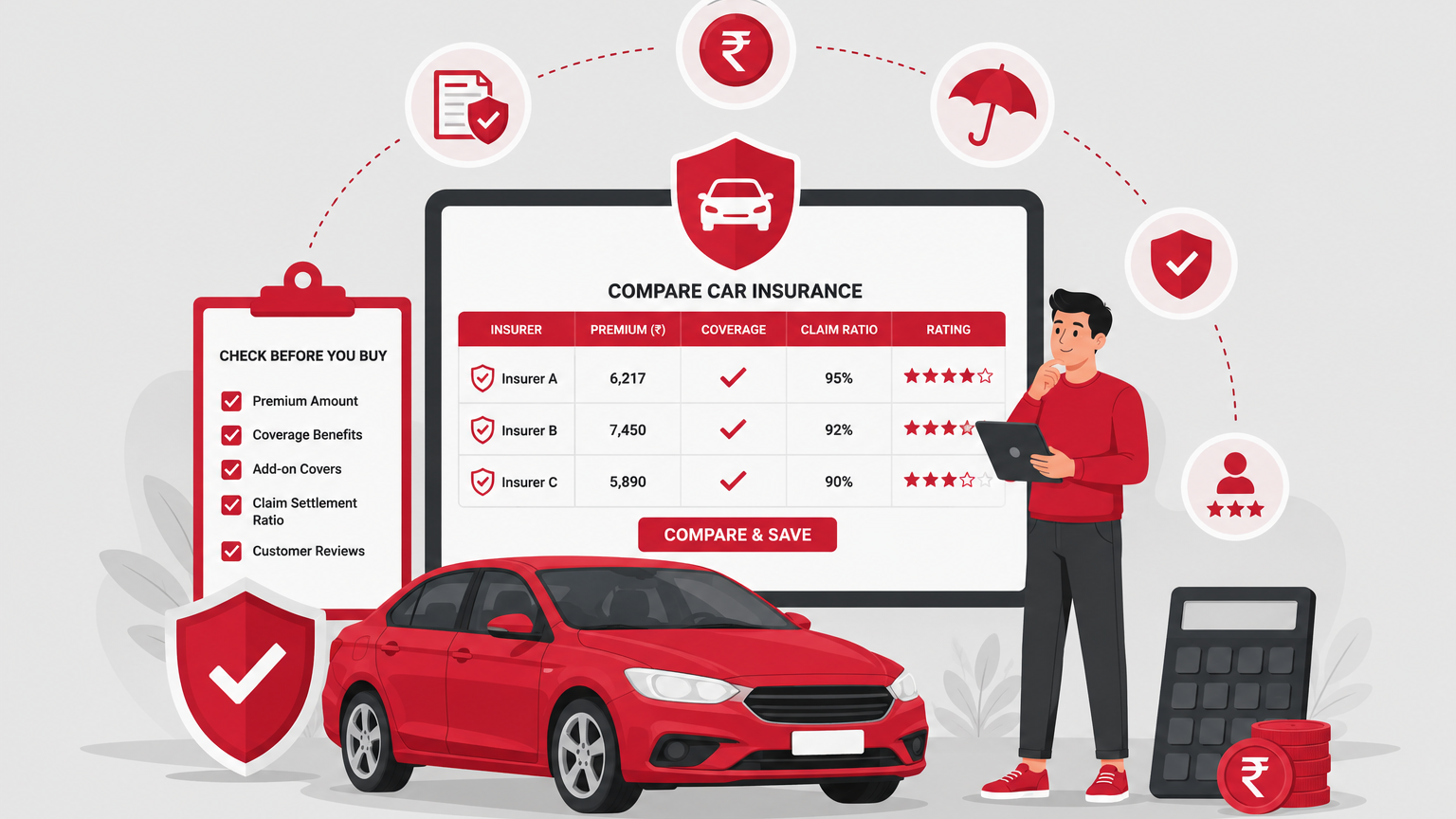
Discover a straightforward guide to comparing car insurance online in India. Perfect for busy drivers aged 25-55, this post covers renewal options, key factors, latest stats, and expert advice to protect your vehicle affordably.

You're 42 years old. You climb the same stairs you climbed for years, but suddenly you feel more winded.

Buying a car doesn't always mean breaking the bank. If you're looking for an affordable vehicle that doesn't compromise on quality or reliability, 2026 is a great year to make your purchase.

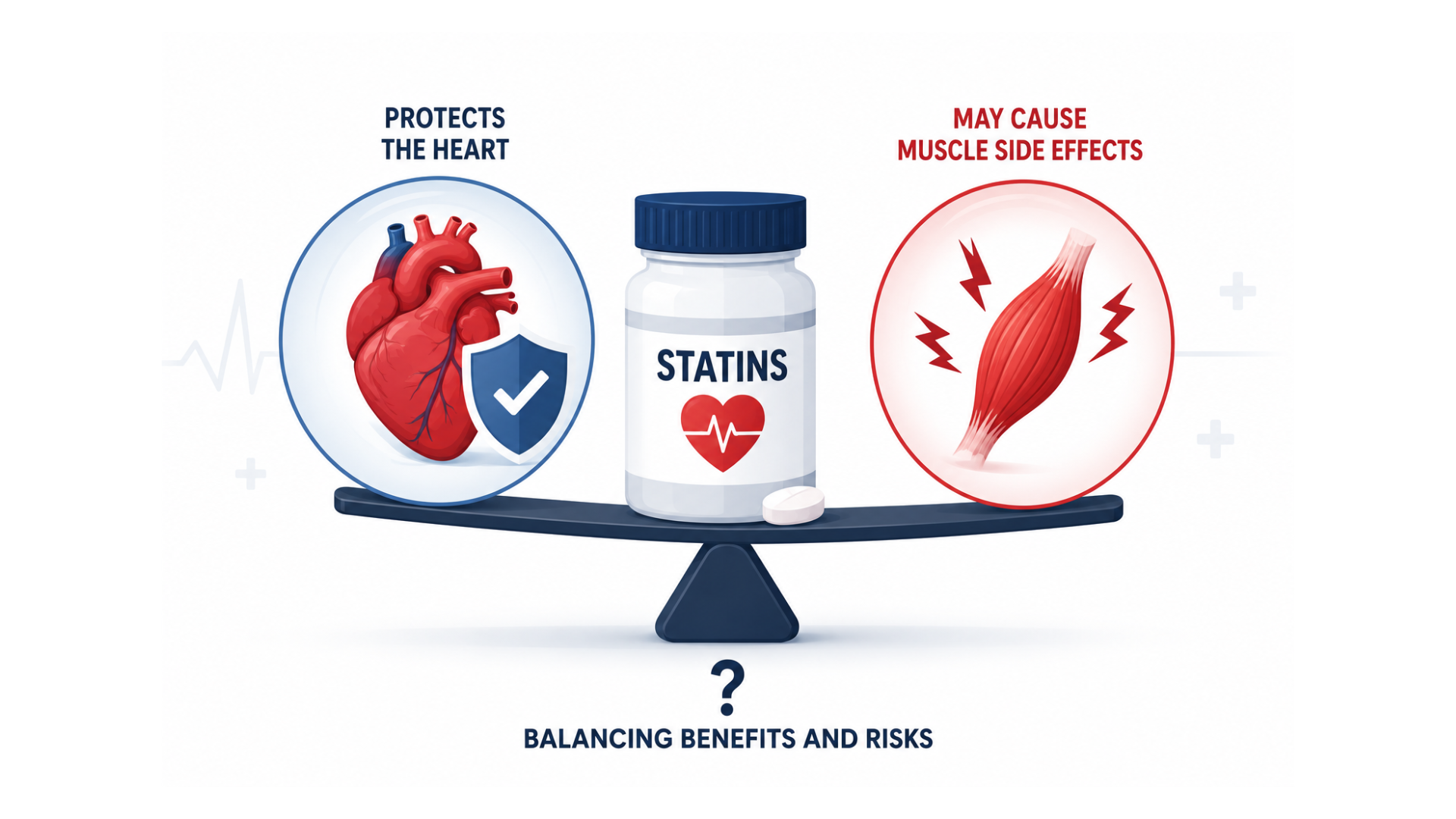
Statins are among the most commonly prescribed medications worldwide for reducing cholesterol and preventing serious cardiovascular diseases such as heart attacks and strokes.

By clicking the button, I authorize Paybima advisor to contact me via SMS, Email, Phone, WhatsApp or any other modes overriding my 'DND'.T&C Apply.
By clicking the button, I authorize Paybima advisor to contact me via SMS, Email, Phone, WhatsApp or any other modes overriding my 'DND'.T&C Apply.

