
How to Manage Rising Early Childhood Expenses with Child Insurance Plan in 2026?
Discover practical ways to tackle increasing preschool and early childcare costs in 2026 using a child insurance plan. Learn about guaranteed return plans, term insurance options, IRDAI updates, and simple strategies for parents aged 25-55 to secure their child's future without stress. Includes cost tables, tips, and FAQs.
Key Takeaways
-
Early childhood and education costs in 2026 are climbing due to high education (8-12%) and medical inflation (11.5-14%), much faster than regular price rises.
-
A child insurance plan combines life protection with structured saving or investment to meet your child’s future goals.
-
Pair it with term plans such as a 1 crore term plan for strong immediate cover and guaranteed return plans for stability.
-
Investment plans can help beat inflation, while guaranteed options reduce worry.
-
IRDAI’s implementation of Ind AS from April 2026 brings better transparency in insurer reporting.
-
Starting early in your 25-55 age group gives you the advantage of lower premiums and more time for growth.
-
Regular review and family health cover are also important parts of the plan.
Early childhood is a precious time filled with joy, learning, and rapid growth. But for many parents in India, especially in cities like Mumbai, it also brings growing financial pressure. Playschool and kindergarten fees have climbed sharply. In metro areas, annual costs for good private preschools now often range from ₹1.5 lakh to over ₹3-4 lakh in some premium spots, including extras like activities, uniforms, and transport. Healthcare, nutrition, daycare, and basic needs add more to the monthly outflow.
By the time a child reaches school age, these early expenses can feel heavy on a middle-class family budget. Inflation in education has been steady, and with more nuclear families and working parents, the need for quality care and learning starts early. A smart way to handle this is by planning ahead with a child insurance plan. These plans help build a dedicated fund for your child's needs while offering life cover for the parent. They combine protection with savings or growth options, so even if something happens to you, your child's future stays secure.
Why Early Childhood Expenses Are Rising in 2026
Several factors are pushing costs higher:
-
Preschool and daycare fees: Private institutions in major cities charge significantly more than government options. Reports show private kindergarten averaging around ₹18,000–26,000 per year nationally, but in urban metros it is much higher, with many parents facing ₹2 lakh+ annually for reputed playschools.
-
Healthcare and nutrition: Regular check-ups, vaccinations, organic foods, and supplements add up.
-
Extracurriculars and learning aids: Early exposure to robotics, languages, or arts through structured programs increases spending.
- Inflation and lifestyle: Overall cost of living, transport, and quality expectations have grown.
Estimates suggest raising a child in urban India till adulthood can cost ₹40–85 lakh or more, depending on choices, with early years taking a notable share. Without planning, these expenses can strain savings meant for other goals like home or retirement.
Parents aged 25 to 55 often worry about balancing current needs with long-term security. This is where a child insurance plan steps in as a disciplined tool.
How a Child Insurance Plan Helps Manage These Expenses
A child insurance plan is a life insurance plan designed specifically for your child's future. You (the parent) pay premiums, and the plan builds a corpus that can be used for education milestones, including early childhood needs if structured flexibly. Many plans offer:
-
Maturity benefits paid as lump sum or staggered payouts at key ages.
-
Premium waiver – if the parent passes away, future premiums are waived, and the plan continues for the child.
-
Life cover on the parent's life, ensuring funds reach the child.
-
Options for guaranteed return plans (traditional non-linked) that offer fixed or assured additions, or market-linked ULIPs for higher growth potential.
These plans encourage regular saving. Even modest monthly contributions over 10–20 years can grow into a meaningful amount to cover preschool, school fees, or higher education later.
Rising Costs at a Glance (2026 Estimates for Urban India)
Here is an approximate breakdown of early childhood expenses (ages 0-6) for a middle to upper-middle class family in a metro city:
| Expense Category | Estimated Annual Cost (₹) | Notes |
|---|---|---|
| Playschool / Preschool Fees | 1,50,000 – 3,00,000+ | Varies by city and brand; includes activities |
| Daycare (if both parents work) | 60,000 – 1,20,000 | Full-day or after-school care |
| Healthcare & Vaccinations | 15,000 – 40,000 | Check-ups, medicines, insurance top-up |
| Nutrition & Baby Essentials | 30,000 – 60,000 | Organic foods, supplements, diapers |
| Books, Toys & Learning Aids | 10,000 – 25,000 | Early learning kits, classes |
| Transport & Misc. | 20,000 – 40,000 | Uniforms, outings, etc. |
| Total Approximate (per year) | 2,85,000 – 5,85,000 | Can be lower in Tier-2 cities |
These are indicative figures based on current trends. Actual costs depend on location, choices, and inflation (assume 6-8% yearly rise).
Over 6 years, this can easily cross ₹20–30 lakh without planning. A child insurance plan helps create a separate fund that grows over time, reducing reliance on monthly salary.
Latest IRDAI Updates in 2026
The Insurance Regulatory and Development Authority of India (IRDAI) continues to focus on transparency and policyholder protection. From April 1, 2026, insurers must follow Indian Accounting Standards (Ind AS) for better financial reporting, which is expected to improve clarity in product illustrations and fund performance.
IRDAI also emphasizes fair practices in child insurance plans and guaranteed return plans. Features like premium waiver on the death of the parent remain standard in most child policies. Regulators encourage insurers to offer flexible options so families can align payouts with actual education timelines. Parents should check the latest product brochures and compare features on official or aggregator platforms before buying.
There is ongoing attention to making insurance more accessible, including for families with special needs children, following recent notices and reviews.
Building a Complete Strategy
-
Assess your needs: Calculate current early childhood costs in your city and project them forward at 8-10% annual increase.
-
Start saving/investing early: Even small monthly amounts in a child insurance plan or suitable investment plans can grow meaningfully.
-
Layer protection: Combine a child insurance plan with a separate 1 crore term plan for adequate life cover.
-
Review regularly: Life changes—new job, salary hike, or additional child—so revisit your plans every 2-3 years.
-
Use tax benefits: Premiums paid towards life insurance (including child plans) can offer benefits under Section 80C, while maturity proceeds are often tax-free if conditions are met.
Here’s a quick comparison table of common options:
| Option | Main Purpose | Risk Level | Best For |
|---|---|---|---|
| Child Insurance Plan | Education + Protection | Low to Medium | Long-term goals with security |
| Guaranteed Return Plans | Assured payouts | Low | Parents seeking certainty |
| Online Term Insurance | Pure life cover | None (protection only) | High coverage at low cost |
| Investment Plans (ULIP) | Growth-oriented savings | Medium to High | Higher return potential |
Steps to Manage Expenses Effectively with a Child Insurance Plan
-
Assess your needs: Calculate current early childhood costs and project for 5–10 years with inflation.
-
Decide the sum assured and tenure: Aim for a corpus that covers major milestones. Start early – the younger the child and parent, the lower the premiums.
-
Choose premium payment term: Opt for limited pay (e.g., 5–10 years) if cash flow is tight now.
-
Add riders wisely: Critical illness or accidental riders on the base life insurance plan can enhance protection.
-
Review annually: Track inflation and plan performance. Switch funds in ULIPs if needed.
-
Buy online where possible: Many insurers offer online term insurance and child plans with easy comparison and faster issuance.
-
Combine products: Use guaranteed return plans for safety and a 1 crore term plan for pure protection.
For parents in the 25–55 age group, starting a plan in your late 20s or 30s gives time for compounding. Even ₹5,000–10,000 monthly can build a strong fund by the time your child needs it most.
Choosing the Right Plan: Guaranteed vs Market-Linked Options
When selecting a child insurance plan, consider your risk appetite and goals:
-
Guaranteed return plans: These are safer. They offer fixed or assured returns with bonuses. Suitable if you want certainty for early expenses. Many provide loyalty additions and premium protection.
-
ULIP-based child plans: Combine insurance with investment in equity, debt, or hybrid funds. Potential for higher long-term growth but with market risks. Good for horizons of 10+ years.
-
Hybrid features: Some plans allow partial withdrawals after a lock-in for specific needs like school admission.
Pair your child insurance plan with a pure online term insurance or 1 crore term plan for higher protection at low cost. A term plan gives large life cover (e.g., ₹1 crore) at affordable premiums – often starting from a few hundred rupees per month for young parents. This ensures your family is protected even if the child plan's savings component is building slowly. Many buy a basic term plan separately and use the child insurance plan mainly for goal-based savings.
Investment plans within insurance can offer tax benefits under Section 80C (premiums) and 10(10D) for maturity (subject to conditions). Check current rules.
FAQs on How to Manage Rising Early Childhood Expenses
It is a life insurance plan that helps parents save for their child's future needs like education while providing life cover on the parent.
It builds a dedicated corpus over time. Some plans allow flexible withdrawals or staggered payouts that can support ongoing or milestone expenses.
Yes, guaranteed return plans offer more certainty with fixed or assured benefits, making them suitable for conservative parents.
Many experts recommend it. A 1 crore term plan provides high protection at low cost, while the child plan focuses on savings and goal funding.
Implementation of Ind AS from April 2026 aims for better financial transparency. Clearer policy information and policyholder protections continue to improve.
Yes, many insurers offer online term insurance and child plans with easy processes, medical tests (where needed), and quick issuance.
It depends on your income, child's age, and goals. Even ₹3,000–8,000 monthly can grow significantly over 15+ years.
Premiums may qualify under Section 80C, and maturity proceeds can be tax-free under certain conditions (Section 10(10D)). Confirm with the insurer for 2026 rules.

Author Bio
Paybima Team
Paybima is an Indian insurance aggregator on a mission to make insurance simple for people. Paybima is the Digital arm of the already established and trusted Mahindra Insurance Brokers Ltd., a reputed name in the insurance broking industry with 21 years of experience. Paybima promises you the easy-to-access online platform to buy insurance policies, and also extend their unrelented assistance with all your policy related queries and services.


Other Life Insurance Products


Latest Post
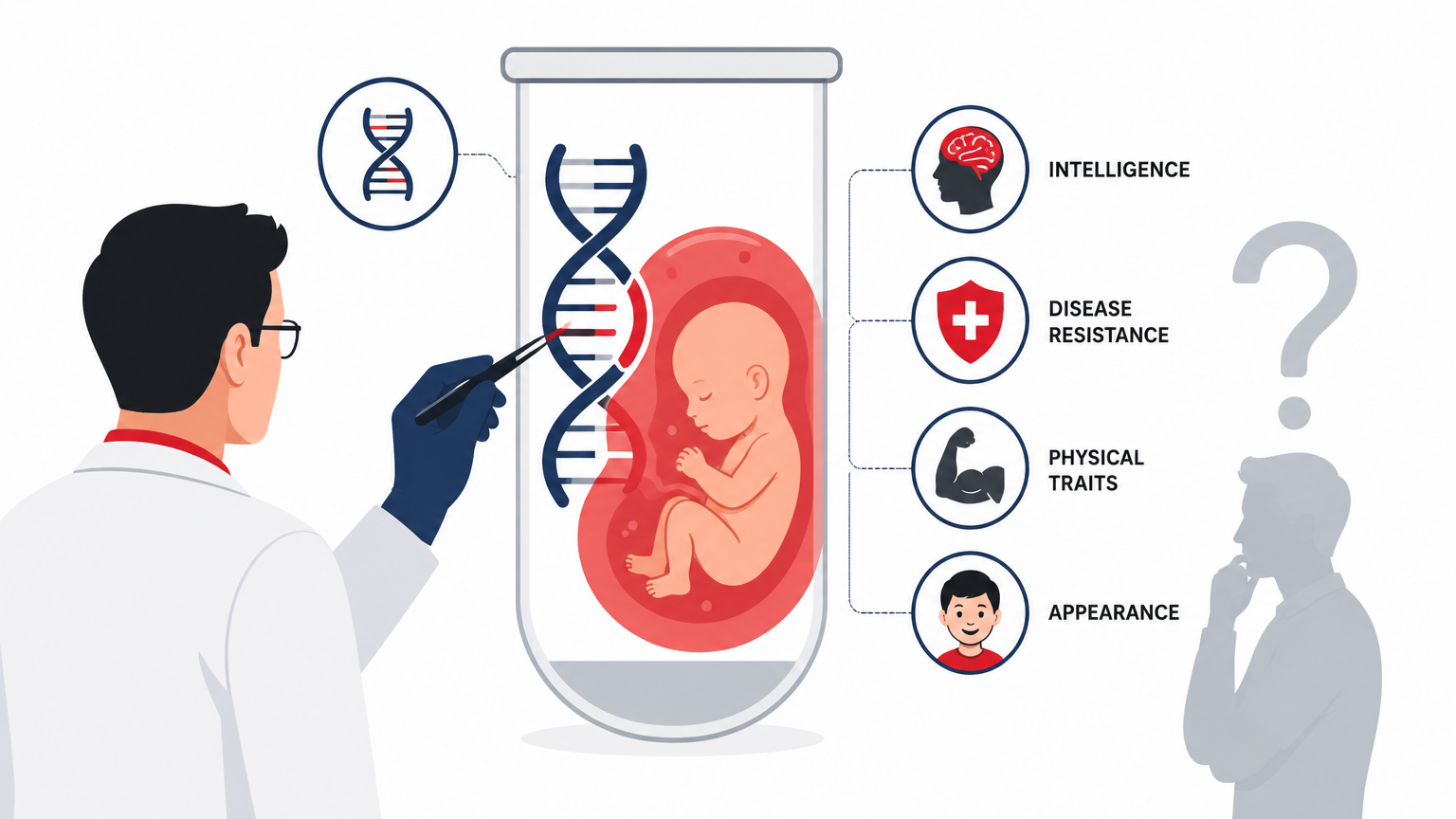
Recent scientific breakthroughs have reignited a fascinating and controversial question: Can parents one day choose specific traits for their babies, such as intelligence, height, athletic ability, or disease resistance?


Discover why Mumbai is bucking the national trend with rising HIV deaths in 2026, even as Maharashtra and India report a significant decline. This easy-to-understand guide covers the latest NACO statistics, key reasons behind Mumbai’s challenge, and practical prevention steps for working professionals aged 25 to 55.
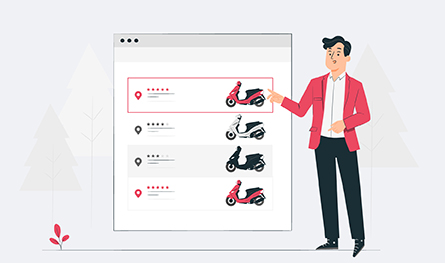
Looking for a reliable and affordable scooter in 2026? This guide covers the top 8 scooty under 1 lakh with real prices, mileage details, and why proper bike insurance matters.
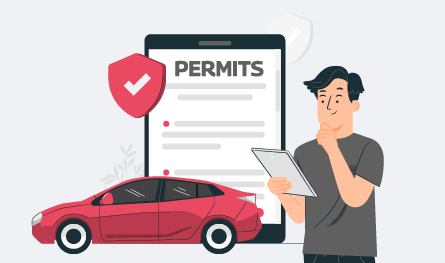
Explore everything about the All-India National Permit in 2026. This detailed guide helps truck owners, fleet operators, and transporters understand fees, types, application steps, government rules, and tips to stay compliant while saving time and money on interstate logistics.

Driving on the wrong side of the road is dangerous as it causes the risk of accidents. India’s road traffic rules strictly prohibit people from driving their bikes on the wrong side of the road. However, many bikers continue doing the same. Hence, to avoid accidents on the road due to wrong-side driving, the government has imposed strict action against defaulters.


Speak to our Advisor
+91

By clicking the button, I authorize Paybima advisor to contact me via SMS, Email, Phone, WhatsApp or any other modes overriding my 'DND'.T&C Apply.