
LIC Kanyadan Policy vs Sukanya Samriddhi Yojana 2026
.webp)
Planning for your daughter’s education and marriage? Discover a clear comparison between LIC Kanyadan Policy and Sukanya Samriddhi Yojana – two popular investment plans offering security and growth. Updated for 2026 with latest rates and rules.
Overview
For parents aged 25-55, planning your daughter’s secure future is essential. Investment plans that combine safety, growth, and protection help achieve goals like higher education, marriage, or financial independence.
Two leading options in India are the Sukanya Samriddhi Yojana (SSY) — a pure government savings scheme — and LIC Kanyadan Policy, commonly based on LIC Jeevan Lakshya Plan 733 (a child insurance plan with life cover and savings).
SSY focuses on high guaranteed return plans with full tax-free benefits. LIC Kanyadan adds life insurance plan protection, including premium waiver if the parent passes away and annual income support. Many families use both for balanced benefits.
Key Features Comparison Table (Updated 2026)
| Parameter | Sukanya Samriddhi Yojana (SSY) | LIC Kanyadan Policy (Jeevan Lakshya 733) |
|---|---|---|
| Scheme Type | Government small savings scheme | Non-linked participating life insurance plan + savings |
| Eligibility | Girl child <10 years; Parent/guardian opens | Parent 18-50 years; Daughter usually 1+ year |
| Min/Max Investment | ₹250 – ₹1.5 lakh per year | No upper limit (Min Sum Assured ~₹1-2 lakh) |
| Interest/Returns | 8.2% p.a. compounded annually (Q1 FY 2026-27) | Guaranteed Sum Assured + Simple Reversionary Bonuses + Final Additional Bonus |
| Deposit/Premium Period | Deposits up to 15 years | Policy term 13-25 years; Premium Paying Term = Term – 3 years |
| Maturity Age | Girl turns 21 years | End of policy term |
| Life Cover & Benefits | No life cover | Death: Lump sum (110% SA or 7x premium) + 10% SA annual income till maturity + bonuses; Premium waiver |
| Tax Benefits | EEE (fully tax-free under 80C) | 80C on premiums; Maturity usually exempt u/s 10(10D) |
| Government/IRDAI Backing | Sovereign guarantee | LIC (regulated by IRDAI) + profit participation |
| Risk Level | Very low | Low (guaranteed + bonuses) |
| Additional Facilities | Partial withdrawal (50% after 18 for education); Transferable | Loan after 1-2 years; Optional riders (accident, critical illness) |
Sukanya Samriddhi Yojana (SSY) – In-Depth Benefits & Rules
Launched under Beti Bachao Beti Padhao, SSY encourages savings for girl children.
Latest 2026 Updates:
-
Interest rate remains 8.2% p.a. compounded annually for April-June 2026 (Q1 FY 2026-27). Reviewed quarterly by Ministry of Finance; stable since early 2024.
-
Over 4+ crore accounts opened as of recent government data, showing massive popularity.
-
Full EEE tax status: Contribution deductible u/s 80C (up to ₹1.5 lakh), interest and maturity completely tax-free.
Key Benefits:
-
High guaranteed returns, often better than bank FDs or PPF for long term.
-
Flexible annual deposits – no penalty for missing a year, but consistent investing maximizes corpus.
-
Partial withdrawal: Up to 50% of balance after girl turns 18 for higher education.
-
Full withdrawal at maturity (age 21) or marriage after 18. Premature closure allowed in exceptional cases (e.g., marriage before 18 with conditions or medical needs).
-
Account transferable across India (post office/banks).
-
In case of girl child’s death, balance paid to parents with interest.
Government Rules & Regulations (2026):
-
Only one account per girl child (maximum two per family if two girls).
-
Must be opened before girl turns 10.
-
Operated by natural/legal guardian until girl turns 18.
-
No major rule changes in 2025-26; scheme governed by Sukanya Samriddhi Account Scheme, 2019 (updated from 2016 rules).
Step-by-Step Account Opening Process:
-
Visit nearest Post Office or authorized bank (SBI, HDFC, ICICI, Axis, etc.).
-
Fill SSA-1 form.
-
Submit: Girl child’s birth certificate, guardian’s Aadhaar, PAN, address proof, photograph, and initial deposit (₹250+).
-
Account opens instantly; receive passbook or statement. Online transfer/deposits possible via net banking in many banks.
-
Track via official NSI India portal or bank apps.
Example Projection (at 8.2%): Investing ₹1.5 lakh annually for 15 years can grow to a substantial tax-free corpus (use official calculators for exact figures).
LIC Kanyadan Policy (Jeevan Lakshya) – Detailed Features & Benefits
Marketed as Kanyadan Policy by agents, this is primarily LIC Jeevan Lakshya Plan 733 (earlier variants like 833/933). It offers savings with strong protection.
Key Benefits:
-
Death Benefit: Higher of 7 times annualized premium or 110% of Basic Sum Assured + vested bonuses + Final Additional Bonus. Additionally, 10% of Sum Assured paid as annual income from policy anniversary after death until maturity.
-
Premium Waiver Benefit: All future premiums waived if the policyholder (parent) dies; policy continues for the child.
-
Maturity Benefit: Basic Sum Assured + Simple Reversionary Bonuses + Final Additional Bonus.
-
Loan Facility: Available after certain premiums paid for liquidity needs.
-
Riders: Add-ons for accidental death, disability, or critical illness.
-
Suitable for parents seeking child insurance plan security beyond pure savings.
Eligibility & Terms (2026):
-
Entry age: 18-50 years for parent.
-
Policy term: 13-25 years.
-
Minimum Sum Assured: Typically ₹1 lakh+ (no upper limit).
-
Maturity age of life assured up to 65 years.
Latest Updates: Plan remains active with standard bonuses declared by LIC. IRDAI regulations ensure transparency in illustrations and charges. Tax benefits follow current income tax rules (80C + 10(10D) subject to conditions).
How to Buy:
-
Contact LIC agent, visit branch, or use LIC website/app.
-
Fill proposal form; provide health declaration/medical tests (if high Sum Assured).
-
Submit KYC (Aadhaar, PAN), income proof, daughter’s birth certificate.
-
Pay first premium; policy issued after underwriting (usually quick for standard cases).
LIC Kanyadan vs SSY – Which Should You Choose?
-
Choose SSY for maximum tax efficiency, simplicity, and high guaranteed returns without medical tests. Ideal for risk-averse families.
-
Choose LIC Kanyadan if you need life cover, premium waiver, and annual income support. It acts as a complete child insurance plan.
-
Best Strategy: Combine both – use SSY for core savings (up to ₹1.5 lakh) and LIC for protection with additional corpus. Diversify further with mutual funds or PPF for balanced investment plans.
FAQs on LIC Kanyadan Policy vs Sukanya Samriddhi Yojana 2026
SSY is a pure tax-free savings scheme. LIC Kanyadan is a life insurance plan with protection, premium waiver, and annual income benefits.
SSY offers fixed 8.2%. LIC returns depend on bonuses but include life cover value.
Yes – highly recommended for combined savings and protection.
It offers savings + maturity benefits unlike pure term plan (which has no survival payout).
SSY: Complete EEE. LIC: Premiums under 80C; maturity usually tax-free u/s 10(10D) if conditions met.
Premiums waived + death benefits + 10% annual income to family/child.
No major changes. SSY rate stable at 8.2%; LIC follows IRDAI guidelines on illustrations and policy servicing.
SSY: ₹250–₹1.5 lakh/year. LIC: Flexible based on Sum Assured.
SSY mainly for residents. LIC possible for NRIs under specific rules – check eligibility.
Use official SSY calculators on India Post/NSI sites and LIC policy illustrations/bon

Author Bio
Paybima Team
Paybima is an Indian insurance aggregator on a mission to make insurance simple for people. Paybima is the Digital arm of the already established and trusted Mahindra Insurance Brokers Ltd., a reputed name in the insurance broking industry with 21 years of experience. Paybima promises you the easy-to-access online platform to buy insurance policies, and also extend their unrelented assistance with all your policy related queries and services.


Other Life Insurance Products


Latest Post
Buying a car doesn't always mean breaking the bank. If you're looking for an affordable vehicle that doesn't compromise on quality or reliability, 2026 is a great year to make your purchase.

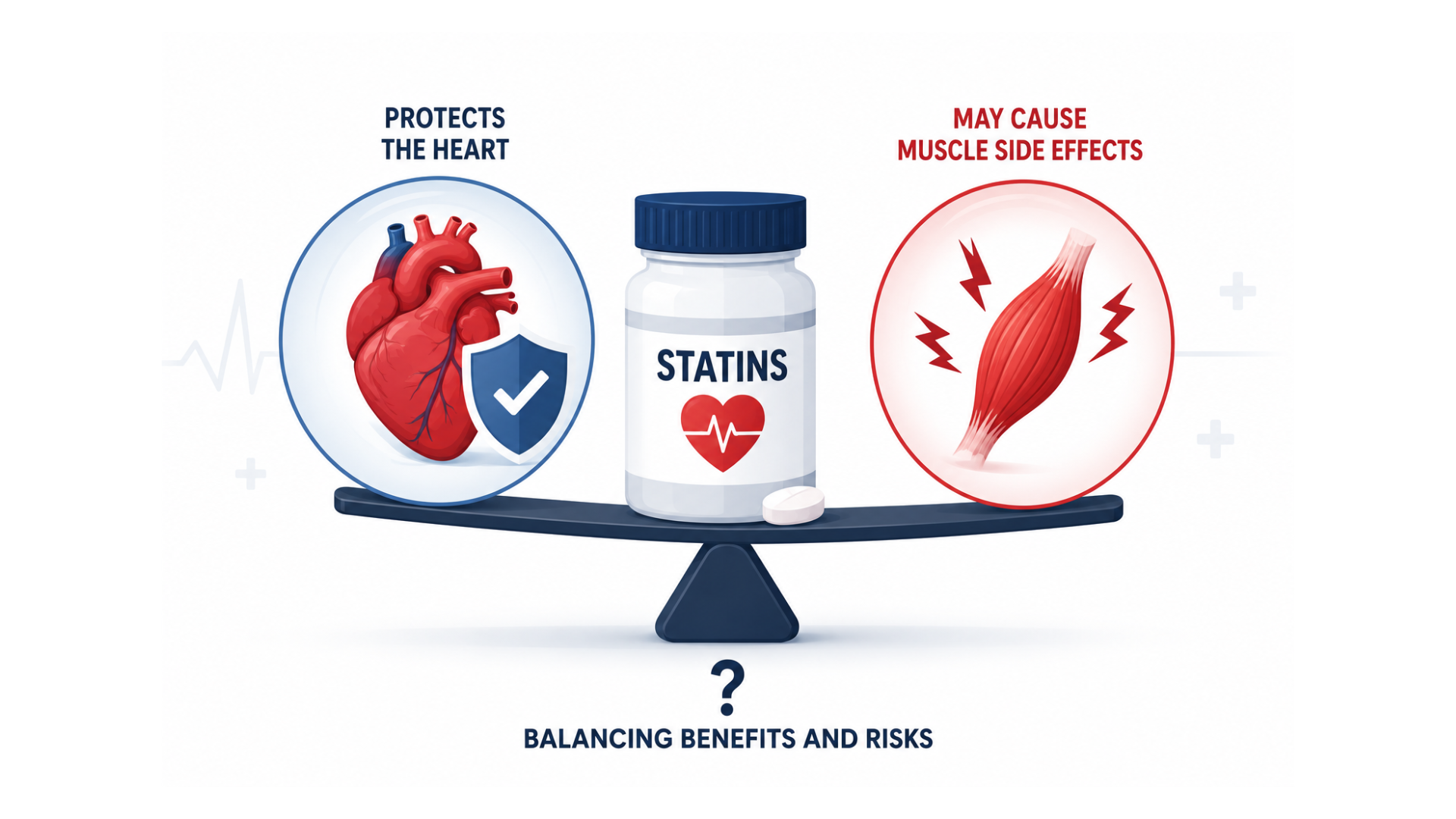
Statins are among the most commonly prescribed medications worldwide for reducing cholesterol and preventing serious cardiovascular diseases such as heart attacks and strokes.

Explore everything about the All-India National Permit in 2026. This detailed guide helps truck owners, fleet operators, and transporters understand fees, types, application steps, government rules, and tips to stay compliant while saving time and money on interstate logistics.
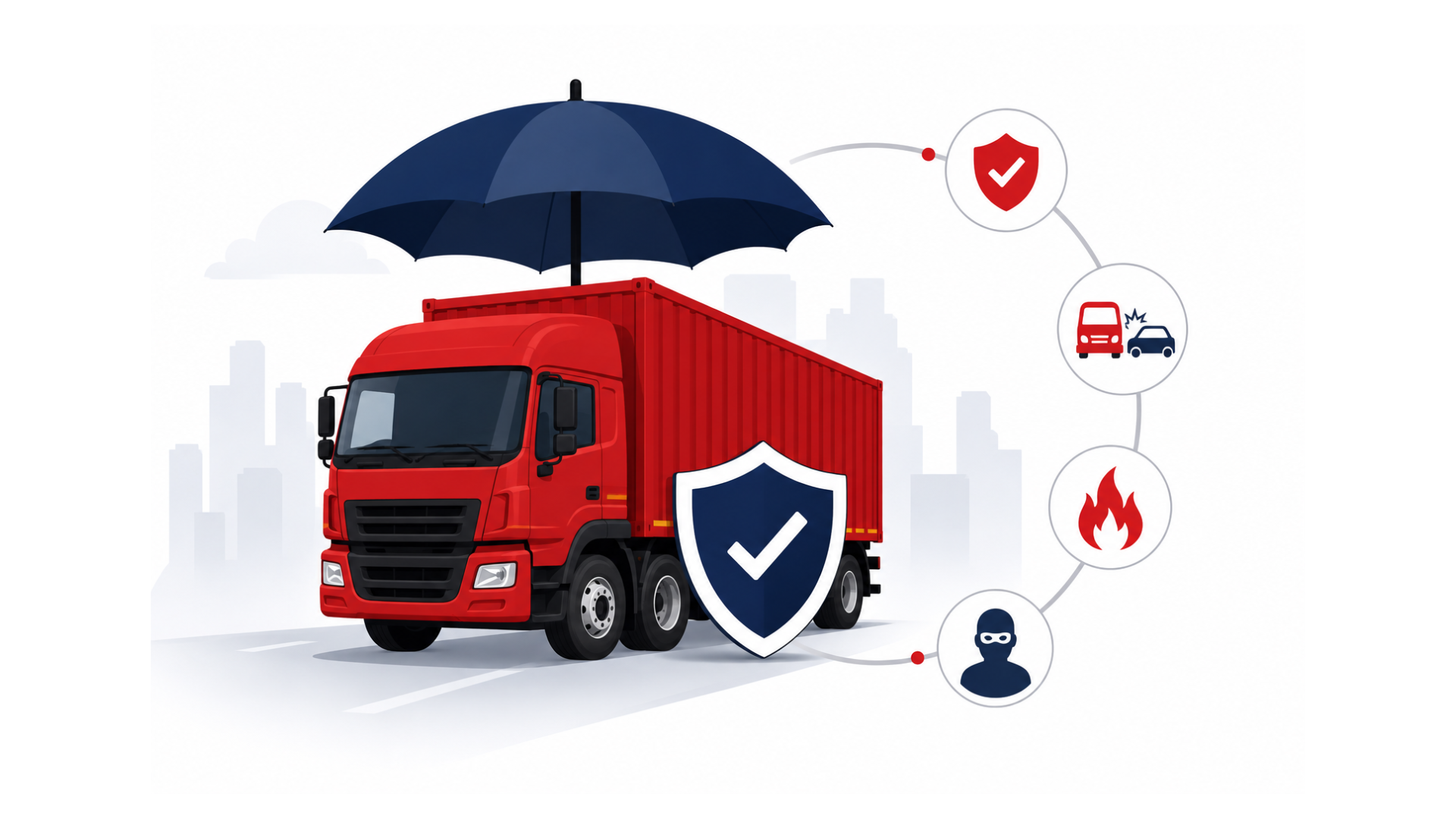
Commercial vehicles are the backbone of India's transportation and logistics industry. From trucks carrying goods across states to taxis, buses, school vans, ambulances, auto-rickshaws, and delivery vehicles serving daily commuters and businesses, these vehicles play a vital role in the country's economy.


Speak to our Advisor
+91

By clicking the button, I authorize Paybima advisor to contact me via SMS, Email, Phone, WhatsApp or any other modes overriding my 'DND'.T&C Apply.