
Food Poisoning Warning Signs Doctors Are Seeing
Food poisoning is often dismissed as a temporary stomach upset. But recent medical reports and news coverage show that it can sometimes become far more serious. Doctors across India have warned that untreated food poisoning can lead to severe dehydration and even kidney damage, especially during hot weather when bacteria grow rapidly in food.
Recent coverage in The Times of India highlights how rising temperatures and poor food handling are increasing cases of gastrointestinal infections. Doctors say that even food that “looks fine and smells fine” can become unsafe within hours if left unrefrigerated, because bacteria multiply quickly in heat.
This growing concern is also a reminder of why families should focus on both preventive health habits and financial protection through tools like health insurance, Family Health Plans, Critical Illness Insurance, life insurance, and term insurance. While insurance cannot prevent illness, it helps families manage medical costs during unexpected health emergencies.
Key Takeaways
-
Food poisoning cases increase during hot weather due to rapid bacterial growth in food.
-
Common symptoms include vomiting, diarrhea, stomach pain, and fever.
-
Severe dehydration from food poisoning can lead to kidney dysfunction or organ damage if untreated.
-
Doctors warn that contaminated street food, cut fruits, and poorly stored meals are major risk factors.
-
Children and elderly individuals are at higher risk of complications.
-
Medical expenses from severe infections highlight the importance of Family Health Plans and Critical Illness Insurance.
-
Long-term financial protection through life insurance, term insurance, and Saral Jeevan Bima can safeguard families from unexpected crises.
Food Poisoning Cases Rising: What Doctors Are Seeing
In recent news reports, doctors have observed an increase in gastrointestinal infections during periods of intense heat. Medical professionals say that high temperatures accelerate the growth of bacteria such as E. coli, Salmonella, and Staphylococcus in improperly stored food.
Even meals prepared at home can become unsafe if they remain outside refrigeration for several hours. Cut fruits, street food, dairy products, and uncovered drinks are particularly vulnerable to contamination.
Doctors in cities such as Pune have also reported a surge in patients experiencing diarrhea, vomiting, and dehydration, often linked to unsafe food or water consumption during hot weather.
Many of these patients initially believe they only have mild food poisoning. However, delayed treatment can allow the infection to worsen.
Common Food Poisoning Symptoms Doctors Highlight
Food poisoning symptoms can appear within a few hours after eating contaminated food, although in some cases they may take a few days to develop.
Medical experts say these symptoms occur because the immune system reacts to bacteria or toxins present in contaminated food.
Most cases recover within a few days, but some can progress into more serious complications.
When Food Poisoning Becomes Dangerous
Doctors warn that some cases of food poisoning can cause serious complications.
One of the biggest risks is severe dehydration, which occurs when repeated vomiting and diarrhea cause the body to lose large amounts of water and electrolytes.
If dehydration becomes severe, it can affect multiple organs — including the kidneys.
Kidney Damage Risk
Certain bacteria, especially E. coli, can trigger a condition known as hemolytic uremic syndrome, which may lead to kidney failure.
Doctors warn that symptoms indicating serious complications include:
-
Very little urine
-
Extreme weakness
-
Persistent vomiting
-
Blood in stool
-
Severe abdominal pain
If these signs appear, immediate medical treatment is necessary.
Why Summer Increases Food Poisoning Risk
Medical experts say warm temperatures create the perfect environment for bacteria to grow quickly in food.
Doctors say that people often underestimate how quickly food becomes unsafe in hot weather.
In many cases, a meal prepared hours earlier may already contain harmful bacteria by the time it is consumed.
Prevention: Simple Habits Doctors Recommend
Doctors advise following basic hygiene and food safety practices to reduce the risk of food poisoning.
Some of the most effective steps include:
-
Eat freshly cooked food whenever possible
-
Refrigerate leftovers quickly
-
Avoid cut fruits sold on the street
-
Drink safe, filtered water
-
Wash fruits and vegetables properly
-
Avoid reheating food multiple times
These precautions are especially important during the summer months.
The Financial Impact of Medical Emergencies
While food poisoning is often mild, severe cases may require hospitalisation for IV fluids, tests, and monitoring.
This is where health insurance becomes extremely important.
A comprehensive policy can help cover:
-
Emergency hospitalisation
-
Diagnostic tests
-
ICU care if complications arise
Families often rely on Family Health Plans because they cover multiple members under a single policy.
Why Financial Protection Matters
Health crises can have long-term financial consequences for families. This is why financial experts recommend combining different types of protection:
1.Family Health Plans
These plans cover hospitalisation expenses for the entire family and help reduce the financial burden of unexpected illnesses.
2.Critical Illness Insurance
If a serious complication such as kidney failure occurs, Critical Illness Insurance provides a lump sum payout that can be used for treatment or recovery.
3.Term Insurance
A term insurance policy ensures financial protection for dependents if the primary earner passes away.
4.Life Insurance and Saral Jeevan Bima
Government-backed options such as Saral Jeevan Bima make life insurance accessible and affordable for many Indian families.
Together, these financial tools create a safety net that protects both health and long-term financial stability.
Why Awareness Is Important
Doctors repeatedly stress that many people ignore early symptoms of food poisoning, assuming they will resolve on their own.
While this is often true, severe infections can escalate quickly.
Timely medical attention and preventive food safety habits can prevent serious complications such as dehydration, organ damage, and kidney failure.
FAQs
The earliest symptoms usually include nausea, vomiting, diarrhea, stomach cramps, and mild fever.
Yes. Certain bacteria such as E. coli can lead to complications like hemolytic uremic syndrome, which may cause kidney failure if untreated.
Seek medical care if symptoms last more than two days, include blood in stool, severe dehydration, or persistent vomiting.
Children, elderly individuals, pregnant women, and people with weak immune systems face the highest risk of complications.
A good Family Health Plan can cover hospitalisation costs, diagnostic tests, and emergency treatment required for severe infections.

Author Bio
Paybima Team
Paybima is an Indian insurance aggregator on a mission to make insurance simple for people. Paybima is the Digital arm of the already established and trusted Mahindra Insurance Brokers Ltd., a reputed name in the insurance broking industry with 21 years of experience. Paybima promises you the easy-to-access online platform to buy insurance policies, and also extend their unrelented assistance with all your policy related queries and services.


Other Life Insurance Products


Latest Post

Buying a car doesn't always mean breaking the bank. If you're looking for an affordable vehicle that doesn't compromise on quality or reliability, 2026 is a great year to make your purchase.

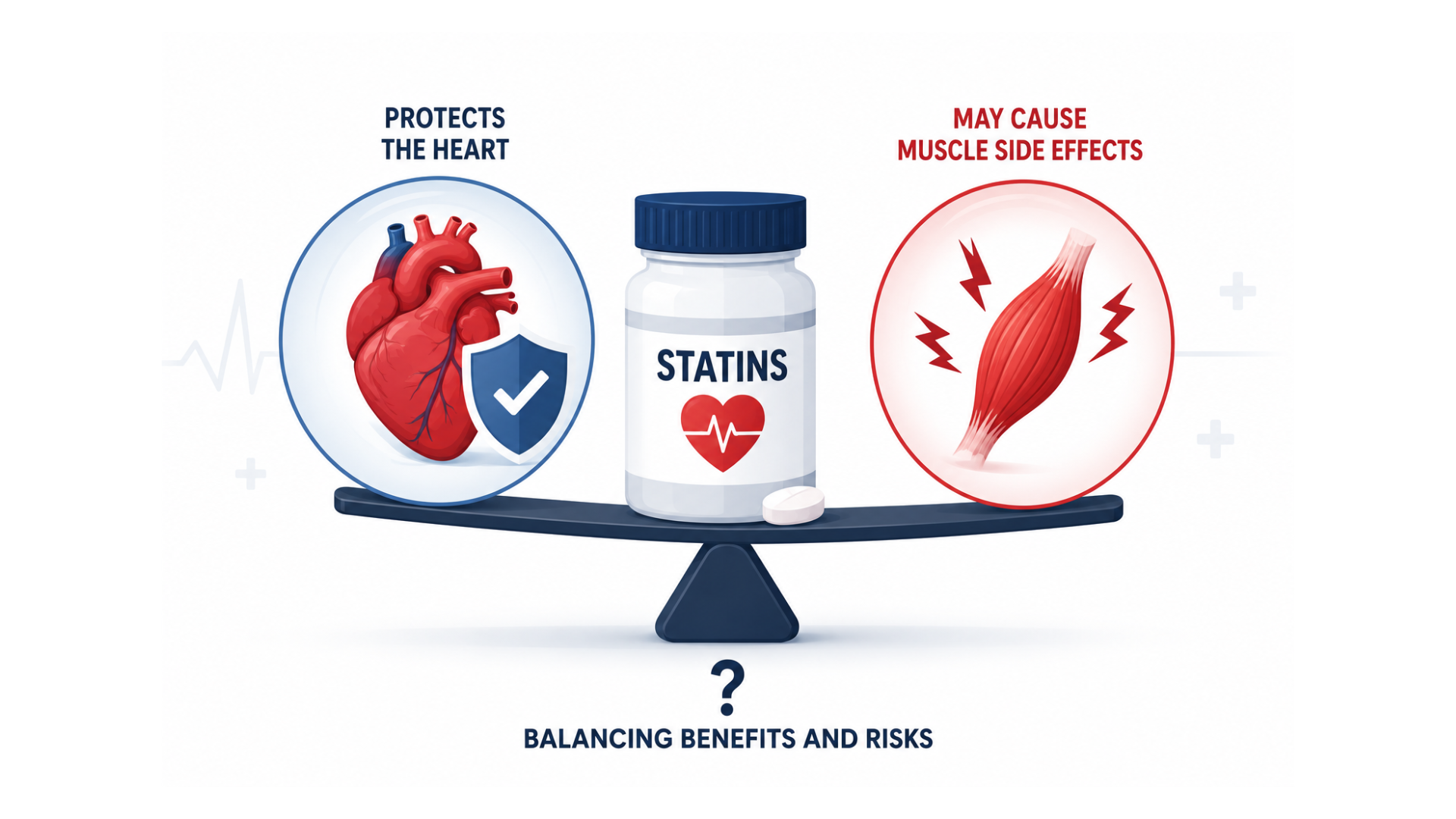
Statins are among the most commonly prescribed medications worldwide for reducing cholesterol and preventing serious cardiovascular diseases such as heart attacks and strokes.
Explore everything about the All-India National Permit in 2026. This detailed guide helps truck owners, fleet operators, and transporters understand fees, types, application steps, government rules, and tips to stay compliant while saving time and money on interstate logistics.
Commercial vehicles are the backbone of India's transportation and logistics industry. From trucks carrying goods across states to taxis, buses, school vans, ambulances, auto-rickshaws, and delivery vehicles serving daily commuters and businesses, these vehicles play a vital role in the country's economy.


Speak to our Advisor
+91

By clicking the button, I authorize Paybima advisor to contact me via SMS, Email, Phone, WhatsApp or any other modes overriding my 'DND'.T&C Apply.