
Don’t Cut Education or Health Budget for Oil Subsidy
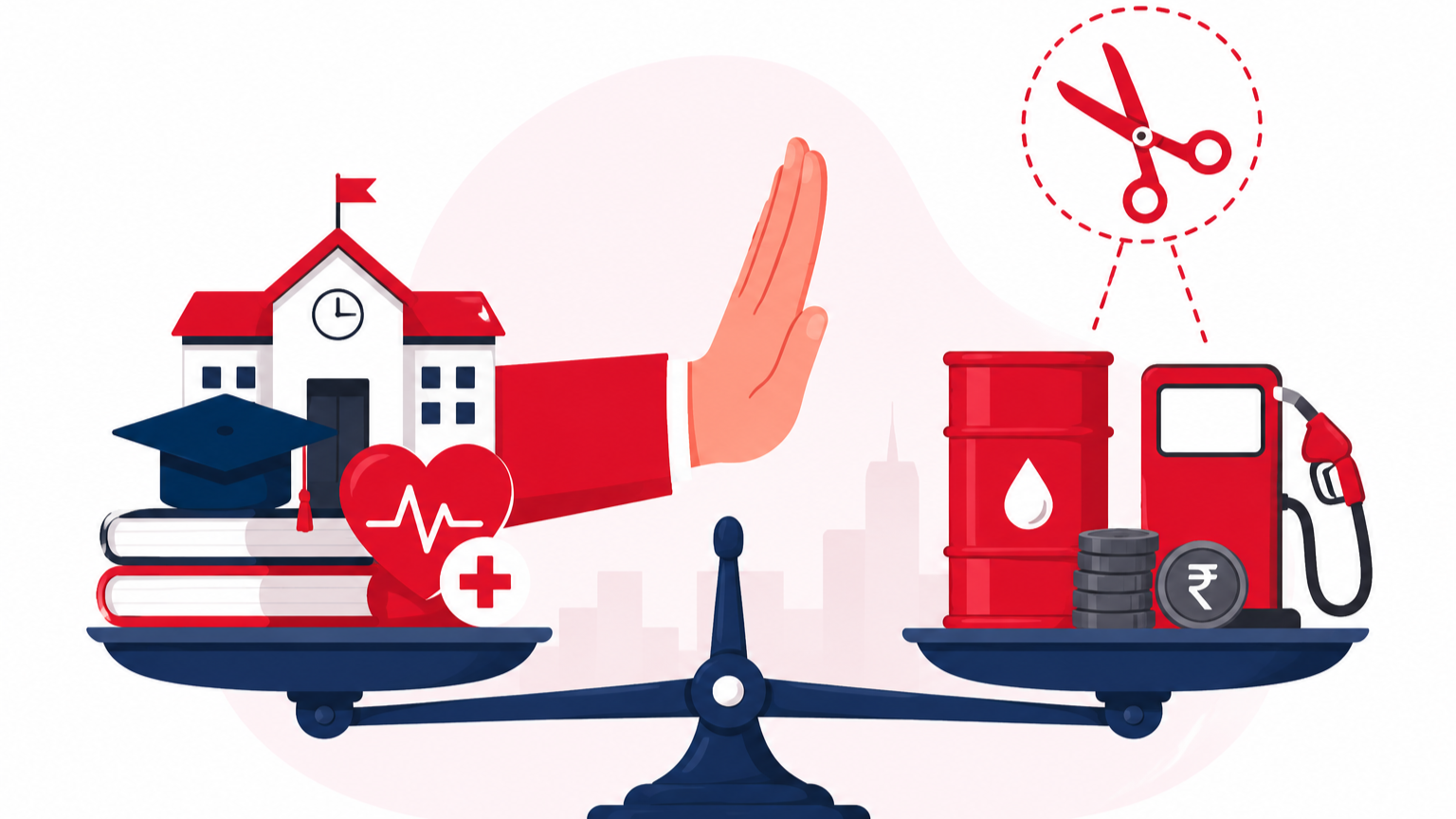
India’s ongoing debate over fuel subsidies has sparked strong reactions from economists and policy experts. Recently, several analysts warned that cutting budgets for education or healthcare to fund oil subsidies could harm long-term economic growth and social welfare.
The discussion has gained attention after policy experts highlighted that essential sectors such as education and healthcare play a far more critical role in improving the quality of life than short-term relief through fuel subsidies.
While fuel price relief can help households deal with inflation, experts argue that diverting funds away from education and healthcare could weaken public infrastructure, reduce social protection, and impact millions who depend on government services.
Key Takeaways
-
Economists warn against cutting education and healthcare budgets to fund fuel subsidies.
-
Oil subsidies may provide short-term relief but can create long-term economic strain.
-
Healthcare and education spending directly influence human development and economic productivity.
-
Policy experts recommend targeted subsidies instead of universal fuel subsidies.
-
Strong public spending on healthcare ensures better financial protection for citizens.
Why the Debate Around Oil Subsidies Has Intensified
Oil subsidies are financial support provided by the government to keep fuel prices affordable for consumers. When global crude oil prices rise, governments sometimes intervene to prevent sudden increases in fuel prices.
However, funding such subsidies requires significant government spending. According to policy experts, reallocating funds from sectors like education and healthcare could create long-term problems.
For example, healthcare systems require continuous investment to maintain hospitals, provide medicines, support medical research, and improve public health infrastructure. Similarly, education budgets support schools, teachers, scholarships, and skill development programs.
If these budgets are reduced, it could weaken the country's human capital development.
Impact of Budget Cuts on Public Welfare
Reducing funds allocated to essential sectors can affect millions of citizens, particularly those who rely on government-supported services.
Experts believe that strong investments in education and healthcare are essential for long-term national development.
Why Healthcare Spending Matters
Healthcare is one of the most critical areas where government investment has a direct impact on people’s lives. Increased spending on healthcare leads to better hospitals, more medical professionals, and improved disease prevention programs.
Countries that invest heavily in healthcare often experience better life expectancy, lower mortality rates, and improved economic productivity.
Healthcare spending also reduces the financial burden on families, particularly during medical emergencies. Many households rely on health insurance policies to manage medical costs, but government healthcare systems remain the backbone for millions who cannot afford private treatment.
Oil Subsidies vs Long-Term Development
While oil subsidies can temporarily reduce fuel prices, economists argue that they do not always benefit the population equally.
Higher-income households often consume more fuel than lower-income households. As a result, universal fuel subsidies may end up benefiting wealthier groups more than poorer households.
Policy experts suggest that instead of broad subsidies, governments should adopt targeted assistance programs that support vulnerable populations without compromising essential public services.
Benefits of Investing in Education and Healthcare
These benefits highlight why economists believe that cutting funds from these sectors could have serious consequences.
Policy Experts Recommend Balanced Fiscal Strategy
Experts suggest that governments should adopt a balanced fiscal approach rather than shifting resources from essential services.
Possible strategies include:
-
Targeted fuel subsidies for low-income households
-
Improving energy efficiency and reducing dependency on imported oil
-
Investing in renewable energy sources
-
Strengthening healthcare and education infrastructure
Such measures can help governments manage inflation without sacrificing long-term development priorities.
Role of Financial Protection and Insurance
Healthcare expenses can become a major financial burden for families, especially during medical emergencies. This is where financial planning and insurance solutions become important.
Many families rely on health insurance policies to manage hospitalization expenses and medical treatments. Timely health insurance renewal ensures that individuals maintain uninterrupted coverage and financial protection during emergencies.
When medical emergencies occur, policyholders can file a health insurance claim to receive financial assistance for treatment expenses. This reduces the risk of sudden financial strain on families.
Similarly, financial planning tools such as a child plan help parents secure funds for their children's education and future needs, especially in times of economic uncertainty.
These financial tools complement government initiatives and help households build financial security.
Why Public Spending Should Remain a Priority
Economic experts emphasize that strong public investment in healthcare and education is essential for sustainable development.
Instead of diverting funds from these critical sectors, policymakers should focus on improving fiscal efficiency, expanding tax revenues, and developing long-term economic strategies.
Maintaining strong healthcare and education systems ensures that future generations receive better opportunities and improved living standards.
Sources
-
Times of India – Policy Debate on Oil Subsidies and Budget Allocation
-
Economic policy discussions on government subsidy programs
-
Public finance and welfare spending reports
FAQs
Experts believe that reducing spending in these sectors can harm long-term economic growth, public welfare, and human development.
Oil subsidies are government financial supports used to keep fuel prices lower for consumers during periods of rising global oil prices.
Higher healthcare spending improves hospitals, medical services, and disease prevention programs, ensuring better health outcomes for citizens.
Health insurance helps individuals manage medical expenses during emergencies and ensures access to necessary treatments without financial stress.
A child plan is a financial product designed to help parents save and invest for their child’s education and future expenses.

Author Bio
Paybima Team
Paybima is an Indian insurance aggregator on a mission to make insurance simple for people. Paybima is the Digital arm of the already established and trusted Mahindra Insurance Brokers Ltd., a reputed name in the insurance broking industry with 21 years of experience. Paybima promises you the easy-to-access online platform to buy insurance policies, and also extend their unrelented assistance with all your policy related queries and services.


Latest Post
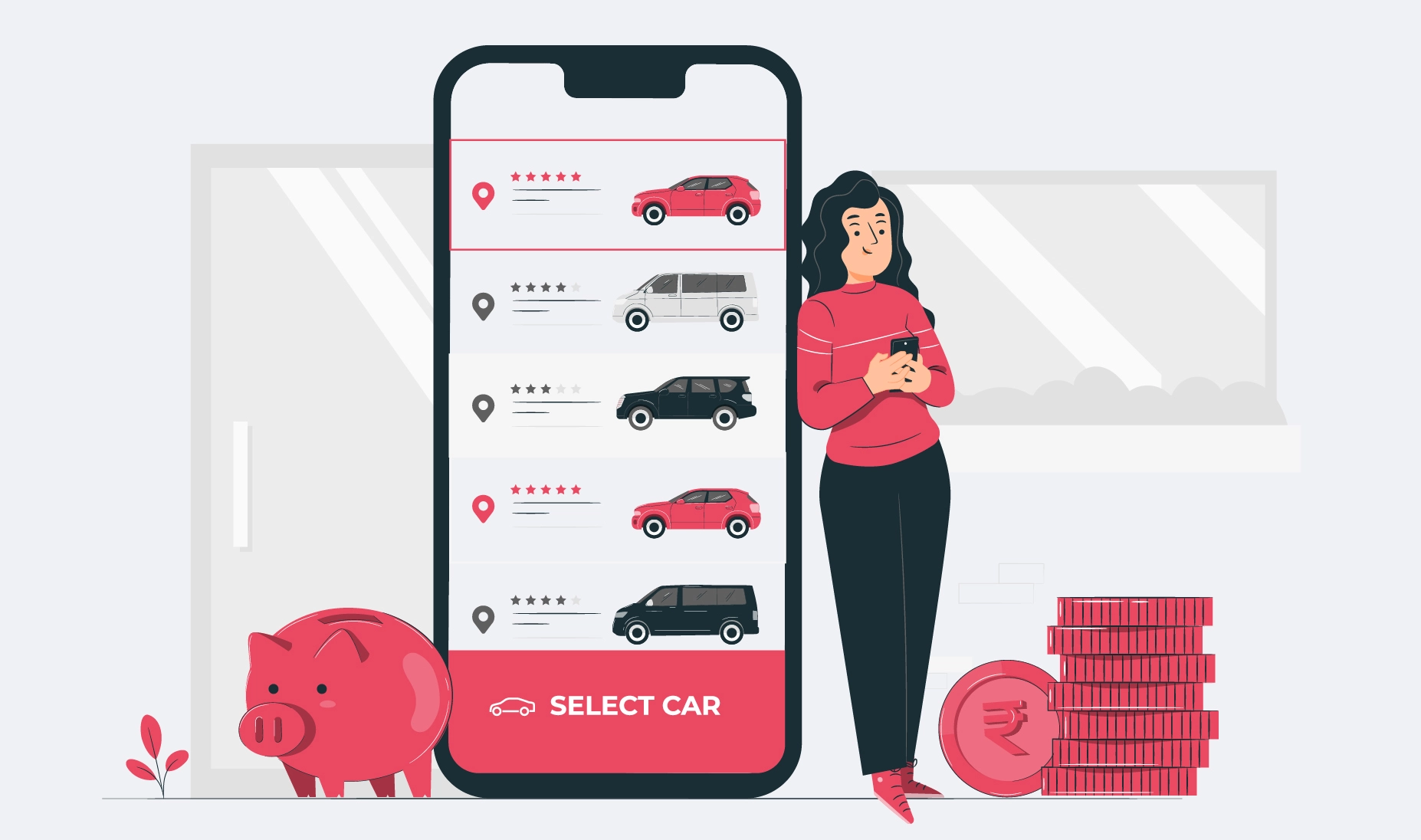
Buying a car doesn't always mean breaking the bank. If you're looking for an affordable vehicle that doesn't compromise on quality or reliability, 2026 is a great year to make your purchase.

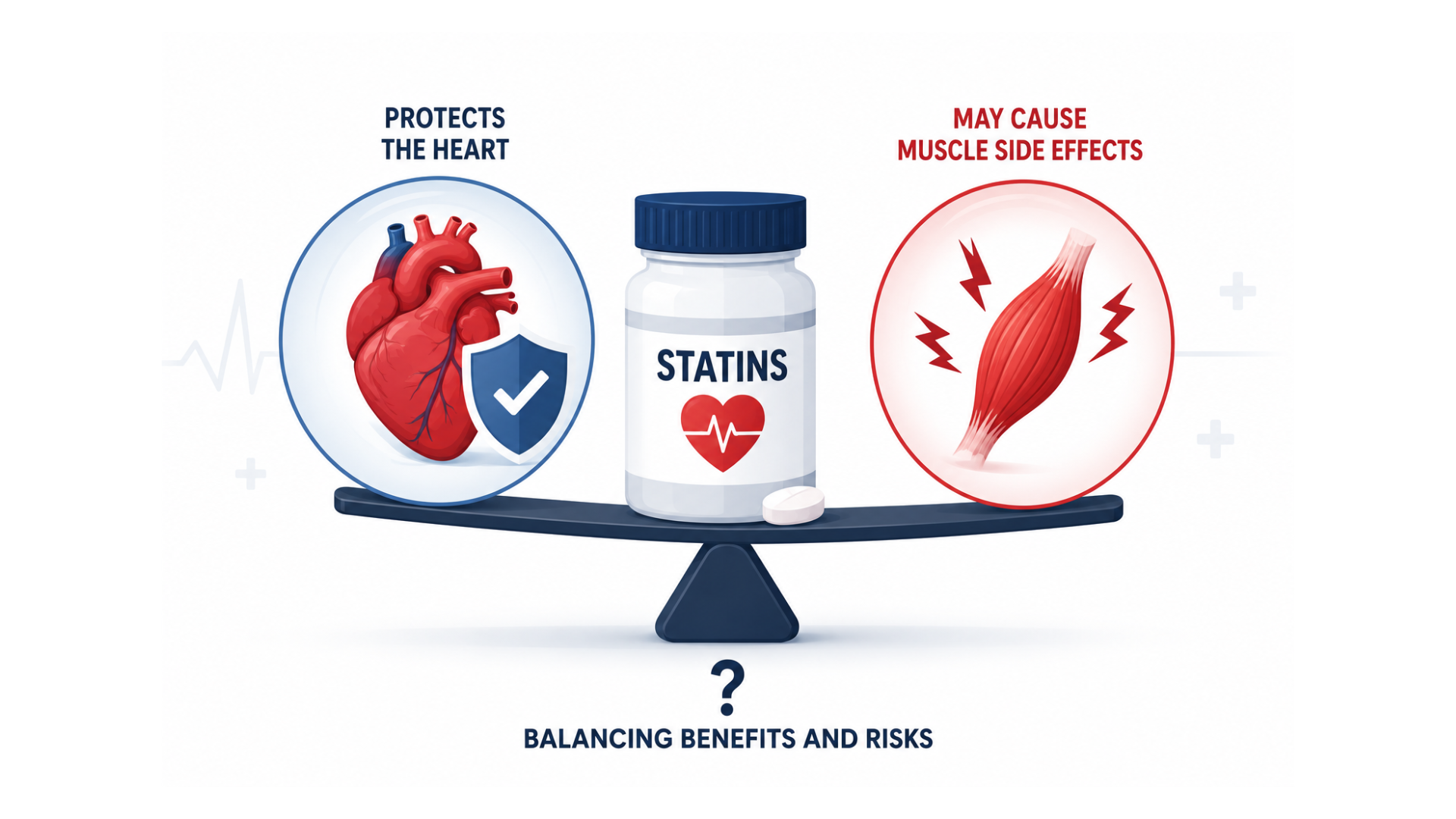
Statins are among the most commonly prescribed medications worldwide for reducing cholesterol and preventing serious cardiovascular diseases such as heart attacks and strokes.
Explore everything about the All-India National Permit in 2026. This detailed guide helps truck owners, fleet operators, and transporters understand fees, types, application steps, government rules, and tips to stay compliant while saving time and money on interstate logistics.
Commercial vehicles are the backbone of India's transportation and logistics industry. From trucks carrying goods across states to taxis, buses, school vans, ambulances, auto-rickshaws, and delivery vehicles serving daily commuters and businesses, these vehicles play a vital role in the country's economy.


Speak to our Advisor
+91

By clicking the button, I authorize Paybima advisor to contact me via SMS, Email, Phone, WhatsApp or any other modes overriding my 'DND'.T&C Apply.