
Family Travel Insurance: Multi-Trip vs Single-Trip Comparison
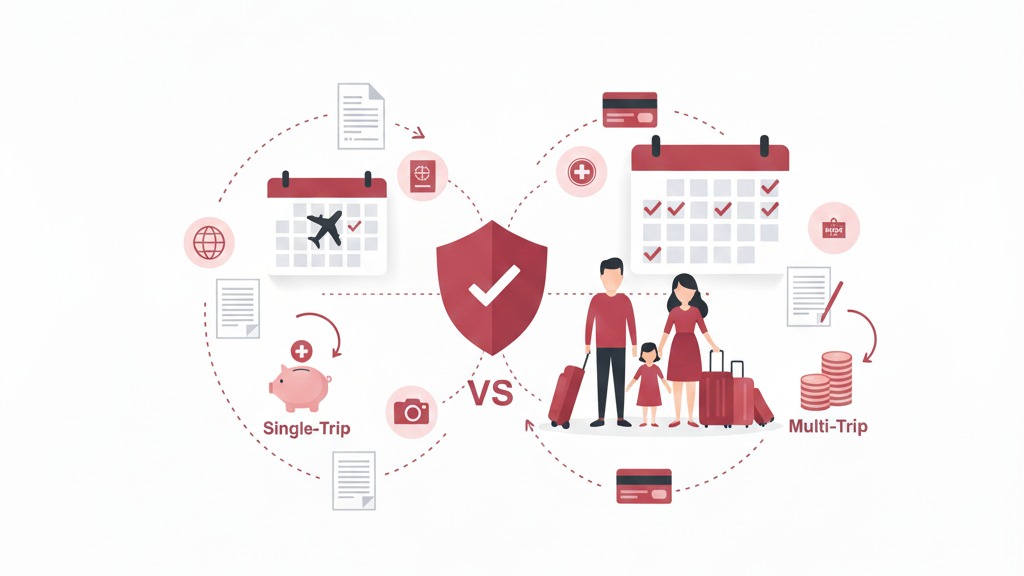
Family vacations create unforgettable memories — but ensuring safety during those journeys is just as important.
travel risks like flight cancellations, baggage loss, and medical emergencies abroad, having the right family travel insurance is a must.
While your regular motor insurance protects your car and health insurance covers medical costs at home, travel insurance safeguards your family against unforeseen events while travelling. When choosing coverage, the biggest question is whether to go for a single-trip policy or a multi-trip policy. Let’s understand how both work and which one fits your family’s travel needs.
What is Family Travel Insurance?
Family travel insurance offers comprehensive protection for all members under one policy — usually covering you, your spouse, and dependent children. It’s a convenient and cost-effective way to secure your loved ones during domestic or international trips.
This type of insurance typically includes coverage for medical emergencies, trip cancellations, lost baggage, or travel delays. It’s designed for the entire journey — from departure to return — ensuring peace of mind for the whole family.
Single-Trip Family Travel Insurance
A single-trip plan is ideal when your family plans one major vacation in a year. It provides protection for a specific journey — starting from the day you leave until you return home.
If you rarely travel or take just one family trip annually, this policy is economical. It ensures all travel-related risks are covered for that trip, including medical emergencies abroad and loss of baggage or travel documents.
For example, if your health insurance does not cover hospitalisation abroad, your single-trip family travel insurance will fill that gap and ensure support during emergencies.
Multi-Trip Family Travel Insurance
If your family travels multiple times a year — whether for short holidays, family weddings abroad, or business trips — a multi-trip policy offers better value.
Instead of buying a new policy for each trip, one multi-trip plan covers every journey made within a year. It saves time, reduces paperwork, and can be more cost-effective in the long run.
Each trip under this policy is covered up to a maximum duration (for example, 30 to 90 days), depending on the insurer. So, if you have frequent family travel plans, this is the more convenient and economical option.
How to Choose Between Single-Trip and Multi-Trip Plans
When deciding between the two, consider the following factors:
1.Travel Frequency:
If you take one vacation annually, a single-trip plan works best. Frequent travellers should opt for a multi-trip plan.
2.Trip Duration:
Families planning long international holidays should check the policy duration limits. Some multi-trip plans restrict coverage per trip.
3.Budget and Convenience:
A single-trip plan might be cheaper for one-off travel. However, multi-trip insurance saves money if you travel more than twice a year.
4.Coverage Needs:
Check if the policy covers emergency medical expenses, baggage loss, cancellation, and evacuation. Remember, your motor insurance and health insurance won’t cover these travel-specific risks.
5.Family Composition:
Ensure your insurer includes all family members — especially senior parents or children — under one policy with adequate medical coverage abroad.
Why Family Travel Insurance Matters
Travelling with family means taking care of everyone’s safety — including children and elders. A dedicated family travel insurance policy ensures you’re financially protected against unexpected expenses while away from home.
Whether it’s hospitalisation abroad, flight delays, or lost passports, a good policy keeps your vacation stress-free. It complements your health insurance and motor insurance but covers areas those policies can’t — like travel-specific emergencies and overseas assistance.
Why Choose PayBima
At PayBima, we make it easy to compare and choose the right family travel insurance — single or multi-trip — based on your travel habits and needs. Our platform helps you:
-
Compare plans from leading insurers.
-
Understand coverage differences clearly.
-
Buy online with minimal documentation.
-
Access 24×7 claim support and emergency assistance.
Whether your family travels once a year or every few months, PayBima ensures your journeys stay protected and worry-free.
-
Single-Trip Insurance covers a specific journey — from when you leave home until you return (or until the policy’s defined end date). It applies to just that one trip.
-
Multi-Trip (Annual) Insurance covers you for multiple trips during a fixed period (typically 12 months). Once the policy is active, you — and your family — can travel multiple times under that same policy.
Both single-trip and multi-trip travel insurance plans generally offer similar types of coverage, including: medical emergencies while travelling, trip-cancellation or interruption, baggage or passport loss/theft, travel delays, and other travel-related risks.
Business Standard
Whether you’re with family or travelling solo, these protections help mitigate financial and logistical risks tied to travel.
Single-trip insurance tends to be more suitable when:
-
You plan only one major trip in the year (vacation, pilgrimage, or overseas visit).
-
The trip is long (some single-trip plans cover up to 180 days or more), which may exceed typical per-trip limits under some annual plans.
-
You want to customise coverage for a specific trip (for example: particular destination, duration, additional add-ons).
-
You don’t travel frequently — taking out a fresh policy for each journey could cost less in total.
Multi-trip insurance becomes advantageous when:
-
You or your family travel multiple times a year (weekend getaways, business trips, visits abroad, etc.). In that case, one annual policy usually costs less than multiple single-trip policies combined.
-
You prefer the convenience of not buying a new policy every time — especially useful when plans are spontaneous.
-
You anticipate shorter trips each time (many multi-trip plans impose a per-trip maximum duration).
Yes — for both types there are trade-offs:
Single-Trip Insurance:
-
Requires a separate purchase for each journey — which can be cumbersome if you travel more than once a year.
-
If you travel frequently, buying separate policies may add up to a higher cost overall compared to one annual plan.
Multi-Trip Insurance:
-
Upfront premium tends to be higher than a single-trip policy.
-
There may be restrictions on maximum duration per trip under the annual plan — long trips may exceed this limit.
-
You may not get per-trip customization (destination-specific cover, special add-ons) since the policy is generic for all trips in the year.
Before selecting a plan, consider:
-
Frequency of travel: If you expect more than one trip in a year — multi-trip may offer better value.
-
Trip duration: For long holidays (several weeks), single-trip plans might offer longer allowed stay per trip.
-
Flexibility vs convenience: If you want flexibility to tailor insurance per trip, single-trip works. If you value convenience and minimal paperwork, annual multi-trip may be better.
-
Cost vs benefit: Compare the sum of premiums for expected number of trips (single-trip) vs annual premium; include likely risk exposure (medical, cancellations, baggage).
-
Family size and travel type: For a large family or multiple adults/children travelling at different times, multi-trip might simplify coverage.
For occasional travellers (say, one or two holidays per year), a single-trip insurance is usually cost-effective and suitable. For families that travel several times a year — including short domestic or international trips, holidays, visiting relatives — annual multi-trip insurance tends to provide better value by covering multiple trips under one policy.
Many insurance advisors suggest evaluating expected travel frequency first; if it’s more than once or twice per year, multi-trip tends to be more economical.

Author Bio
Paybima Team
Paybima is an Indian insurance aggregator on a mission to make insurance simple for people. Paybima is the Digital arm of the already established and trusted Mahindra Insurance Brokers Ltd., a reputed name in the insurance broking industry with 21 years of experience. Paybima promises you the easy-to-access online platform to buy insurance policies, and also extend their unrelented assistance with all your policy related queries and services.


Latest Post
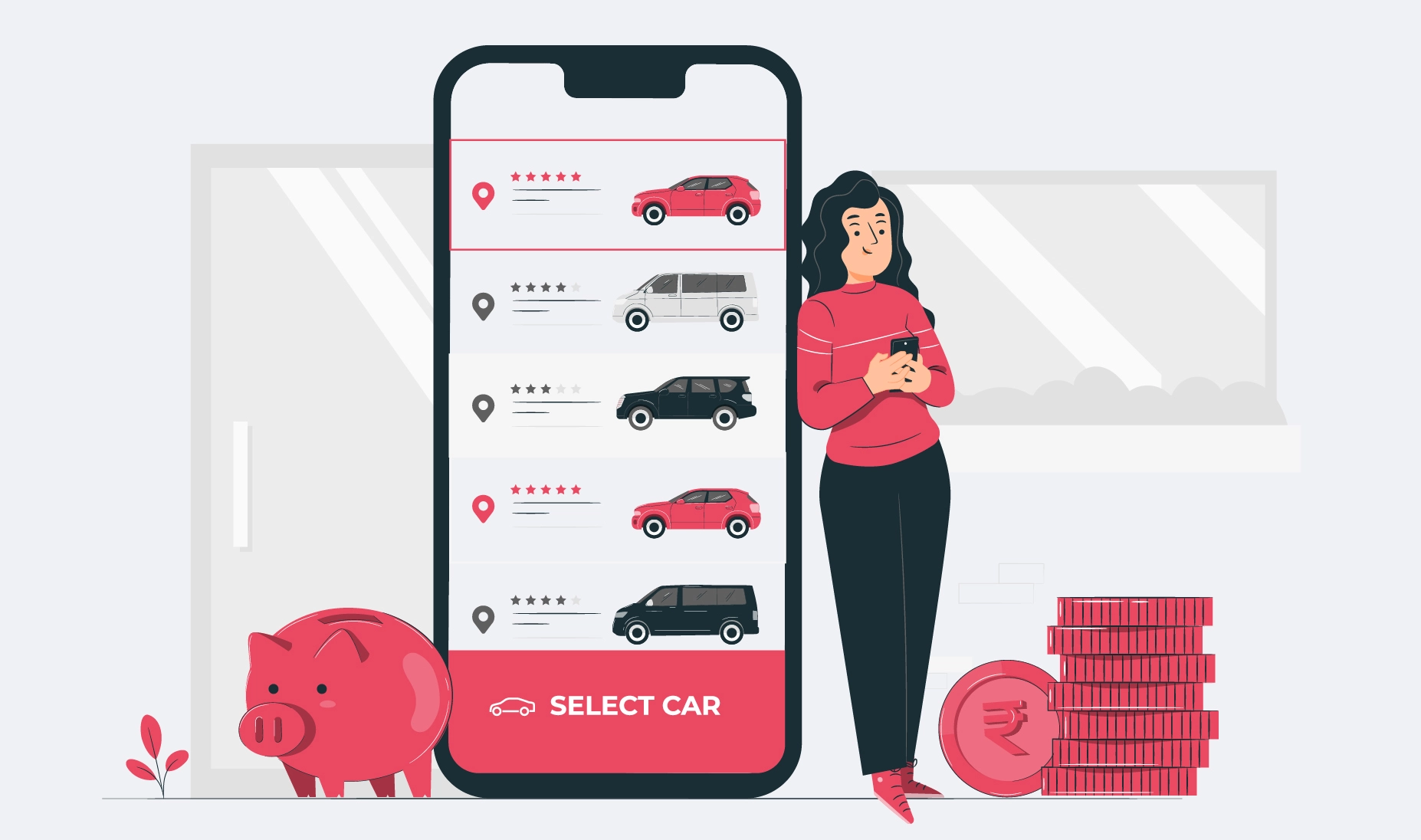
Buying a car doesn't always mean breaking the bank. If you're looking for an affordable vehicle that doesn't compromise on quality or reliability, 2026 is a great year to make your purchase.

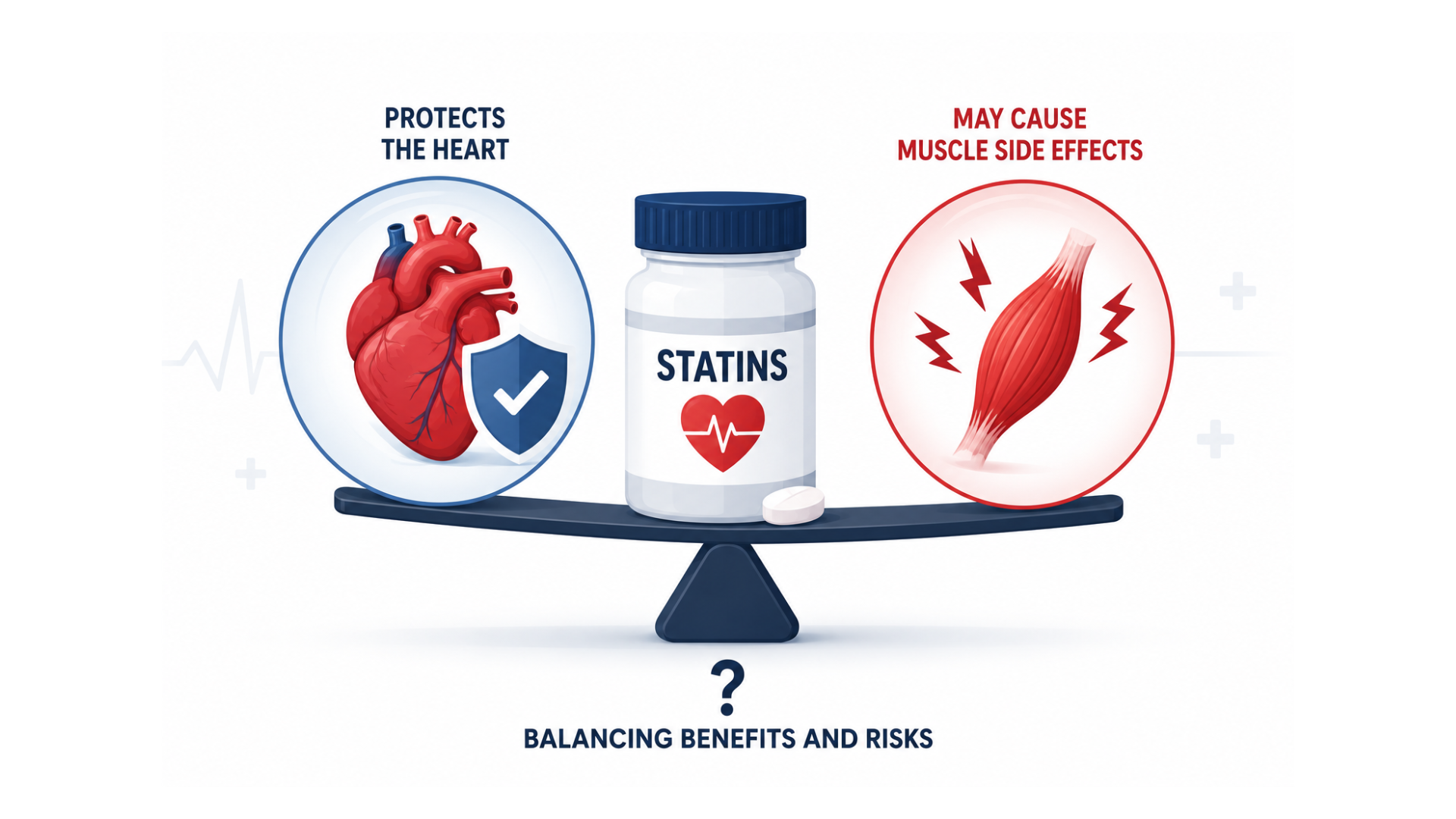
Statins are among the most commonly prescribed medications worldwide for reducing cholesterol and preventing serious cardiovascular diseases such as heart attacks and strokes.
Explore everything about the All-India National Permit in 2026. This detailed guide helps truck owners, fleet operators, and transporters understand fees, types, application steps, government rules, and tips to stay compliant while saving time and money on interstate logistics.

Commercial vehicles are the backbone of India's transportation and logistics industry. From trucks carrying goods across states to taxis, buses, school vans, ambulances, auto-rickshaws, and delivery vehicles serving daily commuters and businesses, these vehicles play a vital role in the country's economy.


Speak to our Advisor
+91

By clicking the button, I authorize Paybima advisor to contact me via SMS, Email, Phone, WhatsApp or any other modes overriding my 'DND'.T&C Apply.