
EV vs Fuel Vehicles: Which One to Choose?
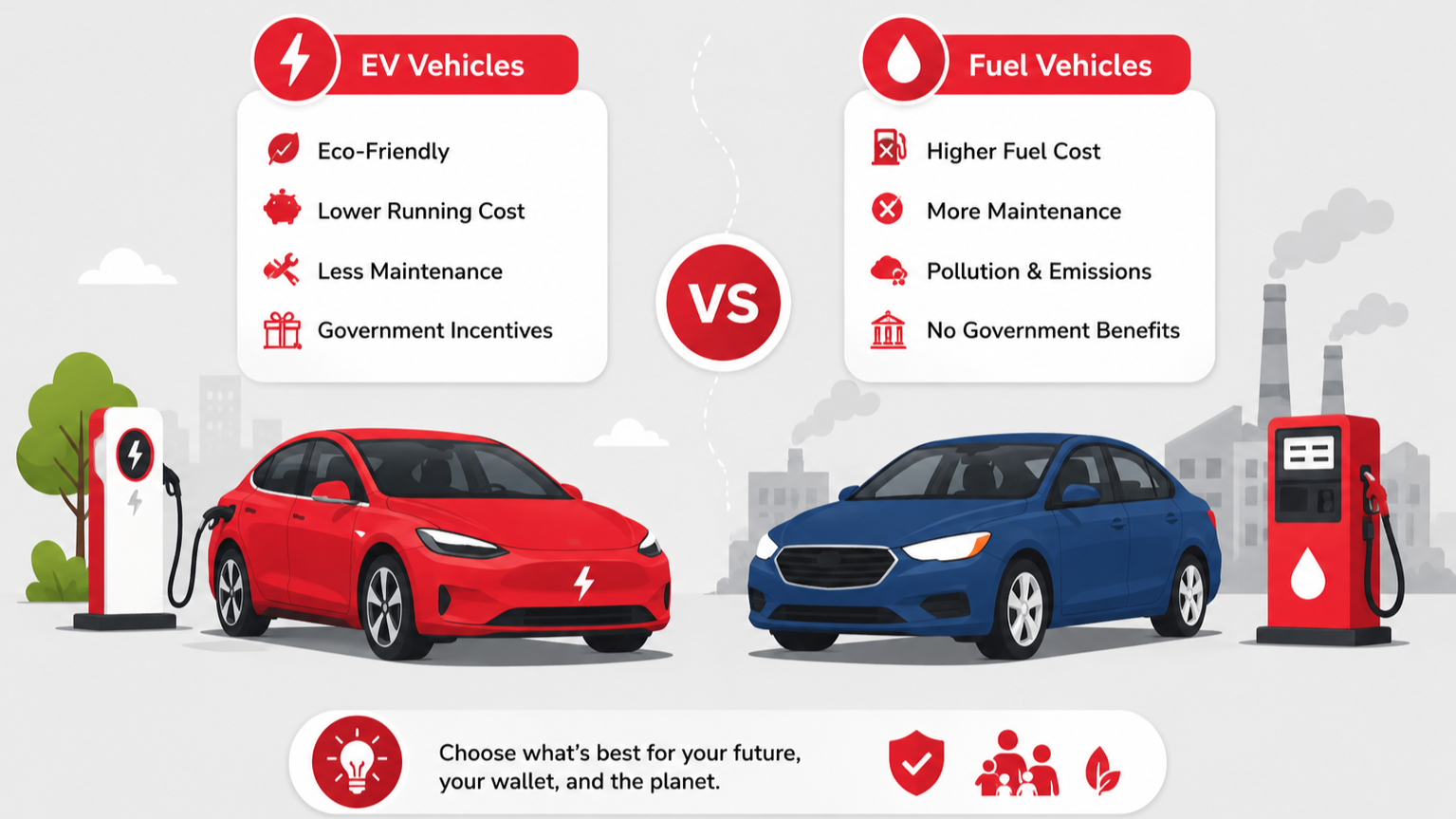
In this detailed 2026 guide, we compare Electric Vehicles (EV) and traditional Fuel Vehicles. Know which one saves more money, insurance benefits, government rules, and real user advice for daily commuters and families.
Deciding between an Electric Vehicle (EV) and a traditional fuel vehicle (petrol or diesel) is an important choice for Indians aged 25 to 55. Many in this age group manage family responsibilities, daily office commutes in cities like Mumbai, Pune, or Bangalore, weekend trips, or even small business deliveries.
In 2026, rising fuel prices, improving EV technology, better charging networks, and government support have made the decision more balanced. EVs offer lower running costs and eco-friendly benefits, while fuel vehicles provide convenience for long drives. This detailed guide explains everything in simple words to help you choose wisely.
Why Fuel Prices Are Rising and Its Impact?
Petrol and diesel prices have increased significantly in 2026. As of late May 2026:
-
Petrol in Delhi: ₹102.12 per litre
-
Petrol in Mumbai: ₹111.21 per litre
- Diesel prices are also nearing or crossing ₹95–₹100 in major cities.
These hikes happened multiple times in May alone due to global crude oil prices crossing $100 per barrel, geopolitical tensions, and currency factors. Over the past few years, petrol prices have steadily climbed from around ₹80-90 levels to over ₹100-110 in metros.
For a person driving 1,000–1,500 km per month, this means spending ₹8,000–12,000+ just on fuel. Many middle-class families feel the pinch, especially with inflation affecting household budgets. This rising cost is one of the biggest reasons more people are seriously considering EVs.
Latest Statistics (2026)
Here’s the updated section in a clean, easy-to-understand table format with the most recent 2026 data:
| Statistic | Details (as of May 2026) | Source / Notes |
|---|---|---|
| Petrol Price (Delhi) | ₹102.12 per litre | Recent hike of ₹2.61 (4th hike in 10 days) |
| Petrol Price (Mumbai) | ₹111.21 per litre | Highest among major cities |
| Diesel Price (Delhi) | ₹95.20 per litre | Up ₹2.71 recently |
| Diesel Price (Mumbai) | ₹97.83 per litre | - |
| Cumulative Fuel Price Hike (May 2026) | ₹7.5 per litre (in 10 days) | First major hikes after 4 years |
| EV Passenger Vehicle Sales (April 2026) | 22,878 units | Down 7.4% MoM but strong YoY growth |
| FY26 Total EV Sales (All Segments) | Approx. 24.5 lakh units | 25% growth over FY25 |
| Electric Two-Wheeler Sales (FY26) | Around 14 lakh units | Major contributor |
| Electric Car Sales (FY26) | Nearly 2 lakh units | 84% growth YoY |
| EV Market Share (Passenger Vehicles) | 4% – 5.1% | Growing steadily |
| Public EV Charging Stations | Over 29,000 operational | Significant improvement from previous years |
| Top EV Car Brands (April 2026) | 1. Tata (39.5%) 2. Mahindra (27.9%) 3. MG (20.2%) | Tata remains dominant |
| IRDAI TP Insurance Benefit for EVs | 15% discount on Third-Party premium | Continues in 2026 |
| Global EV Sales Forecast (2026) | 22.7 million units | India contributing to growth |
Why Choose an Electric Vehicle (EV)?
1. Incredible Fuel Savings
The biggest pull toward EVs is how cheap they are to run. While petrol and diesel prices remain high and volatile, electricity tariffs are relatively stable. Charging an EV at home overnight using off-peak electricity rates can bring your daily commuting costs down to a fraction of a fuel vehicle's expenses.
2. Cheaper Maintenance
A traditional engine houses hundreds of moving parts—pistons, spark plugs, fuel pumps, and exhaust systems—all of which wear out over time. An EV is remarkably simple. It consists primarily of a battery, an electric motor, and an inverter. This means no engine oil changes, no transmission fluid flushes, and significantly lower lifetime maintenance bills.
3. Eco-Friendly Driving
EVs produce zero tailpipe emissions. By transitioning to electric driving, you directly contribute to reducing urban air pollution and lowering your carbon footprint.
4. Tax Incentives and Policy Breaks
Governments globally and locally continue to offer incentives to promote clean energy. In India, EVs attract a lower GST rate of just 5% compared to up to 28% plus cess on luxury fuel vehicles. Furthermore, many states offer complete road tax exemptions for green-plate vehicles.
Example: Running Costs – The Biggest Difference
This is where EVs clearly win for most users in 2026:
-
Petrol/Diesel Car: ₹6–8 per km (or higher with current prices)
-
EV: ₹1–1.5 per km (home charging)
Example (for 1,200 km monthly driving): A petrol car may cost ₹8,500–10,000 in fuel. An EV costs around ₹1,200–1,800 in electricity. This can save you ₹7,000–9,000 per month or nearly ₹90,000+ per year. Over 5 years, the savings are huge for moderate to high users.
Comparison Table EV vs Fuel Vehicles in 2026
| Factor | Electric Vehicle (EV) | Fuel Vehicle (Petrol/Diesel) |
|---|---|---|
| Purchase Price | Higher (incentives available) | Lower |
| Running Cost (per km) | ₹1–1.5 | ₹6–8+ (rising) |
| Monthly Fuel Cost (1200 km) | ₹1,500–2,000 | ₹8,000–10,000+ |
| Maintenance | Much lower | Higher |
| Refueling/Charging | 30–60 min fast / overnight home | 5 minutes anywhere |
| Typical Range | 250–450 km per charge | 600–800+ km per tank |
| Insurance (TP Premium) | 15% discount (IRDAI) | Standard rates |
| Resale Value | Improving but uncertain | More predictable |
Why Choose a Fuel (ICE) Vehicle?
1. Zero Range Anxiety
The biggest advantage of a petrol, diesel, or CNG vehicle is convenience. You are never more than a few kilometers away from a fuel station. Refueling takes minutes, making fuel vehicles the undisputed champion for unplanned long-distance journeys or rural travel where the EV charging grid is still sparse.
2. Lower Initial Price Tag
If you are on a tight budget, the upfront cost of a conventional vehicle is much friendlier. While EV prices are steadily dropping due to mass production and localized battery manufacturing, standard fuel variants remain cheaper upfront across the entry-level 2 wheeler insurance and 4 wheeler insurance segments.
3. Established Resale Market
Because conventional cars and bikes have been around for decades, evaluating their secondhand worth is easy. Buyers know exactly how an engine ages, keeping resale values relatively stable and highly predictable.
The Crucial Role of Motor Insurance: What the Law Says
No matter which vehicle type you choose, securing the correct motor insurance policy is a legal and financial necessity. The IRDAI strictly mandates that every vehicle operating in a public space must carry at least a valid Third-Party Insurance policy.
Furthermore, a comprehensive plan is highly recommended to protect your asset against theft, accidents, and natural disasters. Here is how insurance breaks down for both categories:
1. Insuring an Electric Vehicle
When you buy an EV, securing specialized ev car insurance is vital.
-
Battery Protection: The battery pack accounts for roughly 40% to 50% of an EV's total cost. Ensuring your policy includes an explicit Battery Cover add-on safeguards you against expensive replacements resulting from electrical surges, water damage, or accidents.
-
Premium Calculations: The IRDAI regulates third-party insurance rates. For fuel vehicles, premiums are decided by engine cubic capacity (cc). For EVs, premiums are determined by the kilowatt (kW) capacity of the motor, with the government frequently providing a discounted third-party premium rate for electric vehicles to incentivize adoption.
2. Insuring a Fuel Vehicle
For standard vehicles, options like a comprehensive car insurance policy or a 4 wheeler insurance plan are highly mature.
-
Add-ons: Drivers can opt for highly useful add-ons like Zero Depreciation, Engine Protection (essential during monsoons to guard against hydrostatic lock), and Roadside Assistance.
-
Two-Wheelers: If you ride a motorcycle or scooter, purchasing an online bike insurance plan is quick and efficient. Keeping track of your bike insurance renewal date ensures you preserve your accrued No Claim Bonus (NCB), saving you up to 50% on your own-damage premium over consecutive accident-free years.
3. Commercial Vehicles and Personal Protection
If you are buying a vehicle for freight, logistics, or ride-sharing, you must secure a tailored commercial vehicle insurance policy. Commercial policies differ from personal ones as they account for passenger liability and high-mileage wear and tear.
Crucially, every individual driver must maintain an active personal accident insurance cover. This provides financial security to your family in the unfortunate event of permanent disability or accidental death.
Government Rules and IRDAI Regulations to Keep in Mind
Staying compliant with evolving automotive and insurance laws will prevent heavy traffic fines and claim rejections:
-
Standard Deductibles: Under current IRDAI guidelines, standard compulsory deductibles apply during claims. This means the policyholder pays a nominal fixed fee (typically ₹1,000 for vehicles under 1500cc and ₹2,000 for vehicles above 1500cc) before the insurance provider covers the remainder of the repair invoice.
-
The 90-Day Grace Period for NCB: When handling your bike insurance renewal or car policy update, ensure it is done before expiry. If your policy lapses for more than 90 days, any accumulated No Claim Bonus discounts drop to zero, and your vehicle will require a physical inspection before a new policy can be issued.
-
Scrappage Policy: Strict green regulations require commercial and personal fuel vehicles older than 15-20 years (depending on regional regulations) to pass stringent fitness examinations or face mandatory deregistration to clear high-emission vehicles off the roads.
FAQs on EV vs Fuel Vehicles in 2026
Yes, especially with petrol at ₹100+, savings are huge on running costs.
Around ₹1–1.5 per km — much lower than petrol.
Yes, with over 29,000 public stations, city use is comfortable.
Third-party is cheaper, but comprehensive may be slightly higher.
Fuel vehicles are still better for frequent highway trips.
Most likely, making EVs more attractive every year.
Yes, fully online and simple.
If your usage matches, buying now helps you save on rising fuel costs immediately.
8–10+ years with manufacturer warranties. Replacement costs are decreasing.

Author Bio
Paybima Team
Paybima is an Indian insurance aggregator on a mission to make insurance simple for people. Paybima is the Digital arm of the already established and trusted Mahindra Insurance Brokers Ltd., a reputed name in the insurance broking industry with 21 years of experience. Paybima promises you the easy-to-access online platform to buy insurance policies, and also extend their unrelented assistance with all your policy related queries and services.


Other Motor Insurance Products


Latest Post

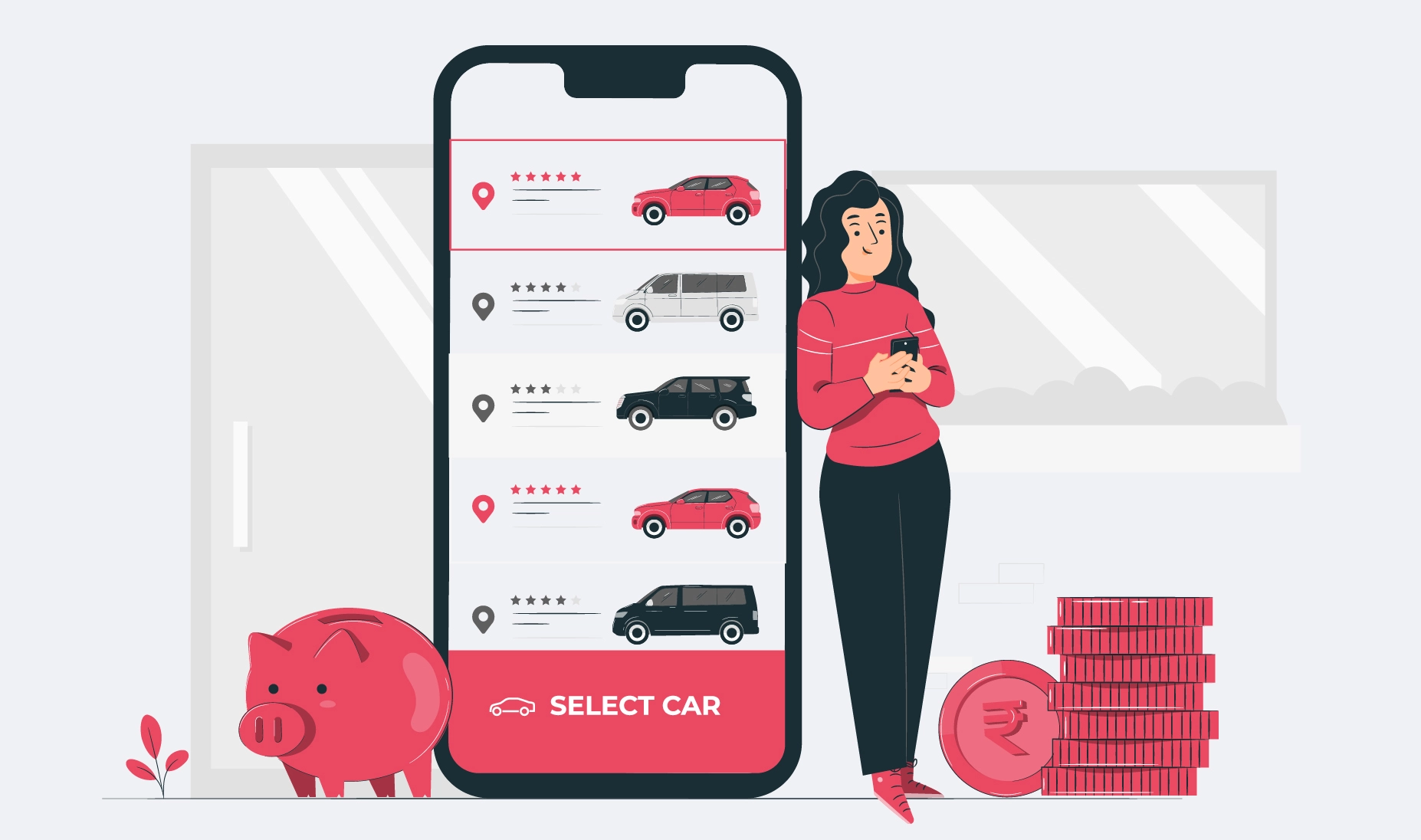
Buying a car doesn't always mean breaking the bank. If you're looking for an affordable vehicle that doesn't compromise on quality or reliability, 2026 is a great year to make your purchase.

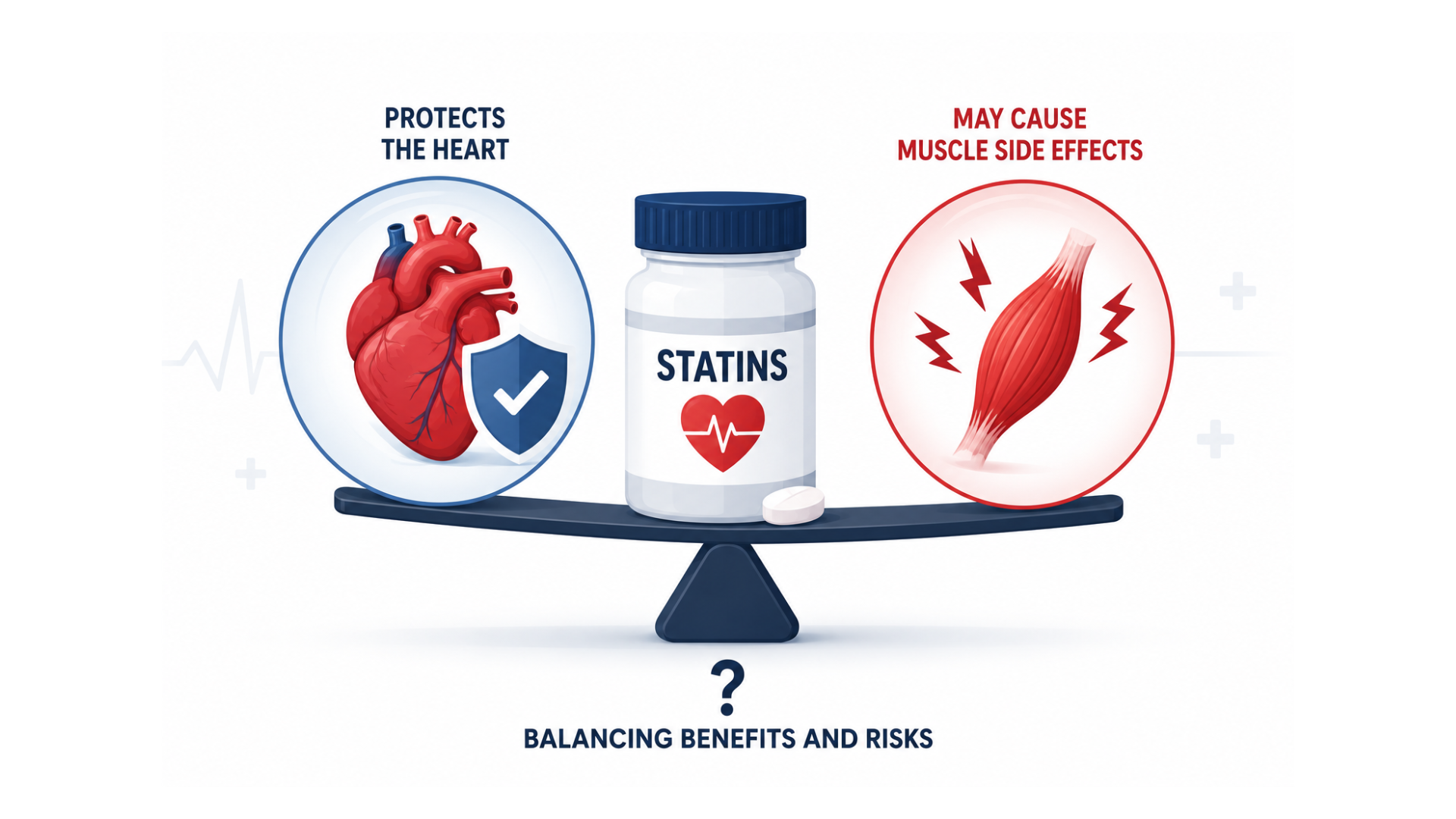
Statins are among the most commonly prescribed medications worldwide for reducing cholesterol and preventing serious cardiovascular diseases such as heart attacks and strokes.
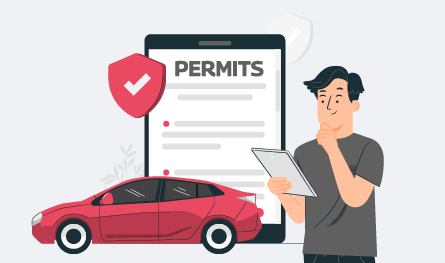
Explore everything about the All-India National Permit in 2026. This detailed guide helps truck owners, fleet operators, and transporters understand fees, types, application steps, government rules, and tips to stay compliant while saving time and money on interstate logistics.
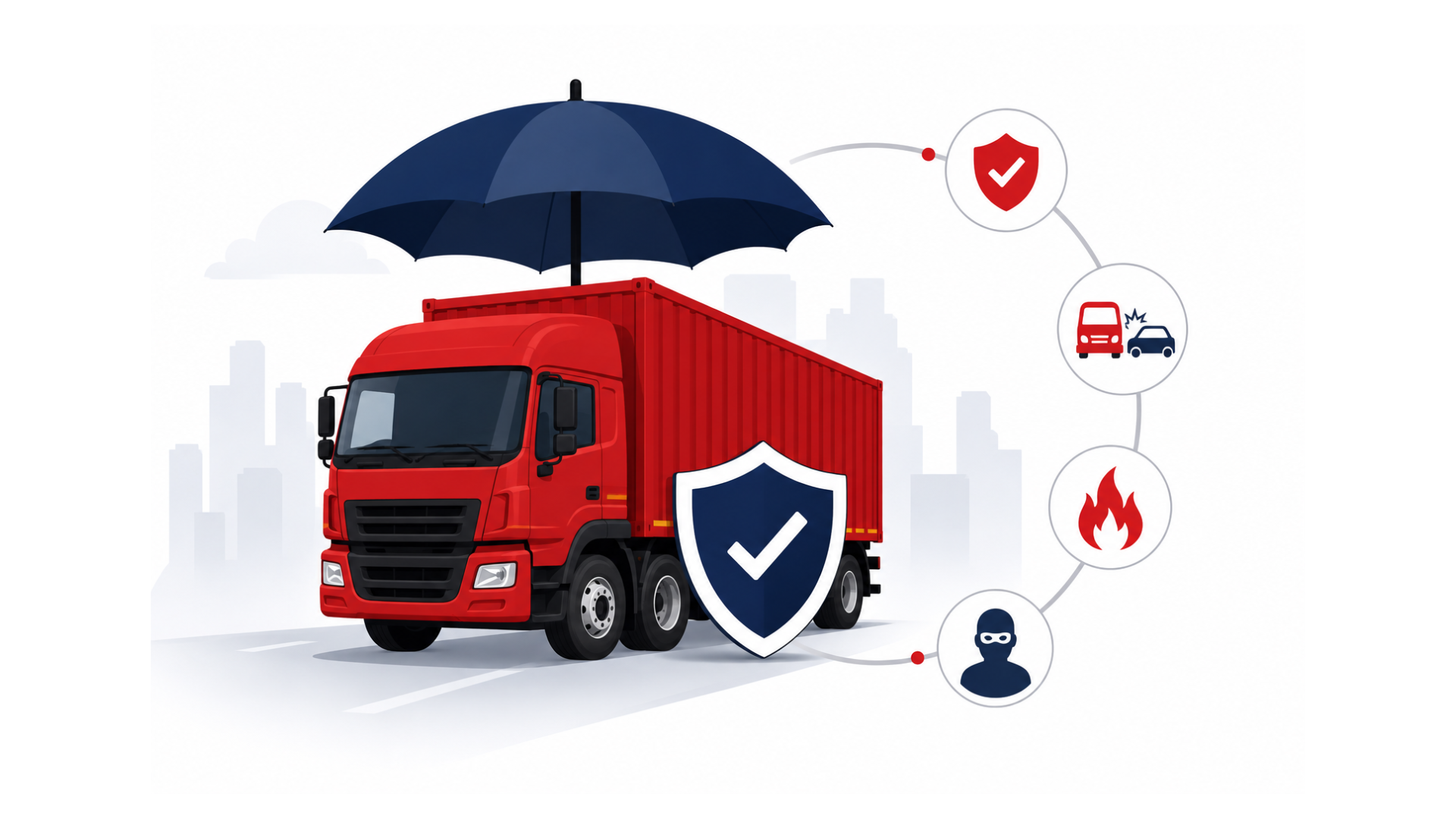
Commercial vehicles are the backbone of India's transportation and logistics industry. From trucks carrying goods across states to taxis, buses, school vans, ambulances, auto-rickshaws, and delivery vehicles serving daily commuters and businesses, these vehicles play a vital role in the country's economy.


Speak to our Advisor
+91

By clicking the button, I authorize Paybima advisor to contact me via SMS, Email, Phone, WhatsApp or any other modes overriding my 'DND'.T&C Apply.