
What is Term Insurance?
Term insurance plan offers pure financial protection for your loved ones at affordable premiums. This detailed guide explains everything from types and features to benefits, helping Indians aged 25-55 secure their family's future with the right term plan.
A term insurance plan is the simplest and most affordable form of life insurance. It provides a high sum assured (death benefit) for a specific period, called the "term" (e.g., 10, 20, 30 years or up to age 99 in some plans). If the policyholder passes away during this term, the nominee receives the full sum assured, often tax-free. If you survive the term, the policy ends with no payout (in pure term plans), and that's why premiums are low.
Unlike investment plans, guaranteed return plans, child insurance plans, or whole life policies, term plans focus purely on protection. They are ideal for breadwinners aged 25-55 who want to safeguard their family's lifestyle, loans, children's education, and future goals without high costs.
In 2026, awareness is rising: there's a 33% year-on-year increase in customers opting for life cover over ₹1 crore and 22% for over ₹1.5 crore in term plans, reflecting better understanding of adequate coverage needs.
Key Features of a Term Insurance Plan
-
Flexible Sum Assured: Start from a few lakhs to several crores (1 crore term plan is very popular).
-
Policy Term: Customizable, often 10-40+ years or till age 85-99.
-
Premium Payment Options: Regular (throughout term), limited pay (e.g., 5-10 years), or single pay.
-
Payout Options: Lump sum, monthly income, increasing income, or combination.
-
Riders/Add-ons: Critical illness, accidental death, disability, waiver of premium, etc., for comprehensive protection.
-
Online Term Insurance: Easy comparison, instant issuance, and discounts (up to 15-18% for buying online).
-
No Maturity Benefit (in pure plans): Ensures low premiums focused on protection.
Latest IRDAI Trends & Statistics on Term Insurance (as of FY 2024-25 / 2026 context)
Here is the updated section in clean table format for better understanding:
| Metric | Value | Notes / Insight |
|---|---|---|
| Individual Death Claim Settlement Ratio (Industry) | 97.10% - 97.11% (within 30 days) | Overall life insurance industry performance |
| Private Insurers CSR (30 days) | 97.30% | Stronger performance by private players |
| Top Performers (Individual Death CSR) | 99.41% – 99.71%+ | HDFC Life, Axis Max Life, Tata AIA, Aditya Birla Sun Life consistently lead |
| Growth in High Sum Assured Policies | +33% YoY for > ₹1 Crore | Significant rise in demand for adequate coverage |
| Growth in Very High Cover | +22% YoY for > ₹1.5 Crore | Reflects better awareness among families |
| Women Opting for High Cover | +32% for > ₹1 Cr & +24% for > ₹1.5 Cr | Increasing financial independence and awareness |
Key Benefits of Term Insurance Plan
-
High Cover at Low Cost: A 1 crore term plan for a 30-year-old healthy non-smoker can cost as low as ₹400-600/month (varies by age, health, term).
-
Financial Security: Replaces your income, clears debts, funds education, and maintains family lifestyle.
-
Tax Benefits: Premiums qualify under Section 80C; death benefit is tax-free under 10(10D).
-
Riders for Comprehensive Protection: Cover critical illnesses, accidents, etc.
-
Peace of Mind: Especially vital in 25-55 age group when responsibilities (home, kids, parents) peak.
-
Online Convenience: Compare multiple insurers, buy instantly, and get discounts via online term insurance platforms.
-
Inflation Protection: Choose increasing cover or higher sum assured.
Term plans outperform mixing protection with investment (like ULIPs or endowment plans) because they deliver higher pure protection for the same premium outlay.
Types of Term Insurance Plans in 2026
Here’s a comparison table for better understanding:
| Type | Description | Best For | Maturity Benefit? | Premium Level |
|---|---|---|---|---|
| Level Term Plan | Fixed cover & premium throughout term | Standard family protection | No | Lowest |
| Increasing Term Plan | Cover increases yearly (e.g., to beat inflation) | Growing income/expenses | No | Slightly higher |
| Decreasing Term Plan | Cover reduces over time (e.g., with loan) | Home loans, mortgages | No | Lower |
| Term with Return of Premium (TROP) | Returns all premiums if you survive | Those wanting some savings element | Yes | Higher |
| Whole Life Term | Coverage till age 99 or lifetime | Long-term security | No | Moderate |
| Group Term | Offered by employers for employees | Corporate coverage | Varies | Subsidized |
Note: Pure term plans (without return of premium) are recommended for maximum cover at lowest cost. Avoid confusing with investment-linked or guaranteed return plans.
How Much Cover Do You Need? (1 Crore Term Plan Example)
A common thumb rule: 10-20 times your annual income + outstanding loans + future goals. For many middle-class families in India, ₹1 crore+ is a good starting point. Use online calculators for personalization.
Example Table (Approximate Annual Premium for ₹1 Crore Cover, 30-Year Term, Non-Smoker – 2026 indicative):
| Age/Gender | Male (₹) | Female (₹) |
|---|---|---|
| 25-30 years | 8,000-12,000 | 6,000-9,000 |
| 35-40 years | 15,000-22,000 | 12,000-18,000 |
| 45-50 years | 30,000-45,000 | 25,000-35,000 |
Premiums vary by insurer, health, lifestyle. Always compare latest quotes.
Why Buy Online Term Insurance in 2026?
-
Faster issuance (instant in many cases).
-
Better premiums and discounts.
-
Easy comparison of features, riders, and CSR.
-
Digital policy management and claims intimation.
Key Takeaways
-
Term insurance plan = Pure protection, not investment. Prioritize it first before other life insurance or investment plans.
-
Buy early (25-35 ideal) for lower premiums and longer cover.
-
Aim for adequate cover (at least 1 crore+).
-
Check insurer's CSR (>98% ideal), solvency ratio, and rider flexibility.
-
Pure term > TROP for most people seeking maximum protection.
-
Review needs periodically as family situation changes.
-
IRDAI ensures transparency; latest guidelines emphasize customer-friendly features like standardized info sheets and fair claim processes.
FAQs on What is Term Insurance?
It is a life insurance that pays a large sum to your family if you die within a chosen period. No payout if you survive.
For pure protection, yes. It offers higher cover at much lower cost than investment or guaranteed return plans.
It depends on income, debts, and goals. Many opt for ₹1 crore or more.
Yes, online term insurance is quick, transparent, and often cheaper.
In pure term plans, no maturity benefit. In return-of-premium variants, you get premiums back.
Premiums may rise gradually with age and trends, but no major hikes announced. Buy early to lock lower rates.
Critical illness, accidental death benefit, and premium waiver are popular.
Top insurers have 98-99.6% CSR as per recent IRDAI data.

Author Bio
Paybima Team
Paybima is an Indian insurance aggregator on a mission to make insurance simple for people. Paybima is the Digital arm of the already established and trusted Mahindra Insurance Brokers Ltd., a reputed name in the insurance broking industry with 21 years of experience. Paybima promises you the easy-to-access online platform to buy insurance policies, and also extend their unrelented assistance with all your policy related queries and services.


Other Life Insurance Products


Latest Post
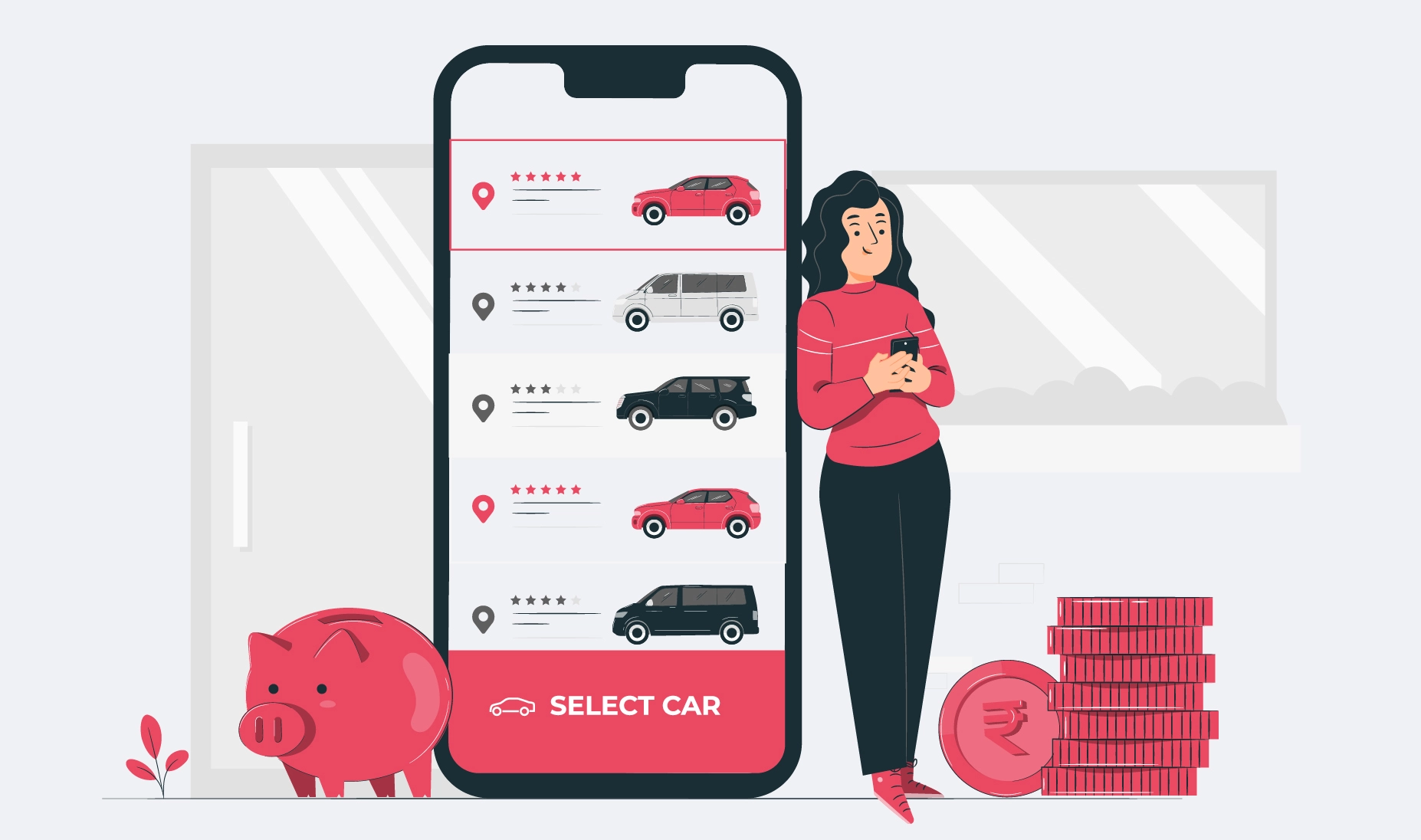
Buying a car doesn't always mean breaking the bank. If you're looking for an affordable vehicle that doesn't compromise on quality or reliability, 2026 is a great year to make your purchase.

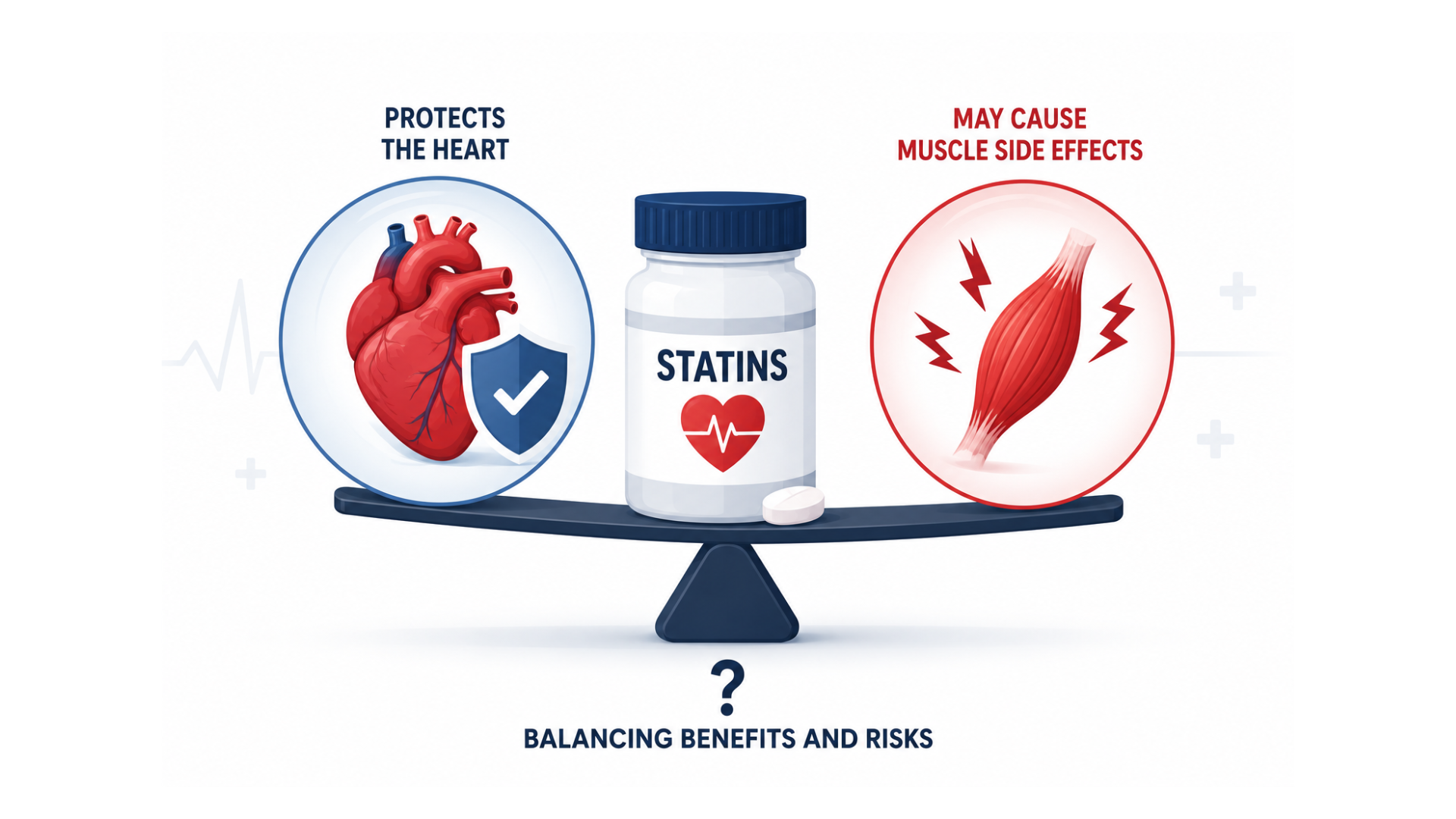
Statins are among the most commonly prescribed medications worldwide for reducing cholesterol and preventing serious cardiovascular diseases such as heart attacks and strokes.

Explore everything about the All-India National Permit in 2026. This detailed guide helps truck owners, fleet operators, and transporters understand fees, types, application steps, government rules, and tips to stay compliant while saving time and money on interstate logistics.
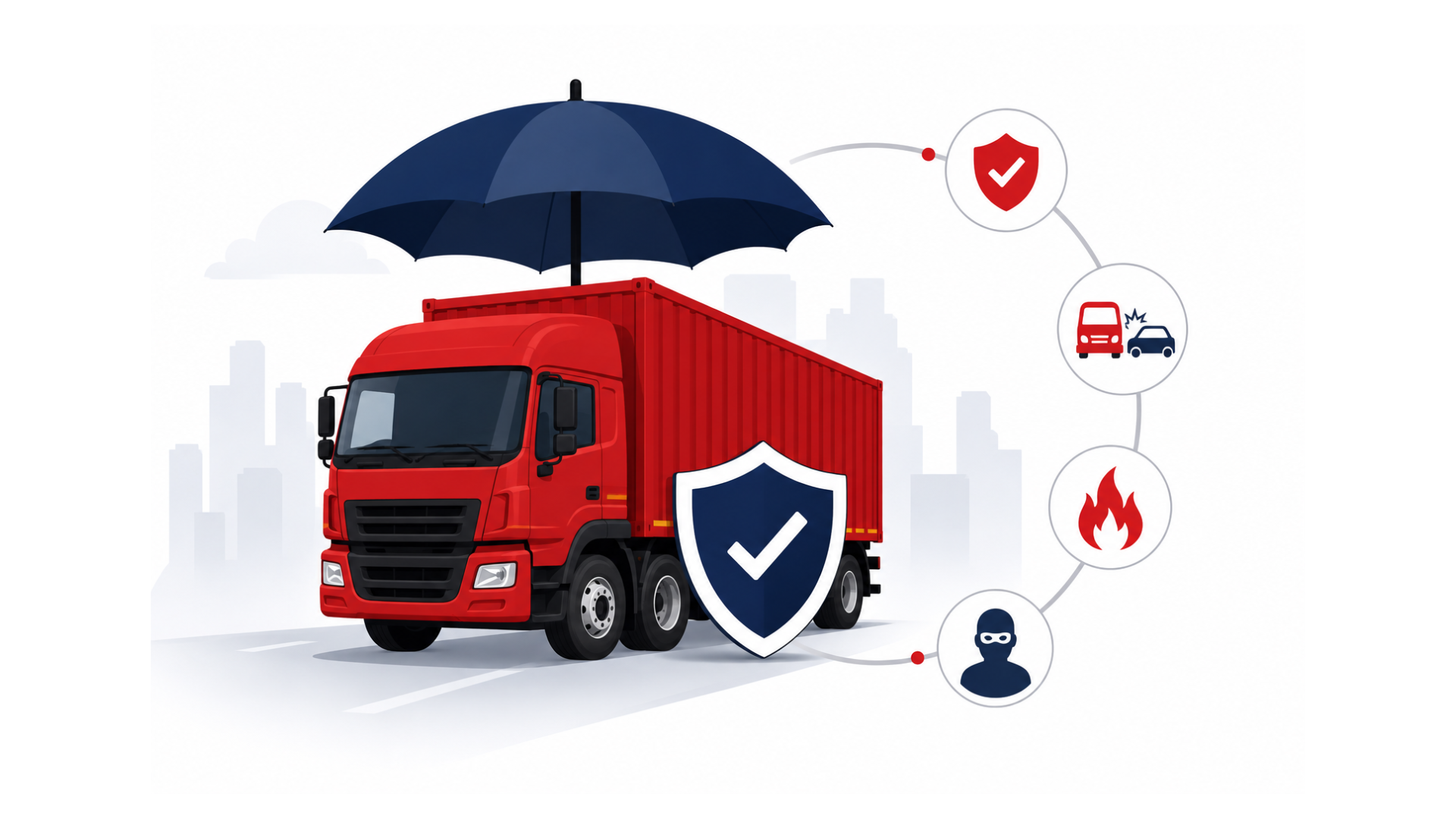
Commercial vehicles are the backbone of India's transportation and logistics industry. From trucks carrying goods across states to taxis, buses, school vans, ambulances, auto-rickshaws, and delivery vehicles serving daily commuters and businesses, these vehicles play a vital role in the country's economy.


Speak to our Advisor
+91

By clicking the button, I authorize Paybima advisor to contact me via SMS, Email, Phone, WhatsApp or any other modes overriding my 'DND'.T&C Apply.