
How To Stay Safe On Indian Roads 10 Tips For Two-Wheeler Owners
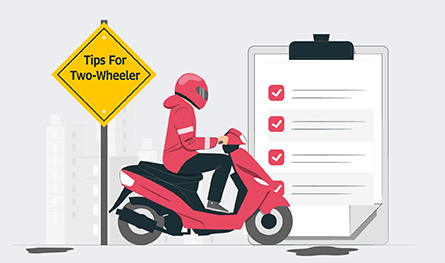
Read practical 2026 advice on two-wheeler safety in India. Covers latest MoRTH accident statistics, new ABS and helmet rules, 10 easy tips, maintenance checklist, and important insurance guidance for riders aged 25-55.
Key Takeaways
-
Two-wheeler riders face the highest risk on Indian roads, with over 17,000 lives lost in 2025 alone.
-
New 2026 rules mandating ABS and two BIS-certified helmets on all new bikes are a big step forward.
-
Helmet use, vehicle maintenance, and defensive riding remain the most effective ways to stay safe.
-
Avoiding distractions, overload, and bad weather conditions saves many lives every year.
-
Having updated two wheeler insurance, personal accident insurance, and other covers like four wheeler insurance or commercial vehicle insurance provides essential financial protection.
Indian roads test your patience and skills every single day. Whether you ride a scooter for office commutes, drop children at school, or handle family errands, two-wheeler owners aged 25 to 55 face unique challenges. Busy traffic, sudden potholes, mixed vehicles, and long hours on the road make safety a daily priority.
Latest 2025 data from the Ministry of Road Transport and Highways (MoRTH) shows a worrying trend. Two-wheeler accidents reached 67,236 — roughly 185 every day. Fatal accidents stood at 15,715, claiming 17,163 lives — about 50 deaths daily. This marks a steady rise from previous years and highlights why every rider must stay alert.
Here is a clear overview of the rising numbers:
| Year | Total Two-Wheeler Accidents | Fatal Accidents | Lives Lost |
|---|---|---|---|
| 2023 | 56,044 | 12,122 | 13,401 |
| 2024 | 65,826 | 14,981 | 16,302 |
| 2025 | 67,236 | 15,715 | 17,163 |
These figures remind us that two-wheelers account for nearly half of all road deaths in the country. Many accidents involve overspeeding, not wearing helmets, poor road conditions like potholes (which increased 53% between 2020-2024), and lack of attention. The good news is that simple daily habits combined with new government rules can make a real difference.
From January 1, 2026, all new two-wheelers must come fitted with Anti-Lock Braking System (ABS), no matter the engine size. Dealers must also provide two BIS-certified helmets with every purchase — one for the rider and one for the pillion. These changes aim to reduce skidding on slippery roads and encourage helmet use right from the start.
10 Practical Tips to Ride Safer Every Day
1. Wear a Proper Helmet – Every Single Ride
Never skip the helmet, even for short distances. From 2026, new bikes come with two quality BIS-certified helmets. Always buckle the strap properly and replace a cracked or old helmet. Helmets reduce the risk of serious head injuries significantly. Make it a non-negotiable family habit for both rider and pillion.
2. Maintain Your Two-Wheeler Regularly
A well-kept bike performs better in emergencies. Check tyre pressure, brake condition, lights, horn, and chain every week. During monsoons, pay extra attention to brakes and tyres as roads become slippery. Spending just 10-15 minutes weekly on maintenance can prevent many breakdowns and accidents.
3. Follow Speed Limits and Traffic Signals Strictly
Overspeeding remains one of the top causes of fatal crashes. Stick to city limits (usually 50 km/h) and reduce speed in crowded areas, near schools, or during rain. Newer fines for violations are stricter. Stopping fully at red lights and waiting patiently saves lives — yours and others.
4. Ride Defensively and Anticipate Hazards
On Indian roads, expect the unexpected. Keep safe distance from larger vehicles, watch for sudden lane changes, open car doors, or pedestrians crossing anywhere. Scan the road 10-15 seconds ahead. Defensive riding gives you precious seconds to react.
5. Be Extra Careful in Bad Weather and at Night
Rain reduces visibility and grip. If you must ride, slow down, increase following distance, and avoid waterlogged areas. At night, potholes and drunk drivers become harder to spot. Use bright headlights early, add reflective tapes on your helmet and bike, and consider LED upgrades for better visibility.
6. Never Overload the Bike or Triple Ride
Extra passengers or heavy loads affect balance and braking distance. Stick to one pillion rider and avoid carrying bulky items that block your view. Overloading is now heavily fined and increases accident risk sharply, especially during festivals or family outings.
7. Use Indicators, Mirrors, and Stay Visible
Always signal well in advance before turning or changing lanes. Adjust mirrors daily and check blind spots. Wear bright or reflective clothing during the day and ensure your bike lights work perfectly at night. Being seen clearly by other drivers is half the battle won.
8. Stay Sober, Rested, and Distraction-Free
Even a small amount of alcohol or fatigue slows your reaction time dangerously. Avoid riding when tired after long work hours. Keep phones away — no calls or music that distracts you. Pull over safely for short breaks during long rides.
9. Upgrade Your Skills with Defensive Riding Practice
Many of us learned riding years ago. Refresh your skills through short defensive riding courses now available in many cities. Learn how to use ABS effectively on your new or existing bike. Teach family members too, especially younger riders.
10. Protect Yourself Financially with Right Insurance
No matter how careful you are, accidents can still happen. Always keep your two wheeler insurance and motor insurance policy active and updated. It is now very easy to buy insurance online for bike from your mobile in just a few minutes.
Personal accident insurance is mandatory and provides up to ₹15 lakh cover for the owner-driver in case of death or permanent disability. If your family also owns a car, make sure you have proper four wheeler insurance. Those using bikes for delivery or business work should explore commercial vehicle insurance for additional protection. A comprehensive policy covers repair costs, medical expenses, and third-party liabilities without putting your savings at risk.
Quick Pre-Ride Safety Checklist
Use this simple table every morning before starting your day:
| Check Item | What to Do | Why It Matters |
|---|---|---|
| Helmet & Straps | Proper fit, no damage, strap fastened | Prevents head injuries |
| Brakes & Tyres | Test brakes, correct air pressure | Safe stopping power |
| Lights & Indicators | All working properly | Better visibility & communication |
| Mirrors | Clean and correctly adjusted | Spot vehicles in blind spots |
| Documents & Fuel | DL, RC, Insurance + enough fuel | Avoid penalties and breakdowns |
Additional Safety Advice for Daily Commuters
Besides the 10 tips, watch out for potholes that have caused more accidents in recent years. Slow down in construction zones and school areas. During festivals like Holi or Diwali, avoid riding if you plan to celebrate — use public transport or cabs instead. Teach children road safety from a young age so the whole family stays protected.
FAQs on 10 Road Safety Rules for Two-Wheelers in India
Yes. Both must wear BIS-certified helmets. New two-wheelers come with two helmets. Violating this can attract fines up to ₹2,000 and possible licence suspension.
All new two-wheelers must have ABS for better braking control. Dealers must supply two BIS-certified helmets with every purchase. These rules aim to lower skidding accidents and encourage helmet use.
Use trusted insurer apps or websites. Enter your registration number and bike details, compare plans, and complete purchase digitally in minutes. Renew your two wheeler insurance or motor insurance policy before it expires.
Yes, it is mandatory. Personal accident insurance covers the owner-driver up to ₹15 lakh for death or disability. It works along with your basic policy and provides important financial support to your family.
Yes. Get four wheeler insurance for your car and check commercial vehicle insurance if you use the bike for business or delivery work. Separate covers ensure complete protection for each vehicle.

Author Bio
Paybima Team
Paybima is an Indian insurance aggregator on a mission to make insurance simple for people. Paybima is the Digital arm of the already established and trusted Mahindra Insurance Brokers Ltd., a reputed name in the insurance broking industry with 21 years of experience. Paybima promises you the easy-to-access online platform to buy insurance policies, and also extend their unrelented assistance with all your policy related queries and services.


Other Motor Insurance Products


Latest Post
You're sitting with your CA on July 28, ready to file your IT return. Your CA asks, "Do you have all investment receipts?" You scramble through documents, realizing some proof is missing. This panic is avoidable.

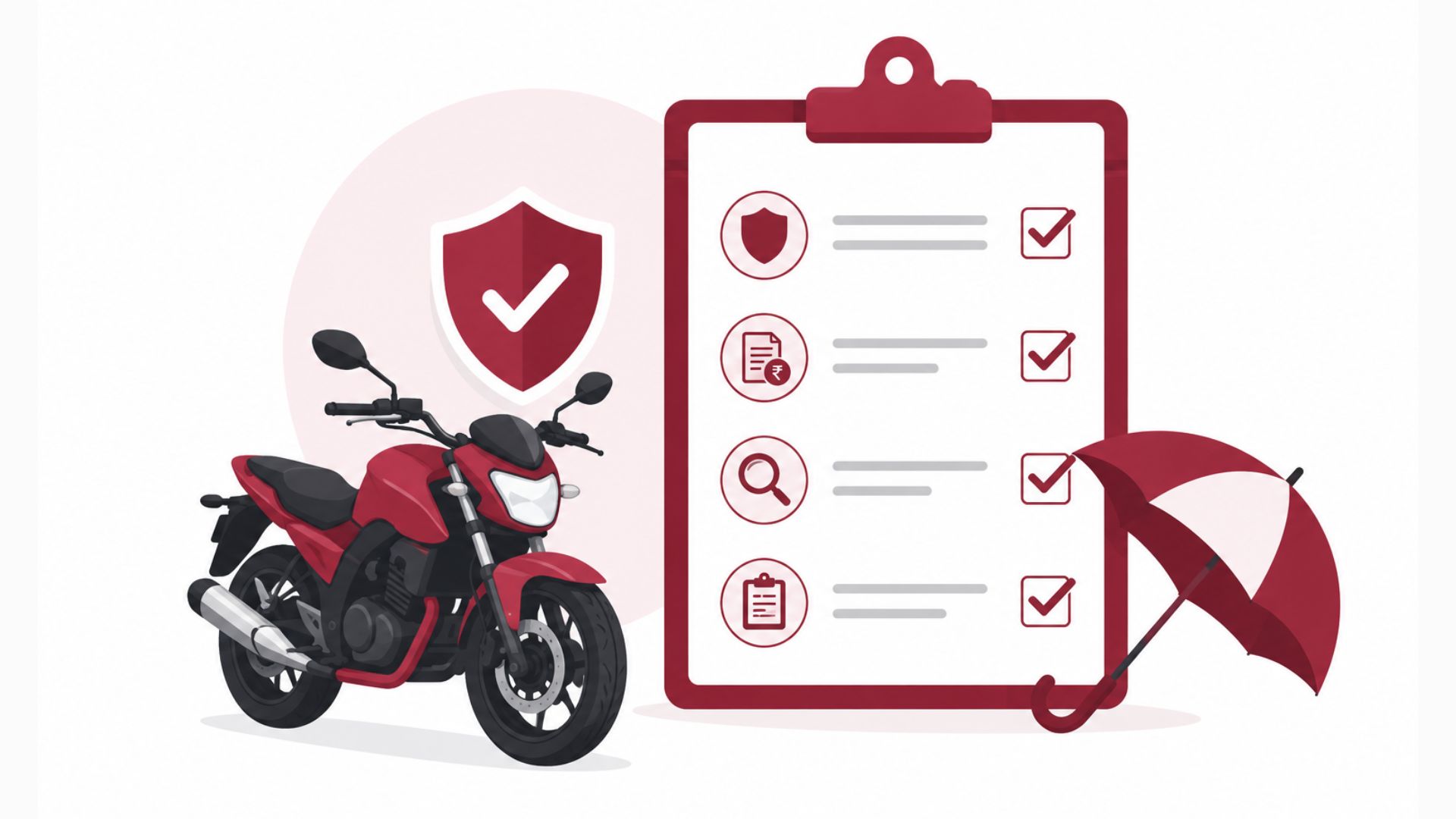
Buying bike insurance online used to seem complicated. But today, purchasing coverage for your two-wheeler is simpler than ever. The challenge now isn't availability—it's choosing the right bike insurance from dozens of options.
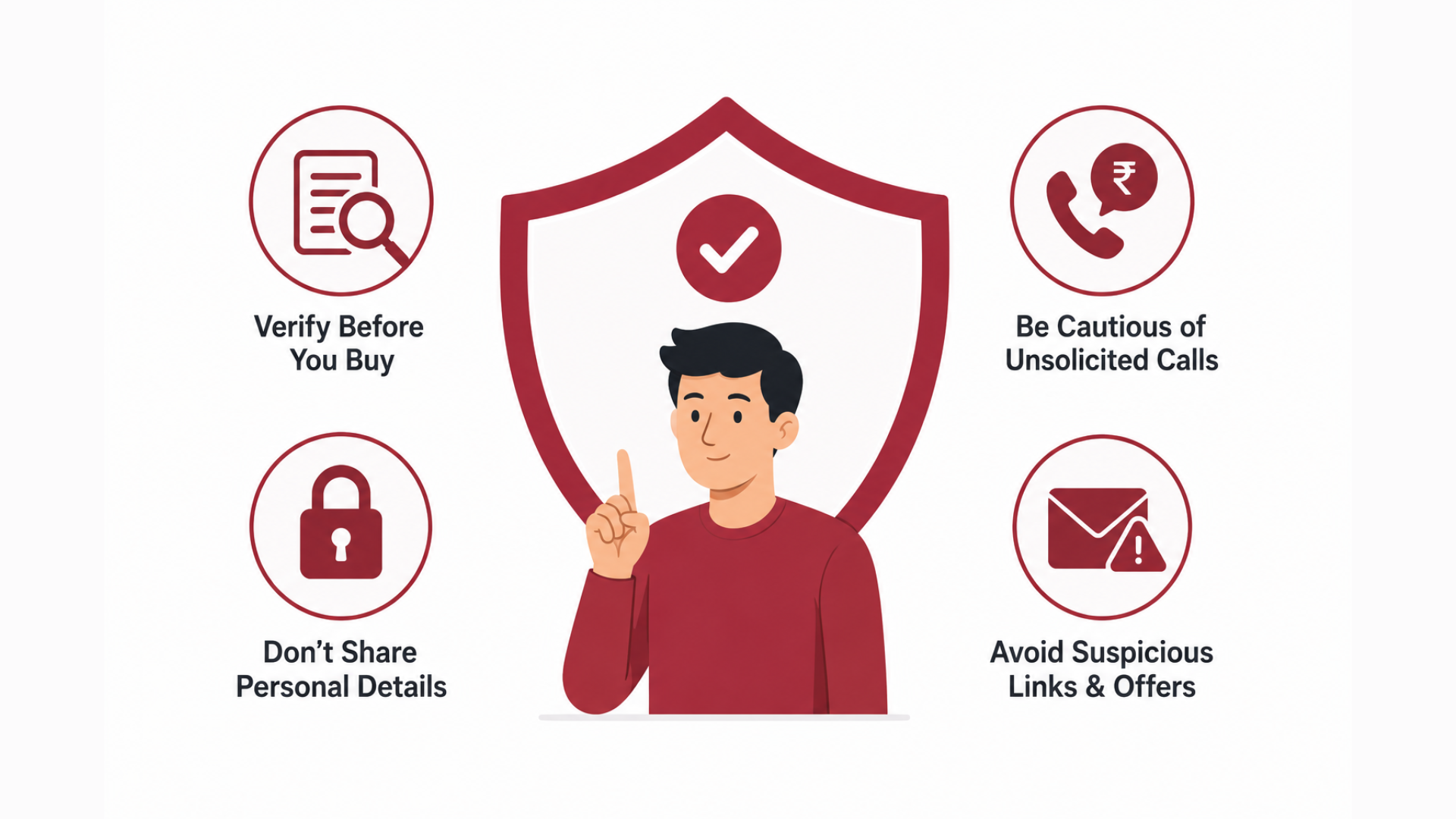
Insurance is an important financial safety net that protects individuals and families against unexpected medical expenses, accidents, loss of income, and other financial risks.
.png)
It's June. The monsoons are here. Suddenly, you develop high fever, body aches, and headache. Your doctor suspects dengue. Your first concern after "Will I be okay?" is "How much will this cost?" This is a question millions of Indians face annually, especially during monsoon and post-monsoon seasons when dengue cases spike.
You've just purchased your dream car. You maintain it religiously—regular washing, polishing, timely servicing.


Speak to our Advisor
+91

By clicking the button, I authorize Paybima advisor to contact me via SMS, Email, Phone, WhatsApp or any other modes overriding my 'DND'.T&C Apply.